-
Architects: schwerpunkt.
- Area: 673 m²
- Year: 2026
-
Professionals: Invista Craft, GreenTop, Zahradnické úpravy sro


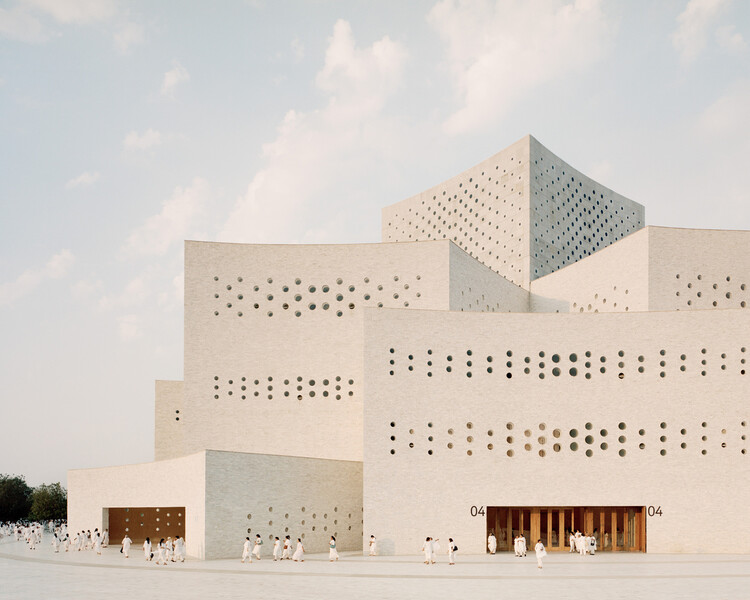
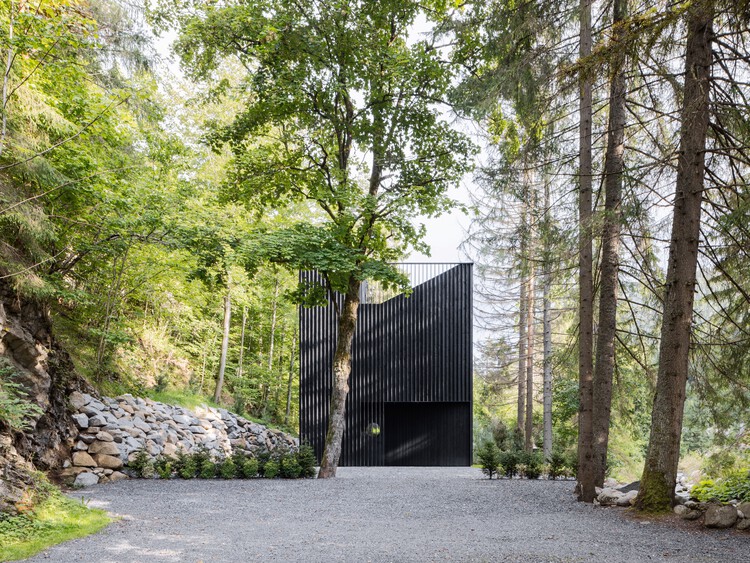
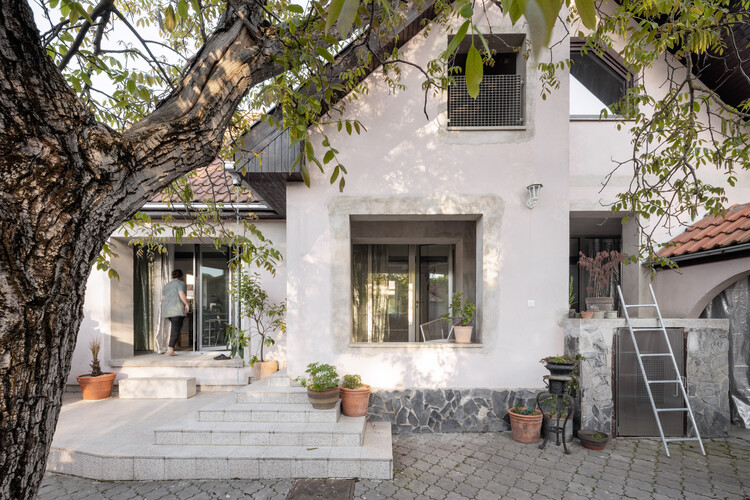
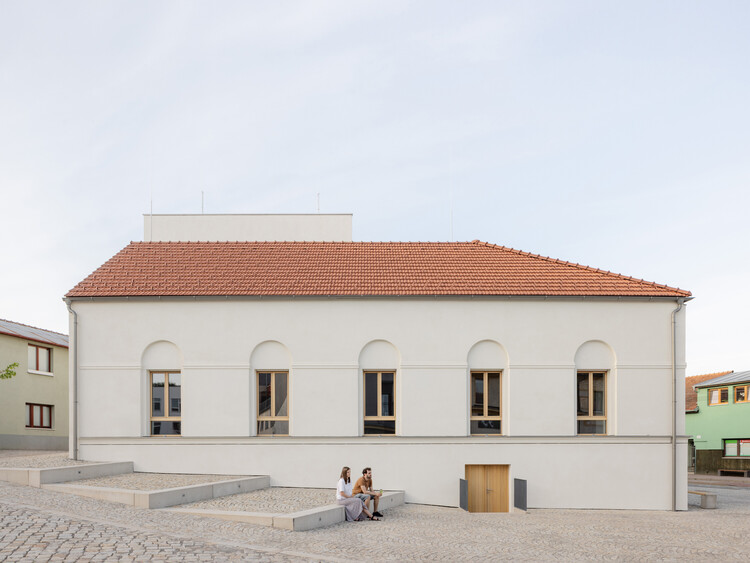
The European Commission and the Fundació Mies van der Rohe have announced the 40 shortlisted works for the 2026 European Union Prize for Contemporary Architecture – Mies van der Rohe Awards, selected from a total of 410 nominations. The shortlist brings together projects from 18 countries and 36 cities, offering an overview of contemporary architectural production across Europe. Among the shortlisted works, France accounts for nine projects, followed by Spain with seven and Denmark with four, with the remaining projects distributed across a wide range of European contexts. The finalists will be announced in February 2026, with the winners revealed in April 2026, ahead of the EUmies Awards Days in May.
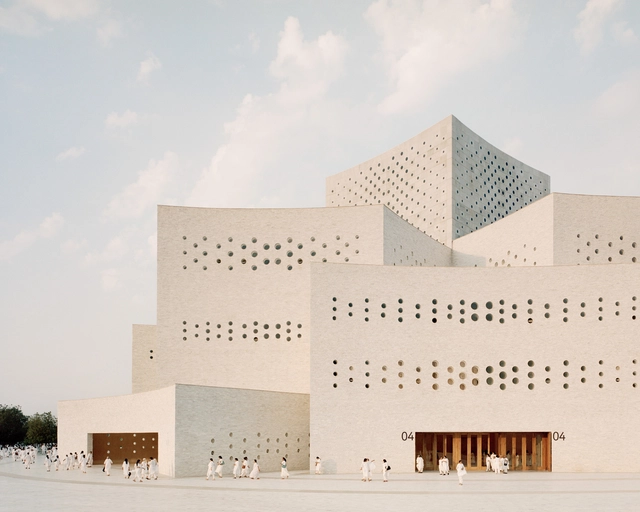
As the year culminates, it's once again time for the ArchDaily team of curators to reflect on the best-performing projects of 2025 and consider what readers were most interested in. Through this diverse overview, we assess the cross-continental similarities and differences in trends and construction development. This year brought us many grand cultural and public spaces by Lina Ghotmeh, BIG, Zaha Hadid Architects, DnA, and Serie Architects, who populated events like Expo Osaka and the Venice Biennale, as well as a surprising number of museums and public or landscape works in China and the rest of the Asian continent. However, while these were sought-after projects, the leading works remained, unsurprisingly, residential projects.
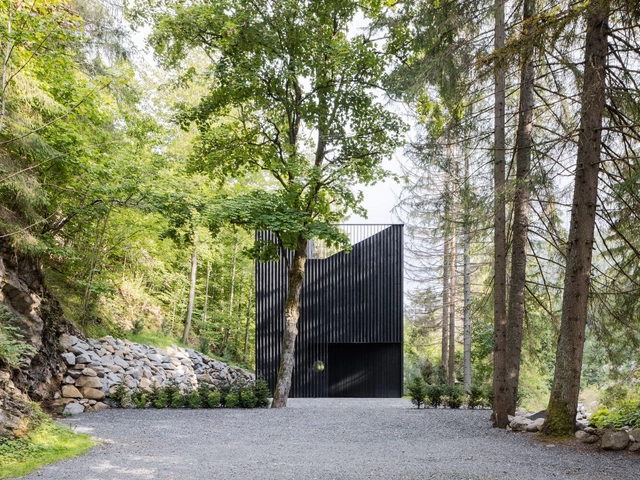
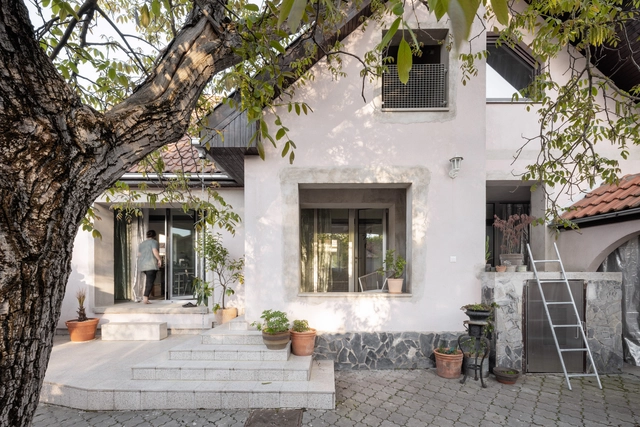
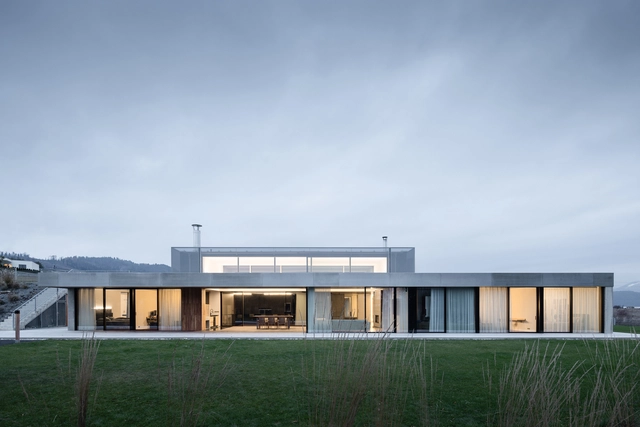
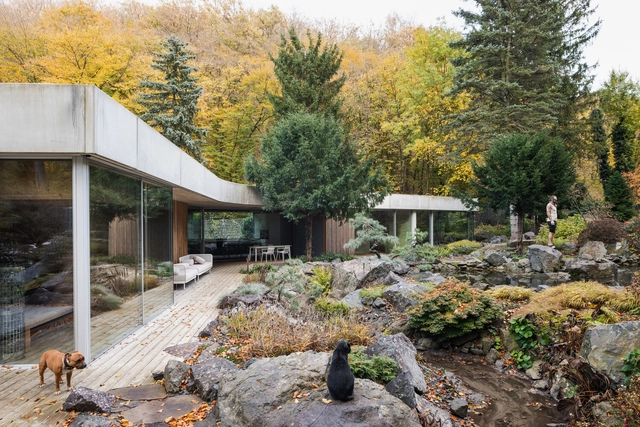
More specifically, the houses that were most viewed on the ArchDaily global site were concrete houses that bore considerable injections of greenery and landscape focus. They propose layouts highlighting voids and double heights, as well as inner courtyards or large openings to the exterior. While some references did suggest traditional or vernacular elements, modernist revivals were still predominant. Material trends are much more tame, with a recurrence of raw concrete use, as wood and stone were common accent elements. Still, the more interesting thing about the works this year is the efforts brought by architects in situating and setting the projects within their surroundings, bringing special attention to landscape and how projects merged with nature.