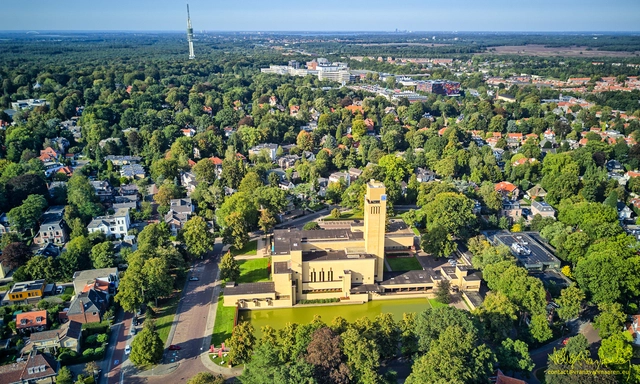
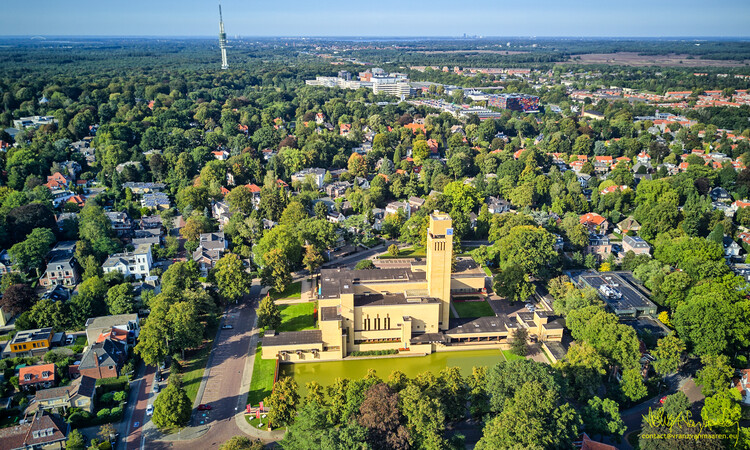
In the Dutch city of Hilversum, a municipal building completed in 1931 redefined the very idea of what a town hall could be. More than a house for local administration, the Hilversum Town Hall became the architectural expression of a community in transformation. With its tower rising above reflective ponds, its brick masses composed around courtyards, and its carefully detailed interiors, the building asserted that civic architecture could unite function with symbolism, efficiency with ceremony.
The architect behind this vision, Willem Marinus Dudok, was not only responsible for individual buildings but for the broader shaping of Hilversum itself. As a city architect and planner, he designed schools, housing districts, and parks, developing a language that fused Dutch craftsmanship with Modernist clarity. The town hall represented the culmination of this trajectory: a civic centerpiece where urban ambition, material refinement, and human scale converged in a single, coherent form.
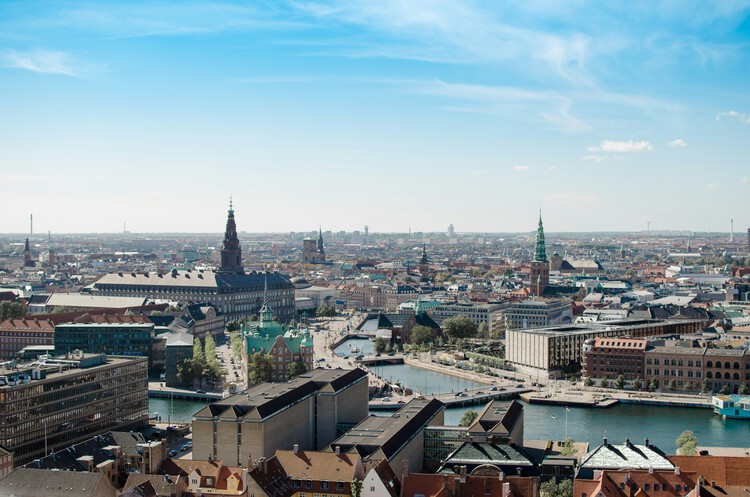
For most architecture enthusiasts, mentions of the city of Copenhagen will prompt images of pedestrian-friendly streets, suspended bike lanes, quaint water canals, and overall happy residents. The capital of Denmark has many accomplishments to boast: over 60 percent of its residents commute to work by bike, it was among the first cities to set up a strategic plan to achieve carbon neutrality, resulting in an 80% decrease since 2009, and it has become one of the most cited study cases for its urban planning and infrastructure. This reputation was officially cemented when UNESCO named Copenhagen the 2023 World Capital of Architecture, recognizing the city's enduring role as a laboratory for innovative contemporary design and people-centered urbanism. This September,the inaugural Copenhagen Architecture Biennial transforms the city into a global platform for dialogue under the theme "Slow Down," exploring how architecture can respond to global pressures by rethinking the pace of change. The occasion is also marked by the launch of ArchDaily's 5th edition of Next Practices Awards, solidifying the city's status as a nexus for contemporary architectural thought.
The role of a school is to prepare children for life. But with life-changing faster than ever, schools need to change just as quickly. Recent additions to school curriculums reflect the complexities of modern life, with environmental crises, societal injustices, and the dangers of social media now major parts of the syllabus.
Although it’s often said that long-term change begins at ground-level, change is never easy, wherever it starts. For example, a curriculum that responds to environmental issues is said to cause growing instances of eco-anxiety in children, one of a number of causes of another crisis, in children’s mental health.
As part of our yearly tradition, we have asked our readers who should win the 2022 Pritzker Prize, the most important award in the field of architecture.
Amsterdam is one of the most beautiful cities in Europe. Its origins lie in the 12th century when fishermen living along the banks of the River Amstel built a bridge across the waterway near the IJ, then a large saltwater inlet. Most of the city’s territory is below sea level and therefore it lies on land that has been reclaimed from the water.
Amsterdam is all about practical urban planning, amazing cycling infrastructure, tulip-lined canal bridges, and old merchant houses that tilt at impossible angles. I visited Amsterdam again last year and discovered some new places.
Architectural photography has developed into its own art form, and it might be as important as the built work itself. We consume architecture not only physically and spatially in a building but also through photographs. A good image reportage work can give the viewer a feeling of the atmosphere, senses, and design intentions the project may spark, without actually being in the place. Photography is also a way of documenting the project's process, the use of materials, lighting, and architectural elements, and as a result, tell a complete story behind a building.
To celebrate World Photography Day, we've gathered a list of 25 architectural photographers from around the world who are worth knowing - and following on Instagram. These emerging photographers have been selected for their ability to capture architecture each in their own unique ways. Get to know them!
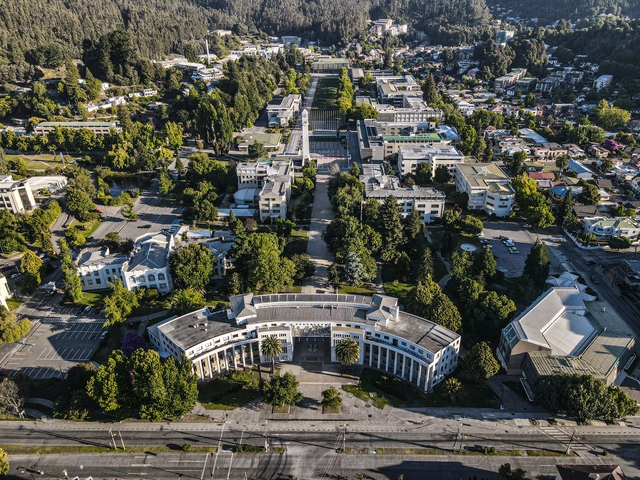
The Unidad Vecinal Providencia (Providencia Neighborhood Unit) is one of the many residential complexes generated in Chile as a result of a housing and urban development public policy promoted through the CORVI (Housing Corporation) between 1953 and 1973.
Commissioned by the Caja de Empleados Particulares (Private Employees Fund) to be built on a site where previously the National Children's House was based, the Unidad Vecinal Providencia was designed as a complex capable of becoming an urban piece, promoting spatial integration and social cohesion in Santiago.
We know you're an architecture aficionado and that your passion takes you places that inspire and awe. Even though a visit to the classic tourist sites can result in an amazing trip, visiting lesser-known places can make for an unforgettable experience. It is because of this passion for parts unknown that we have compiled this list of some of Latin America's hidden architecture gems for you to consider as you plan your next trip.
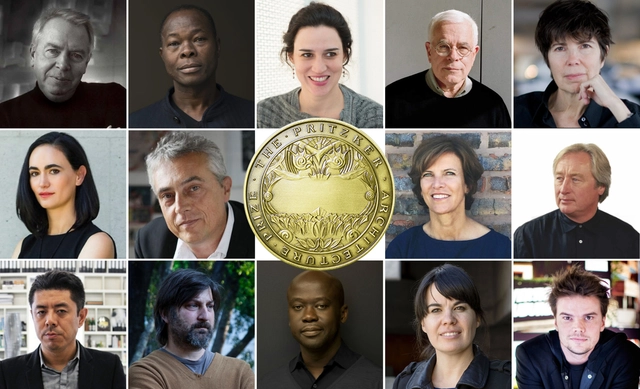
Some of the potential winners of Pritzker Prize 2020, according to our readers in 2019 poll.. Image
Since the winner(s) of the Pritzker Prize 2020 will be announced this Tuesday, March 3, we have asked our readers who should win the most important award in the field of architecture.
Translucent facades are light glazing panels used on the exterior of buildings, protecting the structure from weather damage, dampness, and erosion. Its composition of polycarbonate microcells creates a soft, naturally diffused light with a wide range of possible colors, brightnesses, and opacities.
By fixing these panels in place with concealed joints, it’s possible to hide unsightly building elements and assist in protecting users from harmful UV rays, while also ensuring maximum thermal conduction. Individuals who use them will notice a reduction in energy bills because they use the sun’s natural light to heat and illuminate buildings, creating very attractive indoor environmental conditions for different uses.
In many parts of the world, more women have architectural degrees than men. However, this fact hasn’t translated past university into the working world as women continue to be underrepresented across nearly all levels of practice.
The conversation regarding women in architecture gained tremendous traction back in 2013 with the petition for Denise Scott Brown to be recognized as the 1991 Pritzker Prize winner, alongside her husband and the consequent rejection of that request by Pritzker. The Architectural Review and Architect's Journal have, since 2015, jointly presented awards to the exceptional female practitioners as part of their Women in Architecture Awards program. The swelling of these movements have helped to promote not only the role but also the recognition of women in architecture.