


-
Architects: Cobe
- Area: 10000 m²
- Year: 2017
-
Manufacturers: &Tradition, Anker & Co, Ideal Work, Randi, Skandinaviska Glassystem, +1
-
Professionals: Balslev and Wessberg, COBE, NRE Denmark
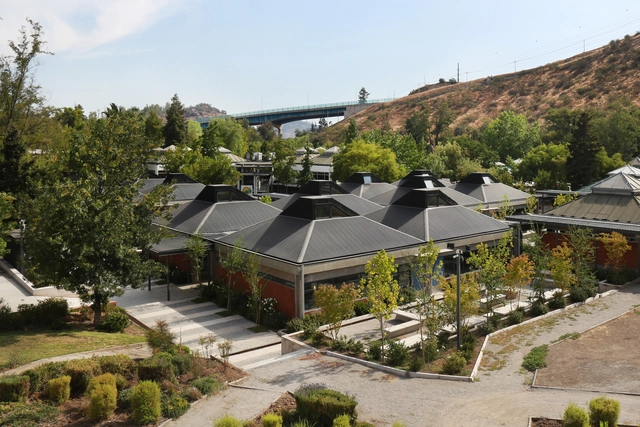


We know you're an architecture aficionado and that your passion takes you places that inspire and awe. Even though a visit to the classic tourist sites can result in an amazing trip, visiting lesser-known places can make for an unforgettable experience. It is because of this passion for parts unknown that we have compiled this list of some of Latin America's hidden architecture gems for you to consider as you plan your next trip.
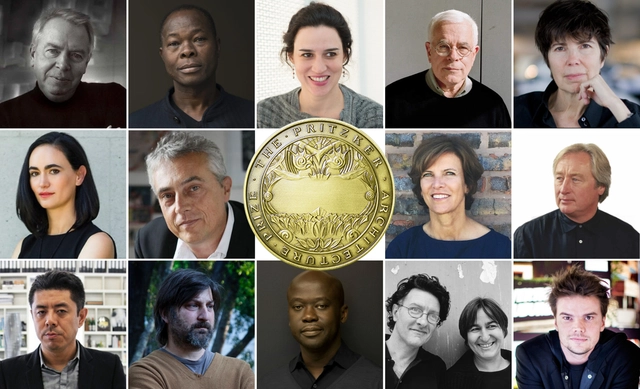
Since the winner(s) of the Pritzker Prize 2020 will be announced this Tuesday, March 3, we have asked our readers who should win the most important award in the field of architecture.
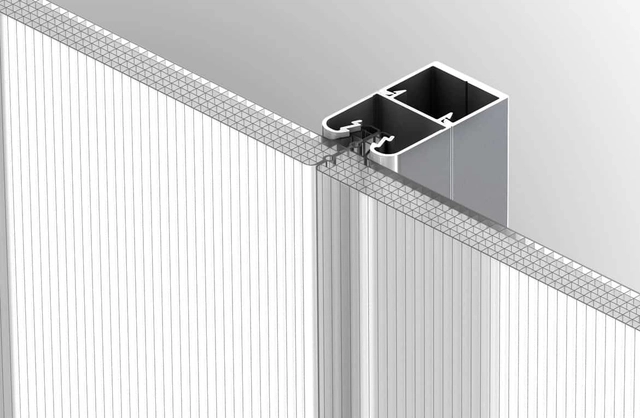
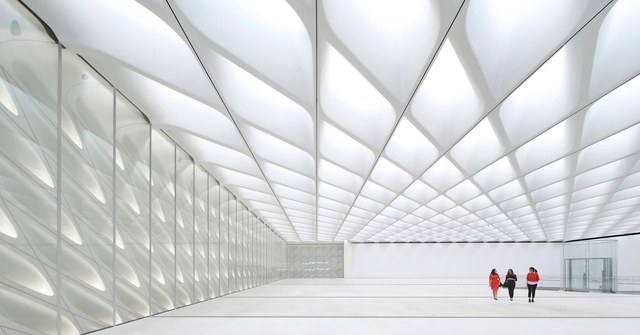
Translucent facades are light glazing panels used on the exterior of buildings, protecting the structure from weather damage, dampness, and erosion. Its composition of polycarbonate microcells creates a soft, naturally diffused light with a wide range of possible colors, brightnesses, and opacities.
By fixing these panels in place with concealed joints, it’s possible to hide unsightly building elements and assist in protecting users from harmful UV rays, while also ensuring maximum thermal conduction. Individuals who use them will notice a reduction in energy bills because they use the sun’s natural light to heat and illuminate buildings, creating very attractive indoor environmental conditions for different uses.
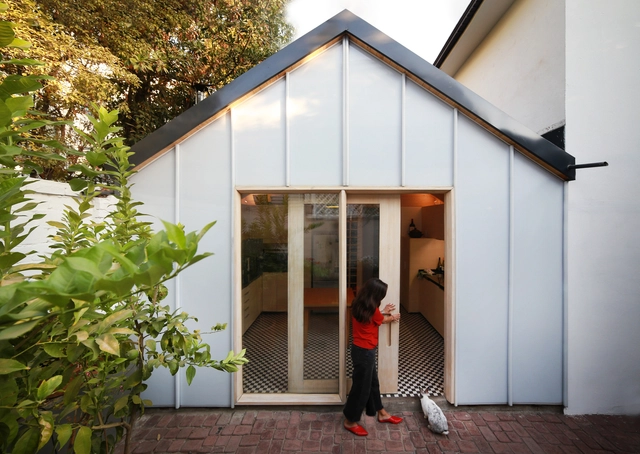
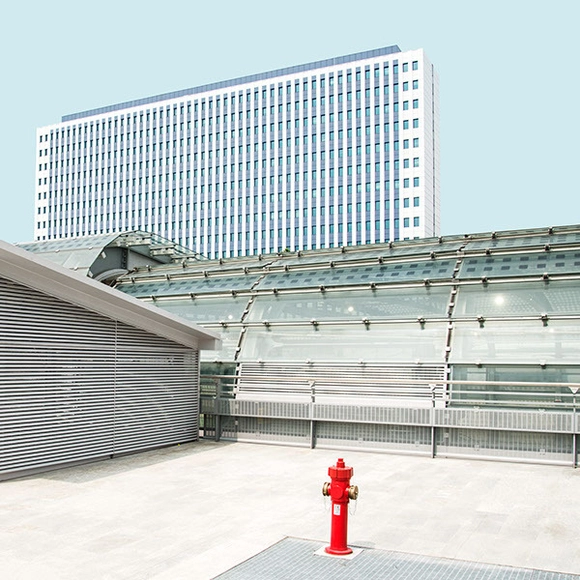
In many parts of the world, more women have architectural degrees than men. However, this fact hasn’t translated past university into the working world as women continue to be underrepresented across nearly all levels of practice.
The conversation regarding women in architecture gained tremendous traction back in 2013 with the petition for Denise Scott Brown to be recognized as the 1991 Pritzker Prize winner, alongside her husband and the consequent rejection of that request by Pritzker. The Architectural Review and Architect's Journal have, since 2015, jointly presented awards to the exceptional female practitioners as part of their Women in Architecture Awards program. The swelling of these movements have helped to promote not only the role but also the recognition of women in architecture.
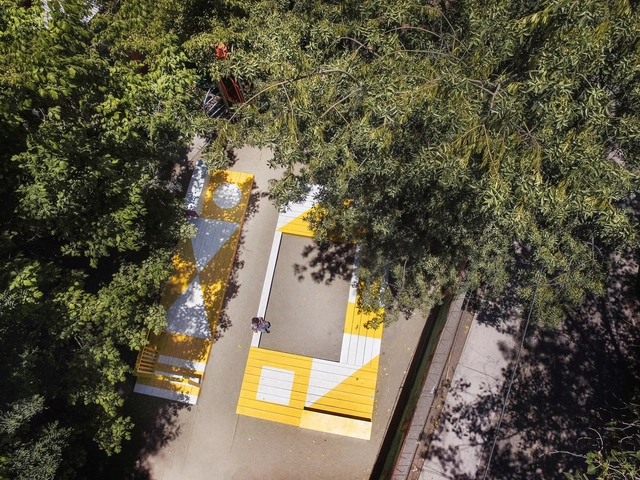
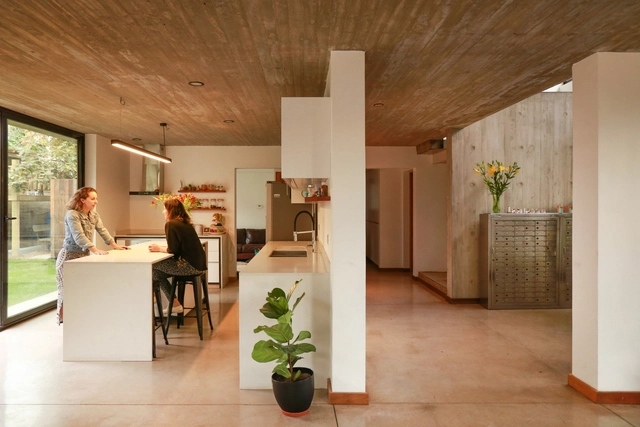
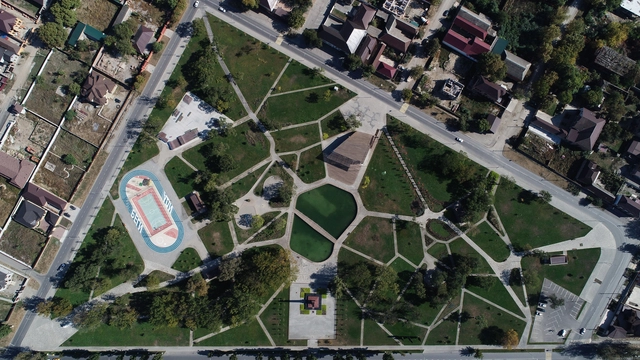
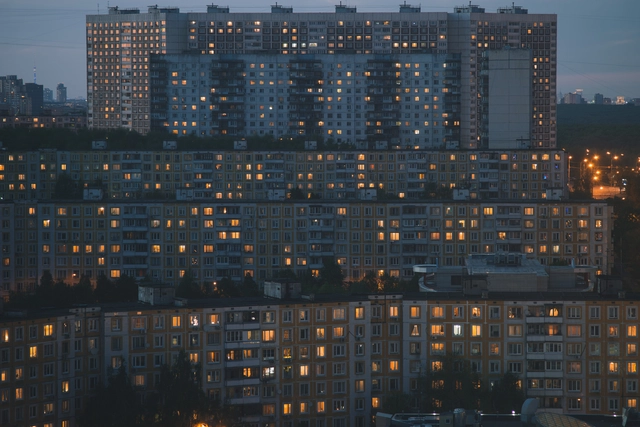
Since the end of World War II, Russia’s cities have grown in a Modern Soviet style. This prolonged use and application of the principles of architecture’s modern movement heavily affected the country’s development and urban expansion. But now, the new generations of architecture professionals are seeking to make a change.
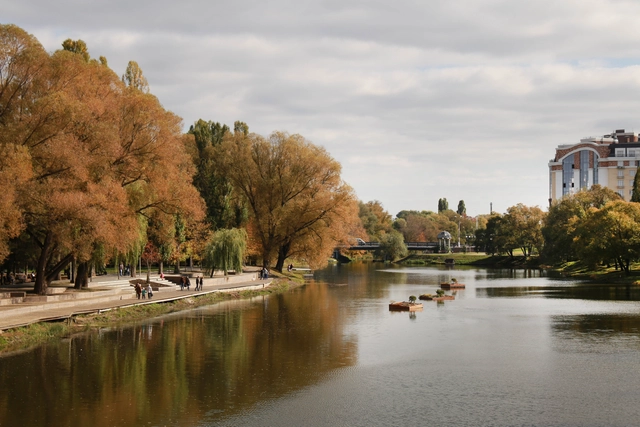

During our past trips to Russia - in cities such as Moscow, Kaliningrad, Belgorod and even Grozny, the capital of the Chechen Republic - we documented the subtle pastel exteriors found in several cities around the world’s largest country. From neoclassical, to modernist and brutalist buildings, to public spaces and urban intra-structures such as metros, bridges and squares, pastel colors stand out as an essential, cohesive part of Russian identity. See a small selection of pastel-colored urban images below.

It is so refreshing to hear the words: “We do everything differently. We think differently. We are still not a part of any system or any group.” In the following excerpt of my recent conversation with Liz Diller and Ric Scofidio at their busy New York studio we discussed conventions that so many architects accept and embrace, and how to tear them apart in order to reinvent architecture yet again. In New York the founding partners of Diller, Scofidio + Renfro have shown us exactly that with their popular High Line park, original redevelopment of the Lincoln Center, sculpture-like Columbia University Medical Center in Washington Heights, and The Shed with its movable “turtle shell” that’s taking shape in the Hudson Yards to address the evolving needs of artists because what art will look like in the future is an open question.
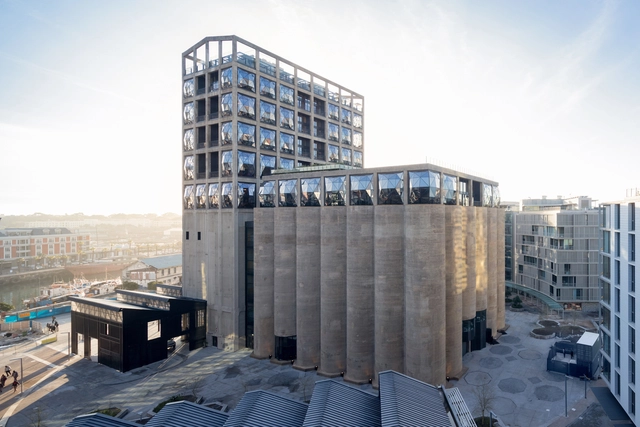
Time Magazine’s list of the World’s Greatest Places 2018 celebrates 100 destinations to visit, stay, eat, and drink from around the world. Chosen by Time’s global team of editors and correspondents, the contenders have been evaluated on quality, originality, innovation, sustainability, and influence.
The list features many architectural delights young and old, designed by famous architects past and present. Ranging from a treehouse in Sweden to a soaring art museum in South Africa, the projects are united by their architectural excellence, worthy of exploration by both architects and the general public.
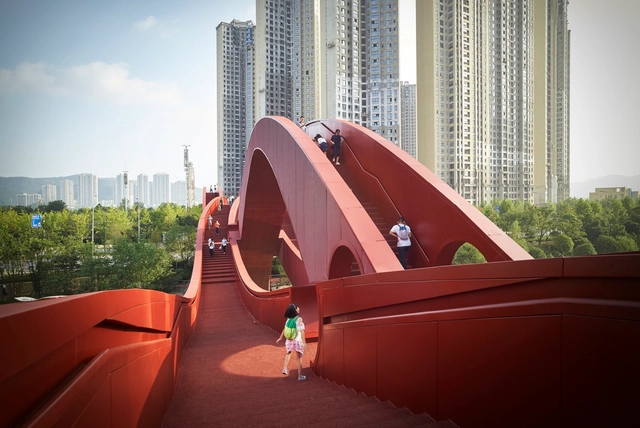
This week, colorful projects are here to steal the show. Few architects have dared to use color in their works, however, when done so the results can be incredible. Here is a selection of 15 images from prominent photographers such as Gregori Civera, Julien Lanoo and Subliminal Image that show us the huge potential of color.


.jpg?1530466848&format=webp&width=230&height=230&crop=true)


