


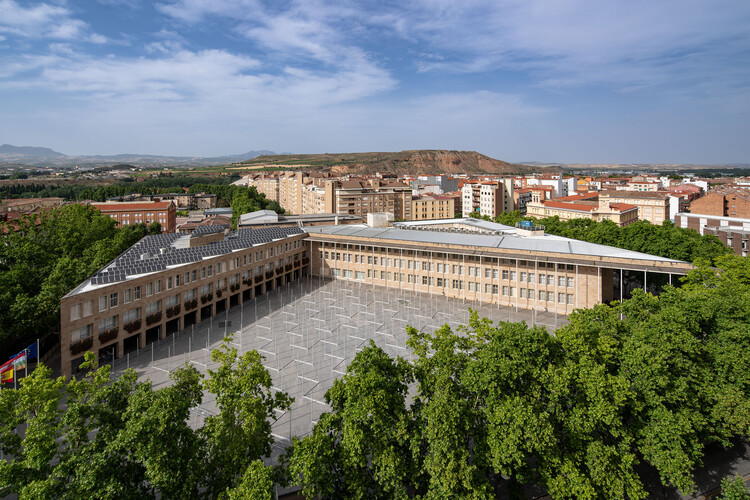
Beyond the Canopy: Six Architectural Strategies for Urban Shade

As cities around the world brace for extreme temperatures and waves of unrelenting heat, urban greening is one of the best solutions for leaders to combat this reality. The benefits of planting trees for physical health, mental well-being, and thermal relief are well documented, and a mature canopy can transform a space by several degrees on a hot day. Trees cool the air through evapotranspiration, filter pollutants and absorb stormwater, and enhance biodiversity in urban spaces.


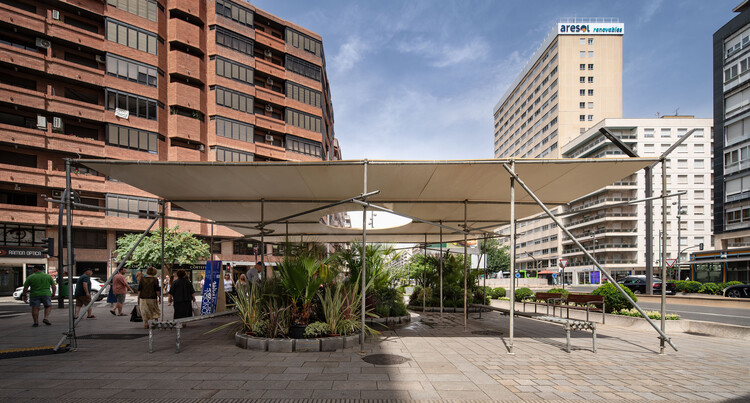
https://www.archdaily.com/1042931/beyond-the-canopy-six-architectural-strategies-for-urban-shadeOlivia Poston
Finnish Sauna / Jairo Rodríguez (Burgos) for Concéntrico 04
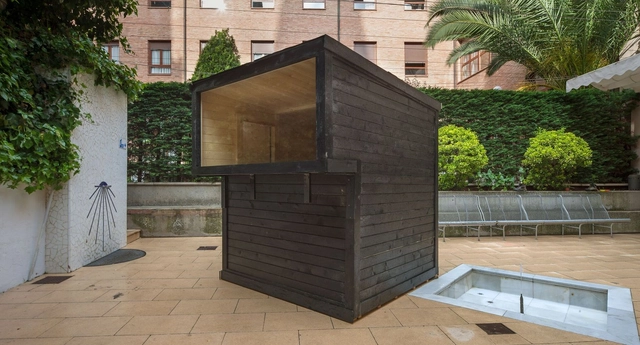
Conéntrico is an International Architecture and Design Festival that proposes to reflect on the city of Logroño (Spain) through the revitalization of undervalued public spaces. Its latest edition, Conéntrico 04, takes place between April 27 and May 1, 2018, in the Historic Center of Logroño. The festival invites visitors to explore the city through installations, exhibitions, meetings, activities, and performances that connect venues, plazas, streets, courtyards, and hidden spaces that usually go unnoticed in daily life. Jairo Rodríguez integrates the greatest number of senses in a sauna in the middle of the courtyard of the Municipal Pilgrims' Hostel.


https://www.archdaily.com/1113730/finnish-sauna-jairo-rodriguez-burgos-for-concentrico-04Javiera Barbosa
Concéntrico 2026 Opens in Logroño with Six Days of Installations, Workshops, and Urban Experimentation

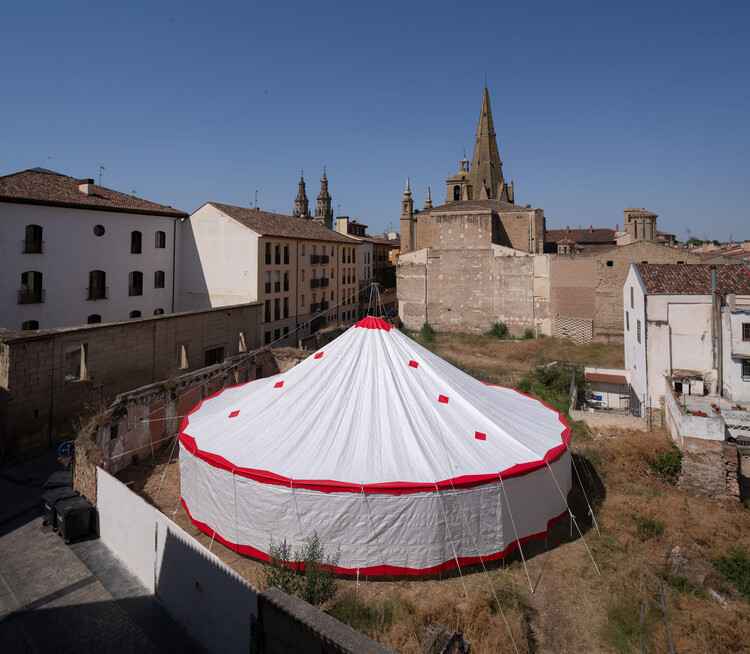
Concéntrico, the large-scale laboratory for architecture, design, and urban experimentation, has officially inaugurated its six-day calendar of activities. The festival is transforming the Spanish city of Logroño from June 18 to 23, 2026, with a series of collective, festive, and performative practices in public space. The program includes 24 installations by international practices and creators, distributed across squares, vacant plots, streets, bridges, and emblematic spaces throughout the city. The urban interventions range from a circus designed by Smiljan Radić to street sound recordings for a vinyl album of the festival by Sounds of Architecture Records, also featuring three winning proposals from its international call for entries.


https://www.archdaily.com/1042539/concentrico-2026-opens-in-logrono-with-six-days-of-installations-workshops-and-urban-experimentationAntonia Piñeiro
Concéntrico Festival 2026 Unveils 24 Urban Installations Across Logroño, Spain

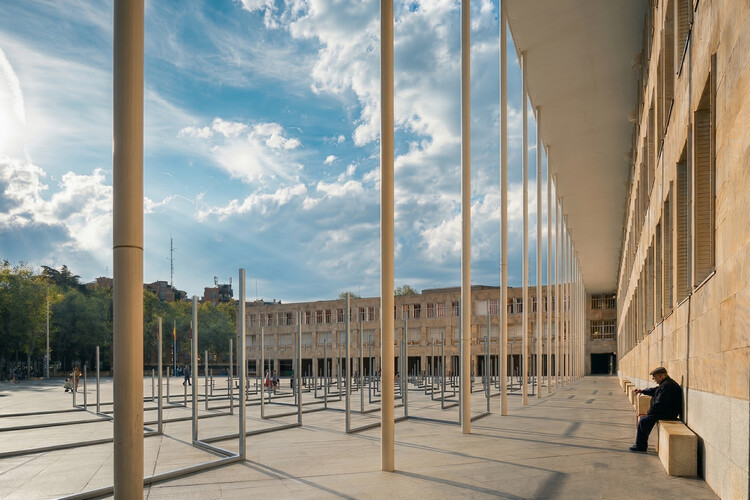
Concéntrico Festival 2026 will take place in Logroño, Spain, from June 18 to 23, transforming the city into a large-scale laboratory for architecture, design, and urban experimentation. Over six days, more than twenty interventions will be distributed across squares, vacant plots, streets, bridges, and emblematic spaces throughout the city, bringing together leading studios, researchers, and creators from the international scene, including Chilean architect Smiljan Radić, the raumlabor collective, Matilde Cassani, AAU Anastas, and Sahra Hersi, among others. This edition introduces a shift towards more collective, festive, and performative practices in public space, with a strong emphasis on sonic experiences and projects linked to accessibility, inclusion, and urban transformation. The programme is structured around three thematic axes: Identity and Fiction, Urban Ecologies, and Ephemeral Agents, ranging from architectures that understand public space as ritual or celebration to experimental approaches exploring materials, sound, and processes of reuse.


https://www.archdaily.com/1041979/concentrico-festival-2026-unveils-24-urban-installations-across-logrono-spainAntonia Piñeiro
The Long Table as a Spatial Protocol: Designing Conditions for Gathering and Pause

A long table can sit almost anywhere and still do the same work. It can stretch beneath a market canopy, run along a school dining hall, or occupy the center of a shared living room, and it immediately changes the room's temperature.
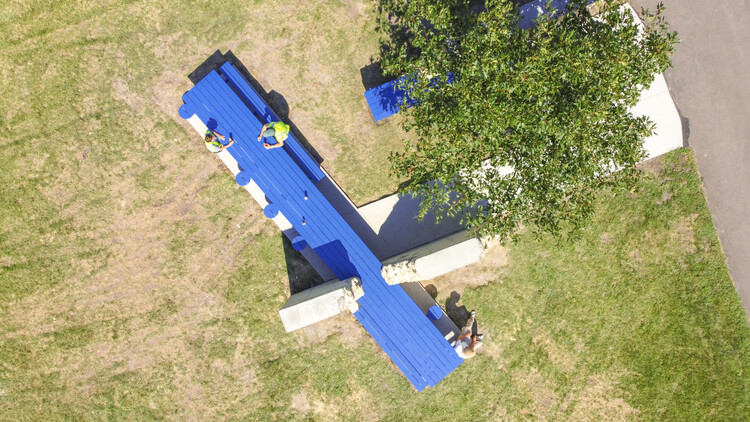
That is why the long table is less an object than a spatial instrument. It does not guarantee a connection, and it rarely looks "inclusive" by default. Instead, it sets conditions: a shared edge, a common rhythm of arrival, a field of mutual visibility, or a rule that turns eating into a scene with others. Food studies describe this practice as commensality, the act of eating together and the social order it can create, reinforce, or contest. But what matters here is not a specific dimension or the table's function, but the way a long surface holds difference, conversation, and silence; intimacy and distance; the decision to join and the right to hesitate.


https://www.archdaily.com/1037477/the-long-table-as-a-spatial-protocol-designing-conditions-for-gathering-and-pauseDiogo Borges Ferreira
Beyond Universal Models: The Turn Toward Situated Architecture

Specificity has re-emerged as a central language in architectural discourse. In an increasingly globalized field, where projects often follow familiar models regardless of context, architects are now turning toward approaches rooted in the particularities of each site. This renewed attention to context reflects broader social, climatic, and political pressures: cities are facing extreme heat, ecological challenges, shifting demographics, and new forms of collective life that demand responses grounded in their immediate conditions.
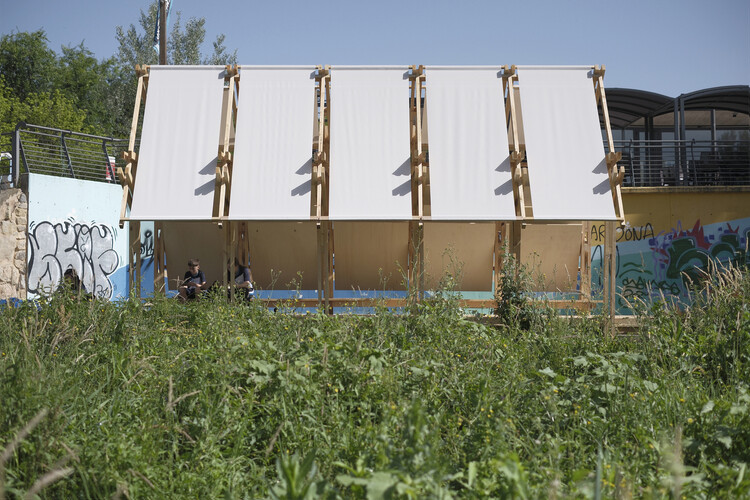
Situated architecture describes this shift. It refers to design approaches in which form, program, and materiality emerge from the specific environment that produces them: its microclimates, cultural structures, and everyday rituals. Rather than beginning with universal templates, these practices start with observation, prototyping, and direct engagement with local dynamics. This logic is visible in the climatic and material experiments of TAKK in Spain, such as Portable Garden and 10k House, which operate as lightweight prototypes tuned to thermal and ecological gradients; in Studio Ossidiana's Art Pavilion M, shaped by layered soils and ecological cycles in the Netherlands; in Izaskun Chinchilla's reinterpretations of vernacular objects and her later experiments with 100 Sillas and 3 Salones Urbanos; in the narrative-driven domestic spaces explored by Common Accounts; and in Raumlabor's urban interventions that respond directly to the specificities of post-industrial Berlin.


https://www.archdaily.com/1036611/beyond-universal-models-the-turn-toward-situated-architectureDaniela Andino
Beyond Private Dining: Exploring the Communal Table as Public Space Infrastructure
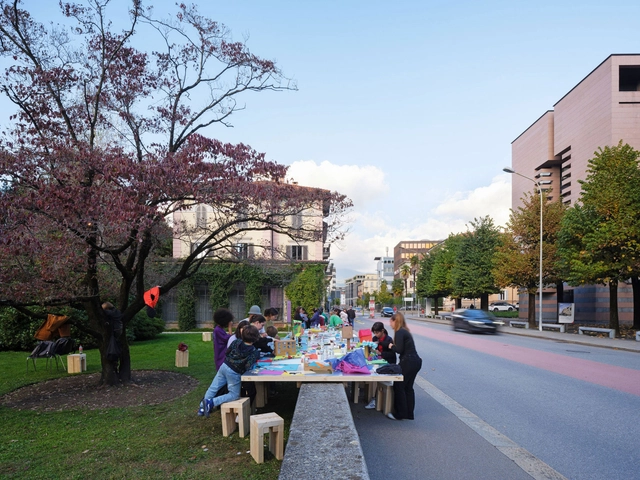
The habit of sitting at the table and sharing a specific moment with other people has been present for centuries in the most diverse cultures. The Greek Symposium, Roman Convivium, Medieval Feasts and Banquets, and Parisian Salons are just a few examples of how this custom was historically built and has been relevant in social and political negotiations, intellectual discussions, and philosophical debates.
Commensality often serves as a ritual for bonding, negotiation, and celebrating important events. In many Spanish-speaking cultures, the stretch of time after the meal when the entire family stays seated and talks is so present that there is a word for it: sobremesa — literally translated as "upon the table" (though in Spanish it more accurately means "dessert" or "after-meal conversation"). But, despite often being associated with sharing a meal, the table can be considered a flexible platform open to many possibilities for appropriation and interaction.


https://www.archdaily.com/1034907/beyond-private-dining-exploring-the-communal-table-as-public-space-infrastructureSusanna Moreira
The City as a Laboratory of Processes: A Decade of Urban Experimentation with Concéntrico
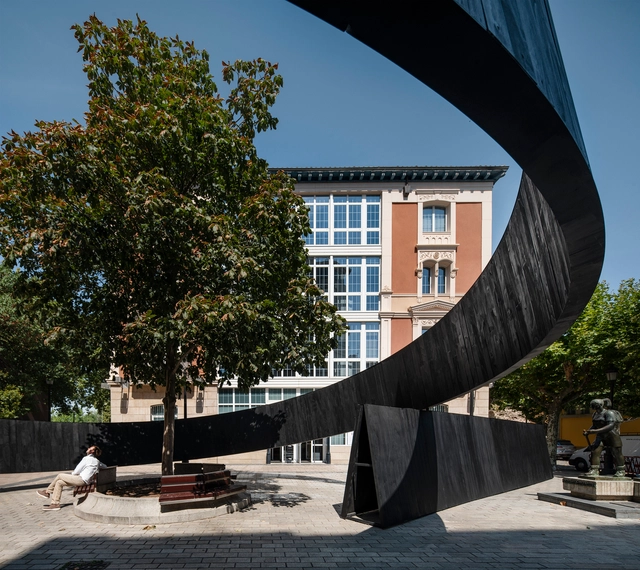
As cities continue to develop, we are seeing ever more well-planned, thoroughly executed, and tightly regulated approaches to shaping urban centres and their surrounding spaces—for better and for worse. As codes, restrictions, and guidelines improve and tighten, urban environments become safer, more balanced, and less prone to surprise. Yet the flip side is that highly managed districts can drift toward over-order and sanitisation, shedding the messy, accretive character that once produced alleyways, residual spaces, and unexpected sequences of movement—conditions often born from ongoing community improvisation in the grey zones of regulation.
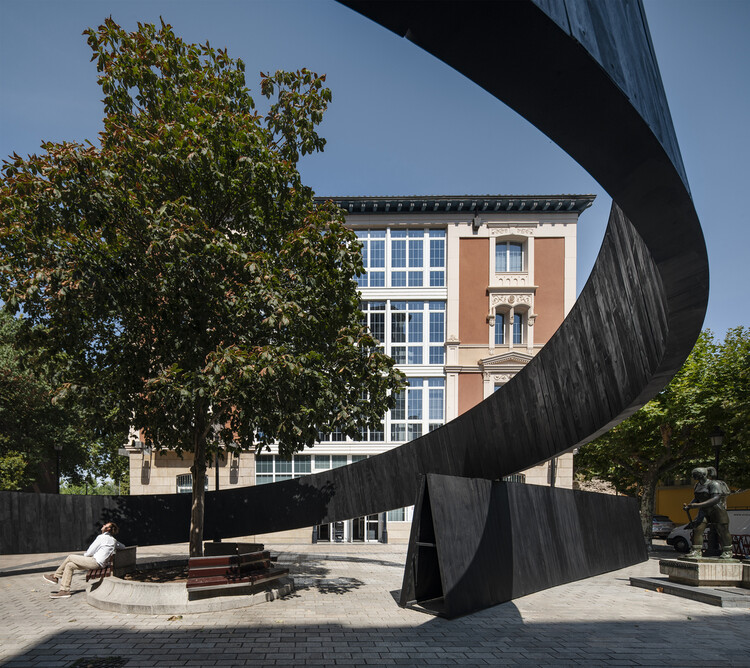
In response, a growing number of initiatives around the world are proposing short-term urban installations that test alternate futures for the city. These works aim to provoke dialogue between what the city is and what it could offer its communities through thoughtful, context-specific spatial practices. One notable example is Concéntrico, the international festival in Logroño, Spain, conceived as an urban innovation laboratory. Marking its tenth edition, the festival is about to publish Concéntrico: Urban Innovation Laboratory, a book that surveys a decade of urban design and collective transformation shaped through successive editions of the festival. Its launch is paired with an international tour designed to share a decade of insights on collective transformation and design.


https://www.archdaily.com/1033891/the-city-as-a-laboratory-of-proceses-a-decade-of-urban-experimentation-with-concentricoJonathan Yeung
International Youth Day: Three Educational Initiatives for Community-Led Urban Change
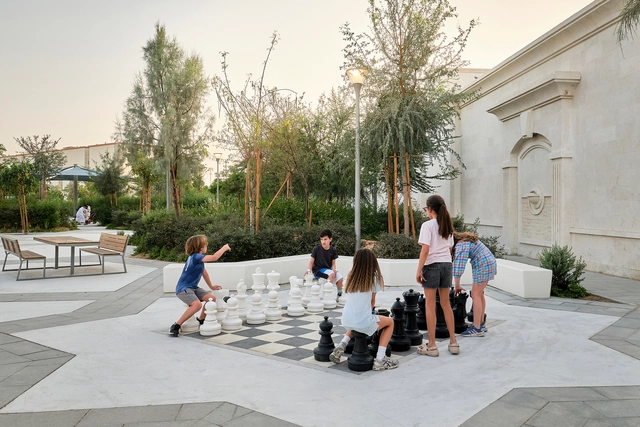
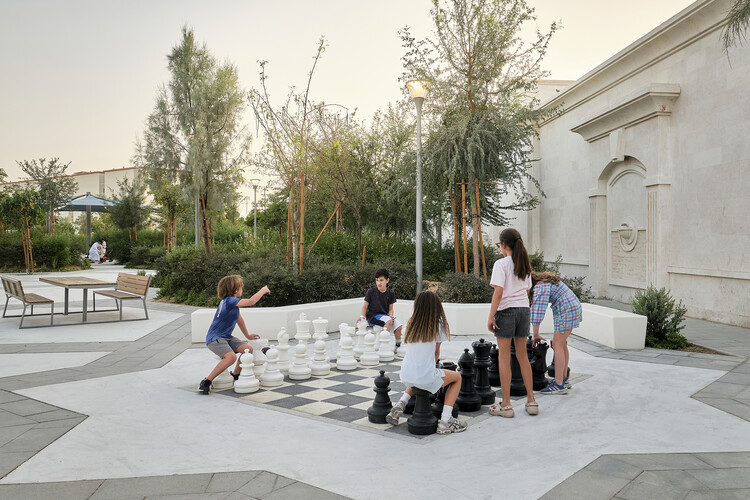
August 12, designated by the United Nations as International Youth Day since 1998, was conceived as an occasion to bring youth issues to the forefront of the international agenda and to celebrate the contributions of young people to today's global society. Each year, the observance focuses on a specific theme. In 2025, it is "Local Youth Actions for the SDGs and Beyond," emphasizing the role of youth in transforming global ambitions into community-driven realities. The aim is to highlight how young people help implement the Sustainable Development Goals (SDGs) within local contexts and bridge the gap between policy and practice. In this spirit, we present three educational programs, in Romania, the United Kingdom, and the United States, that empower youth to deepen their understanding of the built environment and envision a more sustainable, people-friendly urban future.


https://www.archdaily.com/1033012/international-youth-day-three-educational-initiatives-for-community-led-urban-changeAntonia Piñeiro
Europe 40under40 Reveals the 2024–2025 Selection of Young Architects and Designers
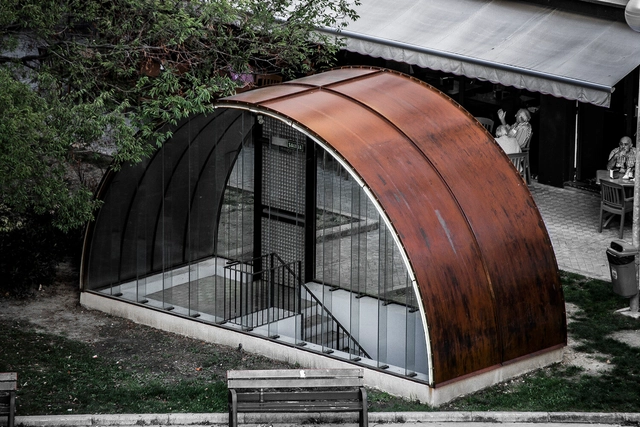
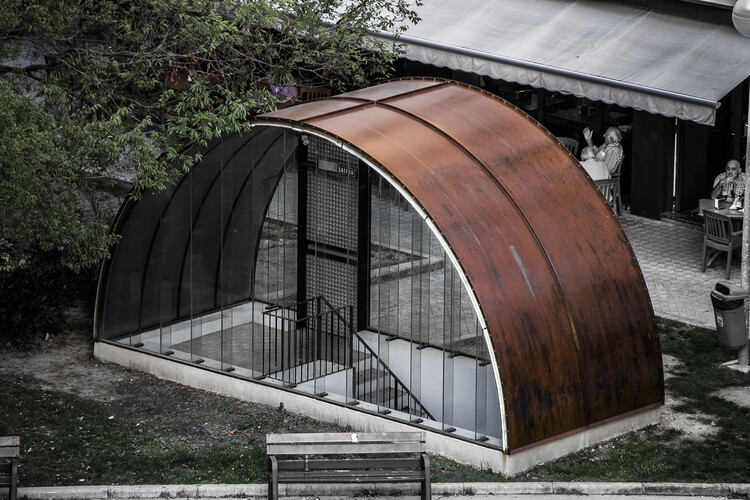
The 2024–2025 edition of the Europe 40under40 Awards has announced its selected architects and designers, recognizing emerging professionals under the age of 40 working across Europe. Organized by The European Centre for Architecture Art Design and Urban Studies and The Chicago Athenaeum, the program highlights a range of built and conceptual work that reflects contemporary approaches to architecture and design. This year's selection brings together young architects and designers from Cyprus, France, Greece, Italy, Norway, Poland, Portugal, Spain, Sweden, Switzerland, and Turkiye, offering a wide-ranging perspective on Europe's contemporary architectural discourse.
The selection was made by a jury composed of Melike Altınışık, Hans-Petter Bjørnådal, Eleni-Stefania Kalapoda, and Adrian Yap, who evaluated submissions from a range of scales and typologies. The winning projects will be presented in the exhibition "40 Young European Architects with New Visions," opening on December 5th, 2025, at The European Centre, Contemporary Space Athens. A special yearbook publication by Metropolitan Arts Press will also document the selected works, making them accessible to international audiences. Submissions are now open for the 2025–2026 edition, with a deadline of December 15, 2025.


https://www.archdaily.com/1032506/europe-40under40-reveals-the-2024-2025-selection-of-young-architects-and-designersReyyan Dogan
Concéntrico 2025: The Politics of Urban Presence
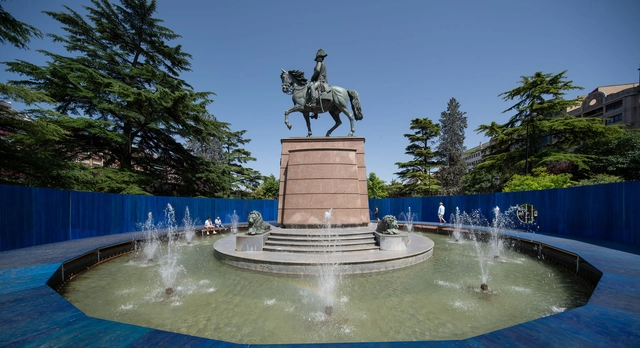
Every June, the Spanish city of Logroño transforms into a space of architectural dialogue, opening its streets, plazas, riverbanks, and traffic islands to temporary structures that redefine how cities are inhabited. For ten editions, Concéntrico has worked not as a specialized fair or an architecture biennale, but as a portable museum — a curatorial gesture that brings a dispersed collection of contemporary architecture into public space. Set in a city suspended between arid plains and distant mountains, far from the circuits of capital cities and cultural institutions, Concéntrico presents itself as a temporary promise. It's a reminder that even cities that are often overlooked can host architecture that is current, diverse, and speculative. In this sense, the festival is less about celebration and more about activation.
But beyond its curatorial logic, Concéntrico operates as a political structure. In the ancient sense of polis, it invites citizens, architects, and institutions to reassess what public space can be. The interventions offer speculative proposals for urban life that reveal what is missing, what is possible, and what should be questioned. A temporary pool over a fountain, a bathhouse in a roundabout, or a shared meal on a major avenue are not just spatial gestures — they are political statements, asking how urban infrastructure might be redirected from control to care, from efficiency to encounter. In that way, the festival becomes not just a reflection of the city, but an instrument for its transformation.


https://www.archdaily.com/1031401/concentrico-2025-the-politics-of-urban-presenceDiogo Borges Ferreira
Pavilions in Urban Spaces: On the Experimentation, Recycling, and Reuse of Materials
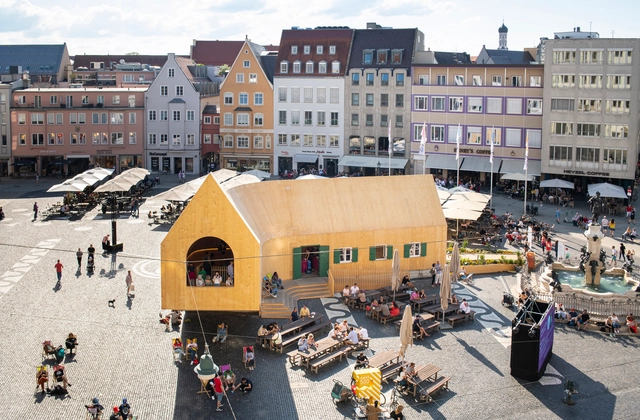
How do pavilions emerge in architecture? What role do they play in urban spaces? Beyond the multiple interpretations that exist around the world, the pavilion, as an architectural principle and typology, tends toward extroversion, often associated with a centrifugal nature and visual openness toward the horizon, which is linked to its origins as a tent offering shelter from the elements. Pavilions are usually identified as isolated and independent structures that can promote lateral openings in the urban space, panoramic or introspective views, technological reflections, and material experiments that are recognizable from the outside or once inside.


https://www.archdaily.com/1021424/pavilions-in-urban-spaces-on-the-experimentation-recycling-and-reuse-of-materialsAgustina Iñiguez
Unveiling the 15 Most Significant Architectural Events of 2025
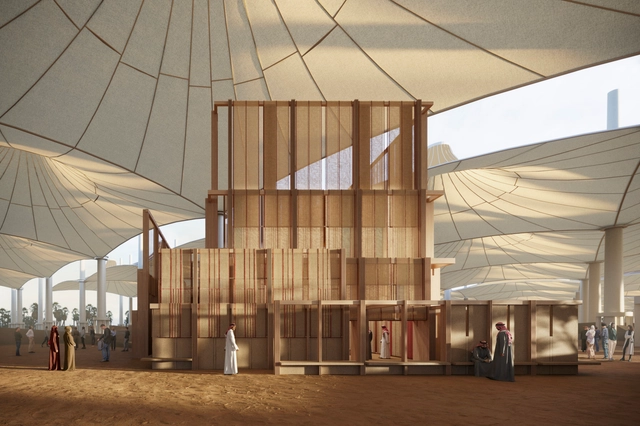
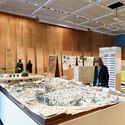
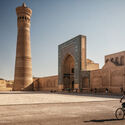
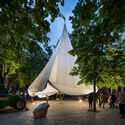
2025 promises to be a landmark in architecture, heralding a vibrant renaissance of creativity and exploration. As societies confront challenges such as climate change, rapid urbanization, and technological evolution, architecture is both a mirror to these dynamics and a compass pointing toward a sustainable and inclusive future. This year's architectural calendar offers abundant opportunities to celebrate the discipline's transformative power — from boundary-pushing festivals to thought-provoking exhibitions that explore pressing cultural and environmental narratives.
From well-established biennials to inaugural gatherings, including the World Architecture Festival 2025, Desert X Al Ula, and the COP Climate Conference, the 2025 calendar highlights themes such as sustainability, heritage, and community. These events underscore architecture's unique ability to shape a better future, addressing global challenges while honoring cultural diversity and design ingenuity.


https://www.archdaily.com/1025820/unveiling-the-15-most-significant-architectural-events-of-2025Diogo Borges Ferreira
Concéntrico 10 Demonstrates How to Create Playful Engagement and Welcome Diverse Perspectives
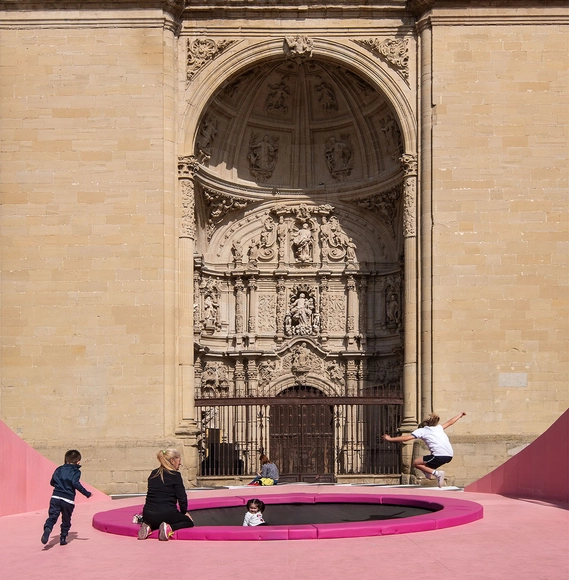
Architecture and Design Festival Concéntrico celebrates its 10th anniversary from 25 April to 1 May 2024 with an edition that aims to reflect on the impact of the annual festival upon the city of Logroño, Spain, as well as to consider how the city continues to evolve. Through installations, exhibitions, lectures, performances, workshops, and activities, Concéntrico proposes a reflection of the urban environment, welcoming architects and designers to intervene and challenge it while opening conversations about pressing matters.
While the official theme of the festival focused on the future of cities, the invited architects and designers took this suggestion further. Several overarching themes and subjects emerged during this year’s event, from the incorporation of concepts of time, an unusual element to be tacked through temporary installations, to the desire to engage more honestly with a wider public, to listen to their needs and create platforms where diverse perspectives can take center stage.


https://www.archdaily.com/1016422/concentrico-10-demonstrates-how-to-create-playful-engagement-and-welcome-diverse-perspectivesMaria-Cristina Florian
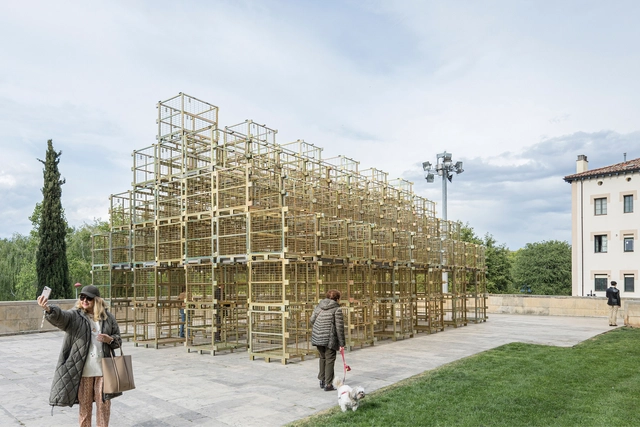
Off-Season Pavilion / KOSMOS Architects


-
Architects: KOSMOS Architects
- Area: 90 m²
- Year: 2024
https://www.archdaily.com/1016144/off-season-pavilion-kosmos-architektur-and-designPaula Pintos
Concéntrico 10 Opens with 20 Urban Installations to Explore in the Spanish City of Logroño
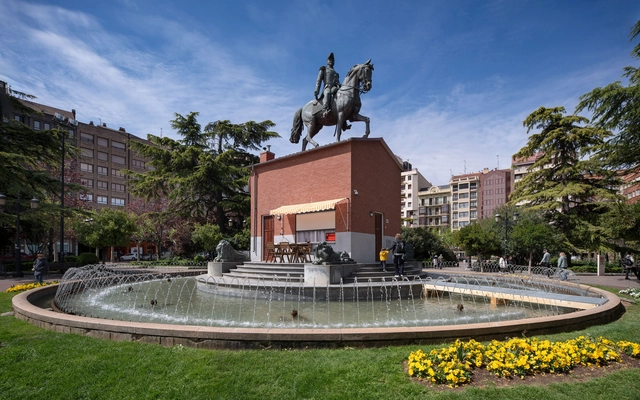
From April 25 to May 1, 2024, Logroño hosts the tenth edition of Concéntrico, a celebration of urban innovation and transformation. This year, the festival explores the future of cities, incorporating new formats, engaging diverse audiences, and tackling urban challenges through the lens of time as a catalyst for change in design. Featuring 20 interventions and activities involving over 100 professionals from 17 countries, the program encompasses processes such as renaturalizing public spaces, reimagining urban structures, and integrating recycled materials from previous editions.
Additionally, collaborations with educational centers ensure a lasting impact beyond the festival, fostering new collective practices in public spaces. Special projects such as "The street in 10 years" or initiatives involving students and pupils from local schools and educational centers further enrich the festival's engagement with communities across Spain.


https://www.archdaily.com/1014753/concentrico-10-reveals-the-complete-list-of-upcoming-urban-installations-and-programMaria-Cristina Florian
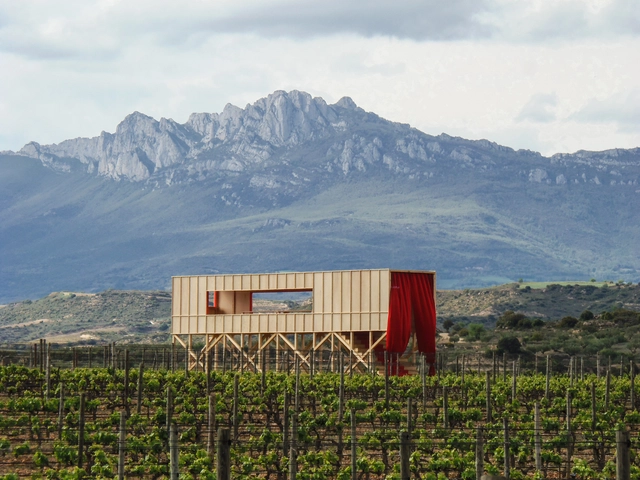
A Table Elevated in the Landscape / J-AF Architecture + González Serrano Studio+


-
Architects: González Serrano Studio+, J-AF Architecture
- Area: 323 ft²
- Year: 2023
-
Manufacturers: Garnica Plywood
https://www.archdaily.com/1013304/a-table-elevated-in-the-landscape-j-af-architecture-plus-gonzalez-serrano-studio-plusPilar Caballero