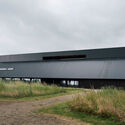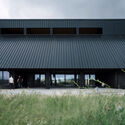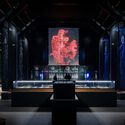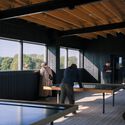
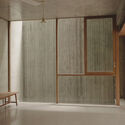

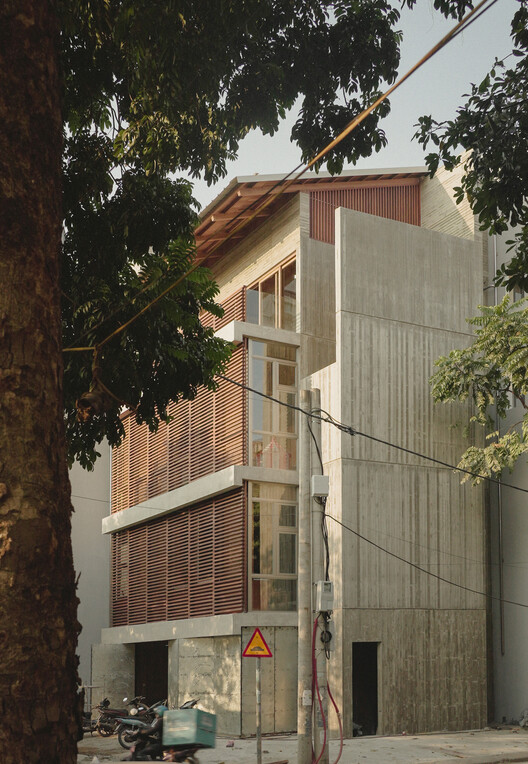
-
Architects: HGAA, Jieun Jun, Taewon Park, naïve practice
- Area: 320 m²
- Year: 2025
-
Manufacturers: Artsteel, GiaLong







Agustina Iñiguez's journey into architecture was rooted in a deep appreciation for art, drawing, and craftsmanship, interests that naturally evolved into a formal architectural education beginning at age 18. Based in Buenos Aires, Agustina balances her professional architectural practice with an active role in academia, serving as a teaching assistant at the University of Buenos Aires and as an assistant professor at Torcuato Di Tella University. Since joining ArchDaily's Editorial Team in 2021, she has brought a thoughtful and interdisciplinary approach to curating content that bridges theory, practice, and social engagement.

When Hudson Yards opened in Manhattan in 2019, it promised a new urban neighborhood built from scratch. 16 towers with 4,000 residential units were erected in hopes of creating a strong community. Despite its lavish amenities and lofty public plazas, a peculiar emptiness persisted. The development felt anonymous, speaking to a fundamental truth about human social capacity.

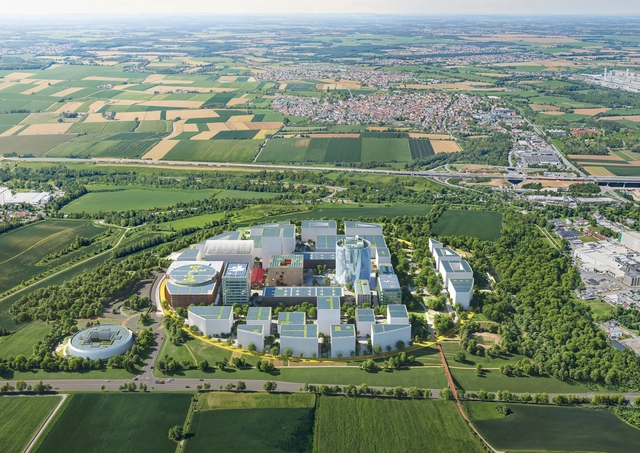
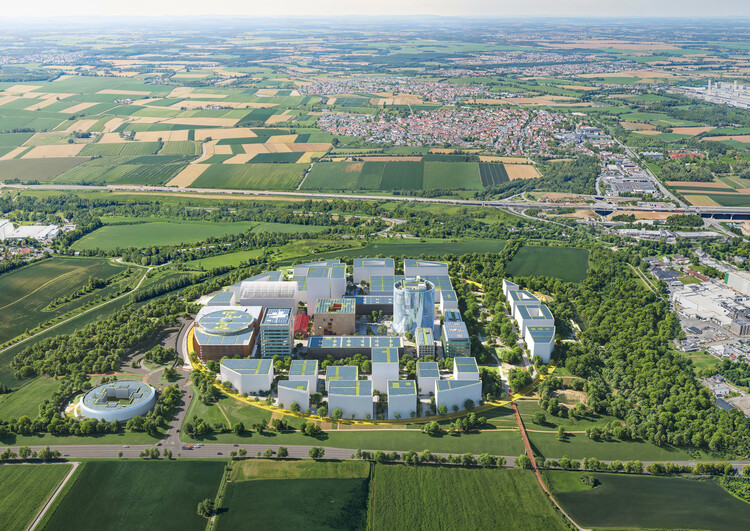
Construction began on the Innovation Park Artificial Intelligence (IPAI) Campus in Heilbronn, Germany, designed by the Dutch architectural firm MVRDV. Developed by the IPAI Konsortium, which includes the State of Baden-Württemberg, the Dieter Schwarz Foundation, Schwarz Gruppe, and the City of Heilbronn, the 30-hectare campus is envisioned as an international hub for over 5,000 professionals advancing innovative and responsible AI solutions. Centered on principles of openness, collaboration, and sustainability, the project aims to integrate workplaces, public spaces, and research facilities, establishing a setting where technology and human interaction coexist.
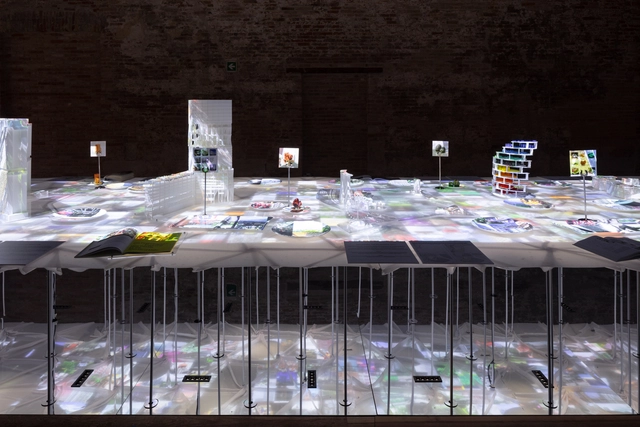
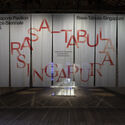
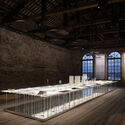
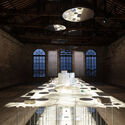
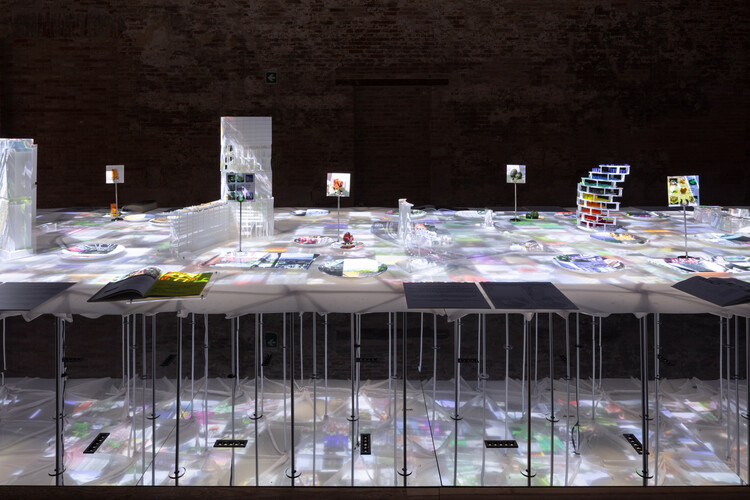
2025 marks the 60th anniversary of Singapore's independence, commemorating its separation from Malaysia on August 9, 1965. The occasion is celebrated in the country's national pavilion at the 19th Venice Architecture Biennale with a multisensory installation that honors Singapore's diversity and reimagines city-making through food, culture, and collective design. Titled RASA–TABULA–SINGAPURA, the installation invites visitors to take a seat at the Table of Superdiversity: an enticing reimagining of city-making and nation-building through the universal act of dining. According to the curatorial team from the Singapore University of Technology and Design (SUTD), the purpose of the installation is to showcase how the convergence of multicultural differences, collective histories, design, and new technology creates opportunities for more inclusive and adaptive urban futures.
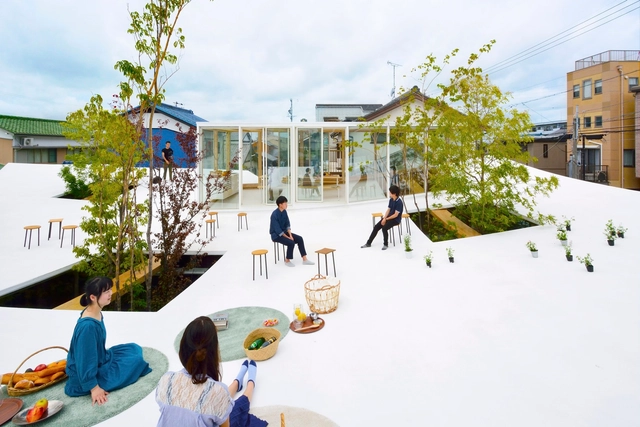
Historically, architecture and the built environment have insisted on creating flat, hard surfaces. In earlier eras, walking without paved ground meant mud-caked shoes, uneven footing, tripping hazards, standing water after rain, and high maintenance. Hence, as we shaped cities, we prioritized a smooth, continuous, solid horizontal datum. The benefits are real: easier walking, simpler cleaning, and straightforward programming—furniture, equipment, and partitions all prefer a level base. This universal preference for building on flat ground remains the norm and, for many practical reasons, will likely continue to be.
What's less recognized is that making a truly flat surface is surprisingly difficult—and many well-executed "flat" floors aren't perfectly flat at all. They are often gently sloped, calibrated to precise gradients for drainage. While interior spaces do not always require this, many ground floors and wet areas do incorporate subtle inclines as a safeguard—whether for minor flooding or to manage water that overflows from the street or plumbing when one of the discharge systems is malfunctioning.

SCI-Arc alumni continue to make an indelible mark on the global design landscape, pioneering new approaches in architecture, technology, and interdisciplinary practices. With a reputation for fostering radical experimentation, the school has produced graduates whose work challenges conventions and redefines spatial possibilities. Recent alumni achievements underscore SCI-Arc's role in shaping the next generation of architects and creative thinkers.