September 16 | Sponsored Content
AI tools for architects - House Plan Generator This guide covers a workflow that moves from project parameters to generated floor plans, 3D perspective views, exterior design exploration, and site context visualization, using AI tools in place of preliminary CAD and rendering work.
https://www.archdaily.comhttps://www.archdaily.com/catalog/us/products/39065/how-to-develop-a-residential-design-concept-ideal-house
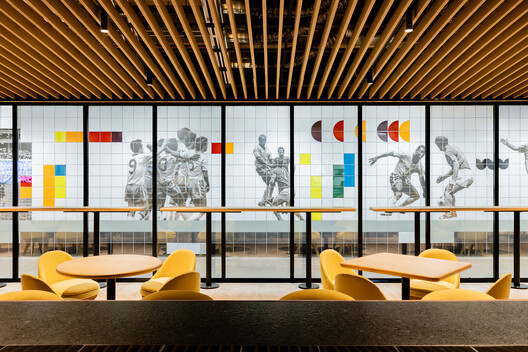
https://www.archdaily.com/1042354/rushi-hai-life-market-odd Andreas Luco
https://www.archdaily.com/1042292/af-project Cristina Popescu
https://www.archdaily.com/1055477/ge-apartment-balzar-arquitectos Valentina Díaz
https://www.archdaily.com/1055931/flumen-house-mutant-architecture-and-design Susanna Moreira
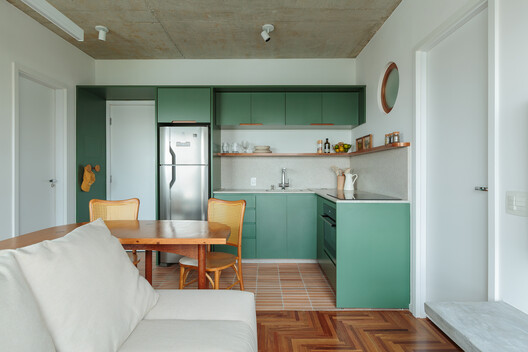
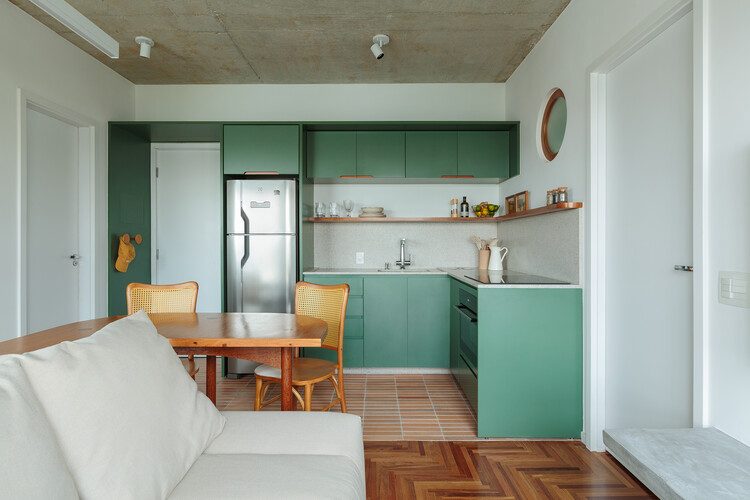
https://www.archdaily.com/1055268/capote-apartment-mina-estudio Susanna Moreira
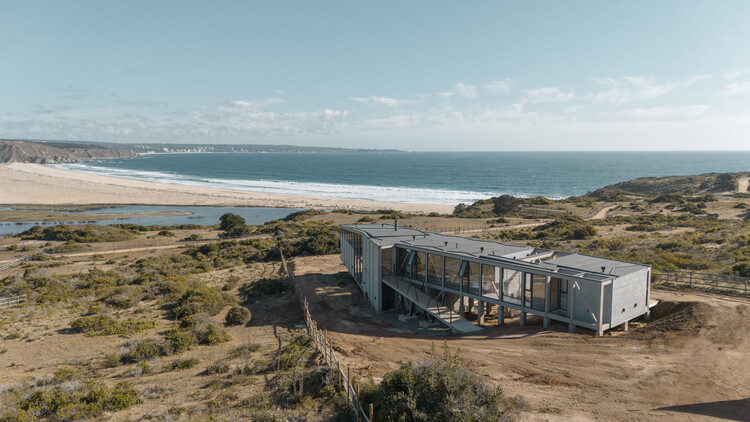
https://www.archdaily.com/1055862/dm-tunquen-house-loft-7 Valentina Díaz
https://www.archdaily.com/1042218/casa-china-jorgelina-tortorici-and-asociados Valentina Díaz
https://www.archdaily.com/1055484/gabion-house-ar-arquitectos Valentina Díaz
https://www.archdaily.com/1055859/sm-house-almacen-de-arquitectura Valentina Díaz
https://www.archdaily.com/1042120/sendero-villas-loop-design-studio Valentina Díaz
https://www.archdaily.com/1055229/siena-house-estudio-cidade Susanna Moreira
https://www.archdaily.com/1055850/plan-de-barrancas-house-ppaa Valentina Díaz
https://www.archdaily.com/1042150/ch-project-abaton Valentina Díaz
https://www.archdaily.com/1055860/yoga-bonito-norenaarquitectos Valentina Díaz
https://www.archdaily.com/1054977/jam-house-gon-architects Valentina Díaz
https://www.archdaily.com/1042611/boavista-housing-a43-lda Susanna Moreira
https://www.archdaily.com/1055068/immersive-landscape-plug Valentina Díaz
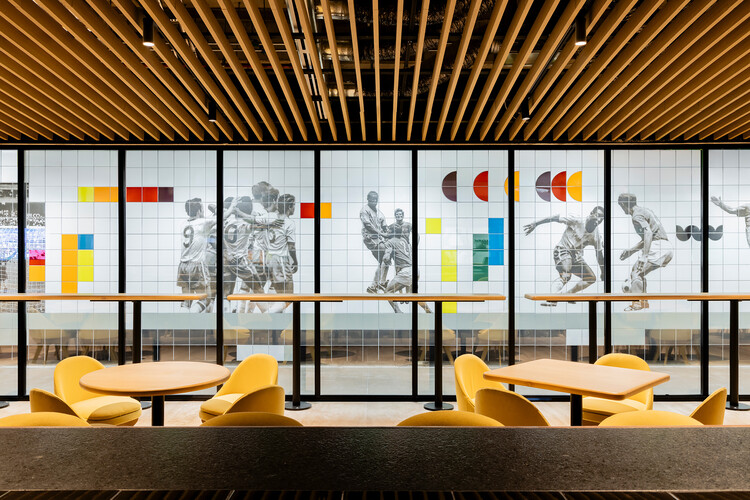
https://www.archdaily.com/1092305/mexico-city-stadium-interior-remodeling-and-hospitality-spaces-cuaik-cds-plus-luis-huerta-plus-estudio-ignacio-urquiza-ana-paula-de-alba-plus-caam-arquitectos-plus-clasicos-mexicanos Valentina Díaz
Discover more
Did you know? You'll now receive updates based on what you follow! Personalize your stream and start following your favorite authors, offices and users.