


-
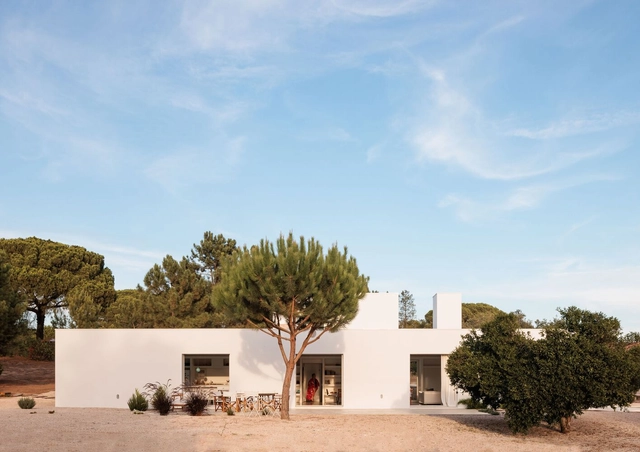
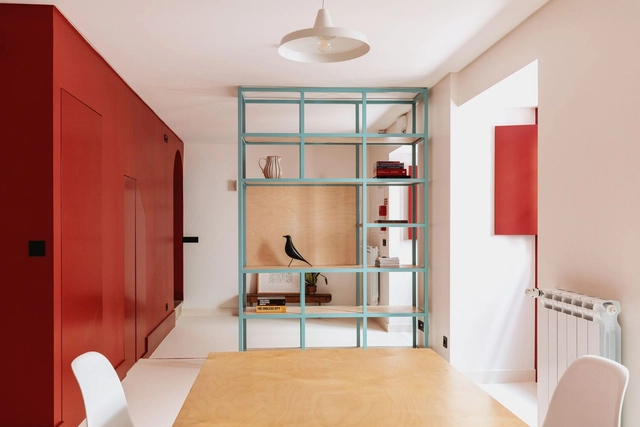
Architects: Atelier tho.A
- Area: 500 m²
- Year: 2021


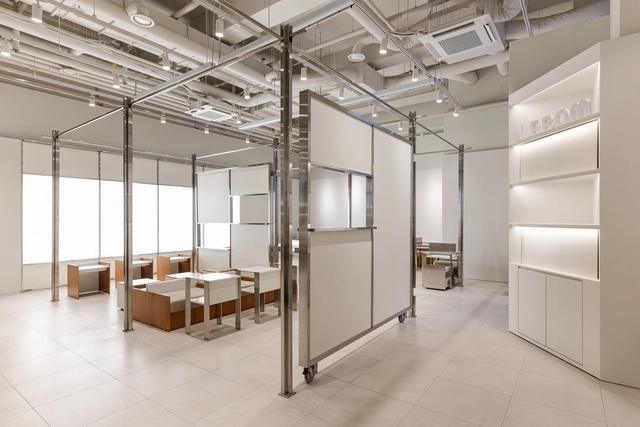
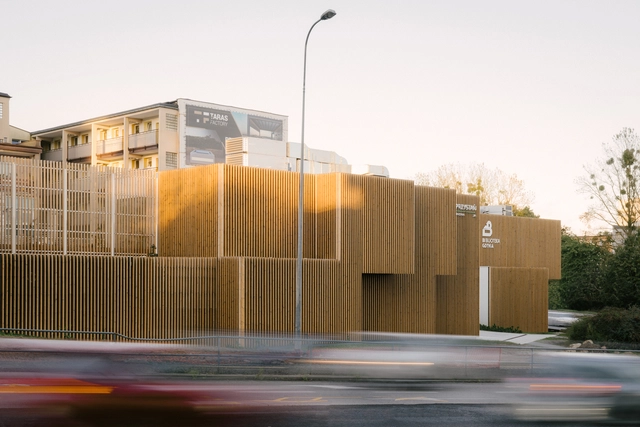
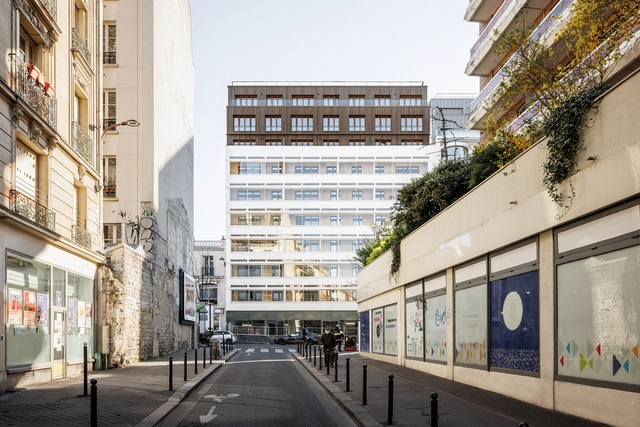

When designing a space—whether at the scale of interiors, architecture, or infrastructure—materiality is a central concern. Beyond aesthetics, materials determine how a project functions, ages, and endures. Some architects—such as Wang Shu and Kengo Kuma—have built their practices on a deep sensitivity to the potential and limits of materials. But even in the most pragmatic sense, the question arises: What lasts? What doesn't? And how do materials change over time? Naturally, materials shape atmosphere and appearance—qualities that often matter most to clients. Yet increasingly, the discourse around materiality has shifted from structural substance to surface treatment. When did we start focusing more on "decorating" our spaces by layering one material over another, rather than relying on the inherent beauty and performance of the building fabric itself?

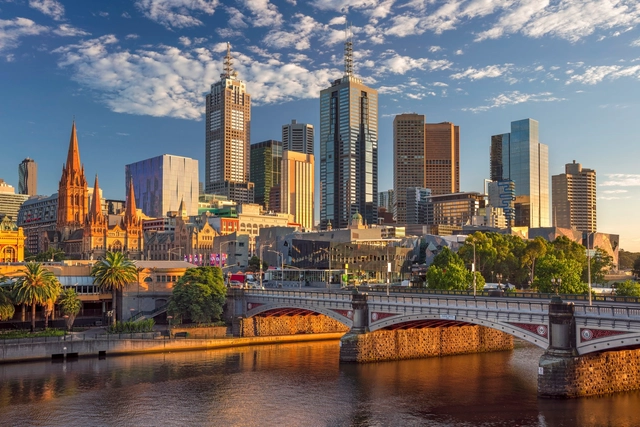
For the third year in a row, Melbourne has been selected as one of the top five most liveable cities in the world. The city is widely viewed as the leading architectural hub in Australia for its unique street culture and diverse design expression, with its layers and bold mix of architectural styles. From the very well-restored Victorian era edifices with their intricate ornamentation and detailing to the adjoining Contemporary landmarks, the city seems to achieve a nice balance of all typologies and design movements, while still being very inviting and engaging to its citizens.
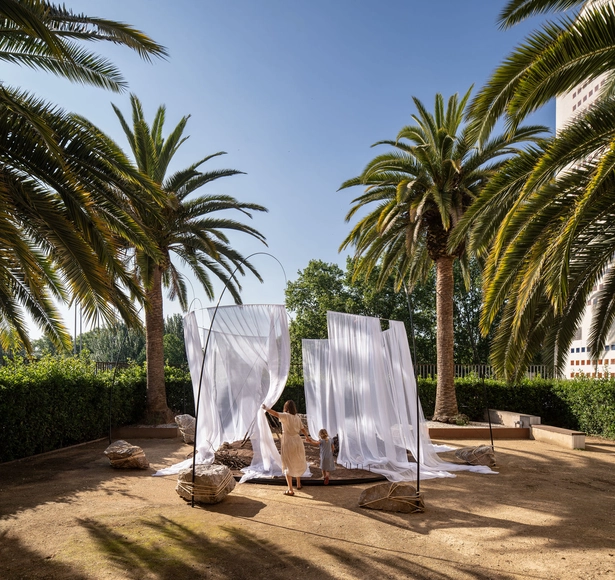
The 11th edition of Concéntrico, the International Festival of Architecture and Design, is currently taking place in Logroño, Spain, from June 19 to 24, 2025. This year's edition broadens the scope of the festival with a multifaceted programme that includes not only temporary installations but also permanent projects, exhibitions, educational initiatives, and traveling events. Through 24 urban interventions, Concéntrico 2025 explores themes such as material reuse and circular design, food as a collective practice, the recovery of water-related spaces, the activation of urban voids, and interspecies connections in the urban context, while emphasizing the need to imagine new ways of inhabiting the city, placing care, sustainability, empathy, and active listening at the core of public architecture.
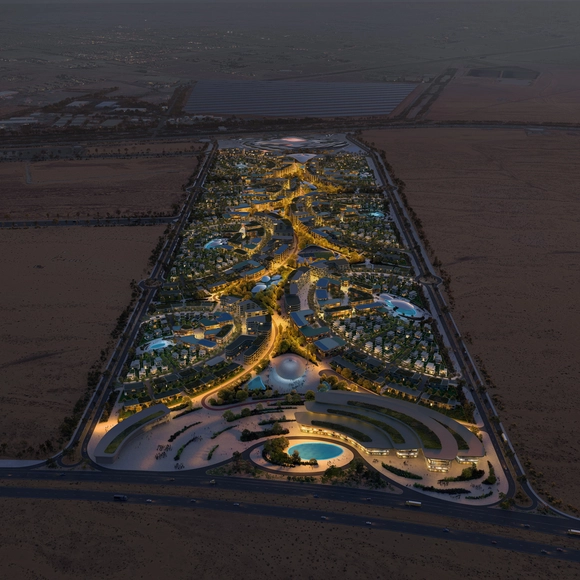
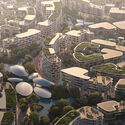
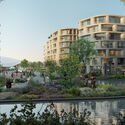
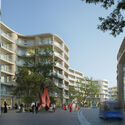
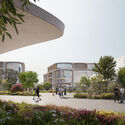
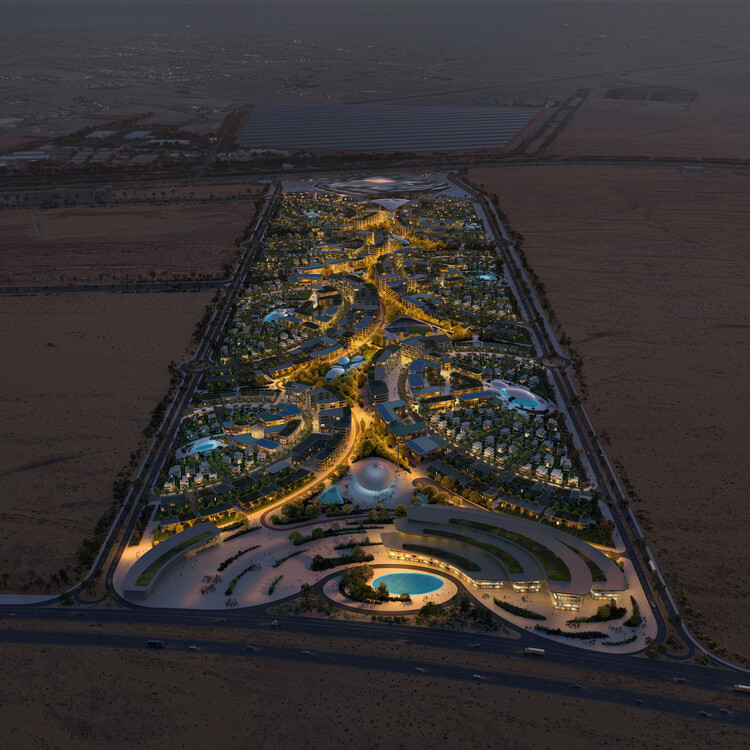
Zaha Hadid Architects (ZHA) has unveiled images of a master plan for Khalid Bin Sultan City in Sharjah, United Arab Emirates. Located adjacent to its BEEAH Headquarters, the development draws inspiration from that building's design, incorporating fluid architectural forms reminiscent of wind-swept desert dunes. Planned as a design and business district, the new urban area will consist of seven residential neighbourhoods connected by shaded walkways and anchored by a two-kilometre-long central oasis.
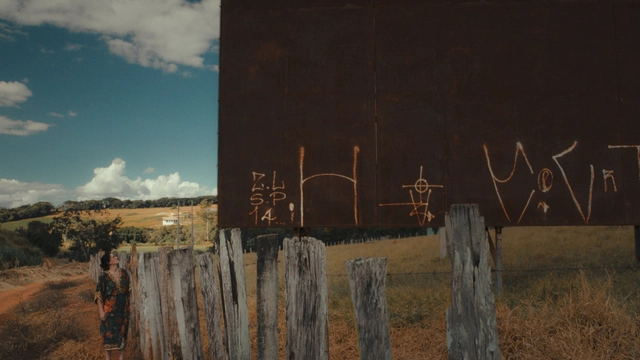
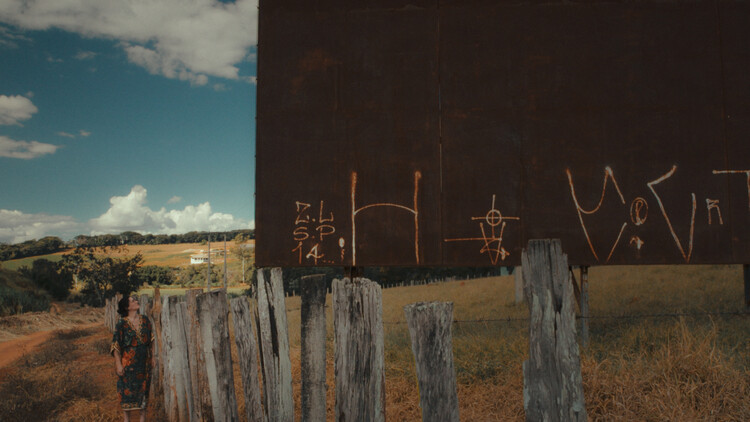
The Canadian Centre for Architecture (CCA) launched a documentary and exhibition, "With an Acre", the third and final chapter of the series Groundwork, which explores how contemporary architects cultivate alternative modes of practice to address the ecological crisis. The documentary follows the work of architect Carla Juaçaba in Minas Gerais, Brazil, where she is developing pavilions in a coffee field where collectives resist extractive industrial agriculture. The narrative examines the role of architects in extractivist contexts facing land regeneration challenges and unstable climatic conditions, as well as the tools smallholder farmers can use to cope with the environmental and social consequences of colonial settlement, urbanization, and industrialization.