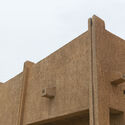
The results of the XIV Yucatan Architecture Biennial have been announced. A total of 17 accolades were awarded, including 1 gold medal, 6 silver medals, and 10 honorable mentions across 15 different categories. The jury comprised architects Edgar Herrera, Manuel Herrera, Felipe Leal, and Carlos Rodríguez. Read on to discover the winners.
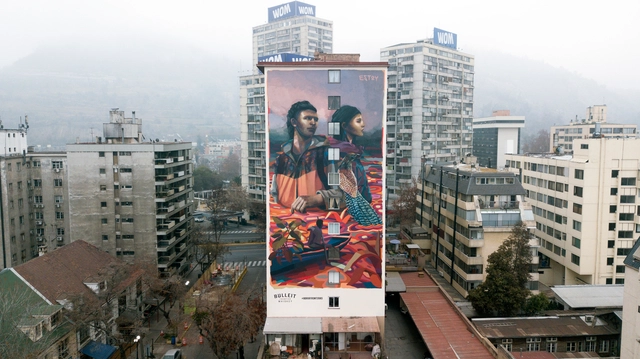
Arte Público de Estoy. Image Cortesía de Esteban Barrera
The city is in constant flux: monuments disappear, landmarks are forgotten, and new symbols emerge, prompting streets, plazas, and walls to redefine the urban landscape. In doing so, they offer new reference points, narratives, and ways of understanding the city, our history, and our society.
Thinking, discussing, and reconfiguring the city through art involves a series of processes. Researching territories, their inhabitants, sociocultural environments, and relational dynamics are essential pillars when designing and implementing installations that impact the city. The proliferation of large-scale artistic interventions that prioritize the purely aesthetic forces us to reflect on what we encounter in public spaces and how these encounters affect our daily lives.
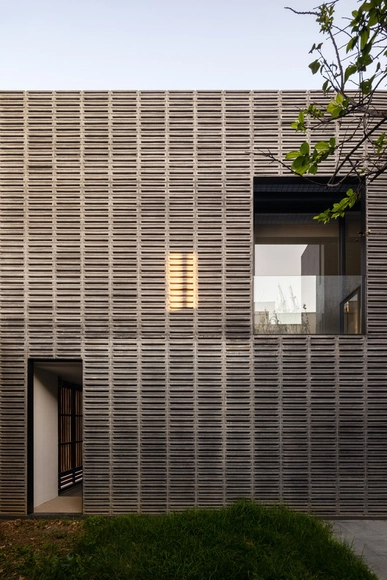
As an architectural element, screens have a long history. Used since antiquity in Egypt and Greece, as well as in traditional Hispano-Islamic art, they have enriched countless spaces with their repetitive patterns and intricate designs. To this day, they maintain their value through aesthetic qualities and excellent functional characteristics, playing a prominent role in the facades and partition walls of many contemporary architectural projects—especially in residential ones.
During the week-long event, ArchDaily had the chance to speak with Alper Derinboğaz, architect and founder of Istanbul-based Salon Alper Derinboğaz, selected among ArchDaily's 2020 Young Practices, to discuss the firm's responsibility towards the environment, seeing architecture as part of the Earth within Geospace's framework, challenges facing the new generations of architects and their access to information, and experimenting with the Metaverse.
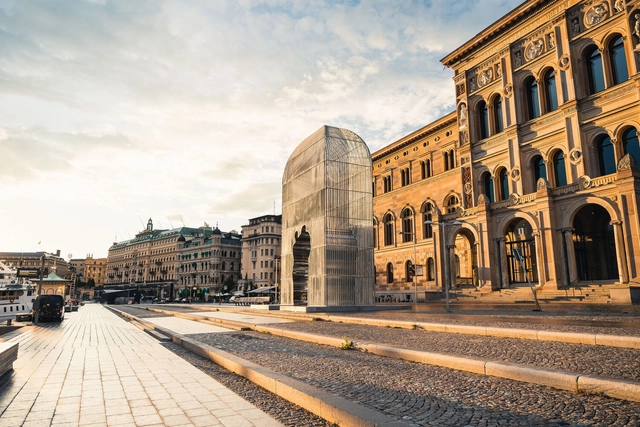
Chinese artist and activist Ai Weiwei unveiled the Arch, a cage-like sculpture in front of the National Museum of Stockholm. The 12-meter-tall stainless steel structure features at its center silhouettes of two people holding one another, appearing to break through the steel bars of the cage. The artwork was created to symbolize refugee stories and is seen as an ode to freedom. The sculpture is installed outside Nationalmuseum national gallery on the Blasienholmen peninsula in Stockholm’s archipelago. It will remain there for one year, after which, it will be moved to a yet undisclosed location in the city.
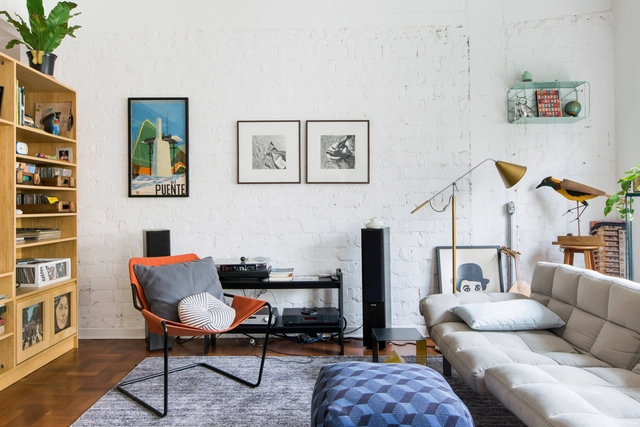
An empty wall is not always a breath of air, at times it can give a cold feeling of missing something. And that is why it presents itself as a space to be occupied to bring more originality and greater character to your space. The question is: how can we intervene in it? Below, we have gathered some ideas from various projects to inspire you.
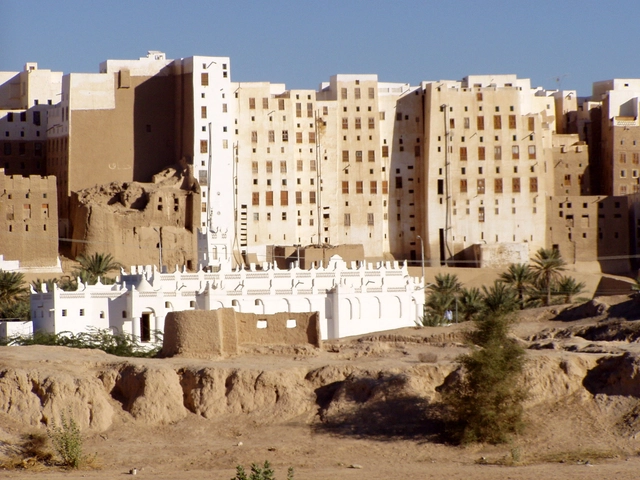
Skyscrapers are an unmissable characteristic of contemporary settlements. From São Paolo to New York, from Seoul to Dubai – these towering structures are a ubiquitous part of the urban fabric. The conventional image one has of these structures is of curtain-walled facades, but in Yemen – an ancient example goes against this trend. Central Yemen is home to the city of Shibam, surrounded by a fortified wall. It’s also home to a dazzling example of architectural ingenuity – tower houses that date back to the 16th century, stretching up to seven stories high.
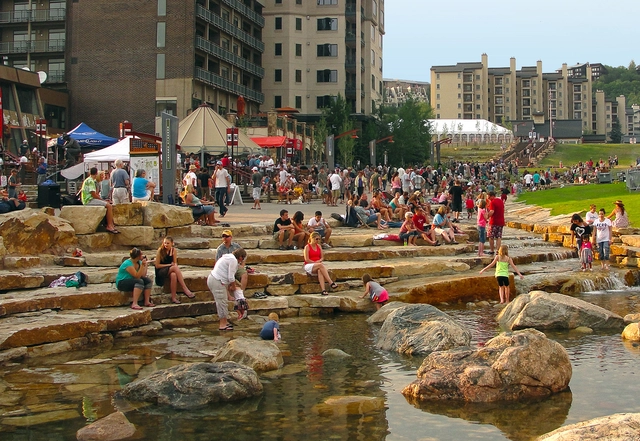
Burgess Creek Promenade, Steamboat Springs, Colorado. Image Courtesy of Wenk Associates
The need to rapidly adapt to climate change has rightfully taken center stage. But the connections between climate change and stormwater management are often overlooked. Climate change impacts the hydrological cycle by increasing water scarcity and the frequency and intensity of flooding while contaminating waterways. Better managing stormwater is key to managing water resources and protecting our safety and the health of our environment.
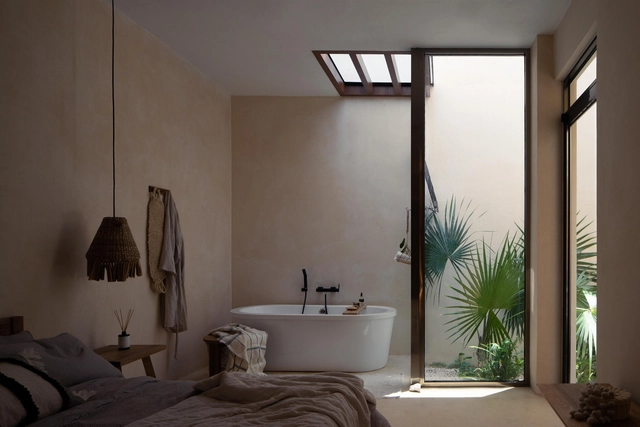
Slow living is a trend inspired by growing interests in mindfulness and sustainability – and our growing cultural need to escape from the negative effects of fast-paced digital living and high consumption. Yet how exactly can the design of our interior and exterior spaces interpret this trend and help us slow down?
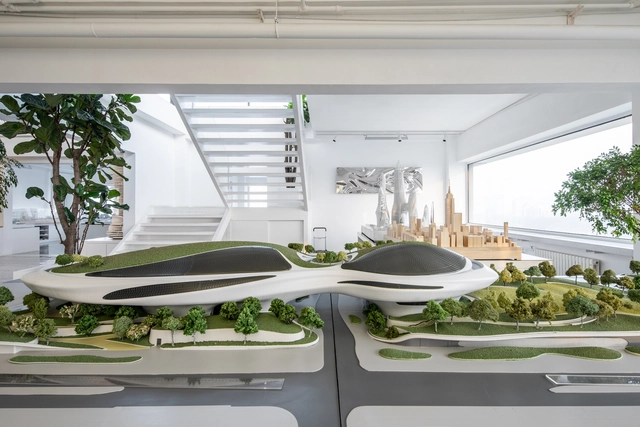
Founded in 2004 by Chinese architect Ma Yansong, MAD Architects is led by Ma Yansong, Dang Qun, and Yosuke Hayano. The practice is dedicated to exploring the future of architecture, integrating Eastern philosophy into contemporary design, and creating spaces that foster a deep dialogue between humanity, nature, and the environment. Every day, across our Beijing, Los Angeles, and Rome offices, our architects channel their passion into expressing our unique vision of spatial design, crafting fluid, visionary, and technologically advanced architectural environments.
MAD Architects is a global studio of talented architects, designers, and creative thinkers. We are dedicated to impact the experience and understanding of the built space that surrounds us, and from there we develop visionary, fluid, and technologically advanced designs that embody a contemporary interpretation of the Eastern affinity for nature.
Ranging from large-scale masterplans to imaginative urban complexes, museums, opera houses, social housing, historic renovations, and art installations, MAD maintains a unique design perspective while striving to achieve a harmonious balance between humanity, the city, and the environment. Currently, MAD's global projects include the Lucas Museum of Narrative Art, Shenzhen Bay Cultural Plaza, Jiaxing Railway Station, Yiwu Grand Theater, the Cloudscape of Haikou, and residential developments in Paris, Rome, and Los Angeles.
Our team of 130 works across offices in Beijing, Los Angeles, and Rome. Our projects range from large-scale urban developments and masterplans to imaginative civic, cultural, residential and hospitality buildings of varying scale. We endeavor to improve the balance between people, their built environment, and their natural surroundings.
Imagine explaining to someone 25 years ago what the professions of social media manager, uber driver, or drone operator are all about in 2020. Technology combined with population demands, resource scarcity, urbanization and other factors have created a number of new jobs and radically changed others. Research claims that 65% of children entering elementary school today will end up working in jobs that don't yet exist.
The World Architecture Festival (WAF) revealed the 420 shortlist for this year’s festival, with entries from all around the world, including Portugal, Malaysia, Finland, Mexico, Turkey, Australia, Japan, India, and the UK. The awards program celebrates the best new completed buildings and landscape design projects, ranging from rural villas to contemporary religious buildings and healthcare facilities built during the pandemic.
Over the years, interior design has evolved according to the needs that arise, but above all according to the experiences it seeks to evoke in the user. In the last two years we have witnessed a radical change and a special interest in this subject because the pandemic forced us to pay specific attention to the configuration of the places we inhabit. This brought about much more holistic designs that seek to address the wellbeing of the user, combining colours, sensory experiences, technology and natural elements that promote health.
When the first commercial planes took flight, so did architecture. Like many other moments of technological advancement, the fascination with soaring through the skies heavily influenced the design movements of the last fifty years- not only in terms of how we design airports and think about the airline passenger experience, but the aesthetics of aviation and how the fabrics, textures, and high-end details would influence our lives on the ground.
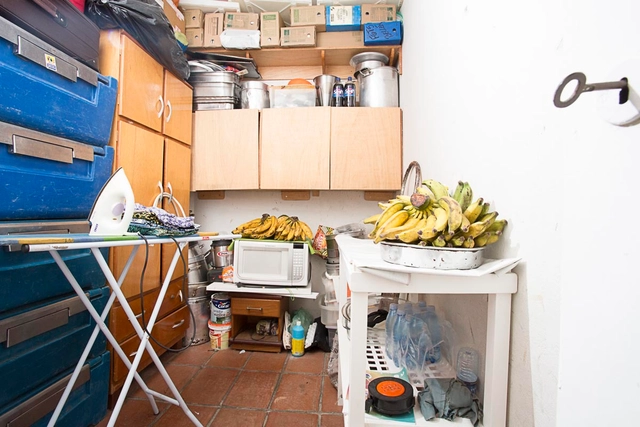
The room built for workers to "rest"—as current discourse attempts to camouflage the origin and meaning of the well-known "service room," "maid's room," or "storage room" typically located next to the service areas of contemporary homes—holds a historical, cultural, social, and economic significance within today's context that is rarely questioned.
Achieving the best use of space, reducing the footprint of the buildings that are constructed and designing an optimal distribution that can meet the needs of their inhabitants are some of the requirements and challenges faced, day after day, by architects around the world. Through the implementation of certain materials, the definition of the morphology or even the geographical and natural conditions of the terrain, it is possible to carry out various strategies that make it possible to design homes with the comfort that their users need and in the smallest amount of square metres possible.
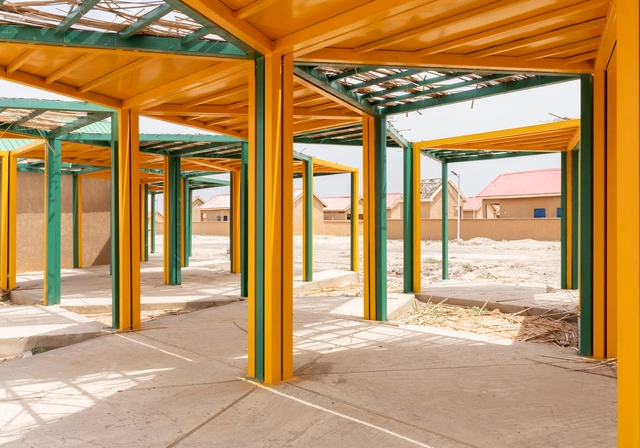
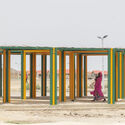
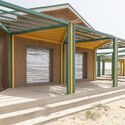
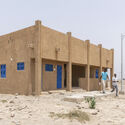
The United Nations Development Programme (UNDP) is working with the Nigerian Government to develop Rebuilding Ngarannam, a stabilization program in Northeast Nigeria that offers a new village to a community displaced by Boko Haram. The new urban plan and infrastructure were designed by Nigerian Consultant Architect Tosin Oshninowo, who consulted with the community to create a settlement that reflects and speaks to their culture. The first phase, which includes housing and essential services like education and healthcare facilities, is set to be complete in the summer of 2022.
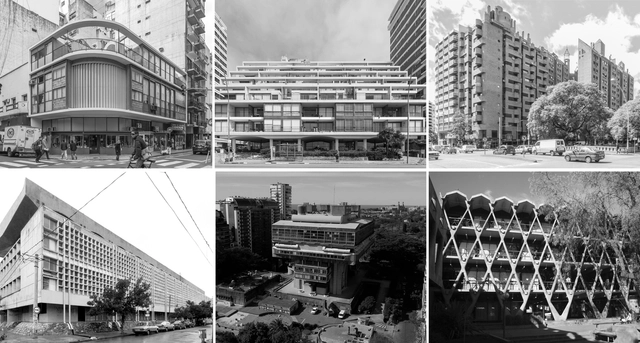
1. Casa de Estudios para Artistas / Antonio Bonet. 2. Terrace Palace / Antonio Bonet, Roberto Luna, Raúl Fernández y Alejandro Zamudio. 3. La Obra Urbana de Togo Díaz / José Ignacio Díaz. 4. Colegio Manuel Belgrano / Bidinost+Chute+Gasó+Lapacó+Meyer. 5. Biblioteca Nacional Mariano Moreno / Testa, Bullrich y Cazzaniga. 6. Facultad de Arquitectura de Mendoza / Enrico Tedeschi. Image
Within South America, different dates have been established to pay tribute to and honour the career, life and work of architecture professionals. While in Uruguay it is celebrated every 27th of November in relation to the creation of the first Faculty of Architecture, in Brazil every 15th of December in homage to the birth of Oscar Niemeyer or in Chile every 4th of August for the founding of the College of Architects, the Argentine Federation of Architects' Associations (FADEA) kept the 1st of July to commemorate the Day of the Argentinean Architect, respecting the establishment of the International Day of Architecture, established by the International Union of Architects (UIA) in 1985.
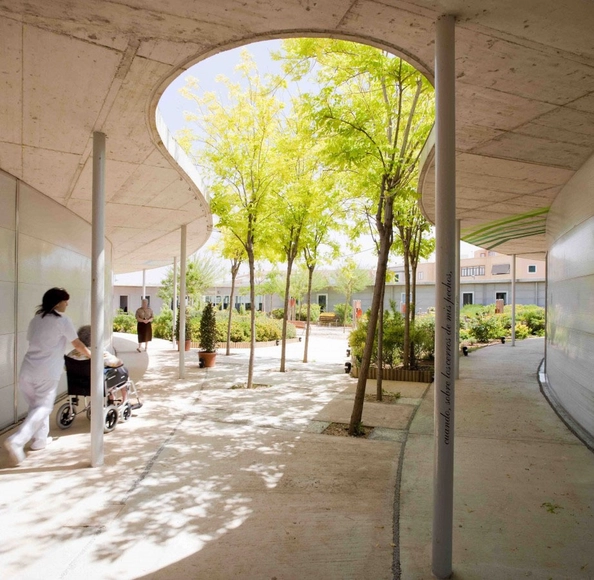
Santa Rita Geriatric Center / Manuel Ocaña. Image Courtesy of Manuel Ocaña
At a hospital, patients are always one conversation away from good or bad news. When not being rushed into treatment rooms, the sick are often left to feel stressed about their health. Healthcare workers have one of the most stressful jobs, with sudden changes in patient conditions. The general atmosphere in traditional hospitals seems tense and worrisome, and this has an adverse effect on patients’ well-being.
Everybody talks about Metaverse, but hardly anyone agrees on what it is. For the moment, it is still enigmatic, however, it seems like its ambiguity is its strength. Not a day goes by without a new article or a video on this subject, trying to convince people that Metaverse will inevitably become a part of our daily lives soon. Architects and designers are essential parties to the ongoing discussion as it is a spatial innovation that requires the Internet to be redesigned as a 3D environment.
The capsule hotel is typically representative of the image that many people have of Japan, combining dense use of space, technical ingenuity, and a futuristic vibe. Capsule hotels, also known as pod hotels, are one of Japan’s best-known and unique types of lodgings. Typically located around major public transportation hubs in large metropolitan cities, they target individuals looking for a low-budget, single-night stay.
The Second Studio (formerly The Midnight Charette) is an explicit podcast about design, architecture, and the everyday. Hosted by Architects David Lee and Marina Bourderonnet, it features different creative professionals in unscripted conversations that allow for thoughtful takes and personal discussions.
A variety of subjects are covered with honesty and humor: some episodes are interviews, while others are tips for fellow designers, reviews of buildings and other projects, or casual explorations of everyday life and design. The Second Studio is also available on iTunes, Spotify, and YouTube.
This week David and Marina discuss undergraduate architecture thesis projects and studios, covering the differences between thesis projects, capstone projects, and dissertations; how to select a thesis topic; how to choose the right studio/professor; the value of doing a thesis; the unique challenges of thesis; and more.
https://www.archdaily.com/985063/the-second-studio-podcast-preparing-for-architecture-thesisThe Second Studio Podcast
Since ArchDaily launched its recruitment services, we have received job postings from architecture firms of various scales across China, from Beijing and Shenzhen to Hangzhou. With their unique styles, these practices are active across diverse architectural sectors, seeking talented designers to join their teams. Below is a curated selection of eight firms currently hiring, along with some of their representative projects. We encourage interested readers to apply.
The 25th of June 2022, marked 170 years since the birth of Antoni Gaudí, the greatest representative of Catalan Modernism, and we celebrate this day by sharing the story of his life and remembering his work.




















.jpg?1654617049&format=webp&width=640&height=580)