Since before the first industrial revolution, sociologists, historians, and urban planners have been addressing the relationship between the city and the countryside, but this debate has become more pressing nowadays with the spread of megacities, typically with a population of more than 10 million people. With more and more people living in urban areas, it is imperative to think of solutions for food production within cities, thereby making cities more independent from rural areas, which have historically been responsible for the supply of food to the entire planet.
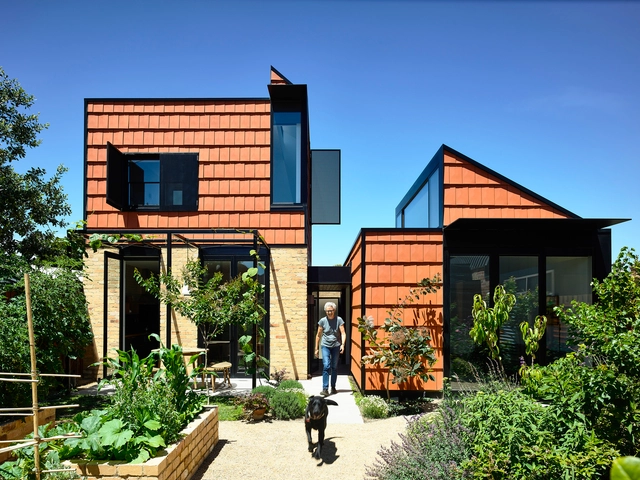
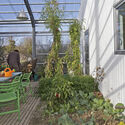
The idea that cities will become self-sufficient in food production in the near future is both unrealistic and naive. Nevertheless, small initiatives such as urban gardens, either at home or public gardens run by the community, might be a good starting point for a much bigger change in the future. Or perhaps they simply represent a desire to return to one's roots and achieve a slightly slower lifestyle.
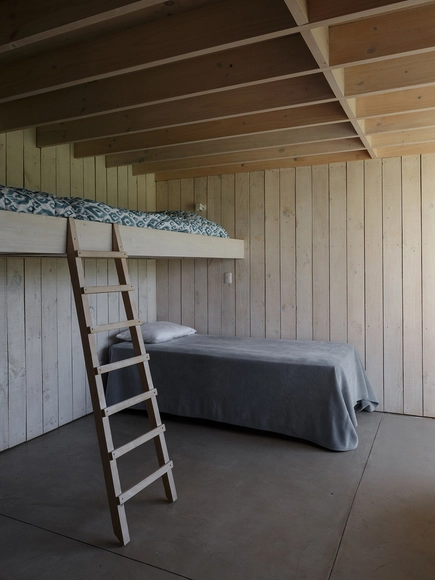
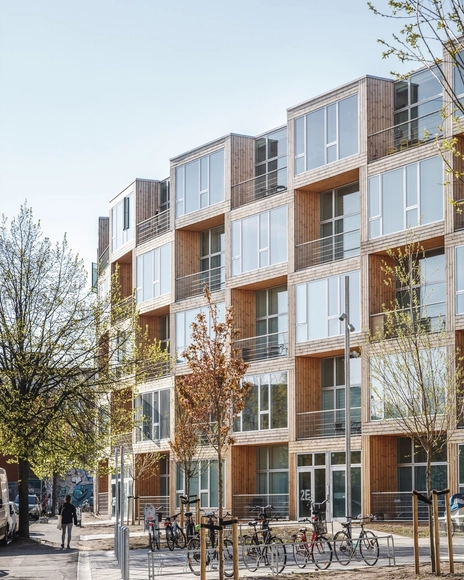
It is a common misconception that bunk beds - which are sleeping spaces elevated above floor-level - are used exclusively for the bedrooms of children and teens. While bunk beds are a great solution for younger kids and older kids alike, the practical aspect of bunk beds which gives ample sleeping space while saving on floor space, makes them great for a variety of purposes and applications. With a rise in density and the majority of people living in large urban centers making use of increasingly smaller living spaces, there has come a push towards modularity in interior architecture. For this reason, bunk beds and lofted sleeping areas have become a great solution to maximize square footage.
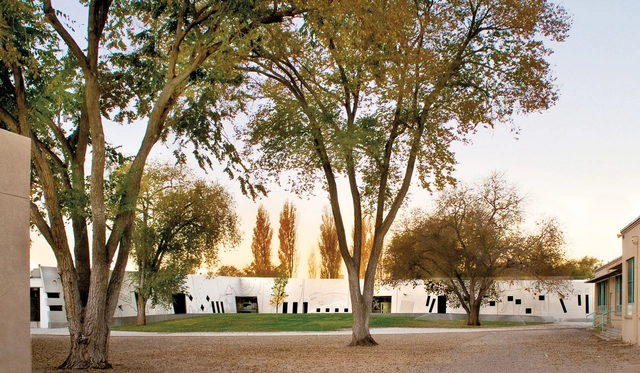
VALLE VISTA ELEMENTARY SCHOOL Suina Design + Architecture, founded by Elizabeth Suina of Cochiti Pueblo, conceived a much-needed addition to an existing 1952 structure in Albuquerque. The structure’s most salient feature is a concrete outdoor Learning Wall, gently tilted up and punctuated with geometric openings and patterns that relate to the school’s curriculum and various Chacoan motifs, such as the sun-cast Sun Dagger.. Image Courtesy of Suina Design + Architecture
In this week's reprint from Metropolis magazine, authors Theodore (Ted) Jojola and Lynn Paxson talk about embracing “place knowing” as a process to understand building and planning, and highlight modern achievements in Pueblo architecture.
The Pueblo people of the Southwest have been stewards of their lands for millennia. In contrast to the colonial and territorial experiences of many tribal nations, the Pueblos avoided being displaced from their homelands. This prevented many of their places from being erased. As such, their ancient worldviews still remain at the core of their planning and design. Nothing is so important as their imprint on the expression of architecture, especially its form and function.
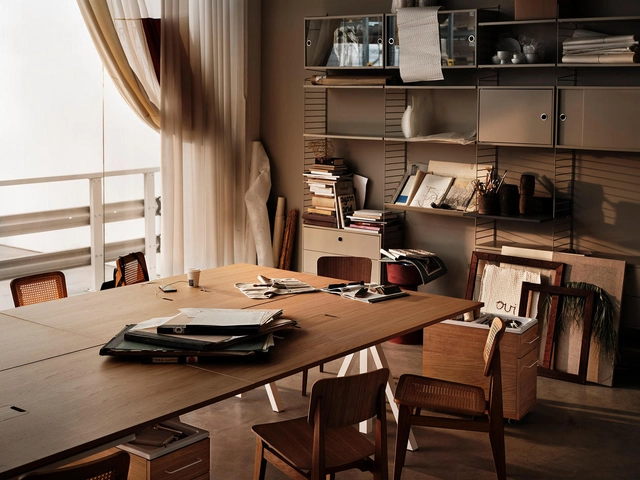
Designed in 1949, String Furniture has adapted over the years to different uses across different rooms, and different phases of life. A choice of materials allows it to fit with any environment. Image Courtesy of String Furniture
When it comes to creating timeless furniture, there's a lot to learn from modern classics like the String furniture system.
Salone is the most important furniture event in the world, strongly connected to the city and the design culture. This year we are seeing a new expanded format to mark the 60th anniversary of Salone del Mobile, titled "SuperSalone", a prequel to the 2022 edition, with a very accentuated focus on the materiality and the sustainable aspect.
Managing to put together the physical and the digital, in order to make the event more accessible for the world, Salone ran during the first week of September, at the Rho Fiera. During these design days, ArchDaily had the chance to speak with the curator, Stefano Boeri, discussing this very special edition, the relationship between the city of Milano and Salone, the democratization of design as well as the environmental quality in his projects around the world.
The A’ Design Award was "born out of the desire to underline the best designs and well-designed products." The A' Design Award, recognizing the excellent and original talent from across the globe, is both a major achievement for designers and a source of inspiration for award-winning architects, brands, and design agencies. Entry and nomination are open to contestants from every country. Registration for the A' Design Award & Competition 2021-2022 period is now open. Register and upload your design here, and receive a complimentary preliminary score.
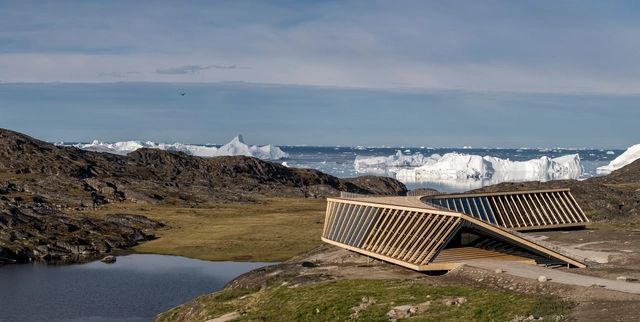
Nestled in the Arctic landscape of Greenland's UNESCO-protected wilderness, Dorte Mandrup Arkitekter has completed the Ilulissat Icefjord Centre, a research and visitor center that highlights the effects of climate change. The structure blends into the surrounding landscape, offering visitors a unique panorama of the Icefjord, while observing the detrimental consequences that climate change has on the environment.
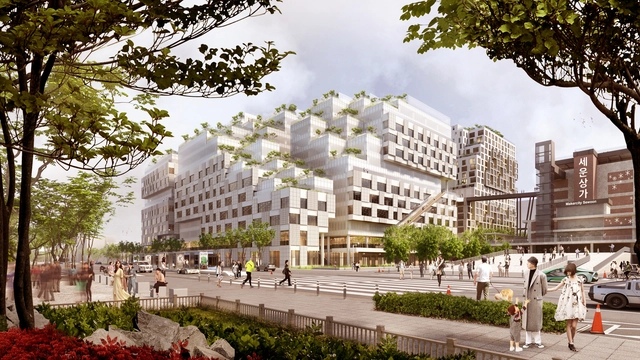
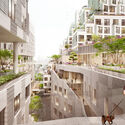
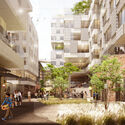
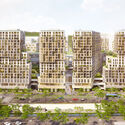
KCAP revealed an updated design for the Sewoon Grounds project in Seoul, a redevelopment plan to transform the district into a sustainable mixed-use area. The winning design of an international competition in 2017, intended to regenerate the 'Sewoon District 4' area of the city, the project aims to enhance the urban fabric while also integrating the existing built heritage and urban industry. KCAP's proposal generates a multi-layered scheme that builds on the successive layers of architecture and culture accumulated in time.
The Covid-19 pandemic has been going on for over a year now, so people have consequently been traveling less, and tourism has slowed down all over the world. But that doesn't mean we still can't get to visit faraway places. Since the beginning of the lockdown, several museums and organizations have been preparing virtual tours that allow users to explore their spaces through digital immersion. With that in mind, here are four different ways for you to explore places without leaving your home.
Cities we live in today have been built on principles designed decades ago, with prospects of ensuring that they are habitable by everyone. Throughout history, cities have been catalysts of economic growth, serving as focal points for businesses and migration. However, in the last decade, particularly during the last couple of years, the world has witnessed drastic reconfigurations in the way societies work, live, and commute.
Today’s urban fabric highlights two demographic patterns: rapid urbanization and large youth populations. Cities, although growing in scale, have in fact become younger, with nearly four billion of the world’s population under the age of 30 living in urban areas, and by 2030, UN-Habitat expects 60% of urban populations to be under the age of 18. So when it comes to urban planning and the future of cities, it is evident that the youth should be part of the conversation.
“Equity” is a moving target. We who create architecture want our devotion to have a true forum of objective Equity. But motivations are not outcomes. How we judge design inevitably carries the baggage of “Style” and that makes universal equity in design apprehension impossible.
Bavarian wood furniture expert Zeitraum’s Curtain table marks a departure from classic table archetypes, while also embracing the company’s trademark commitment to sustainability.
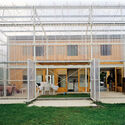
The Pritzker Architecture Prize released a special ceremony video honouring the 2021 laureates Anne Lacaton and Jean-Philippe Vassal. Previously held in person, each time at a different architecturally significant venue around the world, this year’s ceremony is the second pre-filmed event in the history of the Prize, following the one in 2020. The ceremony features filmed remarks from various speakers, among which are several jury members, Jury Chair Alejandro Aravena, the 2020 Prize recipients Shelley McNamara and Yvonne Farrell, as well as this year’s Laureates themselves. The video also pays tribute to the achievements of Lacaton and Vassal through footage of their built work.
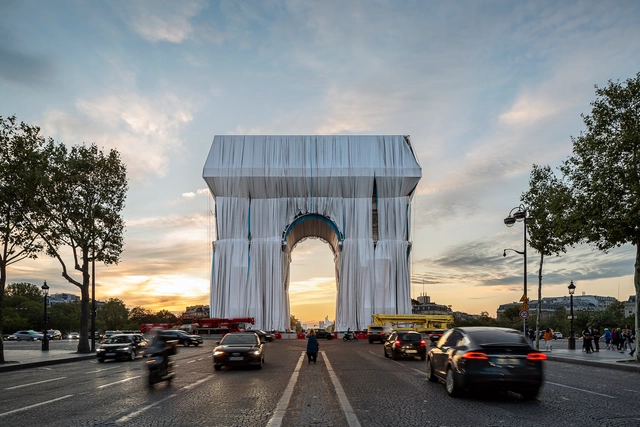
Work has just begun on the late Christo's unfulfilled intervention for the Arc de Triomphe in Paris. The first images by architectural photographer Jad Sylla highlight the wrapping up of the famous monument with 25,000 square meters of recyclable polypropylene fabric in silvery blue, and with 3,000 meters of red rope. Scheduled for September 18 until October 3, 2021, the temporary artwork ‘l’Arc de Triomphe, Wrapped’ will only remain on display for 16 days.
The concept of prefabrication in construction corresponds to elements, parts or entire buildings produced in a factory and transported to a construction site for a quick installation. This represents numerous advantages over traditional construction methods, such as speed, precision in execution, efficiency, cleanliness of the work and, in many cases, cost. Considering that housing is a primary human need, using industrial methods for the construction of affordable and good quality housing has always interested architects, whether to house growing urban populations or for temporary or emergency settlements, on the most diverse scales. After many attempts throughout history, the question remains whether the popularization of prefabrication in the construction field can be a solution to provide greater equity in access to housing.
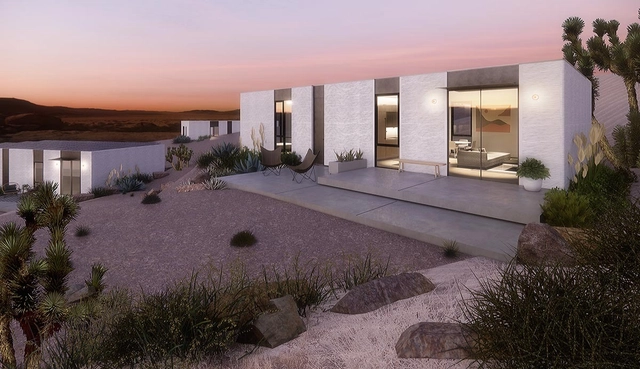
The Mighty House Single Family Home and ADU designed by EYRC Architects. Rendered in Enscape. Image Courtesy of EYRC and Mighty House
Why is 3D-printed architecture on the rise?
According to a July 2021 report by Grand View Research, the global 3D construction market is set to grow by an incredible 91% between 2021 and 2028. And, why is printed architecture seeing such rapid growth? Firstly, 3D printing is emerging as a possible solution to some of the challenges currently facing architecture, engineering, and construction (AEC) – it can provide affordable housing, shelters for disaster-hit regions, and an answer to sustainable construction. Alongside these, one of the main advantages is the lower construction costs. It’s far easier to calculate the actual volume of construction material required, resulting in less waste.
https://www.archdaily.com/968146/building-the-future-with-3d-printing-and-real-time-visualizationGemma Falconer Da Silva
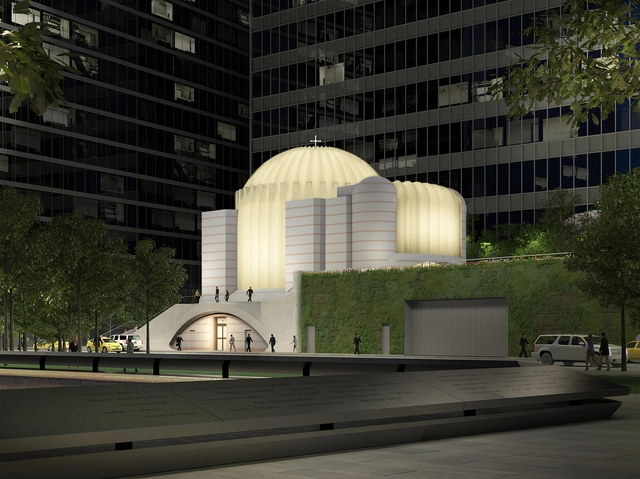
Spanish architect and engineer Santiago Calatrava is rebuilding World Trade Center’s St. Nicholas Greek Orthodox Church and National Shrine in New York City. The church, which was destroyed during the 9/11 attacks, began its reconstruction process in 2015, and is finally reaching completion in 2022. The new structure's design is inspired by a mosaic of Istanbul's Hagia Sophia Grand Mosque, formerly the Church of Hagia Sophia, which was one of the fundamental factors in defining the original architecture of the St. Nicholas Greek Orthodox Church.
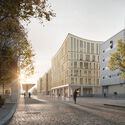
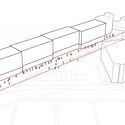
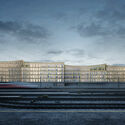
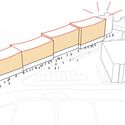
Henning Larsen has revealed the design for Landehof, a new office building activating an underused plot along a railway in the city of Augsburg in Germany. As part of a masterplan meant to develop the area around the city's central train station, the contemporary addition to the complex and textured urban fabric unfolds on a long and narrow plot adjacent to the railway tracks. The design takes cues from the surrounding historical architectural styles, serving as a gateway to the city centre.
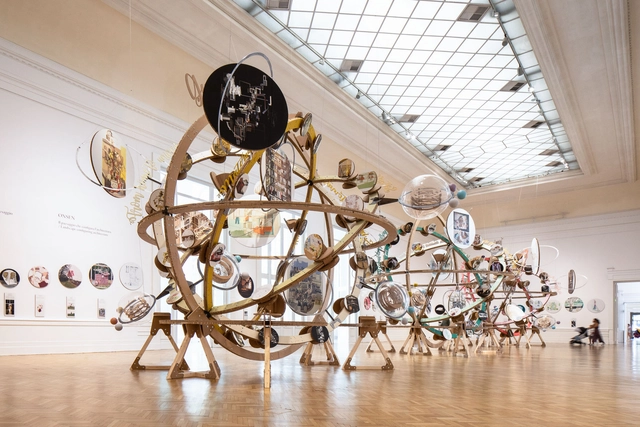
Curated by Spanish architect Izaskun Chinchilla Moreno, Cosmowomen. Places as constellations is an exhibition currently open at La Galleria Nazionale di Roma, Italy. Reflecting on the incorporation of women into architecture, Cosmowomen displays a series of projects developed by 65 Bartlett School of Architecture-alumni women architects from over 20 different nationalities.
Few cities combine history and contemporary culture like Prague. The so-called "Mother of all Cities" was spared from widespread destruction during World War II, and as a result, its diverse architecture dates back over a millennium. As a political, cultural and economic center of Europe, the city has become a significant metropolis balancing both its past and future as one of the world's most beautiful cities.
American architect Brian Mac grew up near Detroit. He graduated from the Architecture School at the University of Detroit in 1988 and for the next five years worked for a preservationist firm, Quinn Evans Architects in Ann Arbor. There he learned to love historic architectural detailing, and, while working at the firm, in 1992, became a licensed architect. Then followed a short period of disillusion with the profession and moving to Ohio to work in a residential treatment center for adolescent felony offenders.
Videos
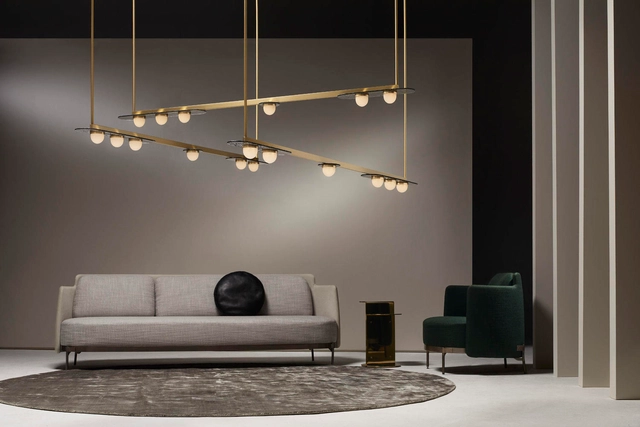
Modulo’s horizontal pendants, seen here in satin bronze, can be grouped to create a one-off sculptural arrangement to fit a specific space. Image Courtesy of CTO Lighting
For CTO Lighting’s new Modulo collection, designer Federico Peri found inspiration in a childhood memory to create a luminaire family that is contemporary and timeless, all at once.
Graphisoft, the leading Building Information Modeling (BIM) software solution developer for architecture, has announced the full speaker list and final agenda for the Building Together 2021 conference. Scheduled for September 14-16, the carefully curated online program will cover a range of topics of interest to today’s AEC professionals, including sustainability, integrated design, Building Lifecycle Intelligence, and the future of architecture education.
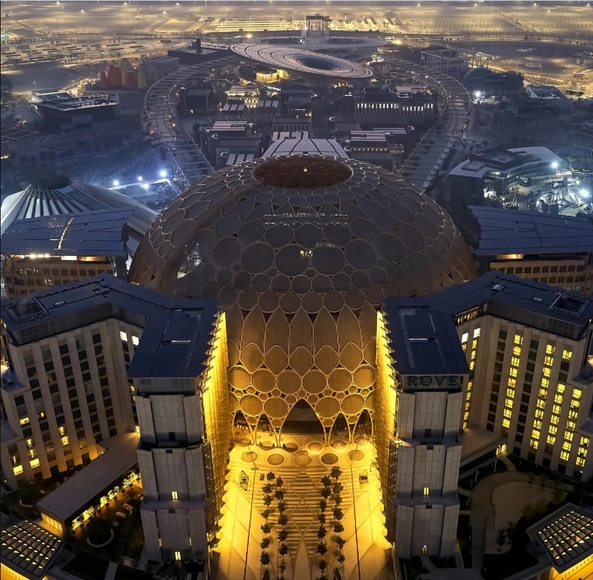
Al Wasl Plaza and Sustainability Pavilion. Image Courtesy of Expo 2020 Dubai
With Expo 2020 Dubai scheduled to debut in less than a month, new drone shots of the venue highlight water and garden features. Aiming to “explore the power of connections in shaping our world”, Expo 2020 Dubai will run from 1 October 2021 until 31 March 2022, under strict Covid regulations, after a year delay due to the worldwide pandemic.






































.jpg?1631531492 "Courtesy of Expo 2020 Dubai")
