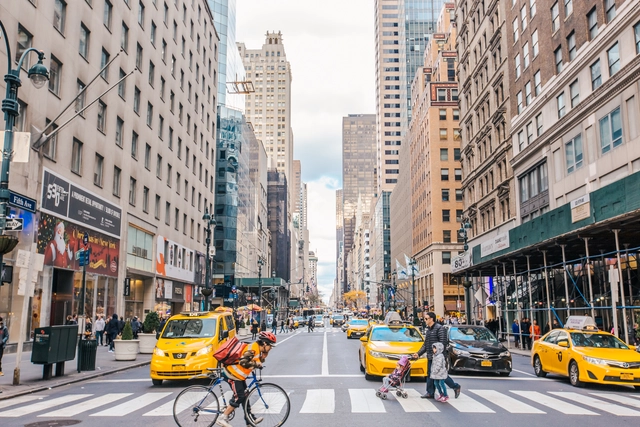
The scene is almost identical, no matter which borough of New York City you’re in. Narrow sidewalks are lined by mountains of trash bags and other large objects, waiting for their turn to be taken away by the fleet of sanitary workers and trucks who will dispose of them. Large rodents seek shelter in their temporary plastic homes, feeding on discarded scraps, becoming a regular sighting for New York City residents. The City That Never Sleeps has a bigger problem than the flashing lights and noisy streets- it’s all of the trash that’s left to sit out on the sidewalks.
On December 13th, the Directorate of Cultural Affairs of the Argentinian Foreign Ministry announced the winners of its open curatorial competition to select the country's entry for the 18th International Architecture Exhibition of the Venice Biennale, which will take place next year from May 20th to November 26th.
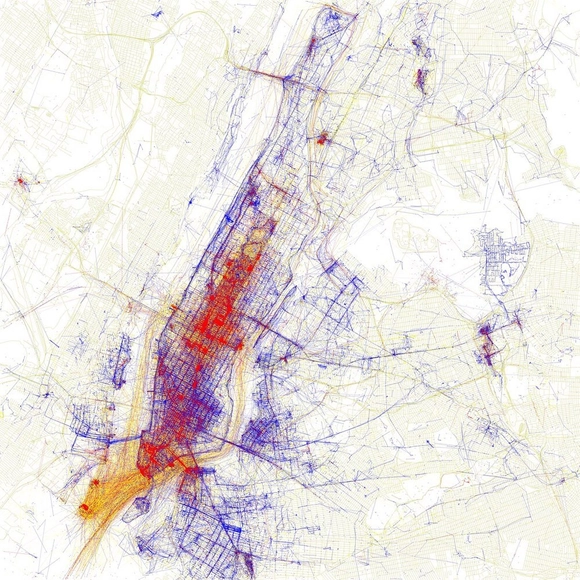
Cartography, or map making, has played a critical role in representing spatial concepts for thousands of years. While the earliest forms of maps displayed geographic information carved into clay tablets and etched onto cave walls, the maps we use today have significantly evolved to creatively show a range of different information. These visualizations draw conclusions about population sizes, historical events, cultural shifts, and weather patterns to help us understand more about our world and how we impact it.
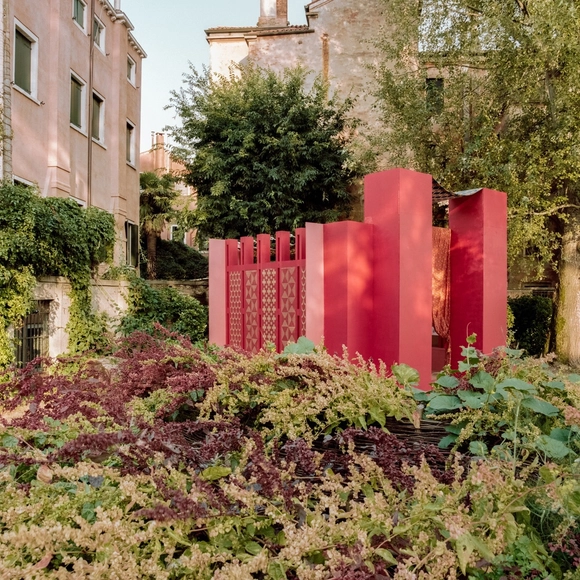
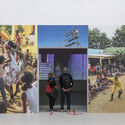
Studio NYALI / ArchiAfrika Pavilion at the 2021 Venice Biennale. Image Courtesy of Studio NYALI
From the Tbilisi Architecture Biennial to the Sharjah Architecture Triennial, architecture exhibitions are ever-increasing fixtures on cultural calendars around the contemporary world. New editions of architecture exhibitions rest on a foundation propagated by exhibitions of the past – and these historical expositions, to a great degree, have shaped the architectural discourse we have today. But as these exhibitions were born out of a western framework, African historical representations on the biennial and triennial architectural stage have often been reductive, with an assortment of cultures flattened into one, and distinct architectural styles meshed in an incoherent manner.
Lesley Lokko by Jacopo Salvi. Image Courtesy of La Biennale di Venezia
On Friday, King Charles III has released the New Year Honours List 2023, recognizing those in the UK who have demonstrated exemplary service or achievements in their fields. Ghanian-Scottish architect, academic, and novelist Lesley Lokko is among those who have been named an Office of the Order of the British Empire (OBE) for her services to architecture and education. In December 2021, Lesley Lokko was announced as the Curator of the 18th International Architecture Exhibition - La Biennale di Venezia, which will be held from Saturday, 20 May to Sunday, 26 November 2023.
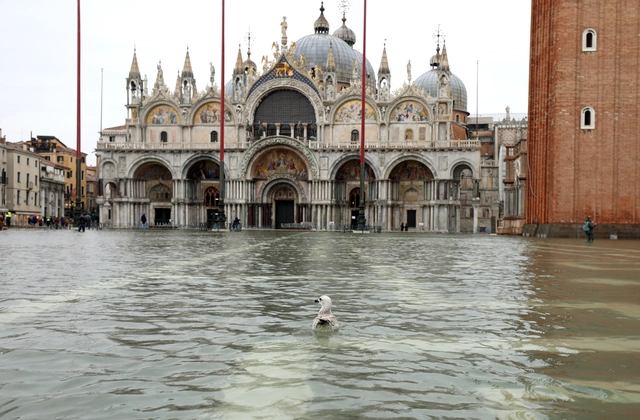
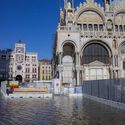
St. Marks Square (Piazza San Marco) during flood (acqua alta). Image via Shutterstock | Ihor Serdyukov
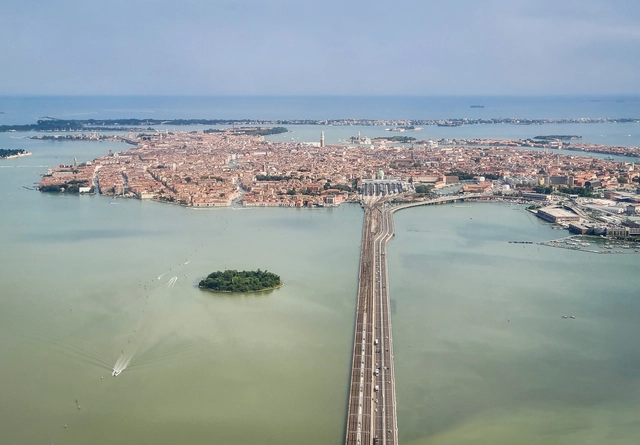
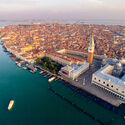
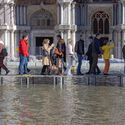
The Italian city installed glass barriers around the 900-year-old church to keep the waters out. The decision was made after near-record flooding in December 2022, preventing a repeat of the November 2019 near-catastrophe that aged parts of the building “20 years in a day,” according to Basilica’s Procuratoria governing body. The temporary structure is fixed until the MOSE system fully works by the end of 2025, protecting the city of Venice, Italy, and the Venetian Lagoon from flooding.
Created by the American architect Ron Mace in the 1980s, the concept of Universal Design deals with the perception of the projects and environments that we design and inhabit, considering the possibility of its use by different user profiles: from children to the elderly, including language limitations and people with disability or temporary limitations.
Japanese architect and theorist Arata Isozaki, winner of 2019's Pritzker Prize, passed away at the age of 91. Since the 60s, Isozaki has been showing outstanding innovative ideas in his works, influencing eastern professionals with a forward-thinking approach that takes its roots from Japan. In a special tribute to the architect's achievements, ArchDaily highlights the immense list of Arata Isozaki’s projects and recreates the architect's professional development path since his very first works.
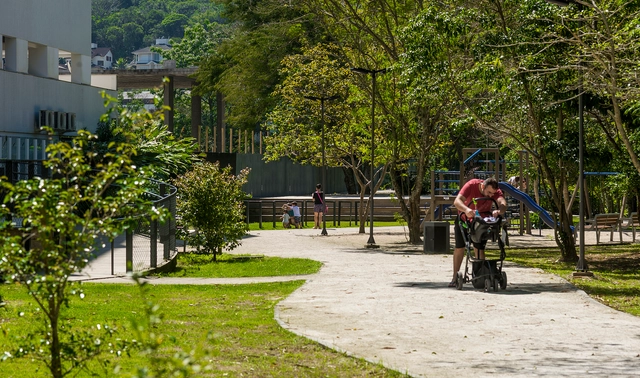
In the 19th century, many Americans living in up-and-coming cities and towns oftentimes found themselves strolling through the winding paths of curated gardens, stopping to rest under the shade of a tree and share a picnic with family and friends. Dotted across the grassy areas were headstones, marking the burial locations of those who were laid to rest. While the concept of relaxing in a graveyard seems a bit taboo in the present day, it was sometimes the only option for people to find space for recreation and leisure and was one of the earliest examples of a public park. Many of the parks we have today were actually caused by the evolution and planning of historic cemeteries.
2022 has again resulted in diverse coverage on ArchDaily in an eventful year, from speculating on building materials of the future to analyzing the narrative role that architecture plays in literature. A selection of articles from this year is found below, organized into four over-arching topics.
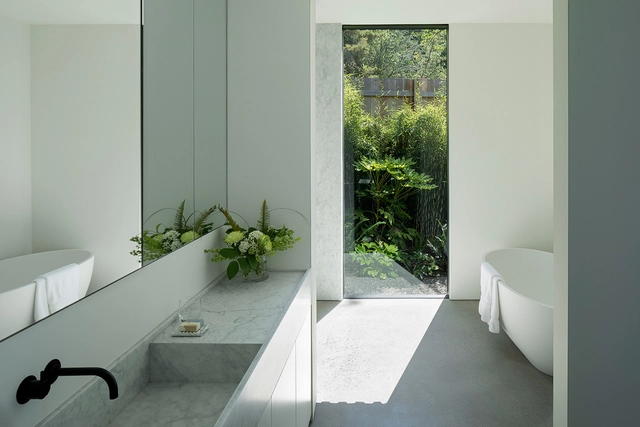
Indoor landscaping can be possible in different ways. Bringing greenery into indoor environments has demonstrated several beneficial factors for the quality of space and its users. Living rooms and offices usually have a dedicated space for plants, but this is not always the case for bathrooms. Therefore, we have listed some ways to bring vegetation to this often underestimated room.
One of the first decisions to be made when designing a house is where to place it on the site. Whether it's a large or small plot, house placement impacts the architecture of the building itself and its relation with the neighborhood. Therefore, it must be carefully thought out and designed.
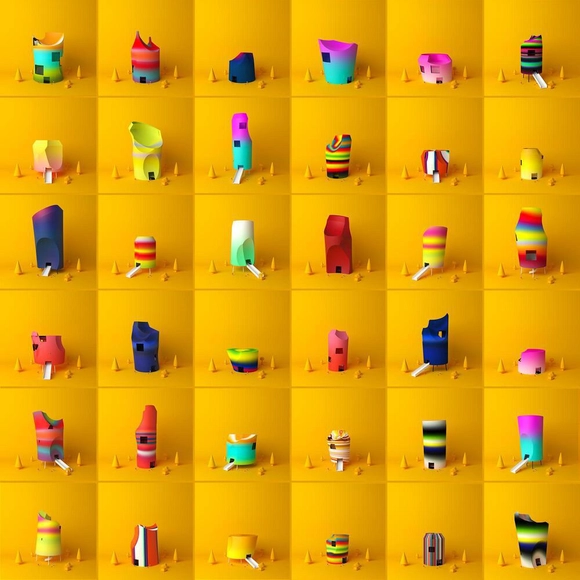
The promise of the metaverse, this new type of three-dimensional and immersive digital space, is proving to become more and more appealing to architects eager to explore the new realm of virtual creations. As it currently stands, the metaverse does not have a singular definition but is composed of many narratives and explorations. This unknown land is however fruitful ground for architects, who have to opportunity to shape not only the new environment but also the experiences of future users. The SOLIDS project represents one response to these conditions. Developed by FAR, an architect and engineer working with digital environments, SOLIDS uses a generative process to design unique, metaverse-compatible buildings.
Photo by Rihards Sergis, via Unsplash. Editing: ArchDaily
TikTok is a social network for sharing short videos that offers extensive features to edit them. It is possible to include filters, subtitles, soundtrack, gifs, make cuts and use creativity at will. As with Instagram and Twitter, you can follow other people's profiles and interact, liking their posts, making comments and even sharing via WhatsApp.
As 2022 winds down, ArchDaily brings together the highlights of architecture in a series of retrospectives. As part of this effort, the Projects Team turns to one of the most popular categories among readers—residential architecture—with the objective of gathering the houses that represent the best of a vast world of architectural production according to our worldwide audience.
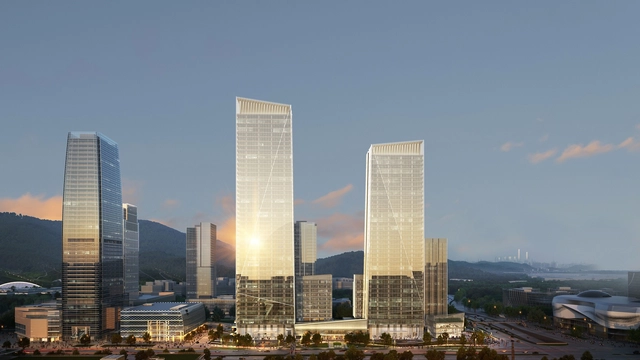
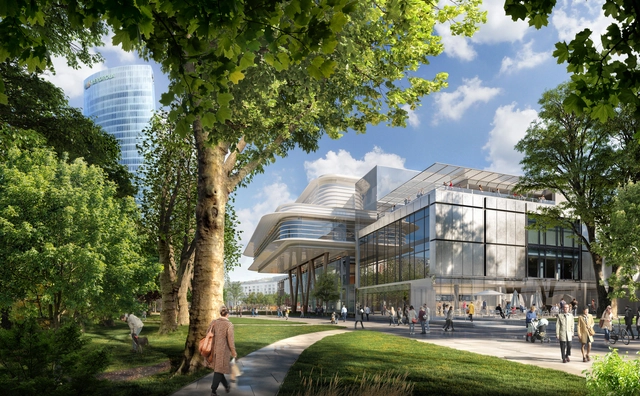
Aedas Global, in collaboration with GDAD, revealed the design of a 230 meters tall mixed-use complex comprising of two twin towers and a plaza. The development, located at the base of the Baiyun Mountain range in Guangzhou, China, contains industrial, commercial, and publicly available areas while also including large urban green spaces and panoramic views of the mountains. The massing of the project is inspired and informed by the local topography, with sight-seeing corridors opening up toward the surrounding scenery.
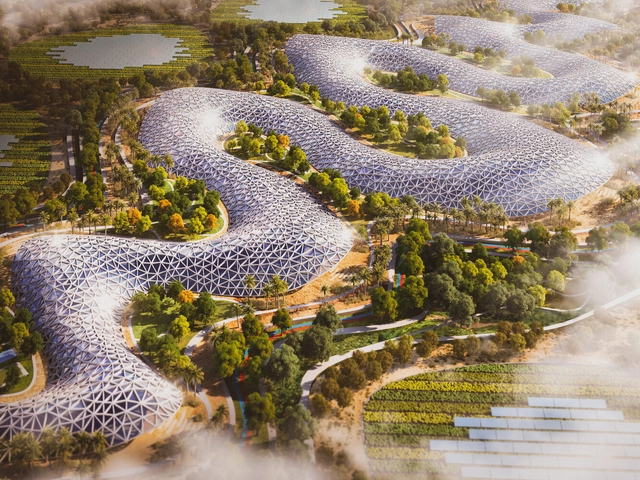
URB to develop the world's largest agritourism destination in Dubai, providing food security and to foster sustainability of the local communities, heritage, and cultural landscapes. In line with the city's ambition of making its rural areas restorative land facilities, "Agri Hub" targets to create 10,000 new jobs across various sectors, including a new agricultural research institute and a public farm for educational and retail purposes.
The new technologies of the digital world caused changes in architecture and urbanism. New materials, new construction techniques, and new ways of manufacturing and building have changed how we design and think about construction. Besides, these technologies reveal possibilities of interaction between society and architecture, transforming the understanding of architecture and its purpose.
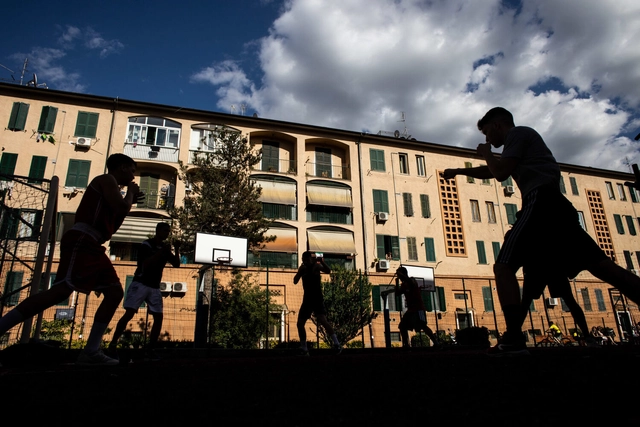
On first impression, Quarticciolo is a handsome district in Rome. A human-scaled public housing complex comprising red and yellow midrise buildings arranged around internal courtyards and gardens. Designed by architect Roberto Nicolini during the Fascist regime, this village feel isn’t found in the massive postwar residential schemes elsewhere in the capital. Like other rationalist architects, Nicolini was inspired by the ancient city. Basing the layout on a classical orthogonal grid pattern, he allowed just one tall structure, the Casa del Fascio (the Fascist party headquarters), a fortress tower that looms over the main square. Most of the buildings were constructed between 1938 and 1943 to house a working-class population that was forcibly moved from Rome’s historic center to the outskirts to make way for Mussolini’s grand public works.
https://www.archdaily.com/994464/rebuilding-and-destigmatizing-romes-quarticciolo-neighborhoodMarina Engel
We have reached the end of 2022 and it is time to review the most important milestones of the year on ArchDaily. This time, we searched for the photos that were the most liked on ArchDaily's Instagram.
https://www.archdaily.com/994082/the-2022-most-liked-photos-on-at-archdailys-instagramArchDaily Team
The Bilbao Fine Arts Museum remodeling and expansion project was attributed to Foster + Partners following an international competition in 2019. Now the construction phase was initiated with a breaking ground ceremony on November 17th. The project includes the restoration of the existing 20th-century building and the expansion of the currently available spaces with a new public atrium and a contemporary art gallery organized in a floating pavilion. The design also highlights the relationship between the city and the museum by creating a new pedestrian path that runs from north to south. The path connects the original 1945 building, the 1970s extension, and a new visitor center while making the site more permeable at the street level.
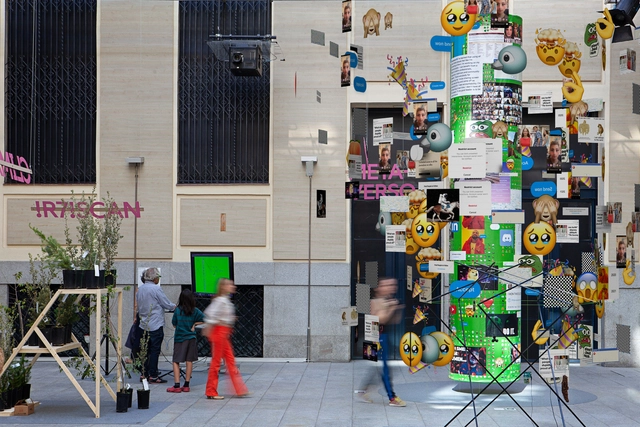
Looking to reformulate the relationship between humans, territories, and globalization, “Ecologies for Other Architectures” gathered for two days in Madrid emerging international architects to propose narratives on urban environments and their undergoing changes. Curated by Itinerant Office within the network of New Generations, the event featured 7 scenarios, 7 models, 7 narratives on nature, technology, bodies, material transformation, soil, participation, and (no) humans. The event employed recycled material and a fast-mounting strategy to guarantee zero impact.
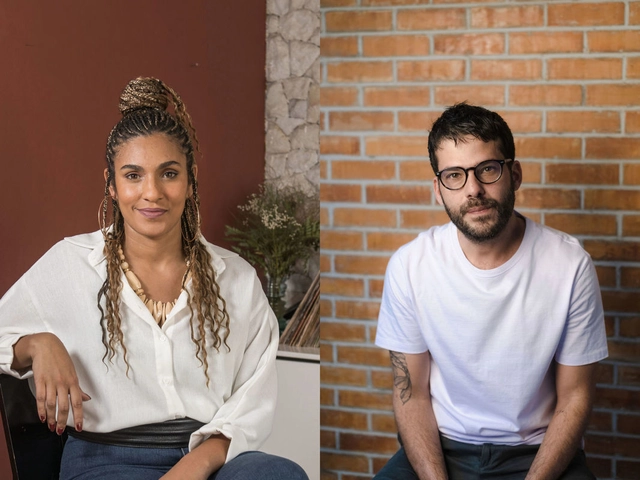
The São Paulo Biennial Foundation announces the curatorship of the Brazilian Pavilion at the 18th International Architecture Exhibition - La Biennale di Venezia. Gabriela de Matos and Paulo Tavares, both architects and researchers with a cross-cutting approach that embraces race, gender, pedagogy, and visual cultures, are organizing the exhibition, which opens May 20, 2023.
https://www.archdaily.com/994057/gabriela-de-matos-and-paulo-tavares-will-be-the-curators-of-the-brazil-pavilion-at-the-venice-architecture-biennale-2023ArchDaily Team