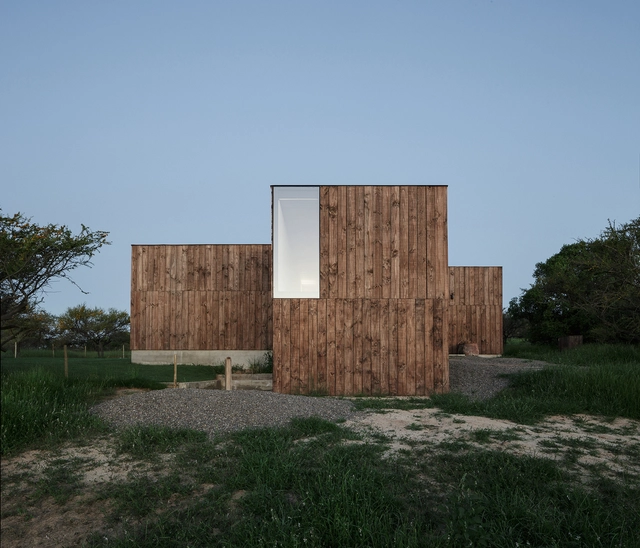
In architectural design, materials convey narratives, shaping how spaces are perceived and experienced. Weathering steel, often known by its genericized trademark name, Corten steel, stands out for its ability to evolve, transforming into a medium that tells its own story. It represents a group of steel alloys that form a stable external layer of rust that replaces the need for paint to protect the steel while allowing it to develop in time. Its weathered patina serves as more than a functional shield; it becomes an aesthetic language, a testament to the interplay between architecture and nature. This ever-changing surface bridges the ephemeral and the enduring, offering architects a material that grows richer with age.
The Latin American Architecture Biennial (BAL), which has gained significant relevance in the contemporary architectural scene, will celebrate its ninth edition next year. This meeting gathers emerging Latin American architecture studios in Pamplona, Spain, to share their work, fostering dialogue and debate about the current state of the discipline, as well as acting as a bridge between the Latin American continent and the Spanish context. In this edition, Costa Rica will be the guest country, accompanied by Honduras, El Salvador, Panama, Guatemala, and Nicaragua. As part of this invitation, there will be an exhibition and specific seminars dedicated to analyzing the situation of architecture in these countries.
On October 24, 2024, the Rogelio Salmona Latin American Architecture Prize award ceremony took place, honoring works that have significantly created meaningful, open, and collective spaces for the public in the region. During the event, held at the Virgilio Barco Public Library auditorium in Bogotá, Colombia, the winners of this prestigious award were announced. This year marked the fourth cycle, titled "Open Spaces/Collective Spaces," with participation from 47 projects.
The jury, composed of international figures such as Sol Camacho (Brazil-Mexico), Nicolás Campodonico (Argentina), Carlos Campuzano (Colombia), and Mauricio Rocha (Mexico), first shortlisted 26 selected works, from which two were awarded the first prize in the Latin America and Colombia categories.
It is fascinating to delve into the practice of Iván Bravo, firstly because the path taken towards his architectural work immerses us in a vast creative universe through the architect's interest and curiosity in various tangential disciplines directly reflected in his built work. A constant reflection on the methodology of the making, the processes, the pieces, the design, and the materiality converges into a noble and honest architecture.
The ‘Rogelio Salmona Latin American Architecture Prize: open spaces / collective spaces’ seeks to recognize built works of architecture that create significant spaces for citizens, helping to foster more welcoming cities. Unlike previous editions, this year two categories were established: Latin America and Colombia.
“The city is citizenship, with its people, institutions, monuments, culture, architecture, and public space, and with the physiognomy that it has acquired and built over time, it is humanity's great civilizing proposition.” - Rogelio Salmona
Although construction is primarily based on technical principles, which at first glance seem to follow only pre-established designs and specifications, there is a deeper dimension related to the nature and essence of the materials used. These materials do not only perform a utilitarian function; they also transcend their mere purpose, evoking the notion put forward by Pablo Neruda: "There is a rigor in materials that limits excessive whim and the struggle to infuse them with humanity."
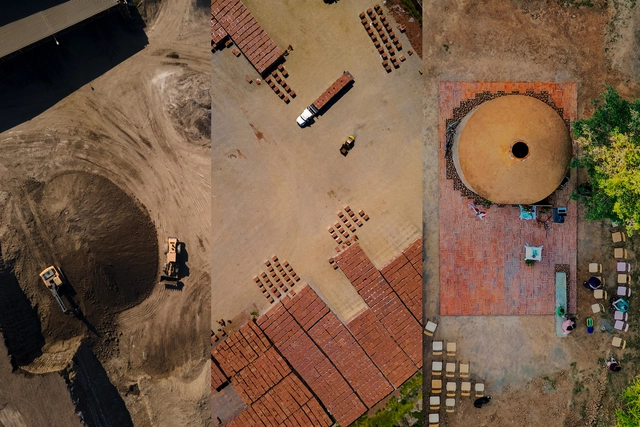
Among the range of existing materials, there is perhaps none as universal as brick. Its versatility and aesthetic honesty have made it a widely used resource in the construction of diverse spaces worldwide. Within Chilean architecture, the broad possibilities this material offers have been highlighted, having been exceptionally utilized by numerous architects. Furthermore, it has gained renewed relevance in architectural discourse, as exemplified by the book "Arcilla. Materia y Obra en Arquitectura." This is reflected throughout the history of Cerámica Santiago and its joint collaboration with the Faculty of Architecture and Art at UDD to promote the Brick Architecture Prize.
https://www.archdaily.com/1136376/matter-clay-and-construction-the-use-of-ceramic-brick-in-chilean-architectureEnrique Tovar
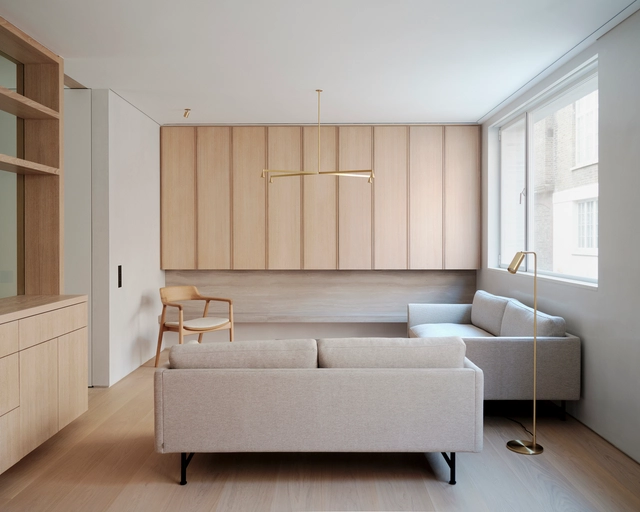
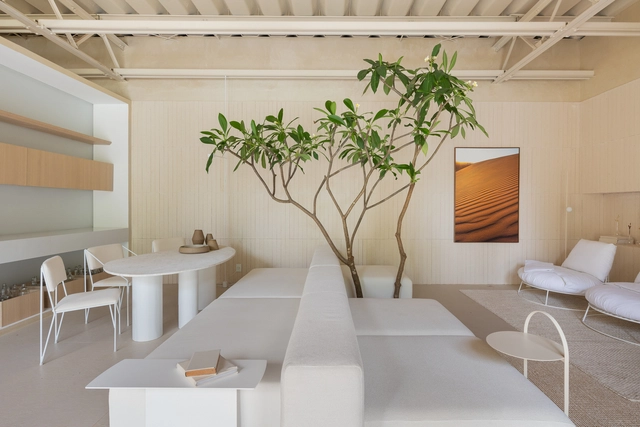
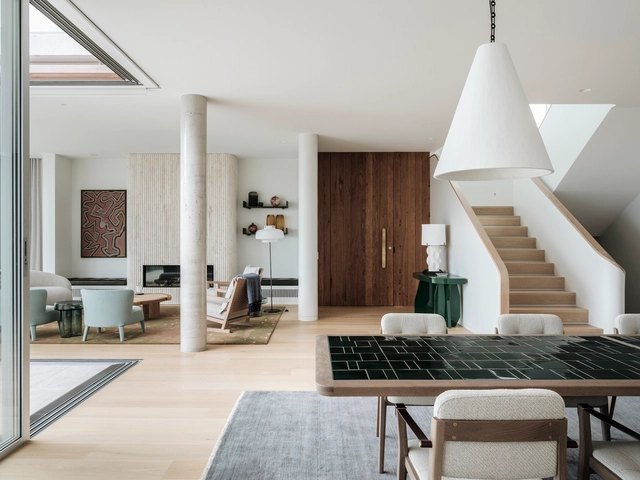
The history of 'neutral colors' is a fascinating journey through the evolution of human aesthetics and design sensibilities. Closely related to the makeup of materials organically found in nature, the color chorus of whites, grays, and earthy brown tones has played a pivotal role in artistic expression, fashion, interior design, and architecture for millenia. From the understated hues of early clay, straw, wood, or brick architectural structures to the now prevalent contemporary interior style, neutral colors have transcended cultural boundaries and continue to hold a special place in our visual landscape – offering a sophisticated elegance and versatility that has stood the test of time.
When it comes to forward-thinking interior design, adaptability, and timelessness are two key factors that can guarantee a home will look just as current years from now as it does today. One interior style that makes use of them more than any other is: contemporary. By borrowing elements from several prominent styles and combining them into a harmonic whole, contemporary interiors stay current even as trends move on. But what are the components that remain constant even with this ever-changing fashion? We explore seven evergreen design elements that define contemporary interiors.
According to the World Population Clock, the human population reached 8 billion on November 15th. According to the UN, this milestone represents a celebration of human longevity due to improvements in public health and medicine, but it also comes with warnings about inequality, limited access to food and resources, and environmental damage. Despite the impressive number, the annual World Population Prospect report shows that the global population is growing at the slowest rate since 1950, and it predicts a continued deceleration in the second half of this century.
As more than half of the worldpopulation lives in cities, an estimated 55.7%, according to UN-Habitat’s latest reports, the urban challenges are growing exponentially. The UN expects this number to increase to 68% by 2050, with close to 90% of this increase taking place in Asia and Africa. Accelerated urbanization can pose significant risks, such as increasing inequality, poverty, sectorized development, social exclusion, and pollution. In this context, a well-balanced urban agenda becomes crucially important in achieving inclusive, safe, and sustainable cities.
French studio Lacaton & Vassaland Chilean studio UMWELT have been revealed as the recipients of the 2016 Lisbon Architecture Triennale's Lifetime Achievement Award and Début Award, respectively. An award ceremony will take place on the 15th November 2016 at the Centro Cultural de Belém (CCB), followed by a conference convened by Anne Lacaton and Jean-Philippe Vassal.
The Lisbon TriennaleMillennium bcp Début Award was created to celebrate the achievements, and promote the careers of, young architects and practices under the age of 35.
More than 140 applications were received, representing five continents and including 39 countries including Portugal, Germany, Brazil, and Mexico, as well as Iran, Jordan, Sudan, and Palestine. The jury have praised the very high level of the proposals across the board.
https://www.archdaily.com/794248/malleco-governorship-francisco-javier-correa-cristobal-fernandez-pedro-hoffmann-andres-mas-sebastian-mundi-soledad-perez-martinezFlorencia Mena