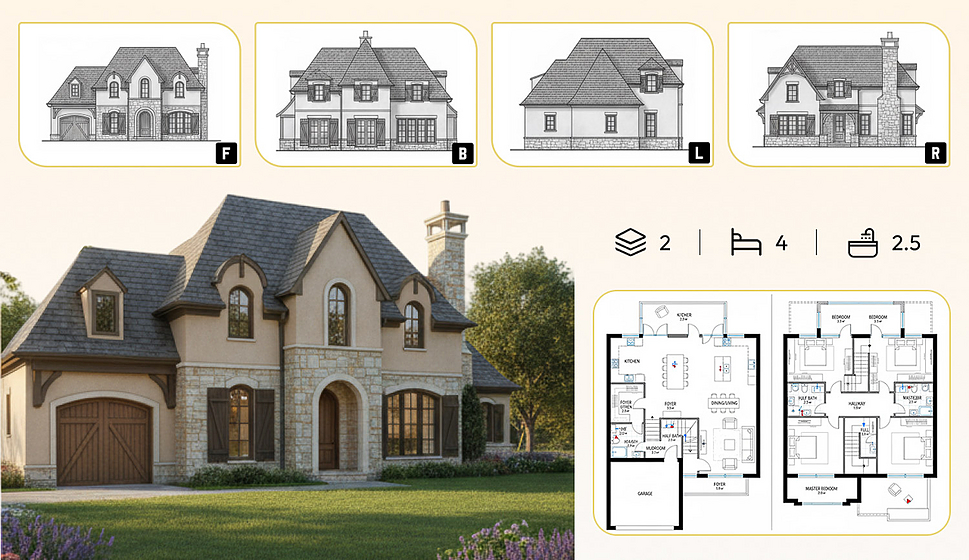
This guide covers a workflow that moves from project parameters to generated floor plans, 3D perspective views, exterior design exploration, and site context visualization, using AI tools in place of preliminary CAD and rendering work.
This guide covers a workflow that moves from project parameters to generated floor plans, 3D perspective views, exterior design exploration, and site context visualization, using AI tools in place of preliminary CAD and rendering work.

For years, advances in architectural visualization have been measured by image quality. Physically accurate lighting, sophisticated material systems, and real-time rendering have made photorealistic imagery an industry expectation. Yet architectural practice has evolved in a different direction.
Today, clients, consultants, engineers, and design teams contribute earlier and more frequently throughout the design process. Design reviews no longer simply present decisions. They increasingly become part of how those decisions are made.

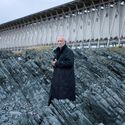
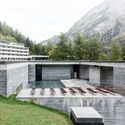
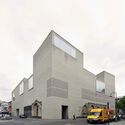
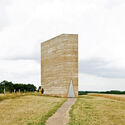
German filmmaker Wim Wenders is set to present "From Inside Out – The Architecture of Peter Zumthor," a new documentary examining the work and architectural approach of Pritzker Prize-winning architect Peter Zumthor. Running for 114 minutes, the film uses 3D cinematography to document Zumthor's buildings through the perspectives of visitors, users, inhabitants, and craftspeople. The documentary will have its world premiere in September 2026 as part of the Venice International Film Festival's Venice Open – Out of Competition program.


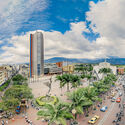
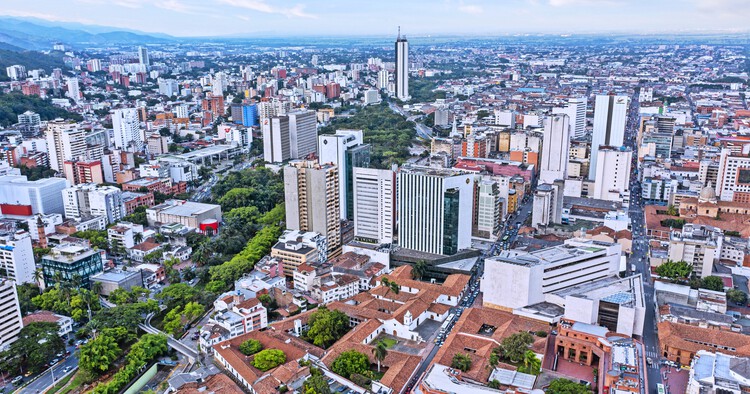
On Monday, 10 August 2026, a magnitude 7.4 earthquake struck Colombia's Pacific and Caribbean coasts. While the seismic event lightly affected the southern border of Panama and the northern border of Ecuador, Colombia has declared a national state of emergency. The earthquake has caused 111 deaths according to official reports, with the toll expected to rise as search and rescue efforts continue. According to the Servicio Geológico Colombiano (SGC), the epicentre was located 96 kilometres beneath the surface near San José del Palmar, a rural area in the northwest of the Chocó province. Infrastructure damage extends to densely populated cities including Cali, Pereira, Manizales, and Armenia, affecting an area with a population of about 3.5 million people. This seismic event follows four others that occurred less than two months ago in Japan, the United States, and Venezuela, adding to reconstruction efforts already underway worldwide.

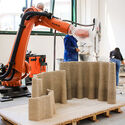
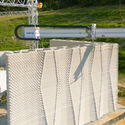
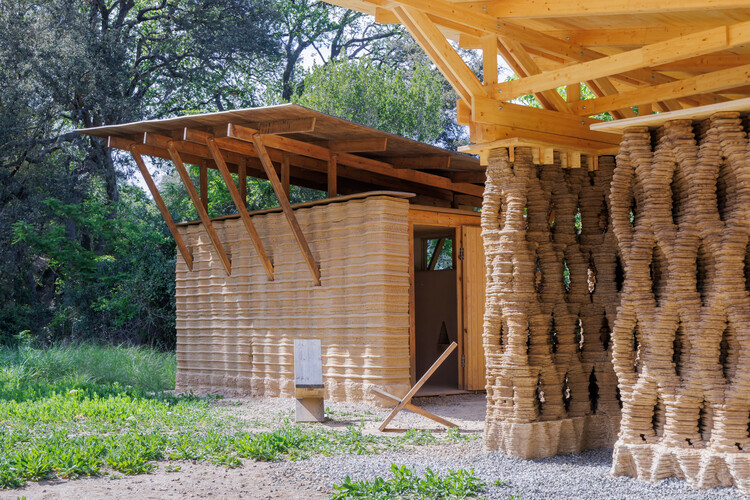
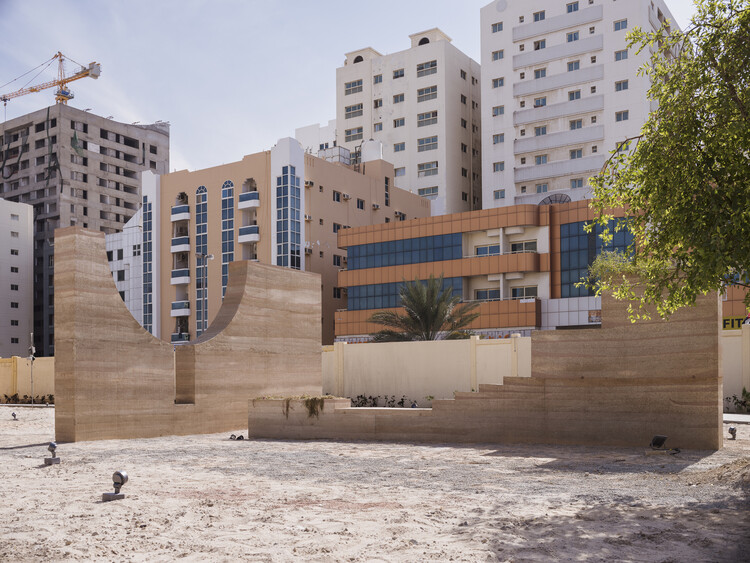
In 2021, a collaboration between the Italian architecture studio Mario Cucinella Architects and WASP, an Italian 3D-printing company, led to the development of TECLA: a house 3D-printed entirely from raw earth. Five years later, the technology behind it has grown, quietly spreading across several continents and design practices. By controlling the speed, angle, and path of the extruder nozzle, architects are able to create more than just walls. Throughout the years, they have been experimenting with how to shape the 3D-printed material into detailed surface motifs, reintroducing relief, texture, and intricate patterns directly into the structure. In this way, they are attempting to bridge earth-building traditions with digital computation, in an era where code is starting to influence form and material expression in architecture.


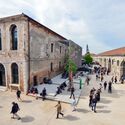
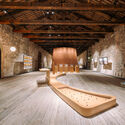
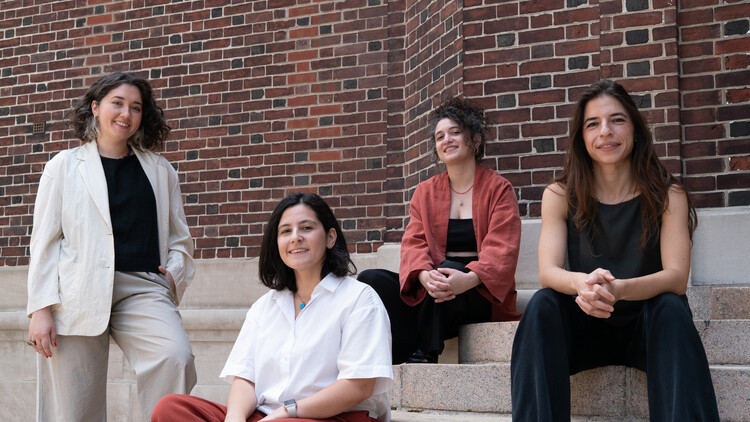
The Türkiye Pavilion has announced "Spolia Futures" as its official exhibition for the 20th International Architecture Exhibition of La Biennale di Venezia, which will take place from May 8 to November 21, 2027. Commissioned by the Istanbul Foundation for Culture and Arts (İKSV), the exhibition will be curated by ba-be commons, a research collective composed of Başak Eren, Asya Ece Uzmay, Beril Sarısakal Erkent, and Ece Yetim. The proposal was selected through an open call and two-stage evaluation process to represent Türkiye at the 2027 edition of the Venice Architecture Biennale. The proposal examines spolia, traditionally understood as the reuse of architectural elements, as an evolving architectural method rather than solely a historical practice.


Every year on August 9, and since 1994, UNESCO has commemorated the International Day of the World's Indigenous Peoples. The United Nations has not yet adopted an official definition for the term 'Indigenous peoples,' but considers, for social recognition, self-identified non-dominant groups of society, with distinct language, culture, and beliefs, organized in separate social, economic, and political systems. From a territorial perspective, the UN understands the term through historical continuity with pre-colonial or pre-settler societies, and the group's strong links to territories and surrounding natural resources. The persistence in maintaining and reproducing ancestral environments and systems is also recognized as an element of identity, encompassing other designations such as first peoples/nations, aboriginals, or ethnic groups. Following the occasion's aim to raise awareness, in this article we present contemporary reflections, regional cases, and interviews about ancestral constructive knowledge and how it can build the future.