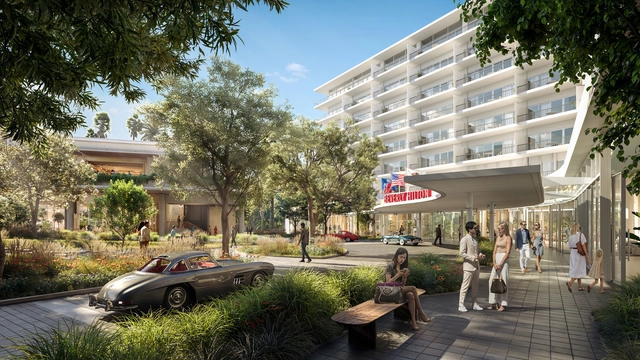
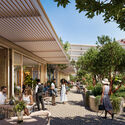
Foster + Partners has announced the start of construction on One Beverly Hills, revitalizing 17.5 acres of land in the city center. Proposing two residential buildings, a new hotel, a dining, and a retail pavilion, the development is expected to open in 2025. Designed in collaboration with design collective RIOS, who is leading the Landscape Architecture, the project features 10 acres of gardens and open space. The project’s masterplan, designed by Foster + Partners, also integrates existing landmarks like the Beverly Hilton and Waldorf Astoria Beverly Hills.
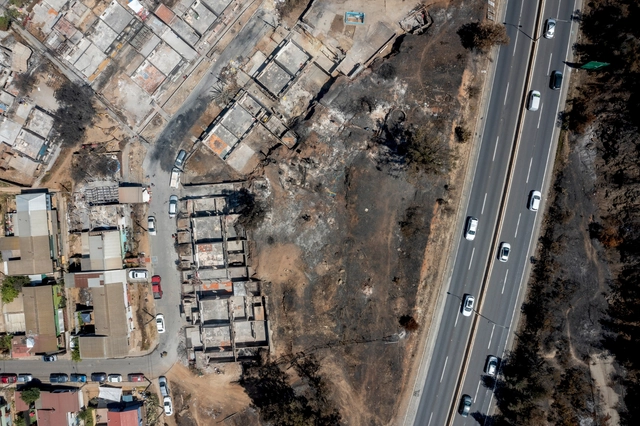
As of this writing, the death toll exceeds 130, with over 15,000 homes affected by the megafires in Valparaíso, Viña del Mar, and Quilpué, which struck Chile in early February 2024. Above all, this tragedy forces us to once again confront the lack of urban planning and to continue improving prevention, evacuation, and warning systems. These events also demand—once again—that we outline a diagnosis and concrete courses of action toward necessary adaptation.
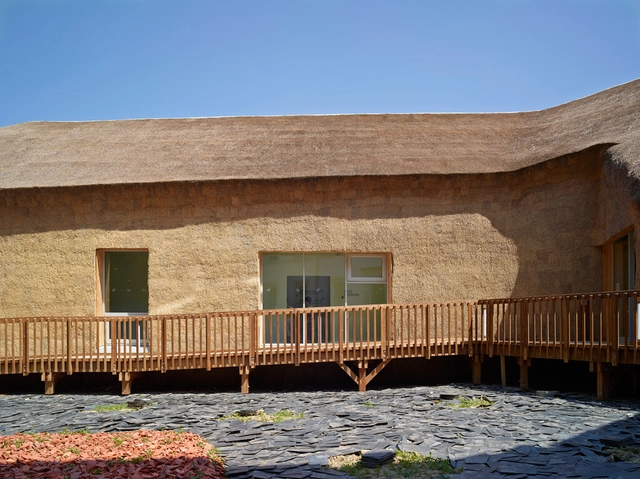
The use and demand for natural materials in architecture and interiors have enabled the revival of traditional construction systems updated for the contemporary context. What was once considered rustic is now being explored in more modern environments, therefore, the application of the material is also subject to new forms of fixing, coloring, and orientation (horizontal or vertical). Wood is the dominant material when it comes to traditional systems and environmentally sustainable materials. However, a material that has been used for centuries, equally sustainable and biodegradable, and has received less attention is straw.
The official website of the Pritzker Prize has stated that the 2024 laureate will be announced on March 5 at 9 am EST. Granted annually, since 1979, to a living architect or architects with significant achievements to humanity and the built environment, the Pritzker Architecture Prize is considered to be "the profession’s highest honor."
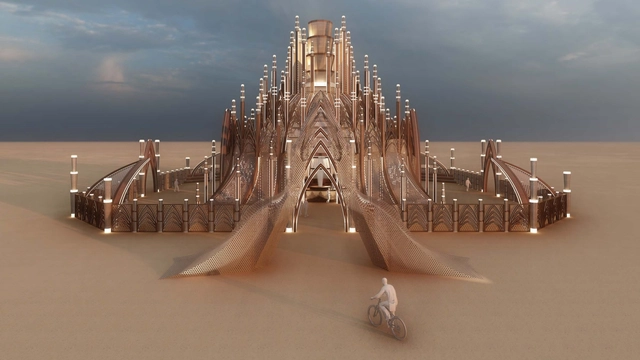
emple of Together by Caroline Ghosn, 2024. Design rendering by Maissa Sader. Image Courtesy of Burning Man
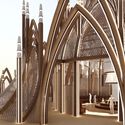
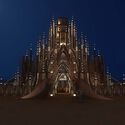
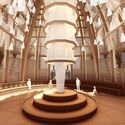
The annual festivalBurning Man has revealed the design of the 2024 Temple at Black Rock City, which will become the central installation during the festival happening between August 25th and September 2nd, 2024, in Black Rock Desert, Nevada. Titled “The Temple of Together,” the proposal is designed by Caroline Ghosn, the first BIPOC, female Temple lead artist. The proposal takes cues from neo-gothic religious architecture, combined with Art Deco styles and Lebanese Khaizaran weaving techniques to create a symbol of unity and respect. The design was selected following an international competition that seeks to find novel interventions that fit within the Burning Man tradition.
Qatar Museums has just revealed the roster of designers and exhibitions for the inaugural edition of Design Doha. Running from February 24 to August 5, 2024, Design Doha is a new Design Biennial showcasing over 100 Middle Eastern and North African designers. The announcement outlines six exhibitions launching during the first week, spotlighting innovation within Qatar and the region at large.
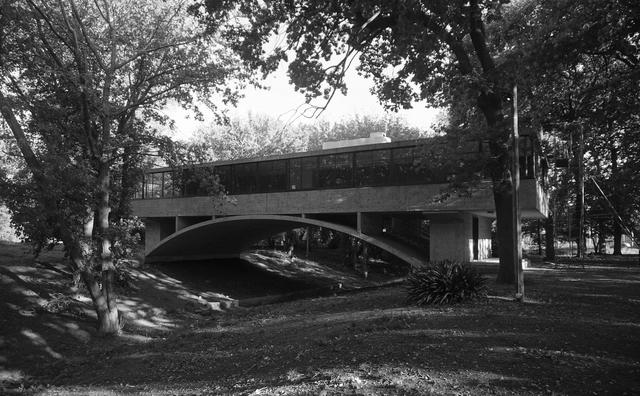
By December 1956, Mario Soto and Raúl Rivarola received the first prize to build four schools in the province of Misiones, Argentina. That was followed by the first prize for the construction of six hostels, the commissioning of the project for the Escuela Normal Superior N° 1 in Leandro N. Alem, and the first prize for the construction of the Instituto de Previsión Social y Hotel in the city of Posadas. Their works in Misiones, developed within the framework of the process of provincialization of the national territories that took place between 1951 and 1955, have provided the opportunity to study themes such as the link between the State and architecture, the connection between technique and politics, state architecture and avant-gardes, the dilemma of styles, among many others.
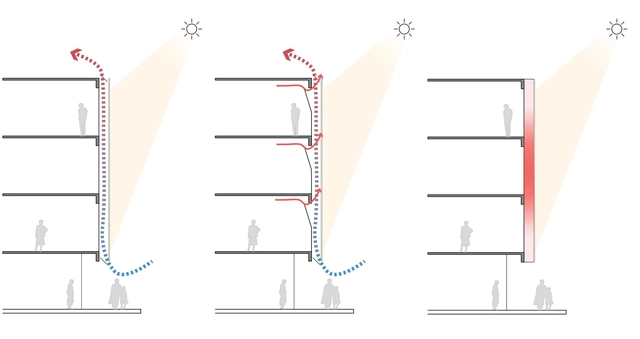
Double skin façades: Almost a self-explanatory name for façade systems consisting of two layers, usually glass, wherein air flows through the intermediate cavity. This space (which can vary from 20 cm to a few meters) acts as insulation against extreme temperatures, winds, and sound, improving the building's thermal efficiency for both high and low temperatures. Perhaps one of the most famous examples of double-skin facades is Foster+Partners' 30 St Mary Ax Building, "The Gherkin."
The airflow through the intermediate cavity can occur naturally or be mechanically driven, and the two glass layers may include sun protection devices.
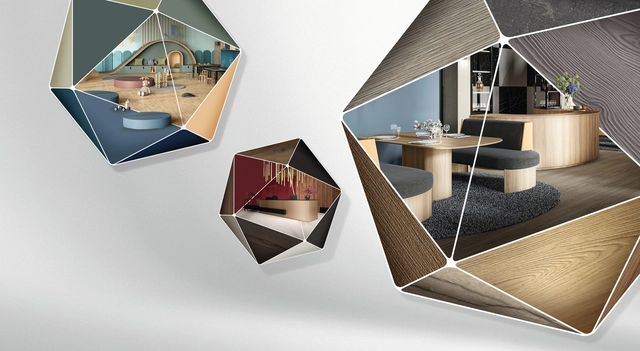
Nowadays, the cycles of change around society and architecture have generated new urban models, emerging technologies, and design trends that underline the need for constant adaptability in all areas. In this context, aspects such as flexibility, reliability, and simplicity emerge as distinctive elements, both in architecture and in the components that constitute it, including materials. This is why lines such as the EGGER Decorative Collection 24+, crafted from wood-derived materials, seek to redefine concepts through a rolling series, updated at most every two years. This dynamic enables a more agile response to new trends, influences, and product innovations that arise in the built environment.
https://www.archdaily.com/1012771/from-wood-stone-steel-and-uni-colors-a-decorative-collection-for-fast-moving-trendsEnrique Tovar
After two weeks of open voting in the 15th edition of the Building of the Year Awards, our readers have meticulously narrowed down a pool of over 4,000 projects to a select group of 75 finalists spanning 15 categories. This year's awards enthusiastically honor the pinnacle of design, innovation, and sustainability on a global scale, showcasing an exceptional range of projects within the shortlist. As a crowdsourced award, we take pride in affirming that your selections authentically mirror the current state of architecture, and the caliber of this year's finalists further underscores the excellence and diversity prevalent in the field.
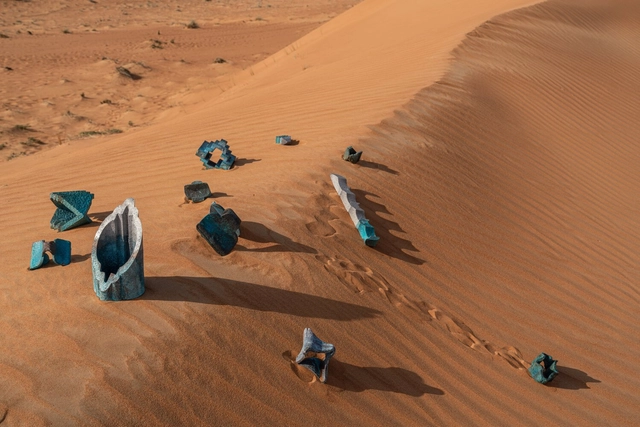
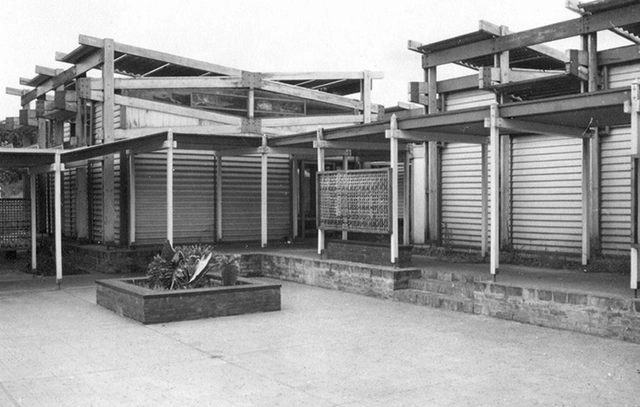
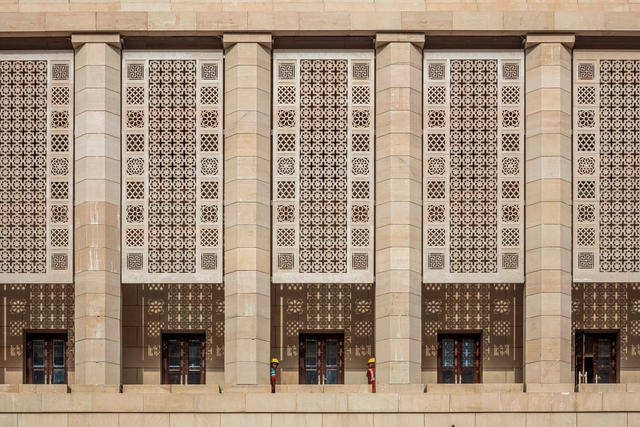
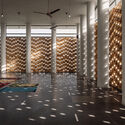
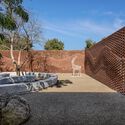
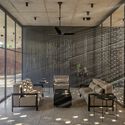
As the architecture industry shifts its focus towards greater sustainability and energy efficiency, many modern projects in the world’s hottest (and getting hotter) environments are unearthing more traditional ways to control temperature, light, and ventilation by learning from the past to save us from the future.
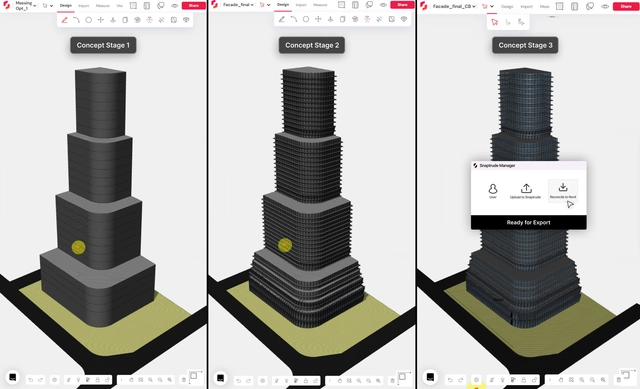
In any architectural design project, the transition from conceptual design to schematic design typically marks the evolution from broad ideas and massing studies to more detailed and refined planning. While this transition may seem straightforward, architects often find themselves facing a bottleneck that complicates the seamless flow of the creative process- particularly due to siloed tools and workflows.
During initial feasibility studies, conceptual surface modeling tools provide fertile ground for shaping spaces and manipulating forms. They allow for quick iterations and facilitate building the essence of the design. However, these models lack the inherent data understood by BIM software like Revit and ArchiCAD. As a result, eventually transitioning to such BIM tools for further detailing leads architects to face a series of technical limitations and rework.
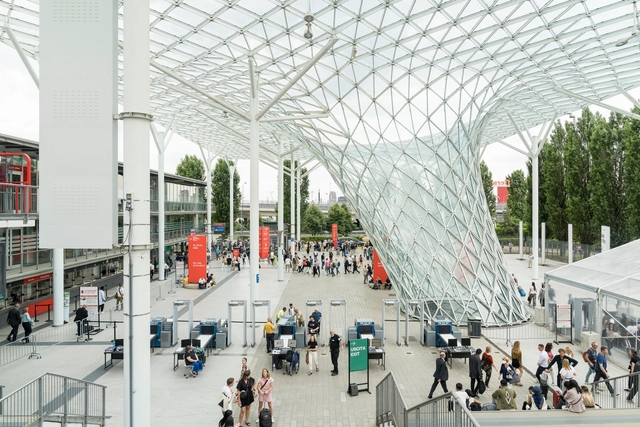
Salone del Mobile.Milano has announced the opening dates and events program, expanding the trade fair event to encompass more narratives and projects relevant to the design community. The 62nd edition will take place at Rho Fiera Ilano from April 16 to 21, 2024. It is expected to include over 1900 exhibitors from around the world, with contributions from emerging designers and several design schools under the recurring SaloneSatellite, now in its 25th-anniversary edition. The cultural program also includes immersive installations, like David Lynch’s “Thinking Rooms.”
In the highlands of the Central Andes, one finds the "bofedales." Known by some as 'high Andean wetlands,' bofedales are ecosystems and landscapes crucial for water regulation and storage in the Andes. Moreover, they are natural infrastructures that constitute a material and immaterial heritage to address contemporary climate crises and to sustain local Andean communities, which have nurtured them for generations.
https://www.archdaily.com/1012952/bofedales-natural-infrastructures-and-andean-landscapesDiego Vivas
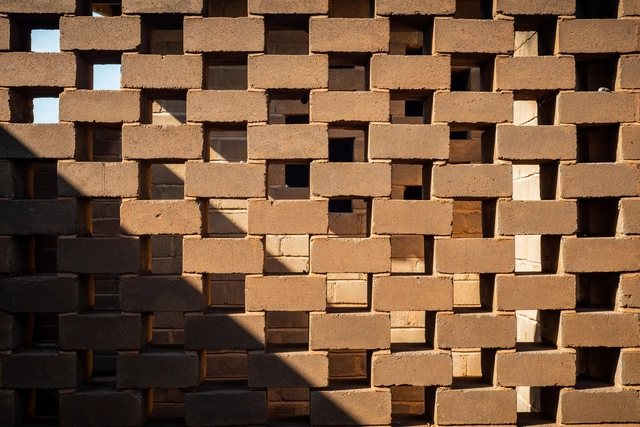
Bricks are part of the collective imagination when thinking about construction. These are elementary, ubiquitous, modular, light, and reliable materials for erecting buildings. However, traditional ceramic block manufacturing relies on burning clay in kilns at high temperatures, often powered by non-renewable fossil fuels such as coal or natural gas. Furthermore, the transportation process significantly increases its environmental footprint, as the materials are heavy and bulky. In light of this, there is a growing interest in alternative construction materials that offer a lower environmental impact and greater sustainability. Soil cement bricks –or Compressed Stabilized Earth Blocks– are a good example of an existing alternative, as they have a smaller environmental footprint due to their use of local raw materials and the elimination of the burning process, while maintaining many of the intrinsic qualities of traditional bricks.
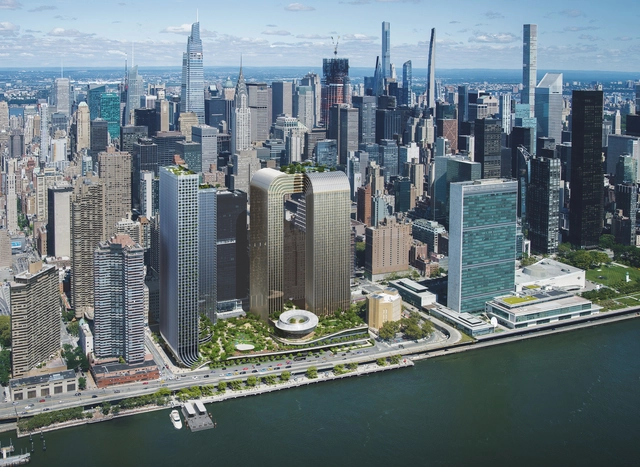
Located along Manhattan’s East River waterfront, the Freedom Plaza sets out to create a new civic and cultural hub, introducing a new open and green space in the crowded area, with plans to add an in-park Museum of Freedom and Democracy. Additionally, the scheme designed by BIG-Bjarke Ingels Group includes affordable housing units, two hotels, retail, and restaurants. Developed by Soloviev Group and Mohegan, the Freedom Plaza development reimagines one of the largest undeveloped plots in Manhattan, measuring 6.7 acres located south of the United Nations headquarters in the Midtown East neighborhood.
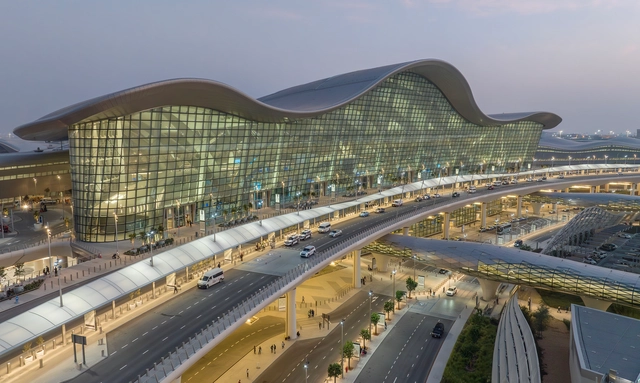
The Abu Dhabi International Airport has been officially renamed Zayed International Airport, Terminal A. Designed and executed by KPF, the revamped complex will accommodate up to 45 million passengers annually, doubling the airport’s capacity. Informed by the desert's natural landscape and Islamic culture's geometric motifs, the terminal was designed considering the Emirate’s surrounding context.
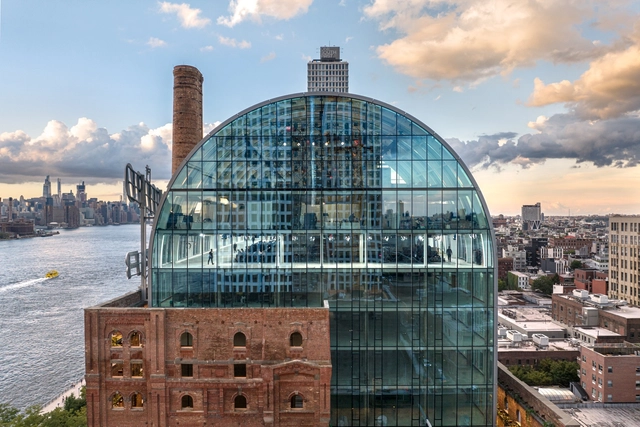
Domino Sugar Refinery / PAU - Practice for Architecture and Urbanism
In the same way that societies transform, times change, and cities evolve, industrial architecture modernizes and becomes more technological, sometimes reaching a state of abandonment or ruin. Understanding its value as a built legacy and being vestiges of technological, social, and cultural changes, the renovation and/or conversion of numerous factories and industrial warehouses can lead to the revitalization, recovery, or growth of various areas in large cities by incorporating new uses and spaces for the enjoyment of its citizens.
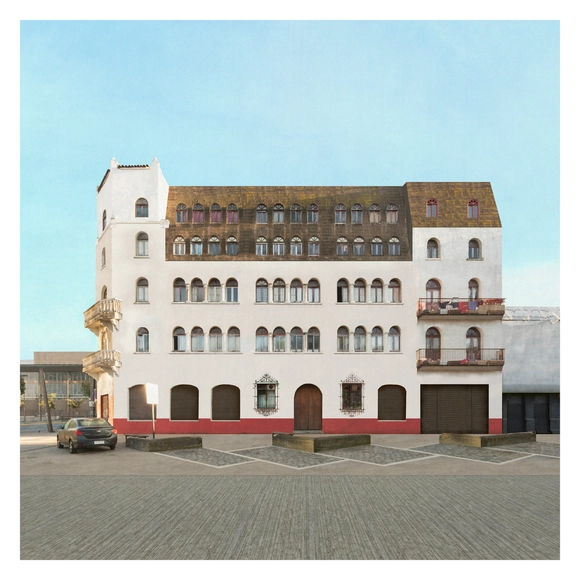
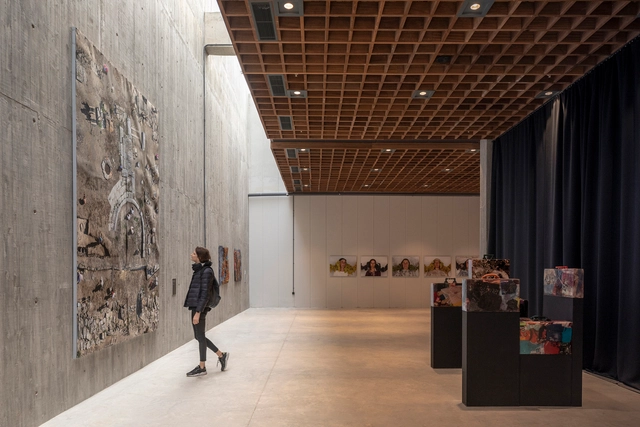
The images in this exhibition seek to create a space for reflection on a condition that can be extrapolated to the current state of the city of Concepción, Chile. They offer a simultaneous view of architectural works related by technique, scale, or construction period, capturing the distinctive identity that defined the city over the last 100 years—one that is currently threatened by an urban renewal process far removed from the motivations that gave rise to its heritage legacy.
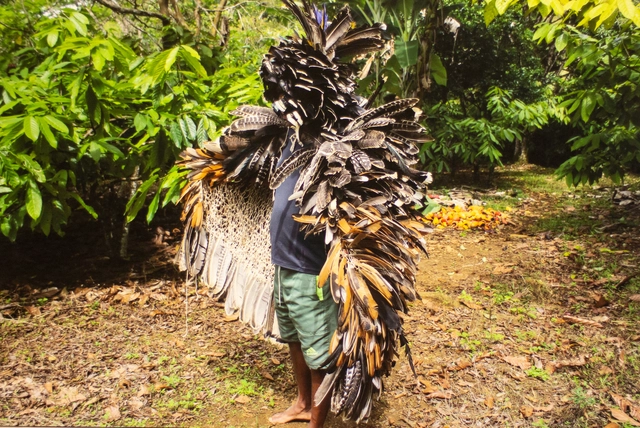
Glicéria Tupinambá. Tupinambá cloak, 2023. Courtesy of the artist. Photo: Glicéria Tupinambá
Hãhãwpuá is the name used by the Pataxó Indigenous people of Brazil to refer to the land, the soil, or, more precisely, the territory that after colonization became known as Brazil, though it has had—and still has—many other names. Amidst all these “Brazils,” Brazil as Indigenous land is the focus of the country's pavilion at the Venice Art Biennale 2024, which has consequently been renamed the Hãhãwpuá Pavilion.
Architecture is the design of spaces for human occupation. Despite architects’ skill in designing spaces to influence human behavior there often is a shortfall in anticipating and reacting to occupants’ behavior. To create environments that boost well-being, productivity, and social engagement, a symbiotic relationship between buildings and human behavior must be fostered. The intersection of architectural and anthropological studies forms an insightful framework for the design of physical spaces informed by human behavior and cultural context.
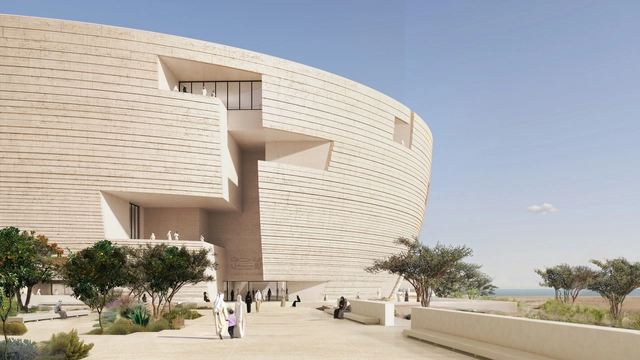
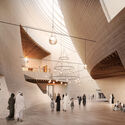
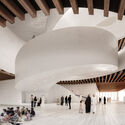
Qatar Museums has released renderings showcasing the future Lusail Museum, designed by Swiss architecture office Herzog & de Meuron. The museum will house one of the largest collections of Orientalist art, exploring the movement of people and ideas across the globe and over the centuries. The new institution also strives to provide opportunities for high-level study for scholars, academics, policymakers, and curators. Consequently, the building is conceived as “a vertically layered souk, or miniature city contained within a single building,” aiming to encourage conversations, debates, and meditation on global issues.
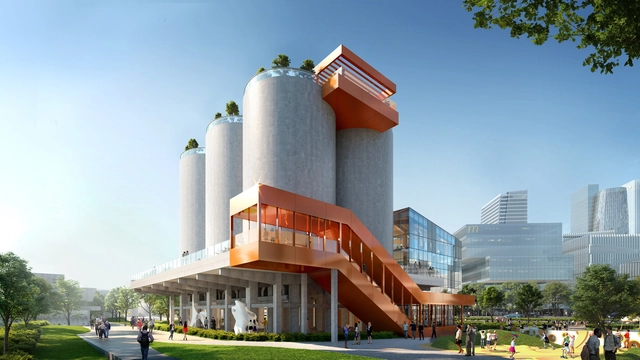
Courtesy of MVRDV | Ucharm | MVRDV Gate M West Bund Dream Cente
MVRDV has just introduced its comprehensive plan and architectural vision for the construction of the Gate M West Bund Dream Center in Shanghai. Formerly home to a cement plant factory, the design uses the existing structures for cultural programs and combines them with new structures to house new functions. The Dream Center aims to revitalize the riverbank area into a thriving cultural and recreational district.