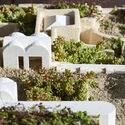
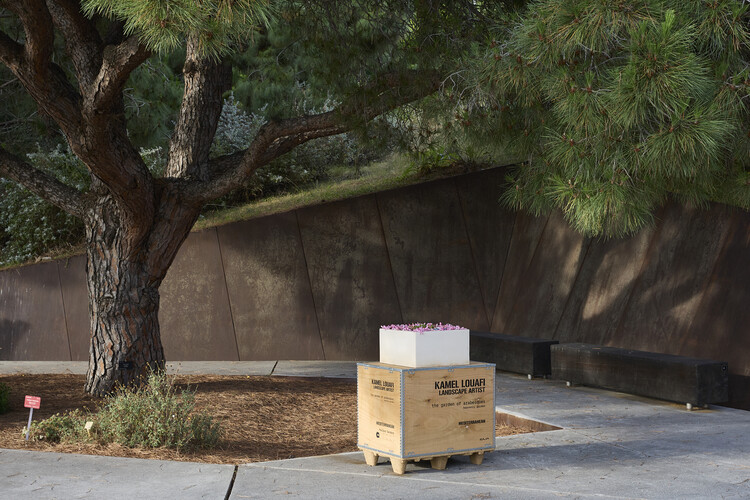
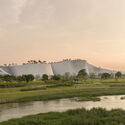
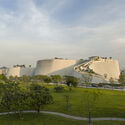
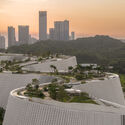
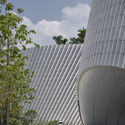
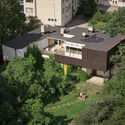
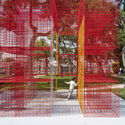
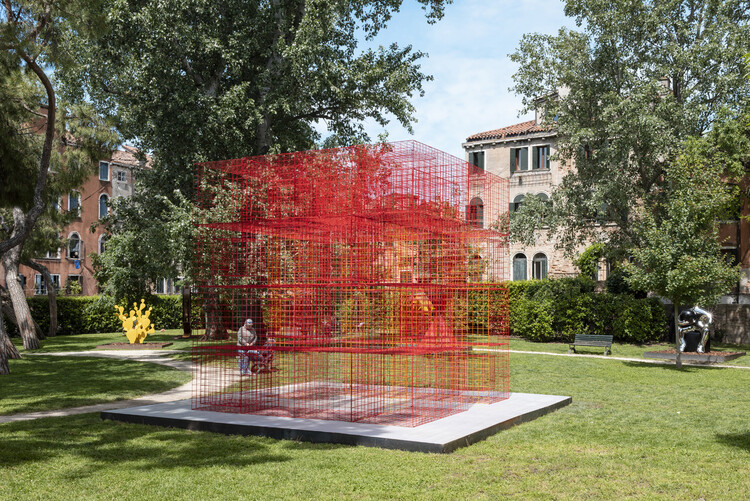
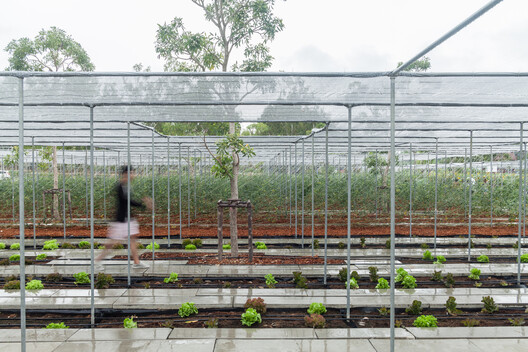
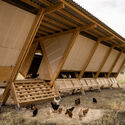
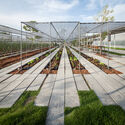
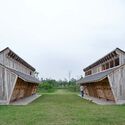
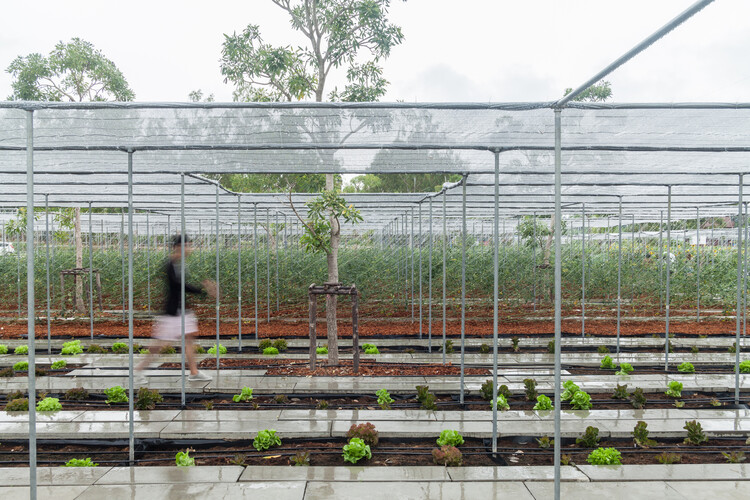
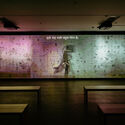
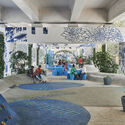
Parlour Gardens exhibition at Barcelona's Botanical Garden. June to October 2026. Image Courtesy of Marina Cervera
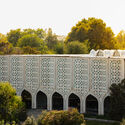
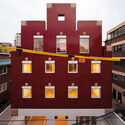
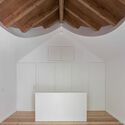
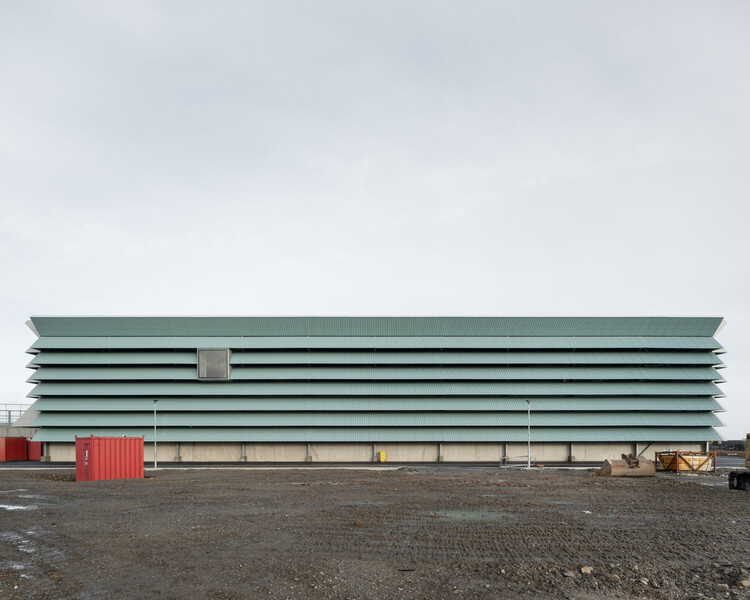
As part of the official programme for Barcelona as the UNESCO-UIA World Capital of Architecture, the Jardí Botànic de Barcelona is hosting "Parlour Gardens: Dreams from the Rooftop," a display of ceramic installations proposing a journey through landscape architecture. Curated by Marina Cervera (Barcelona International Landscape Biennial, CEO of NablaBCN), James Hayter (former president of IFLA, Oxigen), and José Luis Cortés (former president of the UIA), the exhibition marks a century since the 1926 invention of the jardinets de saló (living room or parlour gardens), miniature ceramic landscape worlds created originally by Nicolau M. Rubió i Tudurí, Llorenç Artigas, and Raoul Dufy. Installations by 14 global landscape architects will be scattered across the botanical grounds, grouped by homoclimatic zones to pair each design with fitting regional plant life, through 4 October 2026.
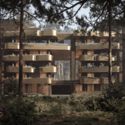
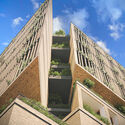
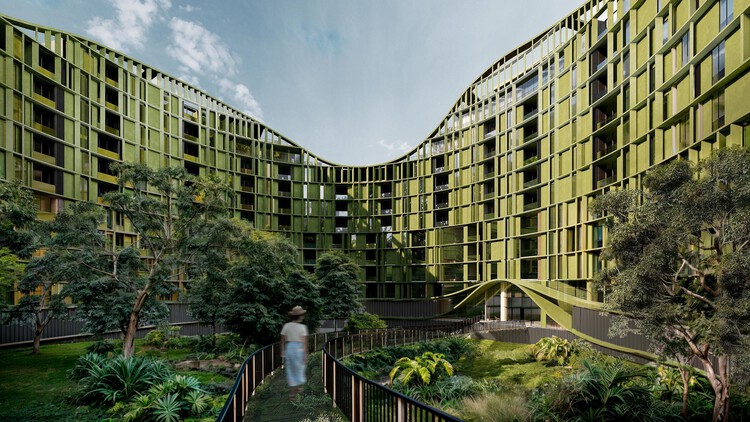
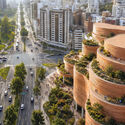
Contemporary housing architecture faces the pressing demands of the global housing deficit and growing urban populations. In architectural practice, we see recurring experimentation with new forms of collective living, taking on the task of offering spaces for personal, family, and community development. The six unbuilt projects presented here show us different facets of the decision to densify: the relationship with pre-existing and planned nature, the availability of urban or suburban land, the development of complementary intermediate spaces that support collective life and ease the experience of density, the replicability of densification models, and the relationship with the neighborhood that accommodates population growth.
Beyond the structural grids lies a layer of design that dictates how a room feels the moment someone crosses the threshold. Recorded live at Milan Design Week 2026 in partnership with INDX|GLOBAL, the final episode of the Room For Dreams podcast covers the unseen atmospheric energy that gives architecture its emotional weight.
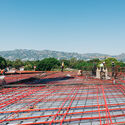
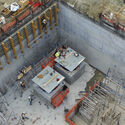
August 2023; An aerial perspective captures the sprawling scale of the horizontal construction sequence as the structure begins taking its organic shape across the site.. Image Courtesy of Clark Construction
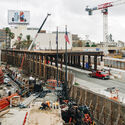
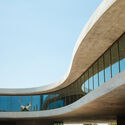
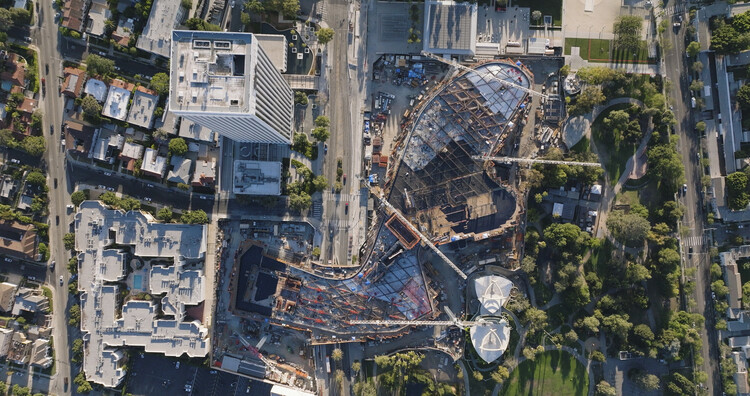
The recently opened David Geffen Galleries at LACMA are the result of more than a decade of effort across many fronts: the city, the county, the public, the architect, the engineers, the general contractor, and the many builders involved in translating an ambitious and visionary design into built form. The project has also been subject to unusually intense scrutiny, with responses ranging from admiration for its meticulous construction and architectural ambition to criticism of its scale, cost, concrete mass, and engineering complexity in earthquake-prone Los Angeles. Whatever one's position, the building remains an exceptionally sophisticated case study in how architecture is negotiated through construction.
This conversation approaches the David Geffen Galleries from the perspective of Clark Construction, the general contractor responsible for helping bring Peter Zumthor's design to completion. Carlos Gonzalez, Group President at Clark Construction, oversaw the construction process and shared with ArchDaily some of the technical, material, and logistical challenges behind the building. These range from its monolithic concrete structure and extensive post-tensioning system to the 56 seismic isolators that allow the building to move during an earthquake; from unpredictable ground conditions near the La Brea Tar Pits to the fabrication of solid bronze mullions and the integration of mechanical systems within the building's double-deck concrete structure.
This week was marked by recognition and major announcements for the cultural industry. Amid international reports of both deliberate and natural destruction, UNESCO added 25 new sites of Outstanding Universal Value to its World Heritage List, protecting a diverse range of places that includes funerary landscapes and landmark works of modern architecture. Beyond heritage, contemporary architectural practice also received renewed recognition through Alejandro Aravena and Smiljan Radić, while new developments were announced for cultural projects across the United Arab Emirates, Ecuador, China, India, and the United States. Recent updates include the restoration of a landmark cinema in Los Angeles, a new museum dedicated to innovation and entrepreneurship in Bengaluru, and the topping out of a 39-story hybrid timber tower in Sydney.
In a slim volume with a yellow-edged cover, recently published by the Porto-based imprint Circo de Ideias, the architect Paulo Martins Barata (a founding partner of Promontório) makes a deceptively bold claim that the architecture produced in Europe since the Great Recession belongs to neither of the two camps that structured the twentieth century's fiercest disciplinary debate.
The Language of Metamodern Architecture borrows its title, with evident irony, from Charles Jencks' 1977 The Language of Post-Modern Architecture, the book that famously declared modern architecture dead at 3:32 pm on July 15, 1972, with the demolition of Pruitt-Igoe. His wager is that another death, never officially certified, occurred somewhere around 2008, and that architecture has been living, mostly unaware, in what grew up around the grave.
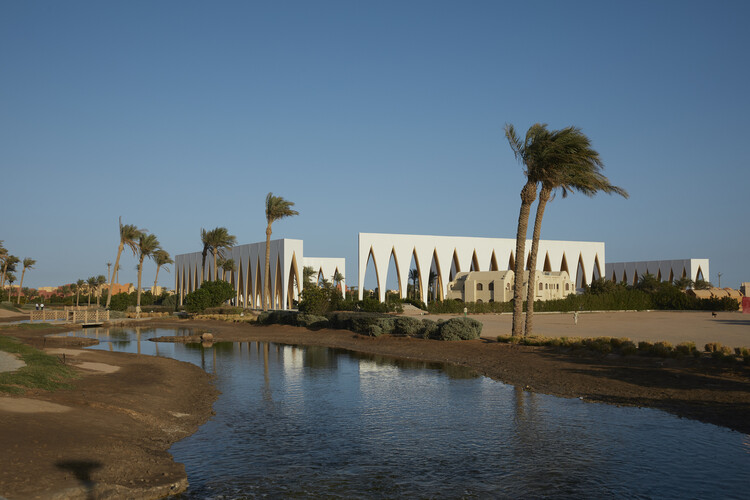
Architecture has long been defined by permanence. Buildings are celebrated because they endure, cities because they establish permanence against uncertainty, and monuments because they resist the passage of time. Some of humanity's oldest urban traditions emerged in landscapes where permanence alone could never guarantee survival. Across the deserts of North Africa and the Arabian Peninsula, oasis settlements developed not as isolated refuges from an empty wilderness, but as carefully maintained pauses within landscapes already shaped by movement. Long before highways and airports connected continents, caravans, pilgrims, pastoralists, and merchants traversed these territories through networks of wells, irrigation systems, cultivated groves, and market towns. The oasis was never the end of a journey. Wells, shaded palm groves, irrigated fields, and caravan markets allowed the next stage of the journey to begin.
Videos
Competition Site facing east, White Bay Power Station in foreground. Image Courtesy of NSW Government
The White Bay Power Station precinct and Glebe Island, two key sites in one of the last major redevelopment sites on Sydney's inner harbour, are the focus of a new international design competition launched by the New South Wales Government. The open, two-stage Bays West International Design Competition seeks a design-led Urban Framework that will guide the transformation of the precinct into a new waterfront neighbourhood.
The UNESCO World Heritage Committee has announced 25 new inscriptions to the World Heritage List during its 48th session, expanding the international register with sites that reflect a wide range of architectural, cultural, and natural heritage. The 2026 additions include 19 cultural properties, five natural sites, and one mixed property, alongside approvals for two significant boundary modifications and one revision to the criteria of an existing inscription. Spanning every inhabited continent, the newly recognized places range from archaeological landscapes and historic urban centers to modernist architecture and industrial heritage, underscoring the diversity of the built environment and the evolving scope of heritage conservation.
On Monday, 27 July, the shortlist of finalists for the 2026 National ArchitecturePrize was presented at an extraordinary session of the National Board of the Colegio de Arquitectos de Chile (Chilean Institute of Architects). Representing the institution, the five board members jointly awarded the prize to architects Alejandro Aravena Mori and Smiljan Radić Clarke, in recognition of their contributions to positioning Chilean architecture internationally. Both architects have been awarded the Pritzker Architecture Prize: Aravena in 2016 for his work with ELEMENTAL, and Smiljan Radić Clarke this year. The institution also recognised the quality of their work and the contribution of both professionals to the local development of the discipline, as two major figures in architecture from the context of a small country at the southern end of the world.
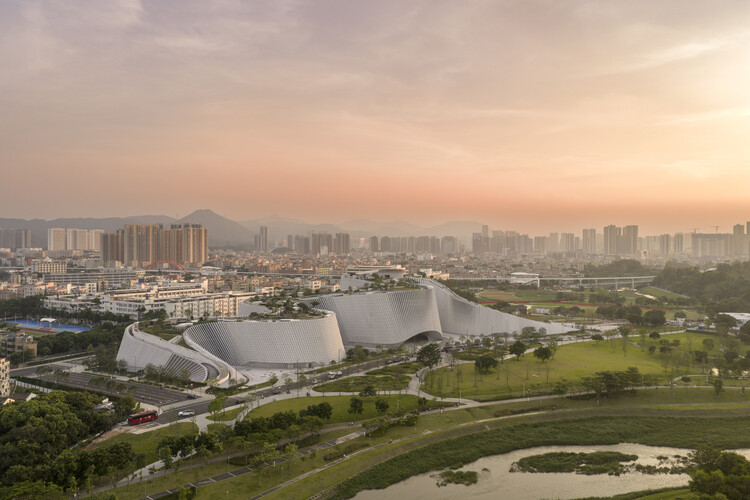
Designed by the 3XN, B+H Architects, and Zhubo Design consortium, the Shenzhen Natural History Museum has opened to the public in Shenzhen, China. Covering more than 100,000 square meters, the institution is the largest natural history museum in South China and among the largest recently completed museums of its kind worldwide. Developed as part of Shenzhen's expanding cultural infrastructure, the project brings together exhibition, research, education, and public space within a single civic destination. 3XN led the architectural design, B+H Architects served as lead consultant, executive architect, and landscape architect, and Zhubo Design provided local technical expertise and regulatory coordination throughout the project's development.
Examining the evolution of dwelling throughout history reveals that concepts of space, time, identity, and home extend far beyond architecture itself. From the early twentieth century to the present, human development has been shaped by accelerating economic, social, cultural, and technological transformations. Advances in information and communication technologies have fostered a world of constant connectivity, a phenomenon that can, at times, disconnect individuals from the physical spaces they inhabit. Amid an ever-growing flow of stimuli, interactions, and digital platforms, shared living across multiple architectural scales and programs presents both a challenge and an opportunity to reconnect people with their surroundings through design strategies that support the freedom of movement and flexibility demanded by contemporary life.
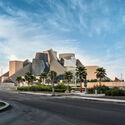
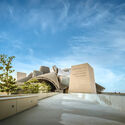
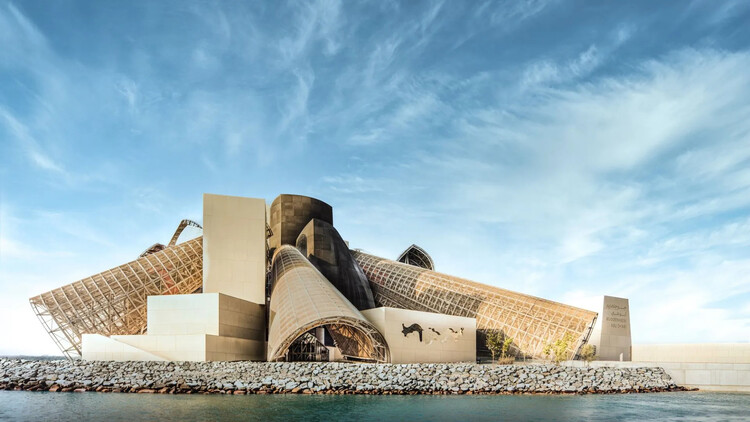
Abu Dhabi's Department of Culture and Tourism has announced that Guggenheim Abu Dhabi will open to the public on December 11, 2026, on Saadiyat Island. The museum, designed by the late Frank Gehry, becomes the fourth institution in the Guggenheim's global network, joining outposts in New York, Venice, and Bilbao.
The project was first announced in 2006. Construction began in 2011, was suspended for several years amid economic strain and contract changes, and resumed in 2019. A 2025 completion date, set in 2021, ultimately slipped to this December.
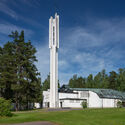
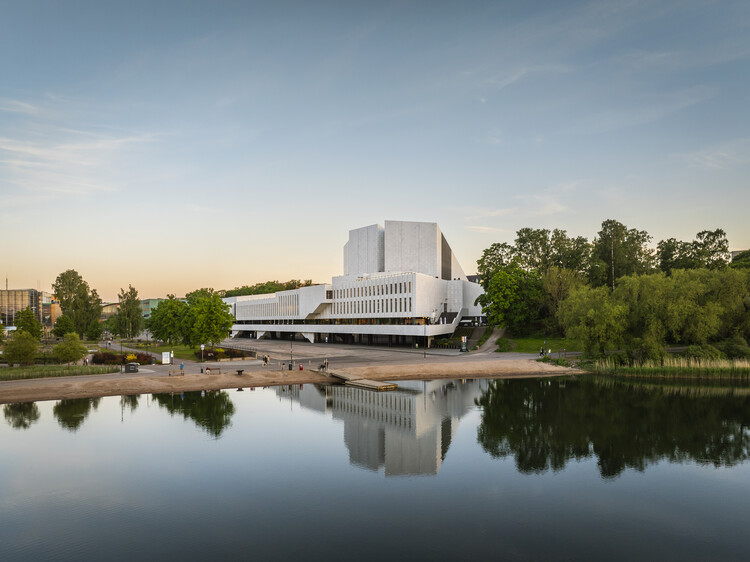
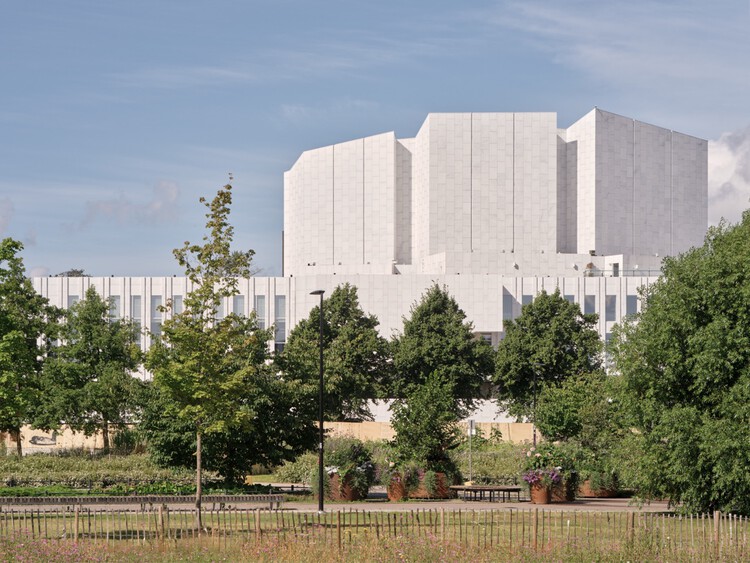
The UNESCO World Heritage Committee has inscribed Aalto Works, a collection of thirteen buildings and architectural ensembles across Finland designed by Aino Marsio-Aalto, Elissa Aalto, and Alvar Aalto, on the UNESCOWorld Heritage List. The designation recognizes the international significance of a body of work that helped redefine modern architecture through a human-centered approach, emphasizing the relationship between buildings, everyday life, nature, and social well-being. Spanning projects completed between the late 1920s and the 1980s, the series represents Finland's contribution to the Modern Movement while acknowledging the collaborative practice of the Aaltos and their studio.
The European Cultural Centre Italy has announced the finalists of the ECC Awards, presented as part of Personal Structures – Confluences, the eighth edition of its international contemporary exhibition, running in parallel with the VeniceArt Biennale. Running in Venice from 9 May to 22 November 2026 across Palazzo Bembo, Palazzo Mora and the Marinaressa Gardens, the exhibition provides the backdrop for the awards, which celebrate artistic practices engaging with the show's theme, Confluences, through research, interdisciplinarity and dialogue with place. The winners will be announced on 22 November 2026, during the exhibition's closing event.
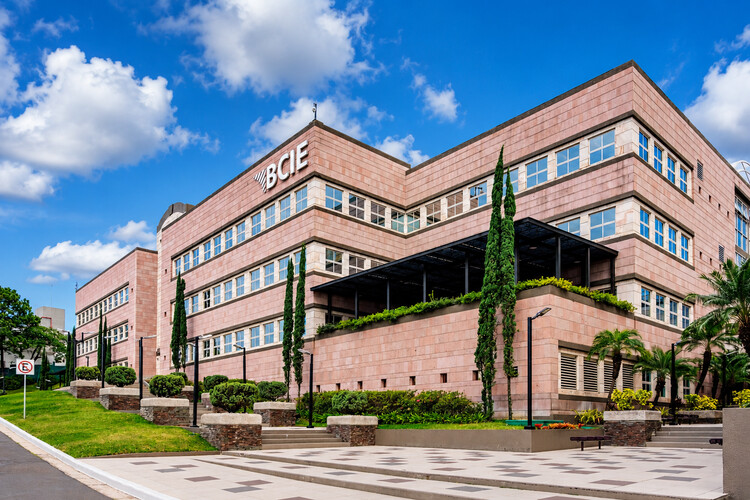
Pedestrian view of BCIE headquarters in Tegucigalpa. Image Courtesy of Banco Centroamericano de Integración Económica (BCIE)
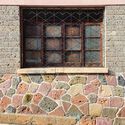
Central America's nations occupy a narrow land bridge between Mexico and Colombia, but they were not born as separate countries. They emerged from a single entity: the Federal Republic of Central America in 1823. That federation collapsed, yet the ideal of a unified region never fully died. In 1951, the governments signed the Charter of San Salvador, creating ODECA, the Organization of Central American States. Four decades later, the 1991 Protocol of Tegucigalpa replaced it with SICA, the Central American Integration System, the framework guiding regional cooperation today. Within this integration process, the Central American Bank for Economic Integration (BCIE) was founded in 1960 by Guatemala, El Salvador, Honduras, and Nicaragua, establishing its headquarters in Tegucigalpa. On the surface, it is a conventional late-20th-century office complex, but look closer at its façade, and the building becomes an argument about identity. One written in pink quarry stone from the very hills that surround the Honduran capital.
Recorded live at Milan Design Week 2026 in partnership with INDX|GLOBAL, the tenth episode of the Room For Dreams podcast looks at how buildings outgrow their original blueprints. Architects Parvez Alam and Priyanka Arjun, alongside interior designer Aditi Sharma, discuss why the best architecture is never truly finished.
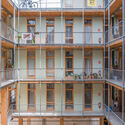
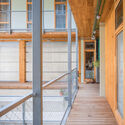
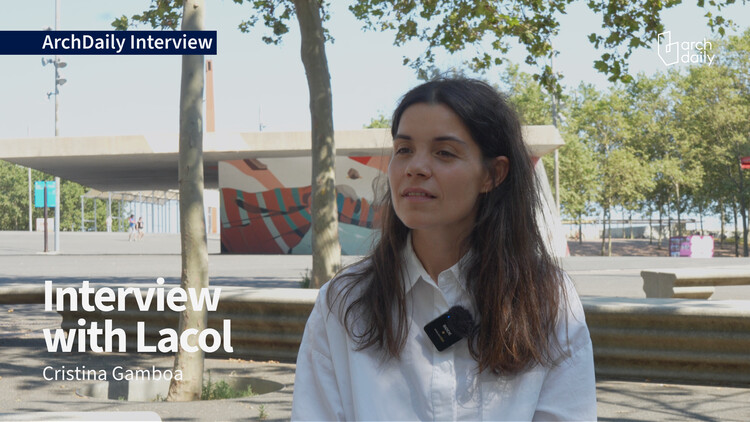
At the UIA World Congress of Architects 2026 in Barcelona, discussions surrounding the future of housing frequently extended beyond questions of design to include governance, ownership, and long-term stewardship. Among the speakers contributing to these conversations was Cristina Gamboa, co-founder of the Barcelona-based cooperative Lacol, whose practice combines architecture, housing advocacy, construction management, and environmental research through a cooperative model. During the Congress, ArchDaily spoke with Gamboa about how cooperative practice reshapes the architect's role, why participation extends beyond consultation, and how projects such as La Borda and La Morada continue to inform broader discussions on housing, care, and collective living.
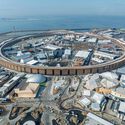
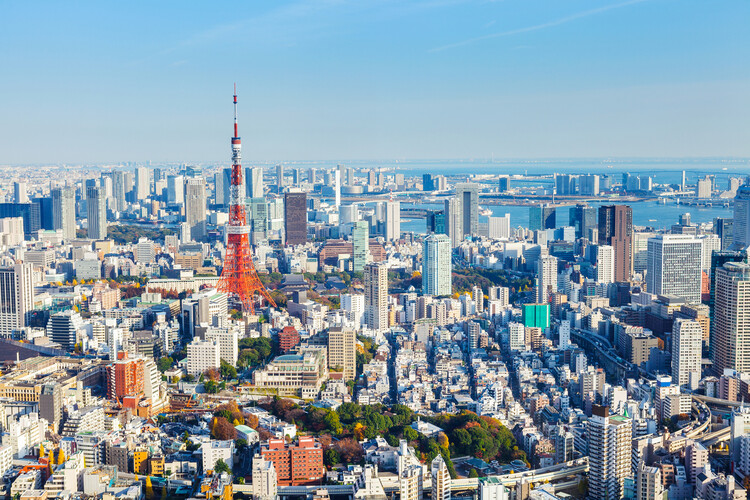
"Map the New World" is the motto of Project PLATEAU, led by Japan's Ministry of Land, Infrastructure, Transport and Tourism (MLIT), to develop and expand access to 3D models representing the diversity of cities across the country. Japan comprises a total of 744 cities, including 14 with populations exceeding one million, 190 with between 100,000 and one million inhabitants, and 540 with populations between 10,000 and 100,000. To date, 3D models of more than 250 cities have been made available as open data through the country's public G-Spatial Information Center, and can also be accessed via an online browser viewer. According to public authorities, the project aims to strengthen urban resilience by providing society with new tools to address local challenges. This involves not only urban space modeling but also collaboration with local governments, private companies, and technology communities. The project also includes a digital reconstruction of the recently closed Osaka World Expo site.
Images of the benches at New York City's High Line Park spread around the world when the project opened in 2009. Emerging diagonally from the same material and modular pattern as the paving, they transition seamlessly from concrete to wood, evoking the railway tracks that once occupied the site. To withstand decades of exposure to the elements, the project required a wood species of exceptional durability, and ipe, harvested from the Brazilian Amazon, was selected. Its slow growth produces a dense, low-porosity hardwood that is naturally resistant to wear, moisture, and biological decay. The choice, however, sparked controversy at the time amid concerns over the certification of the timber's forest management. This broader view changes how we think about materials. Their origin still matters, but so does what happens after the building's life comes to an end.
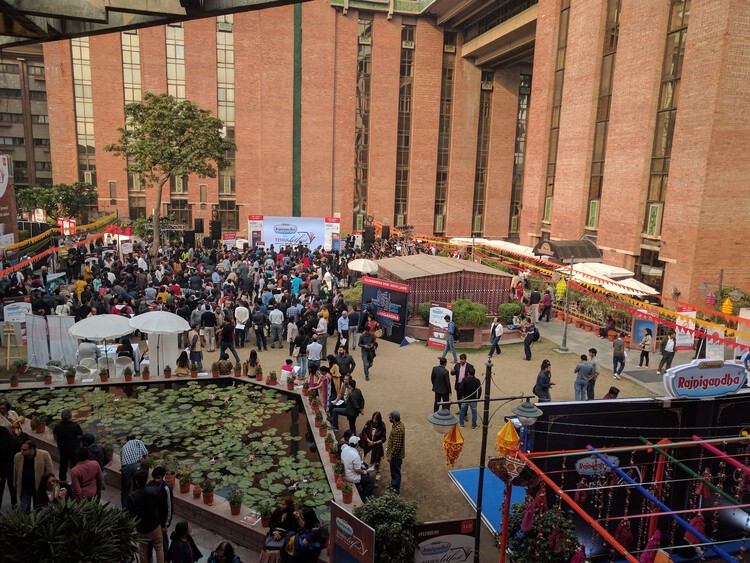
Times Litfest Delhi 2017, held at the India Habitat Centre, in New Delhi, November 26, 2017 by DiplomatTesterMan . Image Courtesy of Wikimedia (public domain)
Every democracy eventually confronts the same question: where can its citizens speak?
Public squares, marches and demonstrations have served as the most visible and impactful expressions of collective opinion. There persists a growing desire among citizens to be seen and heard in the public domain. Demonstrations, by their very nature, are moments of urgency, emerging when conversations have reached an impasse. While essential to democracy, they cannot be its only language.