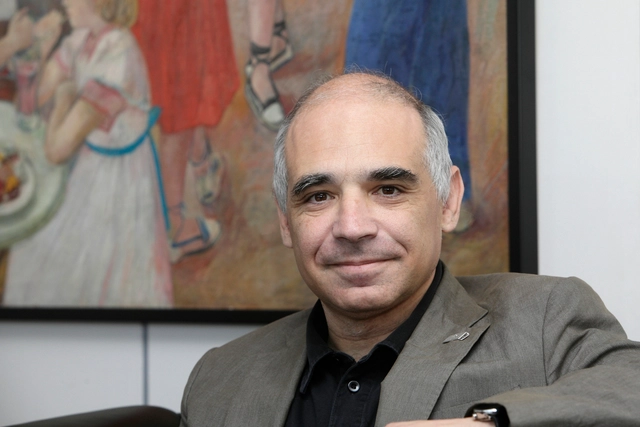
Lluís Comerón Graupera passed away on Tuesday, January 25, at the age of 61, as announced by the Superior Council of the Colleges of Architects of Spain (CSCAE), where he had served as president since early 2018.
Lluís Comerón Graupera passed away on Tuesday, January 25, at the age of 61, as announced by the Superior Council of the Colleges of Architects of Spain (CSCAE), where he had served as president since early 2018.

A week ago, we announced the 15 finalist projects of the 2022 Building of the Year award —the prize for the best architecture in Spanish. Our jury of experts—you, our readers—made an initial selection of 15 from nearly 1,000 architectural works built in Latin America and Spain to proceed with the final vote for 3 projects that represent the best of the architecture that inspires, defines, and shapes us.
Today is the day to announce the winners of ODA2022!
We are pleased to present three projects located in Colombia, Cuba, and Chile that demonstrate the relevance of thinking of architecture as a solution to specific and local needs in order to improve the quality of life, at any scale or program.
The 2022 Building of the Year Award is presented to you by Dornbracht, renowned for its leading designs in architecture, which can be found internationally in bathrooms and kitchens. See the selected projects below.

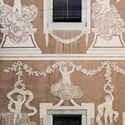
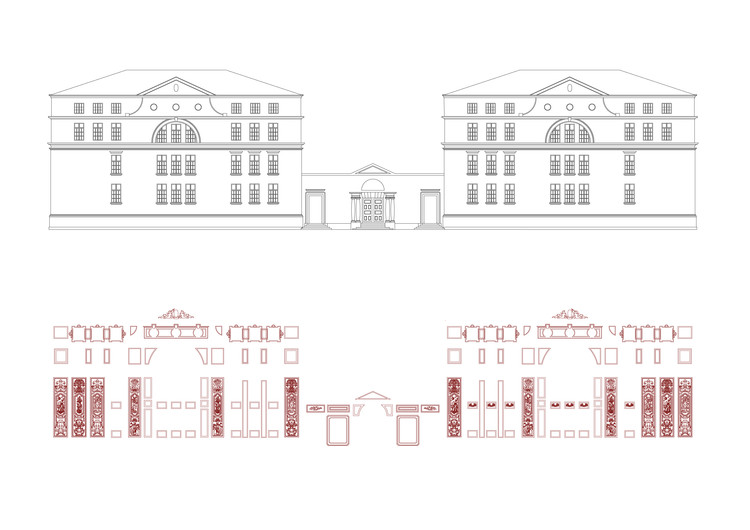
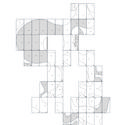
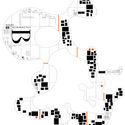
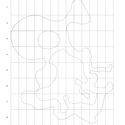
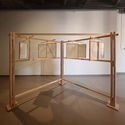
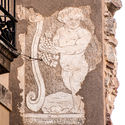
Barcelona is a city that has been studied countless times—for the blocks of the Cerdá Plan, its chamfered corners, its historic center, the wars waged there, and the architecture of the Modernistas and their monumental buildings. However, there is little record of it ever being studied in depth through the lens of a traditional cladding material and artistic medium like sgraffito.
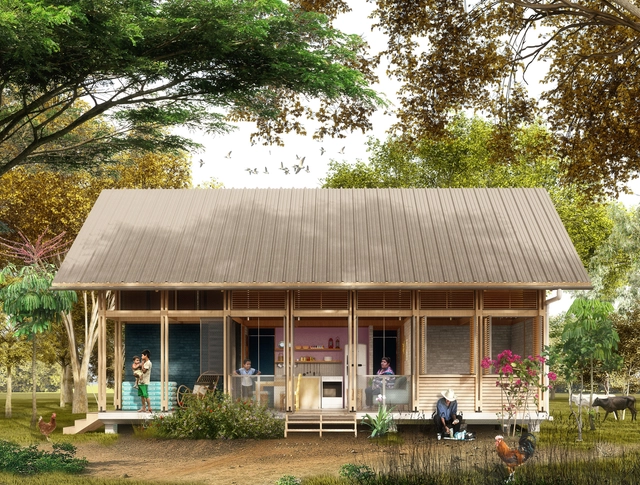
The Mayor's Office of Santiago de Cali, the Special Housing Fund (FEV), and the Colombian Society of Architects – Valle del Cauca (SCA Valle) launched a public competition for the preliminary urban, architectural, and landscape design of a sustainable rural social housing prototype. This project is designed to resettle families with productive vocations.
For the project, located in the city of Cali, within the Valle del Cauca region of Colombia, the jury awarded first place to the architecture firm DARP – De Arquitectura y Paisaje + Ana Elvira Vélez.
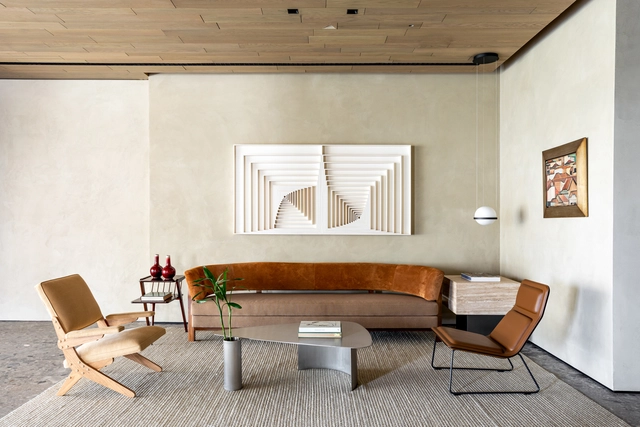
When defining the aesthetic of a space, whether interior or exterior, architects and interior designers should first ask themselves what the needs of its future inhabitants are or will be. Dialogue with users is essential to establishing the style of these spaces, which shapes their physical environment through composition, color, form, and furniture.
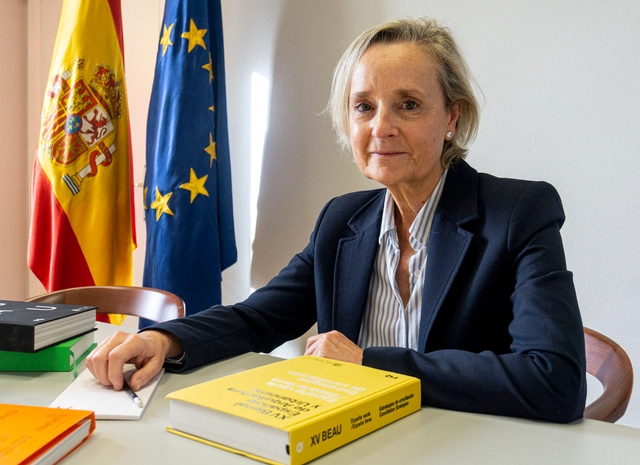
Marta Vall-llossera Ferran has become the first woman to hold the presidency of the Superior Council of Colleges of Architects of Spain following the extraordinary election called after the recent death of CSCAE President Lluís Comerón at the age of 61.
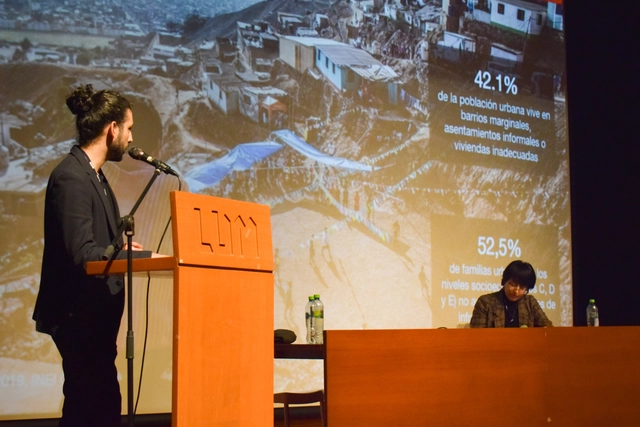
Yesterday marked the opening of the seventh International Festival of Urban Interventions in Lima, Peru. The opening day featured a series of events at the Lugar de la Memoria, aiming to shape the agenda, stimulate public debate, and highlight diverse efforts from multiple fronts striving to build a better city for everyone.
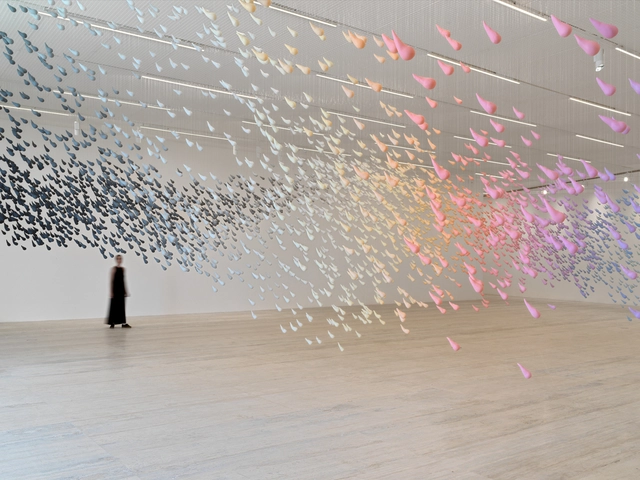
As part of the programming hosted by Museo Jumex from April 2 to September 18 in Mexico City, "Urs Fischer: Lovers" presents a 25-year retrospective of one of today's most celebrated international artists. Organized by guest curator Francesco Bonami, the exhibition brings together new pieces created specifically for the museum alongside works from international public and private collections, as well as the artist's own archives. Together, these works showcase the expansive creativity, humor, and depth of the artist's practice.
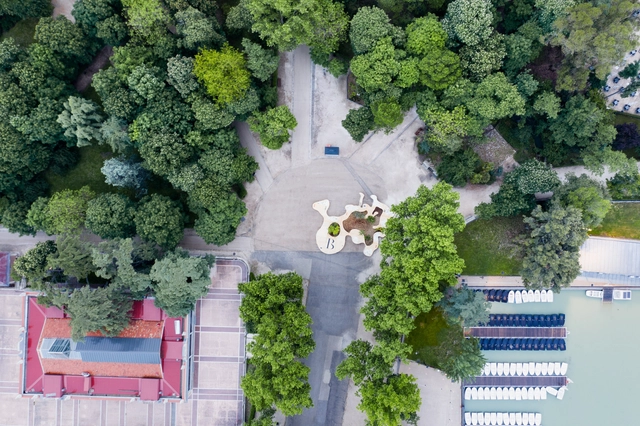
Over the last two years, the city of Madrid has hosted, and continues to host, the traveling exhibition of the Metropolitan Forest. It has three main objectives: first, to present Madrid's residents with the winning and finalist ideas from the competition held to redefine the future of their city; second, to communicate the processes the city will undertake regarding sustainability, urban resilience, and environmental education; and finally, to foster concrete strategic alliances between the Forest and the citizens of Madrid.
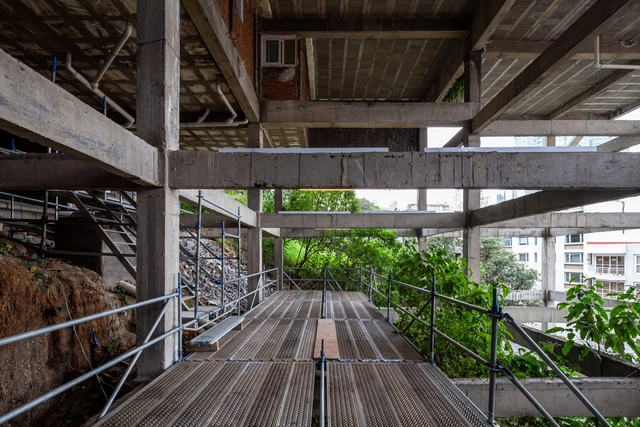
Every year, the National Fund for Culture and the Arts (FONCA), through the National System of Art Creators (SNCA), recognizes those who represent excellence in national culture through the Jóvenes Creadores Program. By providing grants, the program supports the creative and training processes of young Mexican artists, fostering favorable conditions for the development of original, significant, and positive creative projects.
.jpg?1656450766&format=webp&width=640&height=580)
This article was originally published in La Joven Cuba on June 28, 2022.
A few weeks ago, I visited the rooftop observation deck of the hotel Paseo del Prado and marveled at its immense beauty during the sunset. Ahead, the entrance to the bay and the Castillo de los Tres Reyes del Morro; turning left, the silhouette of the Malecón; turning right, the Paseo del Prado, with the massive Capitol building crowning the perspective. Few cities in the world possess such architectural and landscape beauty, such history and monumentality.
Yet, looking back, what I saw was nothing to be proud of. Though it still held a certain beauty, it was a sad, gray sight: the vast, faded, and deteriorated expanse of the city stretching behind the facades of Prado and the Malecón.

As is well known, the year 2015 saw a boom in coworking spaces—a type of shared office that typically operates in an open environment (though some companies offer closed offices), located either across entire floors of high-rise buildings or in repurposed historic sites adapted for these new ways of living and working. These new setups speak to a professional community in the midst of self-reinvention, where an increasing number of entrepreneurs, freelancers, and small businesses seek affordable spaces that offer networking opportunities in cooperative environments. These shared workplaces provide access to resources such as high-speed internet, desks, chairs, lamps, filing cabinets, printers, copiers, kitchens, and phone booths in strategic urban locations.
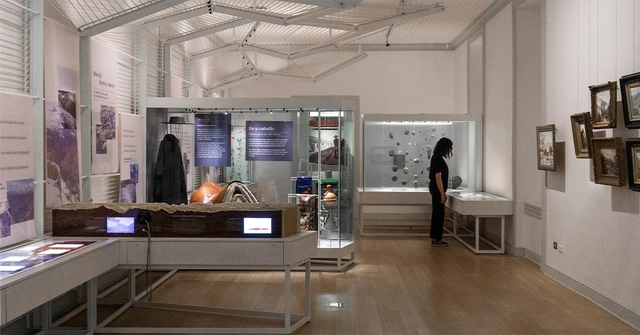
The National Monument had been closed since February 2010 due to damage caused by the earthquake that same year. Thanks to funding from the Regional Government of Maule and the Ministry of Cultures, Arts, and Heritage, it reopened its doors on November 24.
.jpg?1642708223&format=webp&width=640&height=580)

For the third time since its founding in 2002, Colombia will host the Latin American Social Workshop for Architecture Students under the name 'Tejiendo Paisajes: TSL Manizales 2022'—the first edition of the event since the onset of the pandemic.

The ARQUITECTURA Awards, organized by the Higher Council of Colleges of Architects of Spain (CSCAE) and officially sponsored by COMPAC, concluded their inaugural edition with a celebration at CaixaForum Madrid, where the nine winning projects were announced. The awards recognized and celebrated social, cultural, and sustainable values in architecture and urbanism, with a particular focus on the projects' impact on human health, well-being, and safety, as well as planetary sustainability.
The professional network Soy Arquitecta, the Feminist Urbanism, Architecture, and Design Research Group, and the Observatory of Urban and Territorial Phenomena (FAU-UNT) organized the Argentine Female Architects Survey within the collaborative framework of CONICET, PICT "Design, Architecture, and Urbanism with a Gender Perspective in Argentina," and the Gender, Cities, and Territories Diploma program. The survey aimed to diagnose the employment status of Argentine female architects across the country's different regions, reflecting on the challenges they face in various professional environments and proposing new lines of action and transformation to improve their current situation.
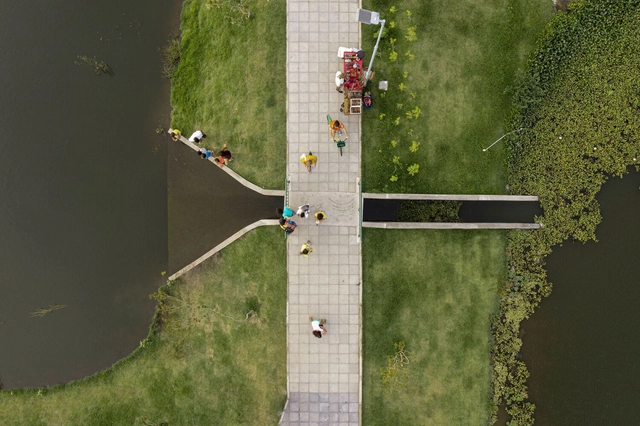
Is there a future for our cities if we do not adopt a sustainable way of life? For some time, urban sustainability has been approached more from the perspective of climate change than from a holistic vision that integrates society and how we live as a community.
What new ways of living are we experiencing amidst today's social, economic, and ecological shifts? We must bring to the table the various reference cases emerging around the world to understand the latest trends in how we inhabit our cities.
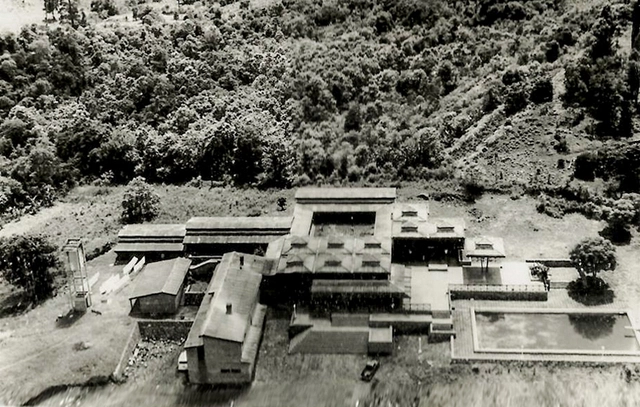
For several years, the global context of energy and ecological crises has resonated across various disciplines, and architecture has been no exception. Consequently, a crucial question arises: how do our buildings help mitigate these issues? In this context, the global architectural scene has been flooded with buildings addressing these challenges through heavy technological dependence. In their bid to tackle environmental problems, some have forgotten that architecture can offer a synthetic response through an understanding of place and the deliberate manipulation of form, matter, and energy.
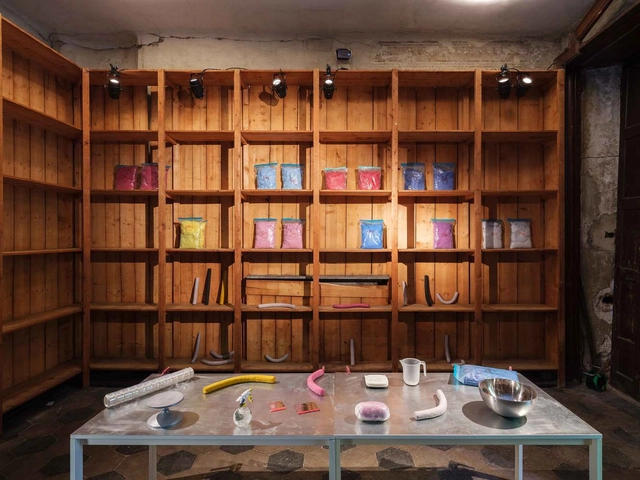
At first glance, textile materials and clay do not share many similarities. However, Oficina Penadés brings these two concepts together, showcasing the potential of a new textile-based material combined with clay processing techniques in “Looks like magic!”, an exhibition held during the recent Milan Design Week.
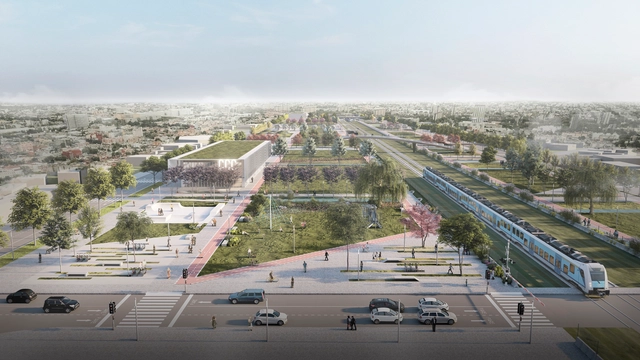
The Central Society of Architects (SCA) and the Association of Architects of the Province of Buenos Aires (CAPBA) organized the National Ideas Competition to develop a Rail Cultural Hub. The project includes a new General Railway Archive (AGF), a branch of the National Railway Training Center (CENACAF), and new facilities to protect records and showcase the historical and cultural heritage of Argentine Railways (Ferrocarriles Argentinos).
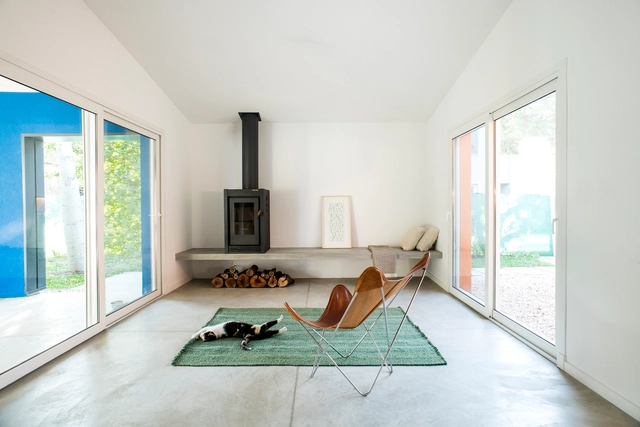
Originating as protection against low temperatures around 3,500 years ago, carpets and rugs have, over time, evolved into a true art form, reaching a high level of specialization by the 16th century. Rugs, carpets, and tapestries of various shapes, colors, textures, and patterns are integrated into different areas of the home to meet users' needs and enhance spatial comfort, sometimes extending far beyond their original purpose.
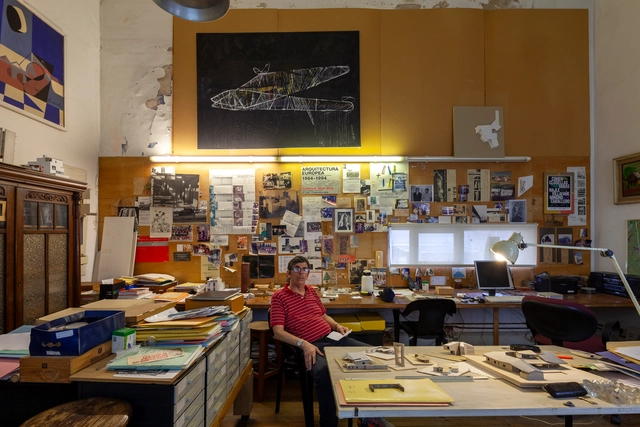
Marcelo Villafañe (1951), an architect from Rosario, passed away on Wednesday, January 26, as announced on social media by the Colegio de Arquitectos Distrito 2.
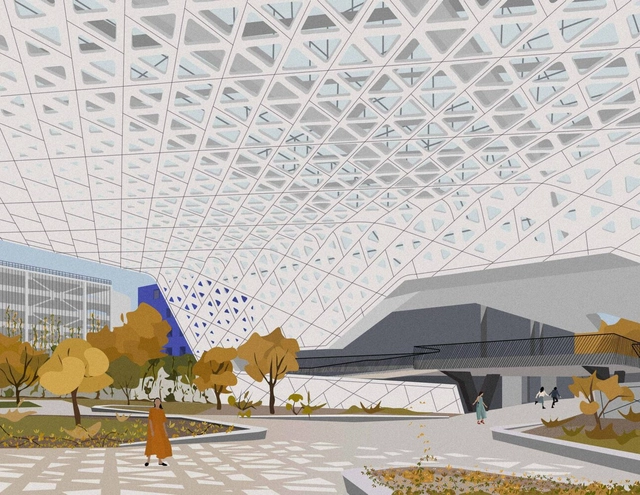
Architectural works from around the world are the primary inspiration for Erika Moreno, the creator of HUAJJE, a digital illustration project. The project was born in 2019, a year after Moreno completed her architecture degree in Tijuana. “The project started by accident; my only goal in making these drawings was to learn how to use more Photoshop tools—it was a personal challenge.” To document her process, she decided to open an Instagram account, which has since fostered an organic community that shares and supports her work. This has encouraged her to overcome her fears and even host workshops on the subject in various formats.

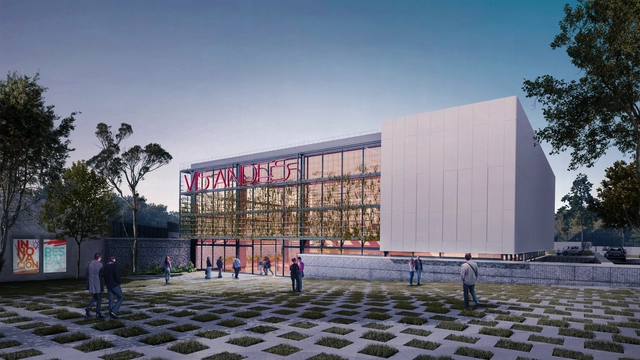
The savings and credit cooperative Visón de los Andes, “VisAndes,” launched a competition for the design of its new headquarters in Salcedo, Ecuador. As one of the strongest cooperatives in its sector, it sought to incorporate sustainability principles alongside its own core values, inviting prominent architecture firms from across the country.
.jpg?1645988130 "Esgrafiado a dos tendidos. Capa superior con pigmento natural extraído de tierras y arenas rojizas. Image Cortesía de Manuela Muñoz Restrepo")