1. ArchDaily
  2. Articles

Articles

Sirena: A Tribute to Lina Bo Bardi in Chile

Subscriber Access | 

Barco gallery is located in downtown Santiago, right next to Santa Lucía Hill. It occupies an apartment in the homonymous building designed by Sergio Larraín, celebrating a pioneering work of Chilean modern architecture. It is a curatorial practice dedicated to the debate, research, and development of critical and innovative ideas concerning the discipline through exhibition cycles. Its most recent exhibitions include 1972: Cities for Downtown Santiago, You Will Only Have Stones and Additive Manufacturing Shelf.
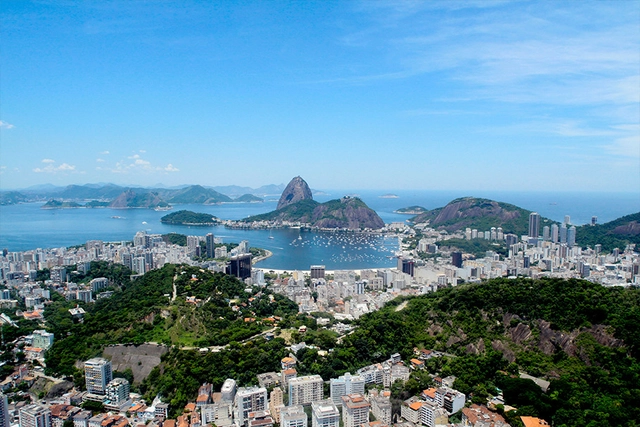
In partnership with the Embassy of Brazil in Chile, they organized a tribute to the leading figure of Brazilian modern architecture: Lina Bo Bardi. The exhibition "Sirena" by artist Jessica Briceño, curated by Matías Allende Contador and Anton zu Knyphausen, places Bo Bardi's disciplinary work at the center of reflection through an immersive installation that brings together five pieces abstracting her most recurring motifs.
Maison Diez Company celebrates the beauty of light in architecture with a Baroque-inspired sanctuary

Subscriber Access | 

Yesterday, November 8, as it does every year, Diez Company presented the fifth edition of the Maison Diez Company project to both Mexican and international audiences. This space, dedicated to lighting design, brings together designers, creatives, architects, interior designers, business partners, lighting experts, and international brand representatives to celebrate light. Following the success of its previous annual editions since 2018, Maison Diez Company is showcasing its latest offerings in a historic mansion in the San Miguel Chapultepec neighborhood.
We need to rethink architecture programs

Subscriber Access | 

Since the first architecture programs were established in the late 19th century, little has changed in their core curricula. Most programs worldwide are geared toward a neoliberal university model, increasingly designed and defined by the production of relentless success and the demands of the construction industry.

Little is discussed regarding error and failure, and design output remains heavily geared toward training stararchitects—a term used to describe architects whose celebrity and critical acclaim have turned them into idols of the architectural world, creators of major projects and master plans.

Public spaces that use wood to connect with their surroundings

Subscriber Access | 

It is increasingly common to observe how current generations, characterized by greater respect and awareness of the environment, seek new ways to interact with nature while assuming a deep responsibility to protect it. Accordingly, the future of architecture is closely tied to the ability to balance these desires and obligations, particularly in the design of natural public spaces.

By integrating subtle paths and walkways, public space design can open up access for people of all ages and abilities. Combined with a natural material palette, architects and designers can create spaces that complement their surroundings. Yet, however beautiful these natural areas may be, making them safe and suitable for visitors can have detrimental effects on the environment. Consequently, design and material selection must be approached mindfully and with care.

Hangzhou + Shanghai + Nanjing | goa: Lead Architect, Architect, Intern, Landscape Designer

Subscriber Access | 

goa is one of China's leading architectural design firms. Over 25 years of practice, goa has consistently represented the benchmark of quality in the Chinese architectural industry, serving as a pioneer and creator of human environments and lifestyles in Asia. With an elite multidisciplinary team and an integrated, interdisciplinary approach, the firm holds a leading position in high-end residential, resort hotels, corporate headquarters, urban renewal, and cultural tourism and rural reconstruction. As of the end of 2022, more than 200 of goa's projects have won over 400 architectural design awards from authoritative domestic and international industry organizations and media, including the World Architecture Festival (WAF), MIPIM, the Council on Tall Buildings and Urban Habitat (CTBUH), the Leading European Architects Forum (LEAF) Awards, the European Centre for Architecture Art Design and Urban Studies, The Architectural Review (AR), Architizer A+, the China Exploration and Design Association, and the Architectural Society of Shanghai. Driven by its mission to "shape vibrant human habitats," goa continues to create unique spatial experiences for future cities and communities through high-quality design services.

A rigorous, objective, diverse, and open corporate culture forms the brand DNA of goa. The firm offers professionals an attractive working environment and rewarding career development, supporting the autonomous growth of outstanding talents while fostering an innovative atmosphere of interdisciplinary collaboration. With its unique vitality, goa is committed to providing every employee with a stage to realize their professional aspirations.

Open Positions

Residential Neuroarchitecture: Designing Environments for Rudolf Steiner's Seven-Year Cycles

Subscriber Access | 

Residential architecture plays a vital role in people's lives, influencing their quality of life and well-being. To design environments that are truly tailored to the biopsychosocial needs of each user, it is essential to incorporate the principles of neuroscience applied to architecture. In this regard, Rudolf Steiner's Seven-Year Cycles theory offers a valuable conceptual framework for understanding the different phases of life and their implications for home design. This article addresses the stages of the architectural project, from briefing to execution, highlighting the relevance of cognitive and behavioral neuroscience concepts—such as priming, framing, nudging, wayfinding, salutogenic design, and biophilic design—in light of the Seven-Year Cycles theory.

The issues that will determine the success of COP28

Subscriber Access | 

Recent floods have wreaked havoc in Libya, damaging critical infrastructure and claiming the lives of more than 6,000 people. Wildfires in Canada burned 18.5 million hectares, an area equivalent to the size of Syria. September 2023 saw astonishing heat records that alarmed climate scientists.

The events recorded over the last few months reinforce the urgency for countries to correct their course in the fight against climate change. The upcoming UN Climate Change Conference (COP28) in Dubai presents a crucial opportunity to do so.

Active mobility as a solution to time lost in traffic

Subscriber Access | 

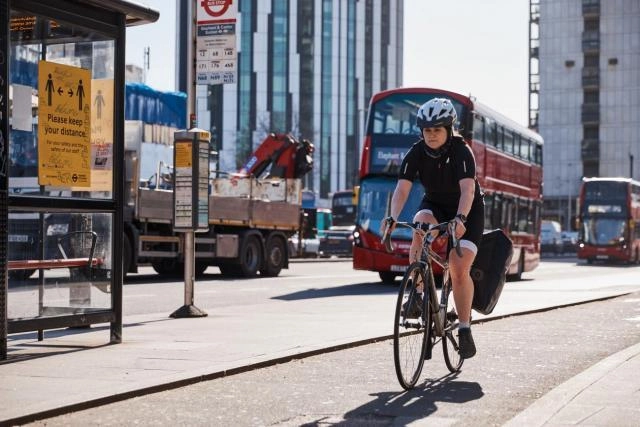
From the mid-20th century to the present day, time lost in traffic has become one of the primary sources of frustration in urban life. Historically, the classic formula for combating this problem has been to add more and more car lanes and build overpasses, based on the unfulfilled promise of improving traffic flow. 

This consequence is well documented: every new car lane added represents a barrier to other modes of transportation and means longer travel distances for everyone. The result is induced demand—an invitation for more and more people to travel by car.

10 Listed Environmental Heritage Sites You Can Visit in the State of São Paulo

Subscriber Access | 

Studies link green areas to a reduction in anxiety and depression, boosted immunity in children, relief from loneliness in cities for adults, and even increased intelligence. Seeking outdoor leisure activities in contact with nature offers numerous benefits. To help you choose interesting places to visit in the state of São Paulo, we present a list of ten protected environmental heritage sites, compiled by the São Paulo State Secretariat of Culture and Creative Economy.

According to the Secretariat of Infrastructure and Environment, the State of São Paulo has 5,670,532 hectares of native vegetation in various stages of recovery. This area is equivalent to 22.9% of the state's territory. Below, check out some of the spaces that preserve this greenery. In addition to urban parks, trails, and campsites, the list even includes the headwaters of the Tietê River.

10 Listed Environmental Heritage Sites You Can Visit in the State of São Paulo - 1 的图像 410 Listed Environmental Heritage Sites You Can Visit in the State of São Paulo - 2 的图像 410 Listed Environmental Heritage Sites You Can Visit in the State of São Paulo - 3 的图像 410 Listed Environmental Heritage Sites You Can Visit in the State of São Paulo - 4 的图像 410 Listed Environmental Heritage Sites You Can Visit in the State of São Paulo - More Images+ 8

The deep engagement and reflections of architects worldwide in 2022

Subscriber Access | 

As 2023 begins, looking back at 2022 reveals a year of profound shifts, challenges, and boundary-pushing opportunities for architectural practices worldwide. Navigating these new unknowns, we have compiled our interviews from the past year with a diverse range of firms and practitioners. This retrospective explores how legacy firms with over two decades of practice continue to thrive, how the profession is adapting to technological frontiers like the metaverse and artificial intelligence, the challenges material experts are tackling, and how a new generation of architects is shaping the future of the discipline. Read on for our annual roundup of conversations.

Floating Architecture: The Future Built on Water

Subscriber Access | 

You are likely familiar with the story of a man who received a divine command to build an ark to shelter his family and animals of every species, saving them from a great deluge. This flood narrative, known as the story of "Noah's Ark," is found not only in the Bible but also in the Quran and many other cultures—with the Sumerian "Epic of Ziusudra" being the oldest known flood myth, dating back to 2000 BCE. These examples show that the forces of nature, by taking center stage in religious teachings, were already recurring concerns that inspired both fear and respect in early civilizations.

Floating Architecture: The Future Built on Water - SustainabilityFloating Architecture: The Future Built on Water - SustainabilityFloating Architecture: The Future Built on Water - SustainabilityFloating Architecture: The Future Built on Water - SustainabilityFloating Architecture: The Future Built on Water - More Images+ 9

Download the book "Ephemeral Architecture: Reflections on the Mutability of Built Space," published by the Faculty of Architecture, UNAM

Subscriber Access | 

An interdisciplinary group of professors, mostly from UNAM, founded the Permanent Seminar on Ephemeral Architecture in January 2019, aiming to formalize the work carried out on the subject since 2010. Now, drawing on the reflections and papers presented at the colloquium "Ephemeral Architecture: Reflections on the Mutability of Built Space"—held at the UNAM Faculty of Architecture—the eponymous publication has been released and is available for free download at this link.

The Origin of Cities: La Plata / Argentina

Subscriber Access | 

Located in Argentina, approximately 56 km (35 miles) southeast of the Autonomous City of Buenos Aires, stands the city of La Plata, founded on November 19, 1882, as the capital of the Province of Buenos Aires. As the product of the country's most ambitious urban and architectural undertaking, La Plata was conceived as a forward-looking city—one of the first in the world designed in accordance with the new principles of urban hygiene and rational construction generated by 19th-century scientific advancements. Furthermore, the city was showcased at the 1889 Paris Exposition Universelle, the grand exhibition celebrating the centennial of the French Revolution.

The poor quality of public transportation in developing countries

Subscriber Access | 

There is a stereotype that in poor countries, where few people own cars, alternatives to the automobile are flourishing. I saw a Mastodon post making this claim, and I pointed out in the comments that this is not quite true. This is a more detailed version of what I said in 500 characters. In short, across most of the Third World, public transit is poor, and almost all passengers who use vans and buses do so out of poverty, as do most people who walk.

4 Ways to Reuse Water at Home Year-Round

Subscriber Access | 

Each person needs about 110 liters of water to meet their daily consumption and hygiene needs. However, in Brazil, daily consumption can exceed 200 liters per person, according to Sabesp. Due to high water pressure in apartment buildings, this consumption can be even higher. Furthermore, the country loses about 40% of all treated water captured, according to 2022 data from Instituto Trata Brasil. Nonetheless, at least within the home, this waste of clean water can be mitigated through a few simple changes.

4 Development and Environmental Themes to Watch in 2023

Subscriber Access | 

What does 2023 hold for development and the environment?

The end of 2022 certainly left us in an interesting—yet troubling—position. A three-year-old pandemic proved far from over, sickening millions and straining economies. Global inflation reached 9%, its highest level since 2008. Russia's invasion of Ukraine forced millions of people to flee their homes, triggering cascading effects in food and energy systems worldwide. Meanwhile, the impacts of climate change—from catastrophic flooding in Pakistan to scorching heatwaves in India and severe droughts in Africa—compounded these threats.

An intersectional analysis of urban mobility: a social right

Subscriber Access | 

The exclusion of women from the production of space is palpable, reflecting a landscape of insecurity and vulnerability. In this context, urban mobility as we know it reproduces the gender, racial, and class inequalities of our society. Whether through walkability or public transit, the fact remains that current transit patterns do not align with the needs of women—especially those who identify as Black or Brown and have lower incomes. Therefore, we aim to focus specifically on how concepts of intersectionality operate within urban mobility as a social right for all.

An intersectional analysis of urban mobility: a social right - Image 1 of 4An intersectional analysis of urban mobility: a social right - Image 2 of 4An intersectional analysis of urban mobility: a social right - Image 3 of 4An intersectional analysis of urban mobility: a social right - Image 4 of 4An intersectional analysis of urban mobility: a social right - More Images

Are condominium fences meant to provide protection? The dilemma of urban prisoners.

Subscriber Access | 

I suspect many readers here experience the same, shall we say, “predicament” as I do: as soon as we step outside our “bubble,” advocating for urban design principles that seem obvious to us — such as eliminating fences and walls, and promoting public access, visual permeability, mixed-use zoning, and active frontages — inevitably runs into the same obstacle: the lack of public safety.

Pedagogical Plea at the Talca School of Architecture

Subscriber Access | 

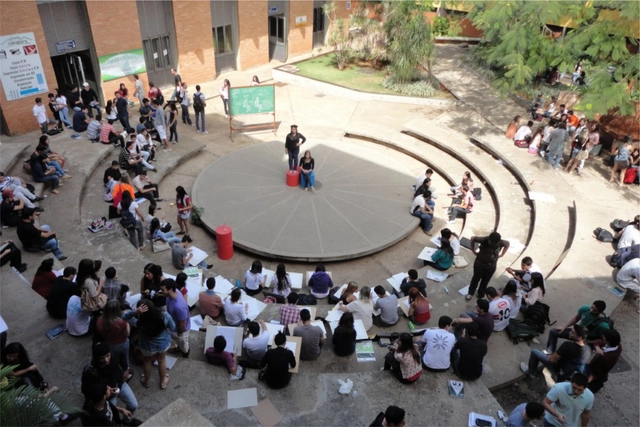
This article by Carmen Espegel was originally published in the 16th issue of revista rita under the title "Alegato pedagógico en Talca" (A Pedagogical Plea in Talca). The following text explores the unique approach to teaching design studios at the School of Architecture of the University of Talca (Chile), where territory, materiality, and the social sphere converge in a constructive thought and action carried out by students in their own homes, aiming to critically reformulate how we dwell.

Construction Progresses on VM20, the New University of Chile Building in Santiago

Subscriber Access | 

Vicuña Mackenna 20 (VM20), located steps from the Baquedano Metro station in the heart of Santiago, is a new project by the University of Chile. It aims both to become a hub for artistic and cultural outreach and to impact the public space recovery plan in the capital's central area.

Gridded and Furnished Blocks: Shared Streets, Gathering Streets

Subscriber Access | 

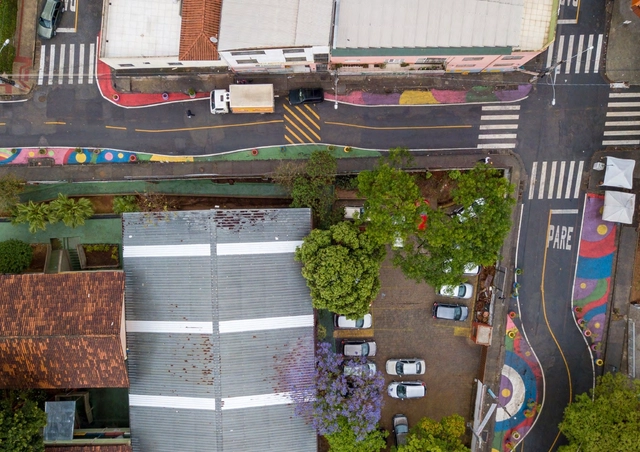
dérive LAB, a multidisciplinary laboratory founded in Mexico, presents "Shared Streets" ("Calles Compartidas")—a project that seeks to spatially transform streets from spaces regulated by traffic control devices to those governed by human relationships. It reminds us that streets are not merely corridors for transit and transport, but places that host a myriad of other social, economic, and cultural activities.

Biophilia and green infrastructure are strategies that can mitigate flooding

Subscriber Access | 

During the summer months, very hot days followed by intense, high-precipitation rainfall are common. As a result, urban flooding is a frequent occurrence in large cities. However, certain architectural and urban planning solutions can help improve people's quality of life, particularly through green infrastructure interventions and the application of biophilia.

Exhibition Spaces: The Influence of Design on the Construction of Perceptions

In a context where cultural expressions are increasingly valued, and their presentation and representation are vital to conveying diverse content, the design of exhibition spaces becomes particularly relevant when projecting and establishing different perceptions and narratives, both in daily life and during specific events.

Open Question: What is the future of color in architecture?

Subscriber Access | 

From Le Corbusier's polychromy to the aesthetic concepts of the Bauhaus, color has played an essential role throughout architectural history. Yet, we stand on the threshold of a new era of innovation where the meaning, application, and impact of color in architecture are constantly evolving. This evolution brings new questions to the fore: Could new materials and finishes revolutionize the color palette? What possibilities does color application hold in virtual spaces? What will be the upcoming color trends in the world of interior design?

You've started following your first account!

Did you know?

You'll now receive updates based on what you follow! Personalize your stream and start following your favorite authors, offices and users.