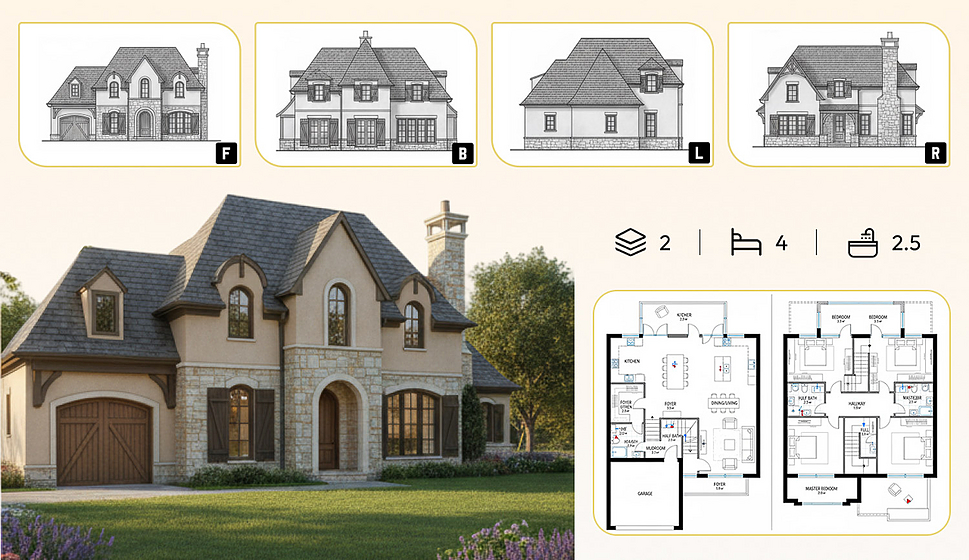
This guide covers a workflow that moves from project parameters to generated floor plans, 3D perspective views, exterior design exploration, and site context visualization, using AI tools in place of preliminary CAD and rendering work.
This guide covers a workflow that moves from project parameters to generated floor plans, 3D perspective views, exterior design exploration, and site context visualization, using AI tools in place of preliminary CAD and rendering work.
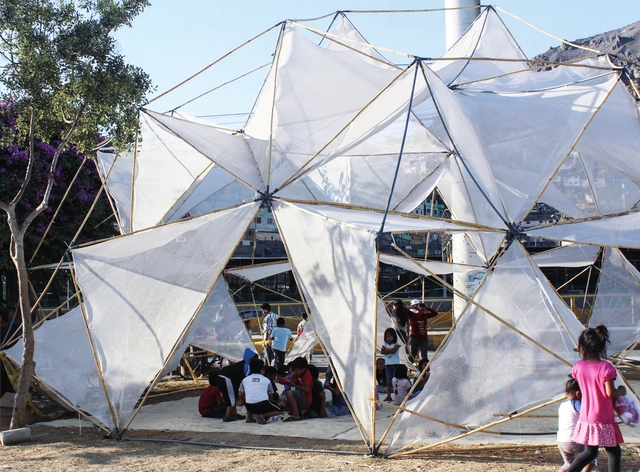
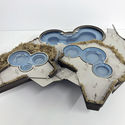
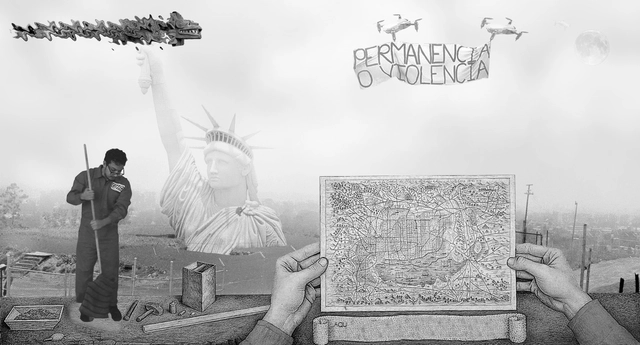
1:1 Proyectos sobre los territorios del Perú is a book by Peter Seinfeld and Felipe Ferrer that summarizes their students' work over more than seven years.
.jpg?1591226080&format=webp&width=640&height=580)

In a conversation for the third edition of Revista CLEA—an annual publication of the Latin American Coordinator of Architecture Students (CLEA)—Ecuadorian architect María Augusta Hermida explores the capacity to decolonize spaces and cities today.
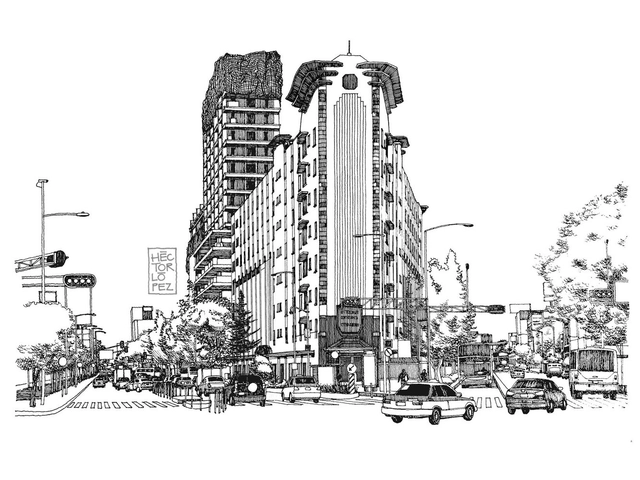
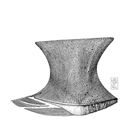
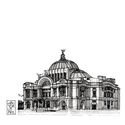
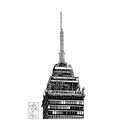
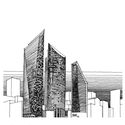
Croquis CDMX is an initiative led by Héctor López, founded eight years ago to foster and strengthen the connections between the eye, the brain, and the hand. The project seeks to portray life in Mexico City through freehand sketches. While architectural education is geared toward training professionals to design and construct buildings, Héctor—who studied at the Faculty of Architecture of the National Autonomous University of Mexico—views university education as “the axis of all elements: I already knew how to draw, and in school I became interested in construction, history, and theory. That was where drawing became disciplined. I would encourage students to draw, regardless of whether they think they can or not, because you discover things that you don't understand when drawing with software.”

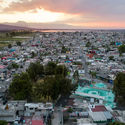
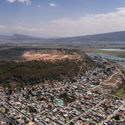
At the same rate that the real estate development industry aggressively intervened in the most favorable areas of the city valley—backed by state approvals and concessions, supported by massive banking resources, and employing top individual talent trained at public universities—popular settlement neighborhoods grew proportionally across complex topographies, receiving minimal institutional support, completely devoid of financial backing, and with negligible, residual, if not non-existent, technical assistance.
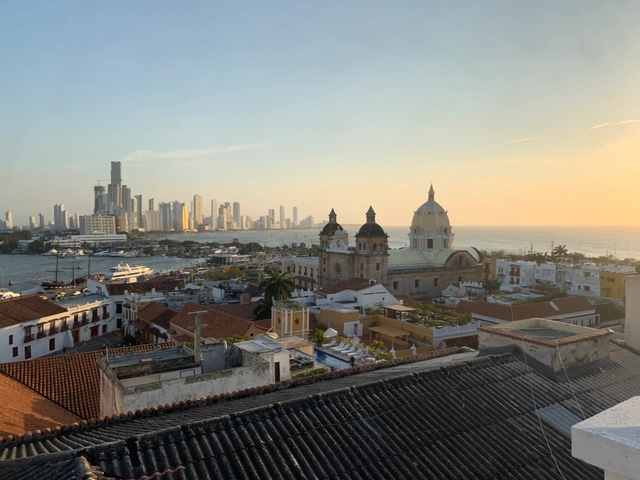
When we visit an urban destination—or perhaps a rural one as well—can we truly say we know it? A brief vacation in a tourist destination might give us an impression of what a place "is." However, this is a far cry from reality, as tourism has always manipulated the impression left on visitors, obscuring the actual lived experience of the place.
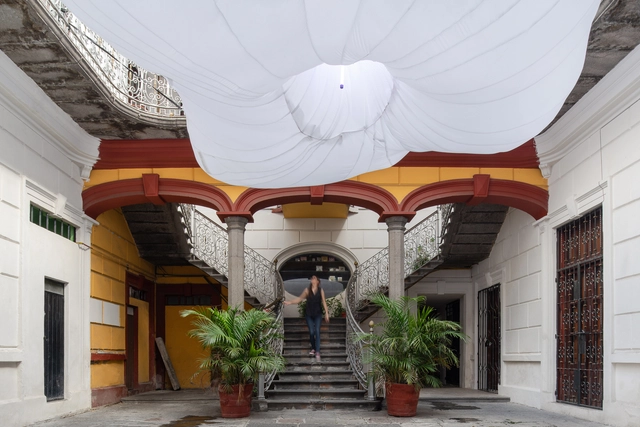
The city of Puebla, located in the central highlands of Mexico, is particularly well-known for its street layout and its predominantly Baroque architecture. A UNESCO World Heritage Site since 1987, it hosts a broad cultural dynamic centered on the preservation of built heritage and its appreciation from afar, as if it were a museum piece. Consequently, on our daily commutes, we notice the monumentality of its facades, while most often overlooking what lies behind the large wooden doors: what we have called “the heart of the Poblano home.”
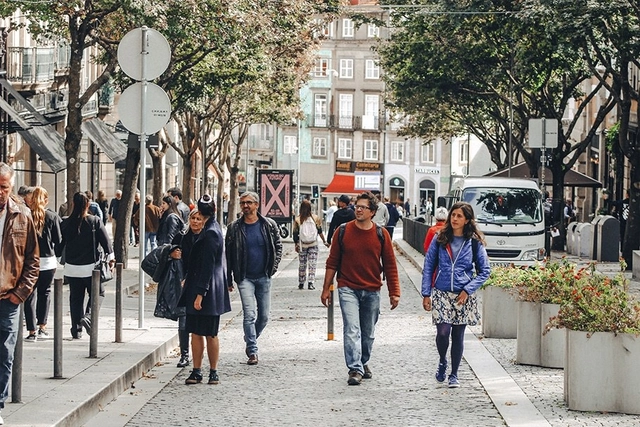
Street safety goes far beyond policing and lighting. While these factors may be important in certain contexts, community engagement and building social capital are key to making cities safer. “Feeling safe is crucial for people to embrace urban space,” says Jan Gehl.
As part of an initiative by ArchDaily and the Abierto Mexicano de Diseño, a call for entries was launched this year, inviting architects, urban planners, landscape designers, industrial designers, graphic designers, floral designers, and any creative discipline that understands public space as a place for fostering collaborative encounters in cities. Published in September, the call sought unpublished or previously published projects in the form of written essays, research papers, visual essays, lectures, or other digital communication formats that offered a personal or collective reflection aligned with the theme 'Public Space.'
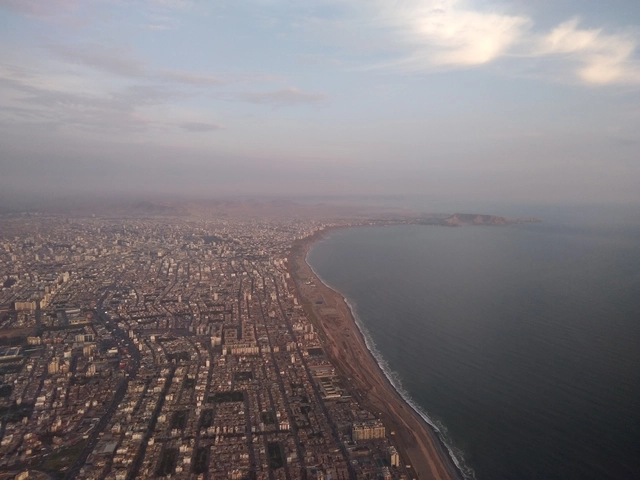
After the state of emergency, nothing will return to the way it was. At that point, public and private spaces will routinely be occupied in ways that prevent transmission of a still-active virus. However, just as this situation has forced us to recognize our deficient healthcare system, it has also revealed how inadequate the spaces we inhabit often are.

When reality demands complex and unprecedented answers from us, one of the most interesting methods to find them is biomimicry, which consists of asking nature questions in search of inspiration. In this light, it is worth asking: how does nature deal with emergency situations where an organism's behavior must be quickly modified?
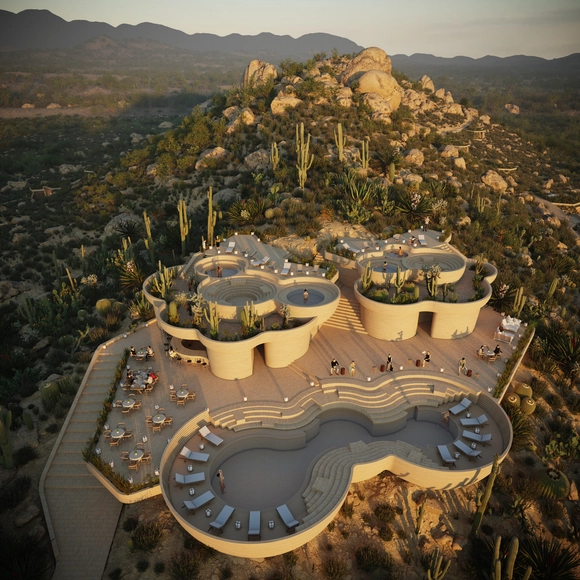
Rojkind Arquitectos + AmasA Estudio present a new project on a site named "Tres Cerritos" in Valle de Guadalupe, part of the wine route in the Francisco Zarco district of Ensenada, Baja California. The project arises from an understanding of nature's value and its historical use as a sanctuary and refuge, creating a hospitality concept that reconnects the visitor with the environment.
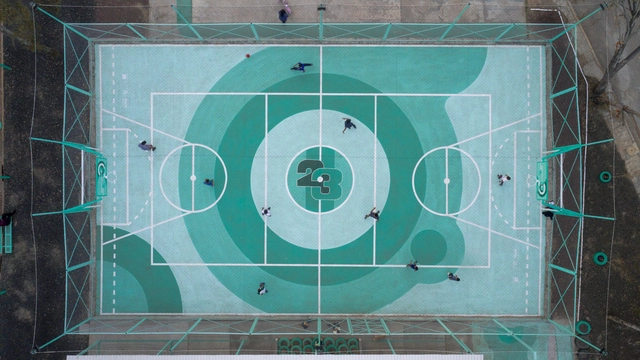
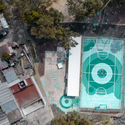
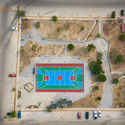
The “Xico-Parque Sur 23” project by the Mexican firm All Arquitectura grew out of the success of “Cancha La Doce,” which was developed in collaboration with love.fútbol and sponsored by the Pincus Family Foundation. Drawing on insights gained from previous projects on-site, the design and research process built upon an existing understanding of local needs and opportunities.
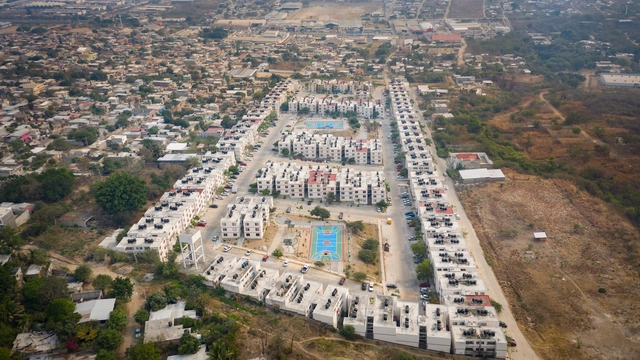
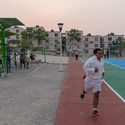
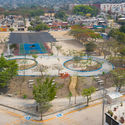
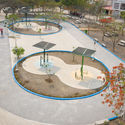
As part of an initiative by Infonavit to drive the recovery of three neighborhood parks in the city of Tuxtla Gutiérrez, Chiapas—“San Juan,” “Las Torres,” and “Canteras”—these housing developments lacked efficient infrastructure, resulting in a deteriorated urban image, high crime rates, and a complete lack of community ownership over public spaces. In response, T+E Arquitectos and Fracciona Arquitectura joined forces to transform these spaces, addressing the distinct requirements of each site.
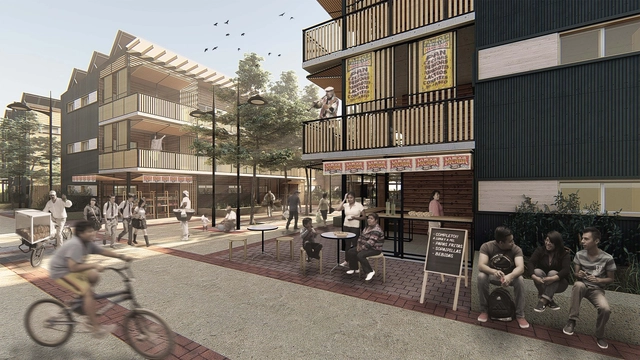
Designed and built by the team from Universidad Mayor, a sustainable social housing project featuring productive and commercial spaces was named the winner of Construye Solar 2019, the third edition of the Chilean competition organized by Ruta Solar.
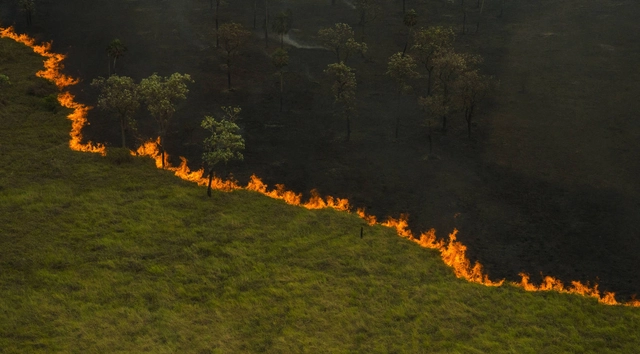
Podcasts are a relatively recent medium in Brazil, but they are on the rise and growing rapidly in popularity. A survey by the Deezer platform showed that podcast consumption in Brazil grew by 67% in 2019. Far from a passing fad, this format is being used for entertainment, information, and even as a pedagogical resource for educators.
Among the wide variety of topics available, many shows have fostered debates about the environment, especially regarding the Amazon—considered one of humanity's most valuable natural heritages and the largest natural reserve on the planet.
.jpg?1600432189 "© Shutterstock")


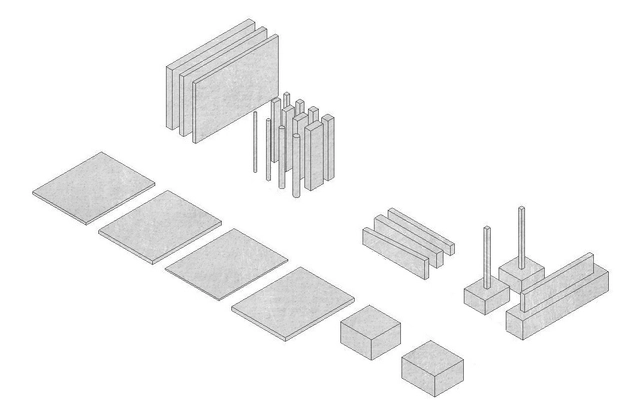
How does BIM incorporate materials like concrete?
BIM, the acronym for Building Information Modeling, utilizes information-rich 3D models to create the built environment and extract the data necessary for the documentation and construction of architectural projects. This is achieved by modeling various components—such as doors, windows, columns, and walls—which together make up an architectural project. Materials, however, are not 3D components in BIM; instead, they are part of the composition of these components. In this article, we will look at how materials behave in BIM, using the products offered by Melón Hormigones as an example.
Any 3D component created in Revit can have a Material parameter. Whether configured in the project or within the specific family, this material contains a series of default, customizable, and modifiable settings to provide technical and graphic data, as well as physical properties, to the 3D component.
Peripheria Films shares a documentary that explores "the exploitation of territory, the private occupation of public space, the representation and construction of identity through postcards and souvenirs, the conversion of architectural heritage into a product and the city into a brand, and the touristification of historic centers."
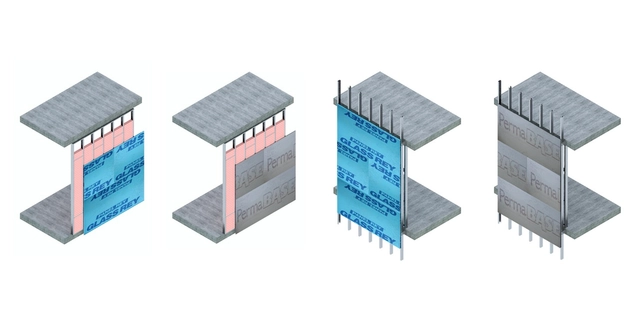
Lightweight construction systems primarily consist of a base structure of galvanized steel profiles, which can be clad with gypsum or cement panels. Depending on their specific characteristics, each panel adds enhanced moisture and fire resistance to the system, as well as varying levels of thermal and acoustic insulation. Why are they effective when applied to facades? What possibilities do they offer based on their composition? Let's review the benefits of three types of exterior panels developed by Panel Rey.
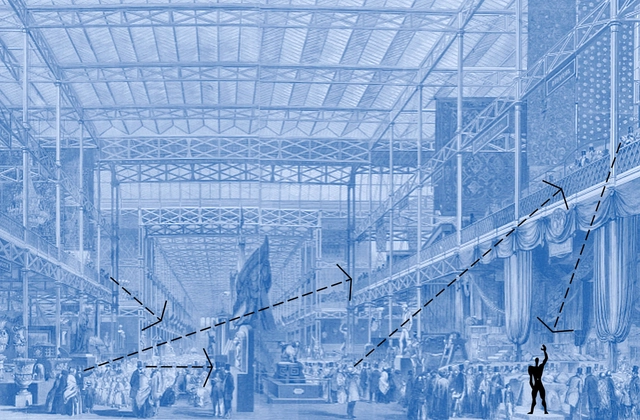
In the following article, José Javier Alayón González, PhD, Architect, and full-time assistant professor in the Department of Architecture at the Pontificia Universidad Javeriana, shares his perspective on exhibition venues and how they adapt to changing circumstances.
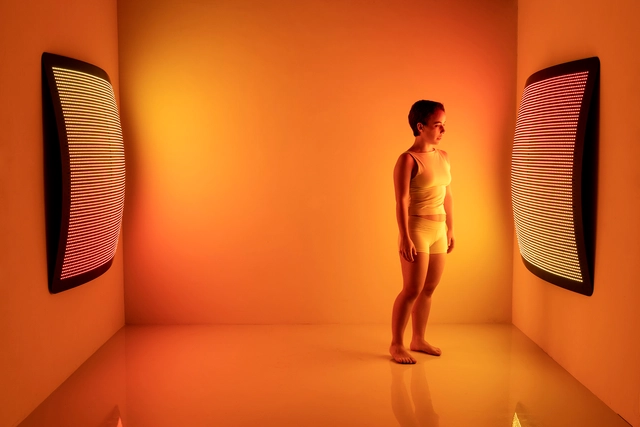
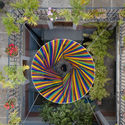
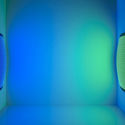
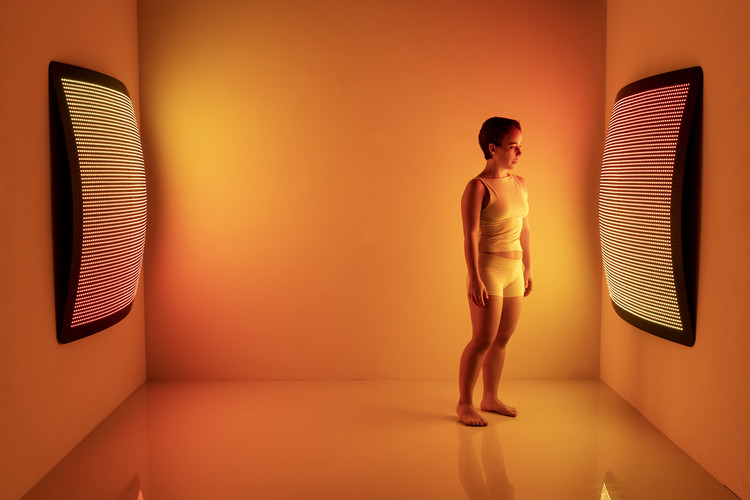
Seeking to design an immersive indoor environmental experience, design studio Aqua Creations created Manta Ray lighting. In this light installation, responsive RGB LED technology mixes red, green, and blue to produce over 16 million different hues. Programmed with a customizable color spectrum, the system is dimmable from 0.1% to 100% brightness and can even load images and videos directly onto its internal memory. This allows users to infuse expressive spaces with dynamic color and movement, or conversely, cultivate a warm, focused atmosphere for private, intimate settings.
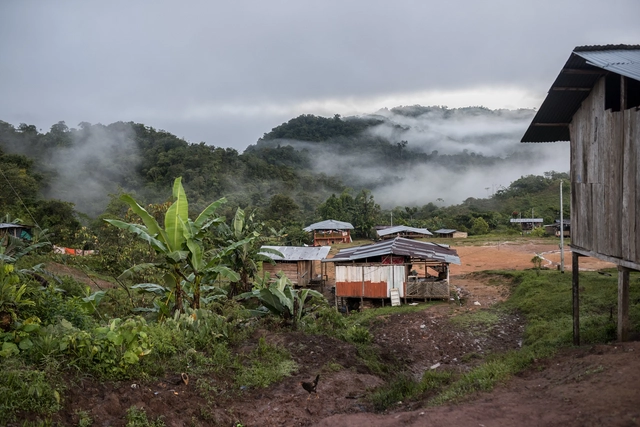
Architectural firms have been deeply questioning the future projections reshaped by lockdown and the new dynamics of how the city and territory are experienced. On this occasion, ruta4 taller from Pereira, Colombia, presents their perspective on how the profession is practiced in the country and their shift toward a more participatory practice for the benefit of local communities. The Pereira-based architecture studio has built exemplary collaborative projects, such as the taller de Urbanautas and the Casa Ensamble Chacarrá, demonstrating through experience that empathetic architecture is a highly viable approach.
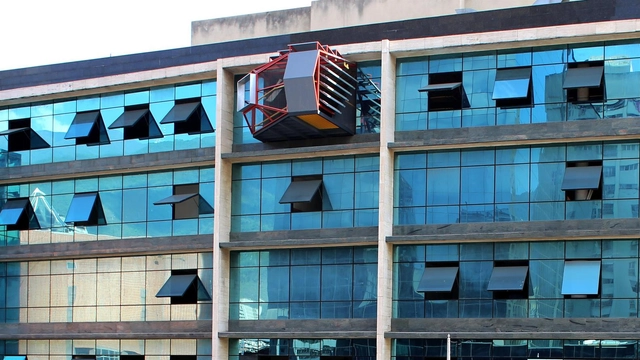
The city as we know it is collapsing, incapable of offering new ways of living. The virus is forcing us to confront the exhaustion of the buildings that make up the city and the systems underpinning how the entire urban landscape was conceived. Basic activities separated by miles along untraversable streets; halls and galleries acting as closed, artificially climate-controlled shells that can no longer accommodate crowds (and are therefore no longer visitable); subhuman capsules stacked atop one another in towers devoid of open spaces, common areas, or nature, with virtually no contact with the outside world—these will only become more dysfunctional as time goes on.

Cities are the synthesis of thousands of years of agreements—as fragile as we are, yet wonderfully adaptable to change. As a result, they remain the ultimate ecosystem for our lives to unfold. Thanks to density, they allow us to maximize the benefits of the infrastructure, services, and public spaces we have created to sustain the well-being to which we aspire.
At first glance, all of this is in crisis today as a result of the COVID-19 pandemic. However, looking back at our history reveals far more lethal epidemics that ultimately brought substantial improvements to the way we live.
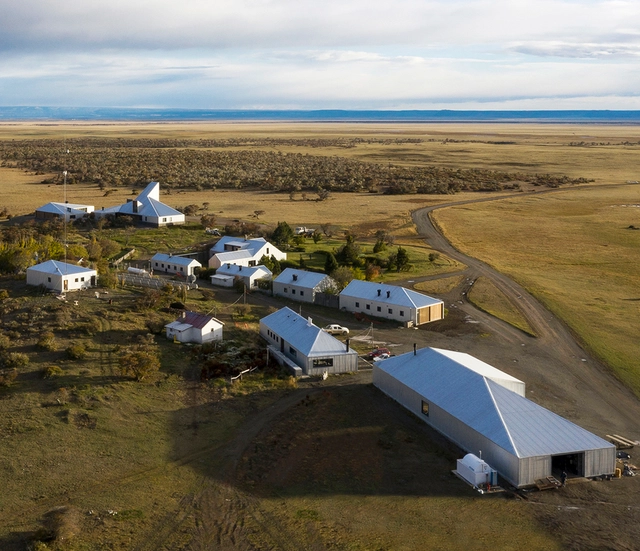
In Latin American countries, the most common method for distinguishing rural areas from urban spaces is based on analyzing the number of residents in a given zone, classifying as "rural" any locality with a population under 2,000. In these contexts, low density and scattered development typically allow the natural landscape to predominate over the built environment.