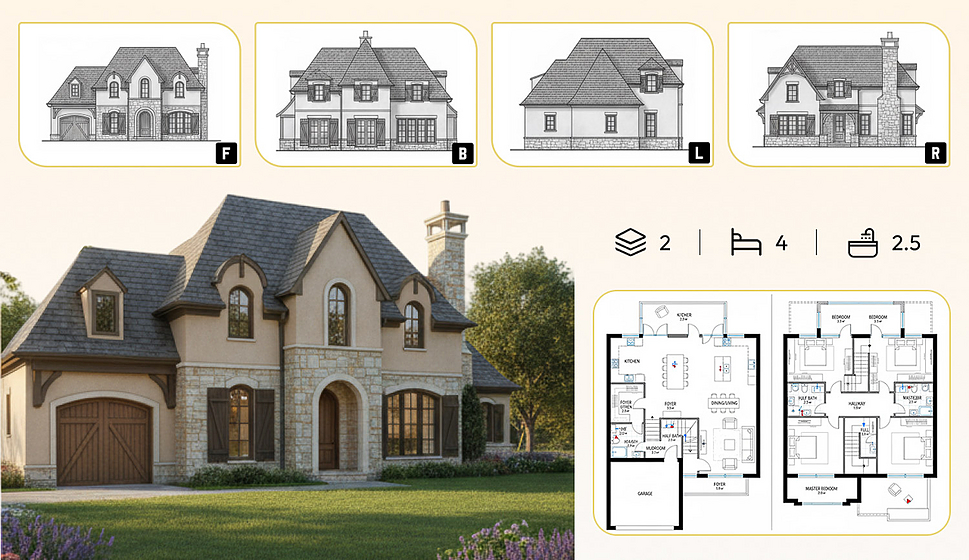
This guide covers a workflow that moves from project parameters to generated floor plans, 3D perspective views, exterior design exploration, and site context visualization, using AI tools in place of preliminary CAD and rendering work.
This guide covers a workflow that moves from project parameters to generated floor plans, 3D perspective views, exterior design exploration, and site context visualization, using AI tools in place of preliminary CAD and rendering work.
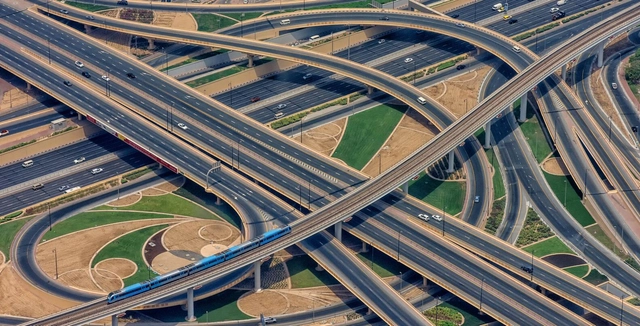
“A city built for speed is a city built for success.” This phrase, attributed to Le Corbusier, one of the most influential urbanists of the 20th century, condenses one of the most significant social developments of that era.
Mobility is a central aspect of shaping the social fabric. According to Eduardo Bericat, Professor of Sociology at the University of Seville, every form of society implies a system of mobility. Consequently, transformations within this system entail anthropological changes of immense significance.

Writing about the participation of women as architects or in the construction industry is complex. Today, we are well aware of award-winning, highly recognized contemporary women architects; yet, looking to the past reveals a dark and solitary landscape.


From figurative panels depicting historical scenes to modernist abstract geometric compositions, ceramic tiles have been a constant presence across different styles and eras of Brazilian architecture over the centuries. Today, composition possibilities are vast, stemming not only from how the pieces are arranged—be it randomly or in structured patterns—but also from the wide range of colors and designs offered by manufacturers.
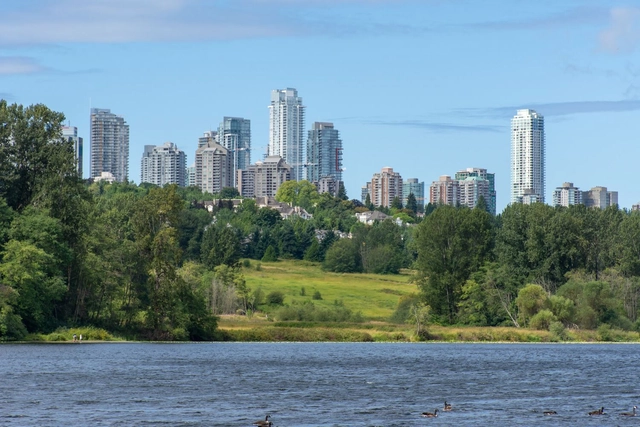
A UN survey revealed that in 2018, approximately 55% of the world's population lived in cities. This figure is projected to reach 60% by 2030. If urban centers are to become home to so many, evaluating these spaces and ensuring quality of life is essential – a challenge when considering population density and the impact of such large numbers.
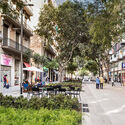
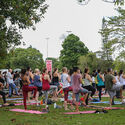
Yet, urban living does not have to mean being cut off from nature, surrounded by gray and concrete. Green cities are proof of this. While life in urban centers poses a series of challenges, it also presents an opportunity to find solutions that transform these spaces, fostering significant and necessary societal change.
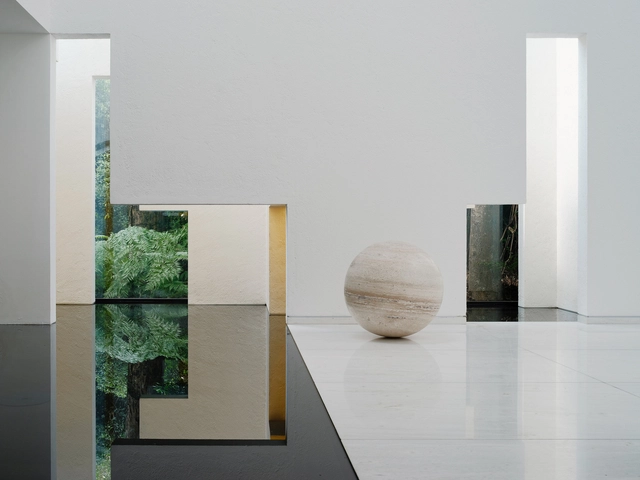
From fire in caves to street lighting in cities, lighting has evolved steadily alongside technological advancements—and in recent years, it has begun to change even more significantly due to a growing awareness of its impact on the environment and human health. Today, automated LEDs are commonplace in workspaces and homes, improving both energy efficiency and well-being and comfort. Meanwhile, public squares and streets are increasingly integrating sensors and software configurations to enhance safety and mobility. With the global urban population projected to reach 68% by 2050, urban lighting will undoubtedly become an even more critical factor to consider.
However, to make the most of these opportunities, we must view lighting as part of a holistic vision and work together to create better solutions. What does the future of lighting look like? We posed this question to our readers. After reviewing a vast number of comments and opinions from construction professionals, students, and architecture enthusiasts alike, it was surprising to find so much common ground and shared visions. There is a clear consensus on the importance of going a step beyond the status quo without increasing light pollution—while being more mindful of all living things. Discover the main perspectives below.
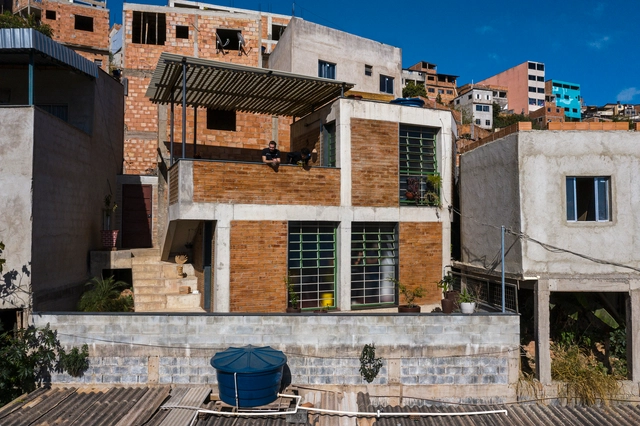
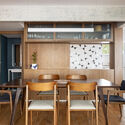
Reflecting on contemporary housing is perhaps one of the most compelling and relevant undertakings of our time. In a rapidly changing world—where technology advances at a breakneck pace, populations grow, and resources become increasingly scarce—it is vital to reconsider how we live and how we can do so better.
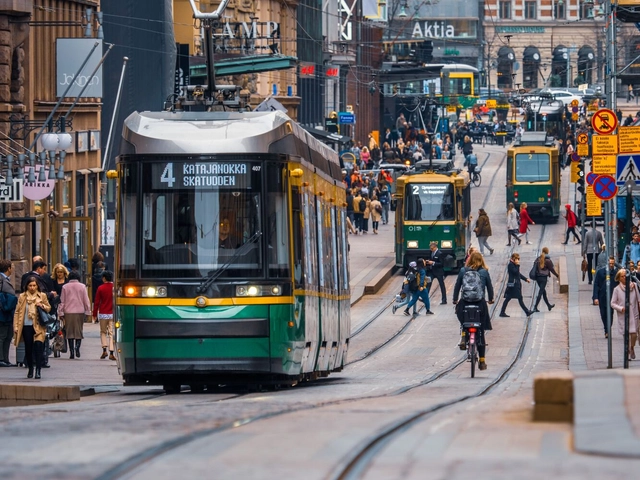
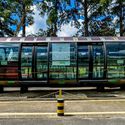
Transportation connects us. It is how we get to school and work, visit our families, and access grocery stores and healthcare services. It is also how we ship and receive goods and services. As economies and populations grow, so does the need for efficient, accessible, and sustainable transportation options.
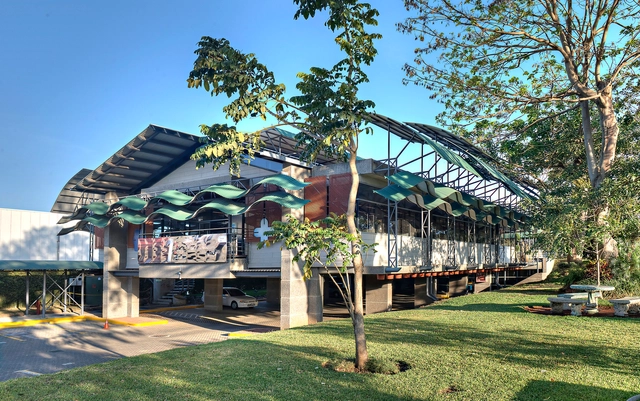
Moving from a country with four distinct seasons to a tropical climate in 1973 was a transformative life experience; in the practice of architecture, it required adapting to a completely new reality. Engaging with the customs and habits of the life that welcomed us, alongside the vernacular architecture we encountered, signaled that our design methodology had to change in order to integrate this new world, with its unique climate and way of living.
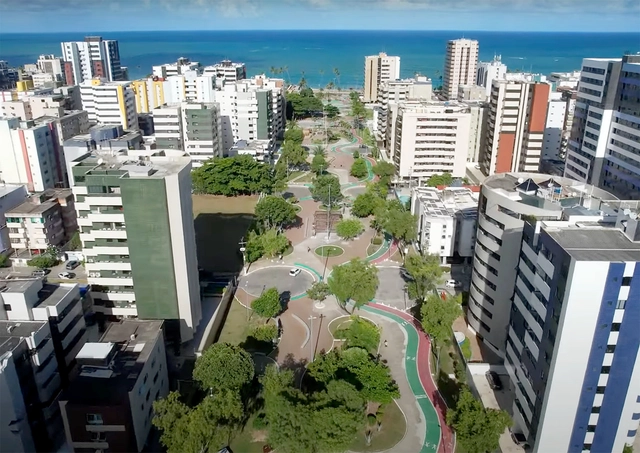
This is not the first article to address this, nor will it be the last. Numerous studies and pieces have pointed out the inconsistency of promoting car-centric urban policies as mobility solutions. I myself wrote in 2021 about the need to stop building overpasses and claiming they will solve mobility issues. Recently, however, Maceió’s Municipal Transport and Traffic Department (SMTT), a local government agency, launched a public consultation to gather feedback on opening streets within the city's largest linear park, the Vera Arruda Corridor. The proposal aims to improve "mobility" and "traffic flow" in an area that "suffers" from rush-hour congestion.
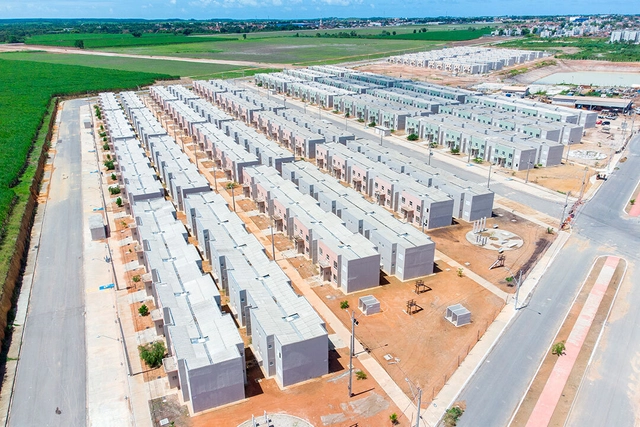
Celso Carvalho's article, recently published in Carta Capital magazine, offers important reflections on the Minha Casa, Minha Vida program, as well as the need to promote changes to its strategy. Carvalho points to the high cost of urban land as an obstacle to providing Social Interest Housing (HIS) in the most valuable neighborhoods of Brazilian cities—the so-called "land knot" (nó da terra). In short, Carvalho argues that the new MCMV should:
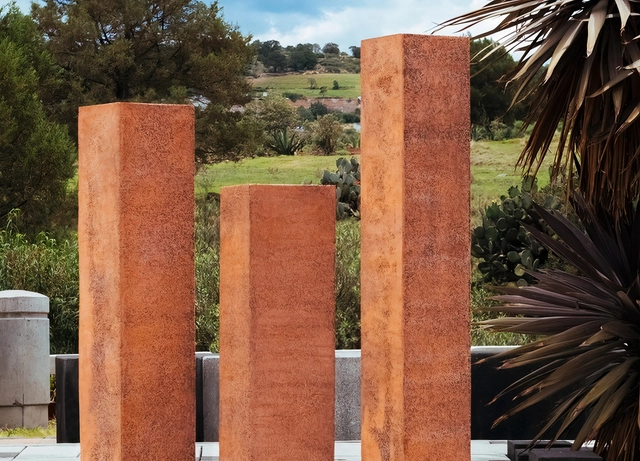
To develop materials that meet the needs of the future, it is important to consider the challenges of both the past and the present. Concrete, a widely used construction material, has maintained its basic composition since its modern conception in the 19th century with the invention of Portland cement by Joseph Aspdin. Highly valued for its strength and cohesion, concrete has become one of the most widely used materials in the world. Driven by its technical and aesthetic characteristics, architects have erected landmarks such as the ECLAC building and the Palmira Chapel, which have become milestones of contemporary architectural production. Today, however, such performance characteristics are no longer the sole criteria for weighing a material's value, given the pressing need to develop materials with a sustainable focus. Indeed, the concrete industry releases a high volume of pollutants into the atmosphere, accounting for approximately 8% of global CO₂ emissions.
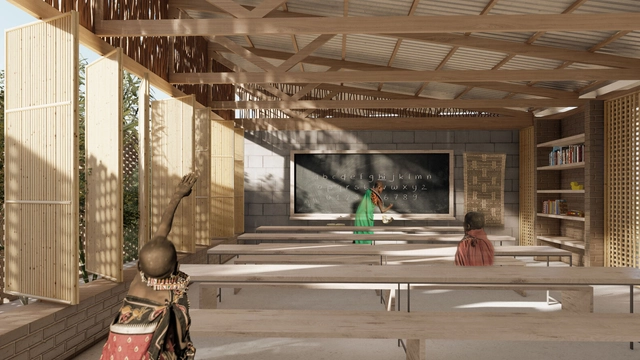
Architectural competitions have long been used to select the best designs in a viable, fair, and democratic manner, regardless of their purpose. In Brazil, the Institute of Architects of Brazil (IAB) stands out, having represented the country's architects for over a century and strongly advocating for the popularization and formalization of competitions as the primary method for commissioning public works—whether for architecture, urban planning, or landscape design. These competitions ensure that public authorities contract the best project, rather than simply the cheapest, which is common in price-based competitive bidding.
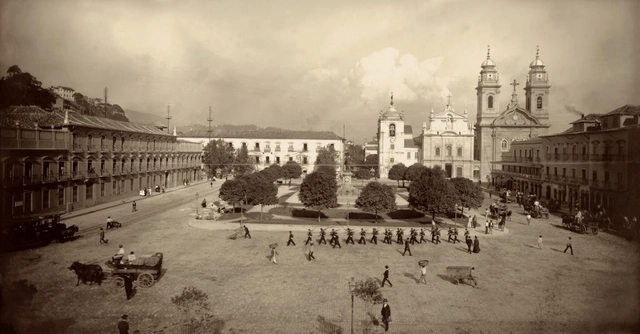
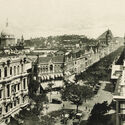
Joining numerous national and international institutions that already make portions of their collections available in the public domain, the Instituto Moreira Salles (IMS) is now providing free access to a selection of its photographic and iconographic archives.

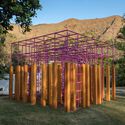
Unoccupied spaces within the city are typically viewed as conditions lying somewhere between problem and potential. It is partly the role of architecture and urbanism to thoughtfully mobilize these spaces within the urban context. With these issues in mind, the firm Vazio S/A proposes the activation of spaces deemed residual in the urban landscape or in specific contexts, drawing on the potential that vacant spaces offer.
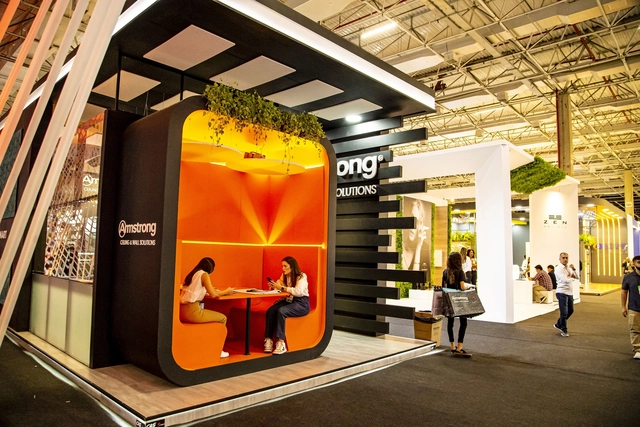
Jazz bars around the world were the subject of illustrations by architect Jose Ricardo Basiches and provided the theme for the booth designed for the Armstrong brand, conceived and built to foster real sensory experiences within the exhibition hall. Well-known for his freehand drawings on napkins and various unconventional surfaces, Basiches says he never leaves home without a pen in his pocket. "For me, drawing is more than a hobby. It is a way of experiencing the environment I am in," the architect adds. These illustrations permeated many elements of the booth during Expo Revestir 2023, particularly the acoustic wall and ceiling panels, presenting the idea that Design + Acoustics can stem from a fresh perspective shared by architects and acoustic consultants regarding existing market products.
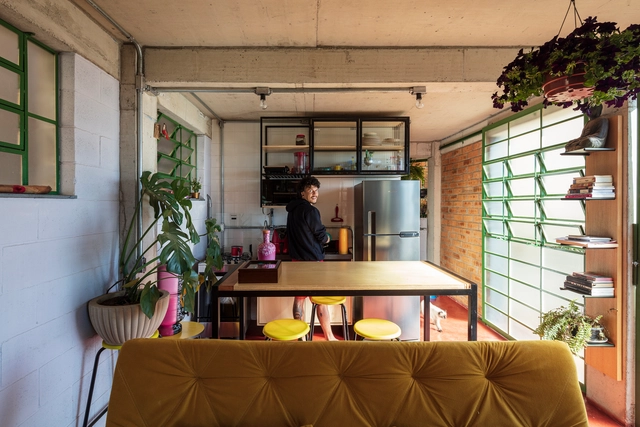
Housing is not just the place where we live. It is a reflection of our society, our culture, and our aspirations. It is a space that influences our quality of life, our health, and our well-being. And in a world changing at an unprecedented pace—where technology advances by leaps and bounds, population grows, and resources become scarce—it is crucial to reflect on how we inhabit our homes and how we can make them better.
Throughout the month of April, ArchDaily opened up the debate on the topic of contemporary housing. We extended an invitation to our readers to join the discussion on its current state and future. After reviewing an immense number of comments and opinions from construction professionals, students, and architecture enthusiasts alike, we were surprised to find a strong consensus: above all, contemporary housing speaks as much to adaptability, innovation, and diversity as it does to real estate speculation, a lack of adequate public policies, and economic inequality. Read the main viewpoints in detail below.
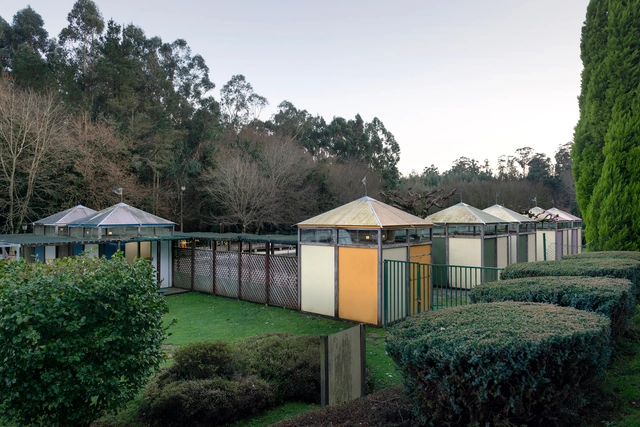
As a result of the research project MuWo - Women in Spanish (Post)Modern Architectural Culture (1965–2000), the interactive digital map of architecture designed by women in Spain was launched, aiming to study and bring visibility to women's work in architecture. As Myriam Goluboff Scheps is one of these architects, we set out to explore her history, ideals, and philosophy through one of her most recognized works: the open-air swimming pools for the Diputación de A Coruña.
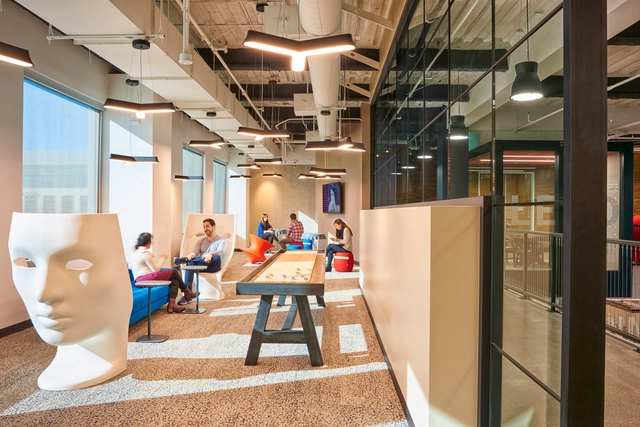
Na teoria, a sensação de bem-estar pode ser definida como um estado de satisfação plena das exigências do corpo e do espírito, evocando sentimentos de segurança, conforto e tranquilidade. Na prática, a sensação de bem-estar pode ser fomentada por diferentes estratégias, desde hábitos individuais até a forma como o ambiente é construído.
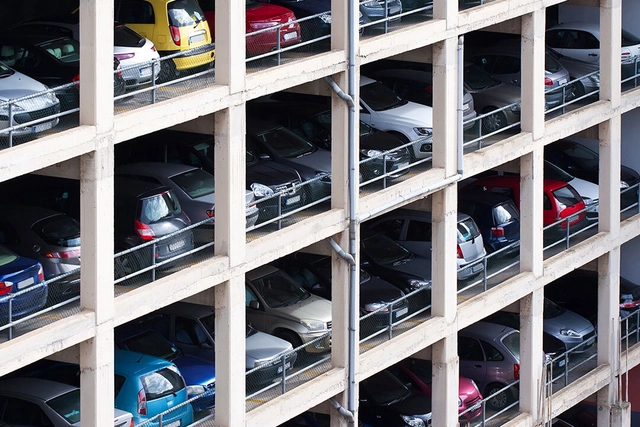
A study by the Journal of Transport and Land Use (JTLU), published in early 2022, revealed that 37% of single-family homeowners in Sacramento, California, did not park their cars in their garages. Instead, these spaces turned into storage units or large closets, as researcher Catie Gould notes in an article for the Sightline Institute. While this represents just one city, the data aligns with findings from a series of global studies highlighting the underutilization of residential parking spaces. In San Francisco, also in California, a survey found that 49% of the 97 garages analyzed in the Mission District were not used to store vehicles, Gould points out.
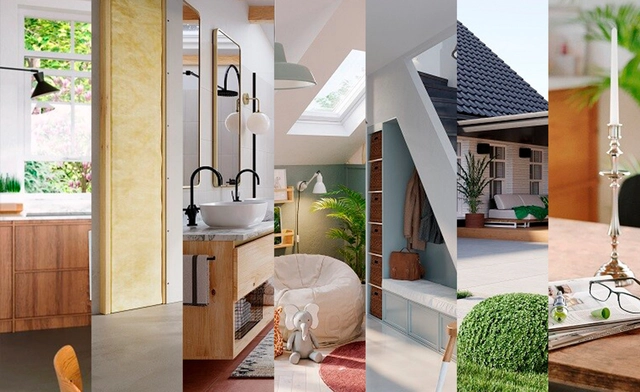
Architecture is a complex and diverse discipline with multiple approaches and perspectives. Throughout history, numerous studies, theories, and treatises have emerged focusing on different architectural expressions. Vitruvius's treatise *De Architectura* is one of the oldest and most influential in the field, proposing that architecture is based on three fundamental principles: beauty, firmness, and utility. For a work to be considered truly architectural, there must be a balance between these three components. Moreover, other approaches, such as the five points of modern architecture, and more recent research, like Supra Order, enrich contemporary architectural theory.
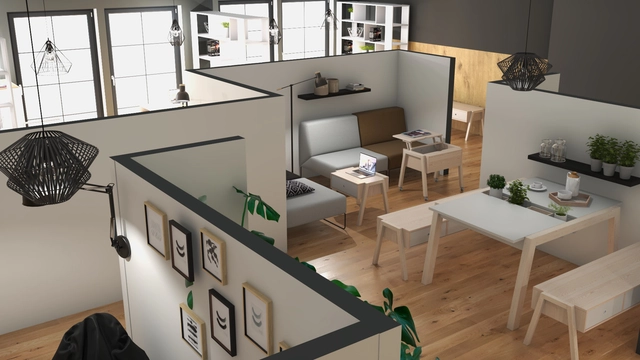
Designing a new apartment or renovating an existing one is always a major challenge. To simplify what is typically a long and complex project, the VOXBOX software, developed by experts from the VOX brand, helps visualize the design of a future home quickly and efficiently. Unlike other interior design programs, VOXBOX does not require specialized knowledge in architecture or design, as it utilizes an intuitive and user-friendly interface.
Available to everyone on the web, this digital tool allows users to quickly design a bedroom, living room, apartment, or an entire house. In addition, users can visit VOX showrooms, where their team of interior designers offers guidance for designing specific spaces. As an architect, you can also meet with your clients at VOX showrooms to show them their future interiors in virtual reality and present material and furniture board samples.
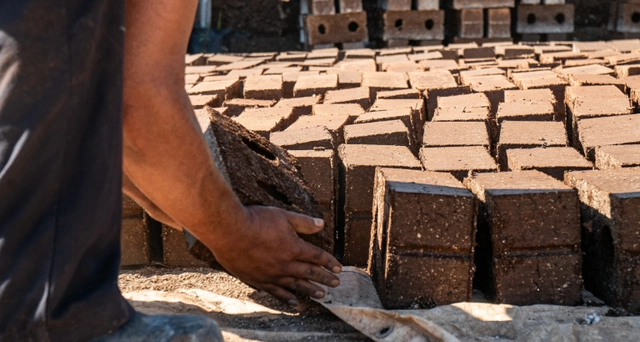
Paradise beaches can quickly lose their appeal for tourists when invaded by sargassum, a brown algae of the genus *Sargassum C. Agardh* distributed across tropical and subtropical oceans. In Mexico's Riviera Maya, this seaweed was once considered a major problem. However, Omar de Jesús Vazquez Sánchez saw it as a raw material for homebuilding—transforming sargassum into sustainable bricks.
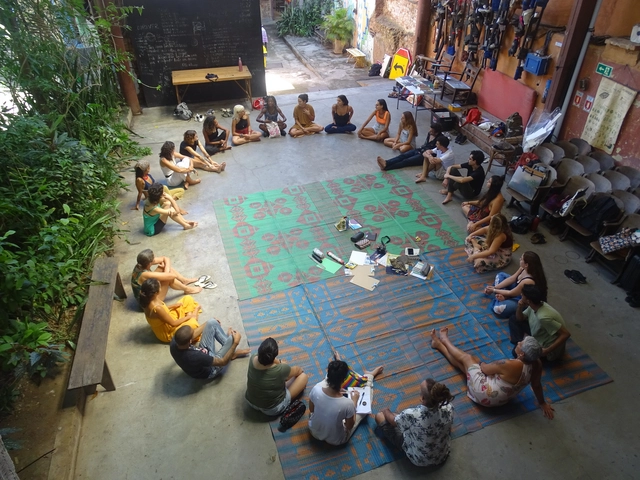
Floresta Cidade is an extension program, research, and teaching initiative at the Faculty of Architecture and Urbanism of UFRJ. Initiated in 2020 and coordinated by Professor Iazana Guizzo, the program addresses urban life in Rio de Janeiro through the lens of the Anthropocene and the displacement of the anthropocentric perspective, aiming to foster the exchange of knowledge around dwelling in the metropolis. Transdisciplinarity across various fields of knowledge, along with sensibilities connected to the forest that have been historically silenced, pave the way to shift conventional ways of thinking.
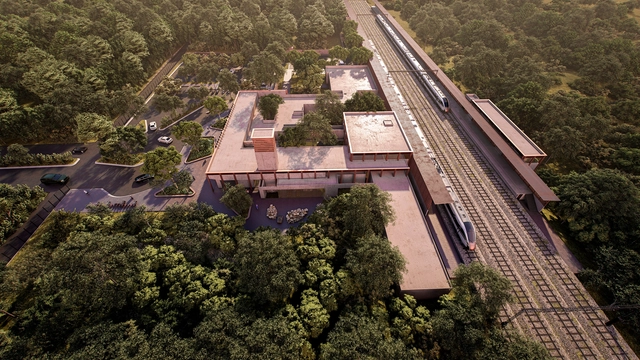
The Tren Maya is an infrastructure project currently being developed by the Mexican government in the country's southeast, involving the construction of approximately 1,525 km of railway lines that will span the states of Tabasco, Chiapas, Campeche, Yucatán, and Quintana Roo. It will offer three types of services: passenger, tourist, and freight trains. The route comprises seven sections: Section 1 runs from Palenque to Escárcega (228 km); Section 2 from Escárcega to Calkiní (235 km); Section 3 from Calkiní to Izamal (172 km); Section 4 from Izamal to Cancún (239 km); Section 5 from Cancún to Tulum (121 km); Section 6 from Tulum to Chetumal (254 km); and Section 7 from Chetumal to Escárcega (287 km).