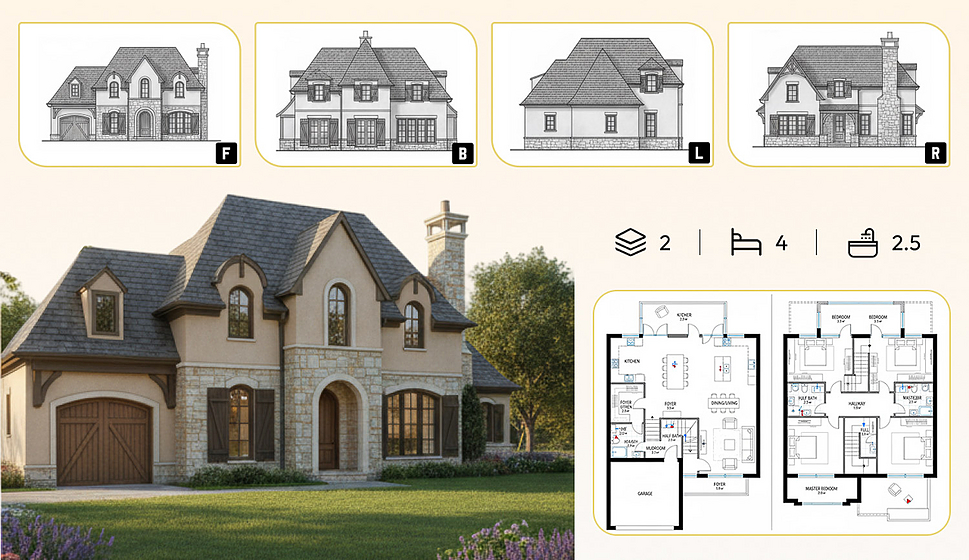
This guide covers a workflow that moves from project parameters to generated floor plans, 3D perspective views, exterior design exploration, and site context visualization, using AI tools in place of preliminary CAD and rendering work.
This guide covers a workflow that moves from project parameters to generated floor plans, 3D perspective views, exterior design exploration, and site context visualization, using AI tools in place of preliminary CAD and rendering work.
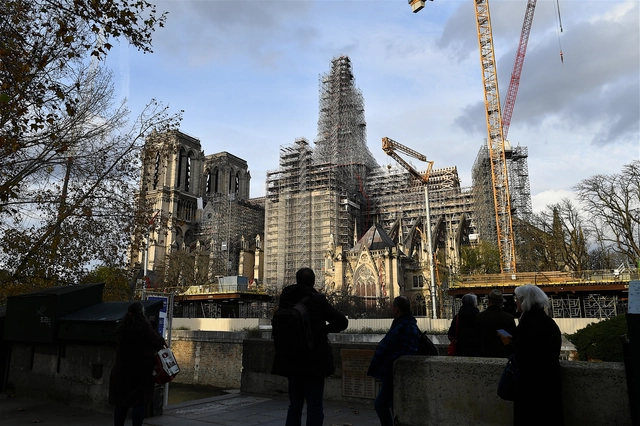
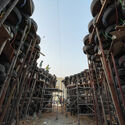
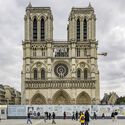
In April 2019, a devastating fire engulfed the 860-year-old Notre Dame Cathedral in Pars, severely damaging its wooden roof and leading to the collapse of the 19th-century spire, originally designed by Viollet-le-Duc. Immediately after, French President Emmanuel Macron promised that the iconic monument would be restored in just 5 years, an ambitious deadline. As the restoration of the roof structures nears completion, in February 2023, the scaffolding for the reconstruction of the spire has been assembled. The Spire is expected to be finished by the end of the month.




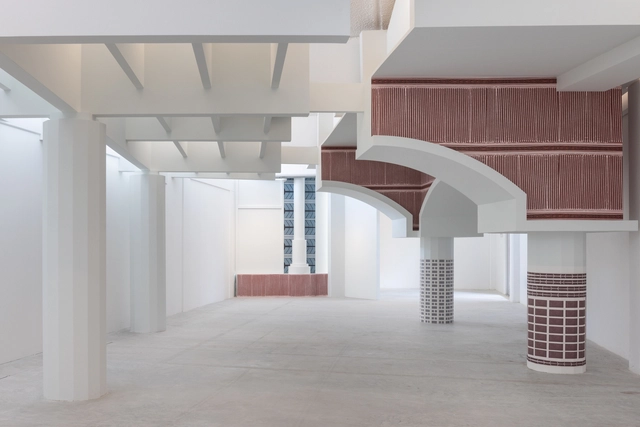
The Uzbekistan Art and Culture Development Foundation and Wael Al Awar have jointly unveiled “Tashkent: Appropriating Modernism” at the Sharjah Architecture Triennial. The showcase spotlights three essential instances of modern architecture in Tashkent, Uzbekistan. Crafted by Wael Al Awar, founder and principal architect of waiwai, the initiative presents the three case studies and their significant evolution.
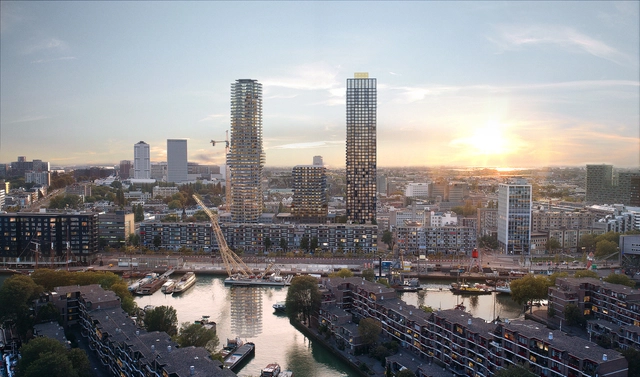
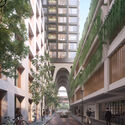
Designed by Powerhouse Company, the BaanTower has started construction in the remodeled Baan Quarter neighborhood of Rotterdam. The residential tower strives to promote a sustainable architecture based on the well-being of its residents. Upon completion, the high-rise will house 427 apartments available for rent. Seven years after the original draft, the project has recently received its building permit, and is expected to be completed by 2026.
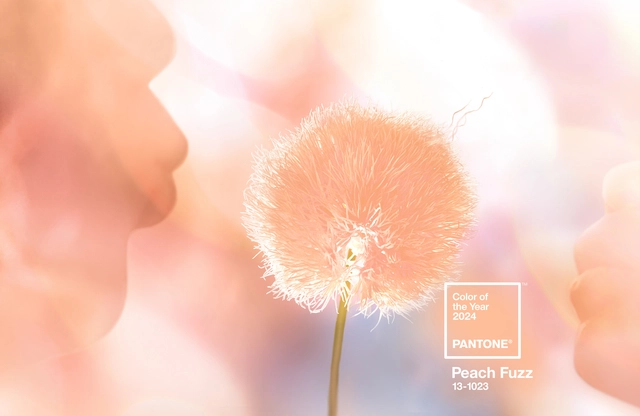
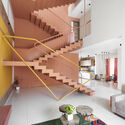
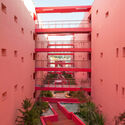
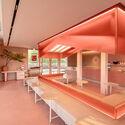
Pantone has just just announced “Peach Fuzz” or PANTONE 13-1023,” the 2024 Color of the Year. Known for its color standards and digital solutions in the design community, Pantone announced the color aiming to move towards empathy and understanding. A hue between pink and orange, the color is soft and inviting and offers “tenderness and communicating a message of caring, community, and collaboration.”
This article was originally published on Common Edge.
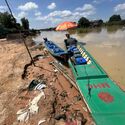
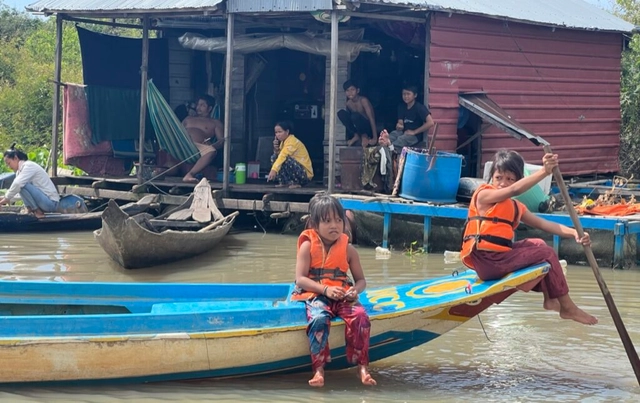
Lake Tonle Sap is a part of Cambodia’s inland water system that’s connected to the flooded forests that purify water and buffer communities from storms—an important benefit as climate change makes extreme weather more frequent. Every year from June to November, the Mekong Delta backs up into Lake Tonle Sap, creating water-depth fluctuations of up to 10 meters. The result is that land-based buildings are inundated during the rainy season, then refurbished and reoccupied again after the water recedes.

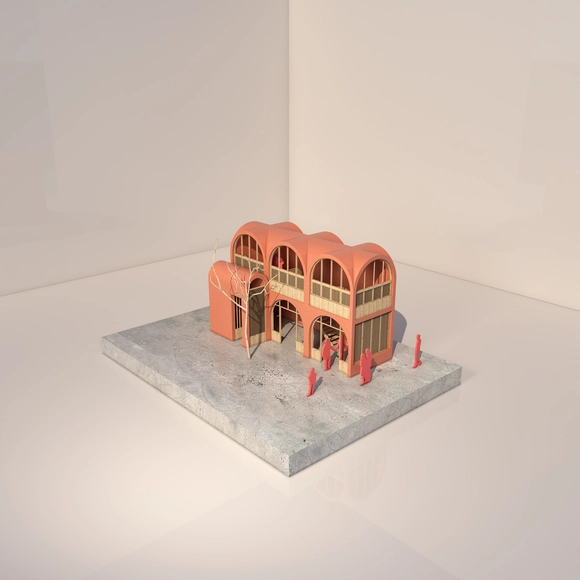
The winning project of the Oscar Hagerman Prize International Architecture Competition has been announced. Established in 2017 to honor the career of architect Oscar Hagerman, the biennial competition recognizes social architecture concepts, encouraging participants to utilize regional materials while prioritizing user needs.
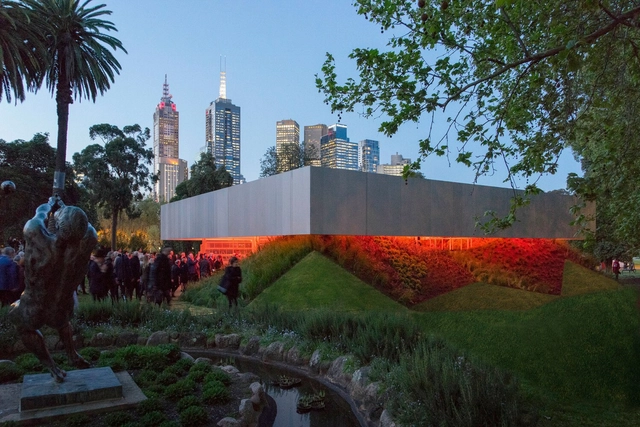
The MPavilion represents one of the most important architectural events happening annually in Melbourne, Australia. Initiated and founded by the Naomi Milgrom Foundation, the event was first launched in 2014 and has since brought internationally recognized architects to design a temporary structure in Melbourne's Queen Victoria Gardens in a system similar to London’s Serpentine Gallery Pavilion. From Sean Godsell's solar-actioned panels to Studio Mumbai‘s experimental bamboo structure, each pavilion explores craftsmanship and contemporary design while fostering a rich cultural program for several months before being disassembled and donated to one of the city’s parks. As the latest pavilion was recently inaugurated by Tadao Ando, we look back at the previous editions of Australia’s most famous annual structure.
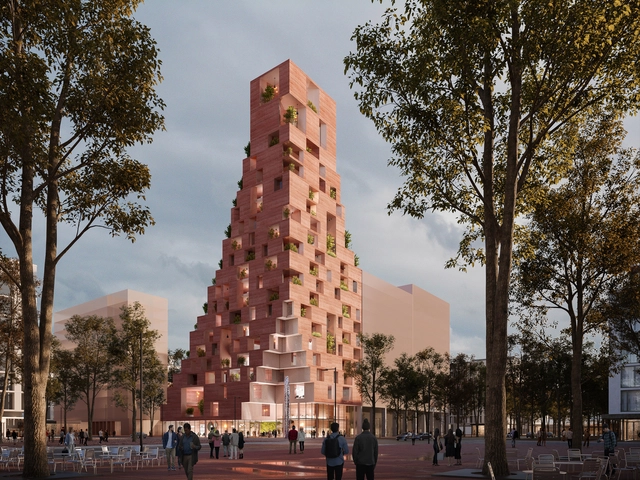
CHYBIK+KRISTOF has won an international competition to design a multifunctional tower as a significant part of Tirana’s evolving landscape. The structure is situated in the heart of the capital city’s culture hub within the New Boulevard, reflecting a shift in Tirana’s urban development. With its distinctive red concrete silhouette, it aims to create a new landmark, signaling the commencement of various other projects outlined in the masterplan.



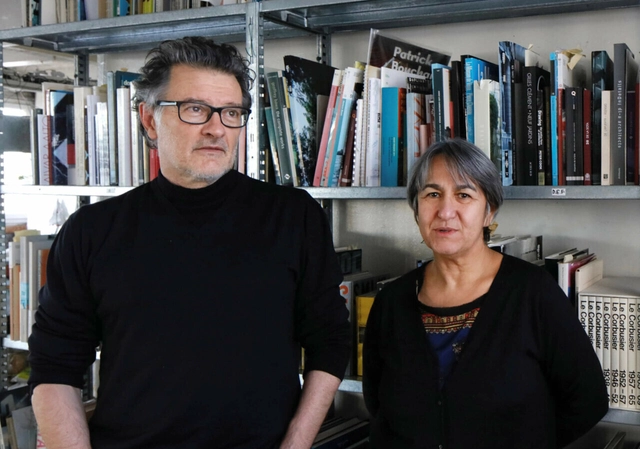
Sir John Soane’s Museum has announced French architecture practice Lacaton & Vassal as the recipient of the 2023 Soane Medal. The award comes in recognition of the office’s work spanning over 3 decades. Through an honest design approach, the office became known for the resourceful repurposing of materials and existing structures to prioritize the needs of residents and local communities. For this approach, the office has been previously awarded as the 2021 Pritzker Prize 2021 Laureate.
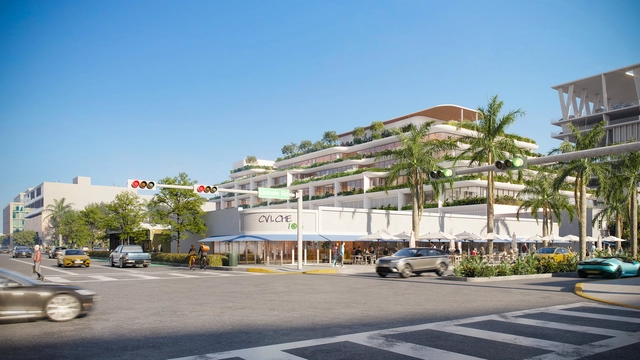
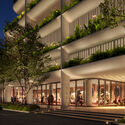
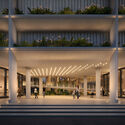
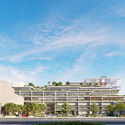
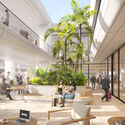
Foster + Partners has unveiled the plans for a new multi-purpose design in the heart of Miami Beach. “The Aalton” is a six-story building encompassing ground-level retail, offices, and residential spaces. Positioned at the intersection of Aalton Road and Lincoln Road, the renowned pedestrian shopping street, the building embraces Florida’s architectural heritage.
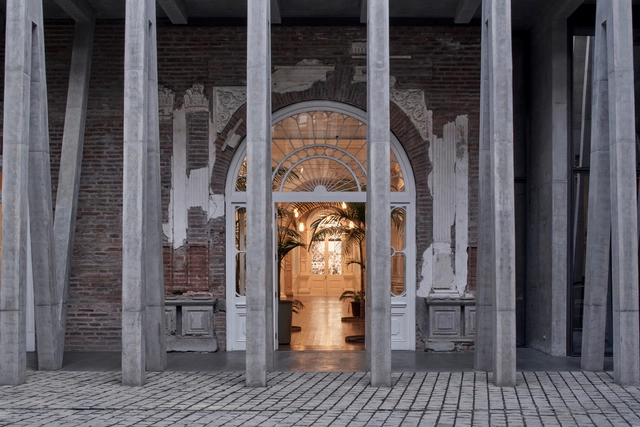
The MA Awards, conceived by Mujer ArquitectA, aim to highlight and promote the creations of contemporary women architects in Chile, valuing their contribution to the architectural field. This recognition celebrates the excellence and outstanding contributions of women architects in the field of creation and design. These awards seek to highlight the innovation, unique vision, and exceptional skill of women architects, offering a meaningful space to honor and bring visibility to their valuable impact on the world of architecture.
On Tuesday, December 5, at the AOA (Association of Architectural Offices) auditorium, the following winners were announced.
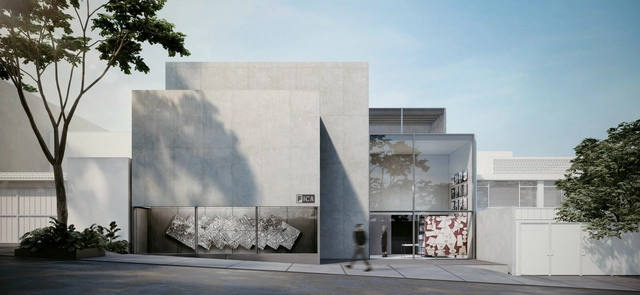
The Fundación ICA presents the initiative to establish the ICA Center for Education, Research, and Training (CENFICA), which will consolidate ICA's historical mission and vision for the professional development of new generations of professionals and the continuous training of its employees. Drawing on academic program experiences and the creation of innovation laboratories for construction and prefabrication processes, ICA promotes CENFICA through Fundación ICA—a non-profit civil association founded in 1986—aiming to expand its institutional outreach across three core areas: Education, Research, and Training.
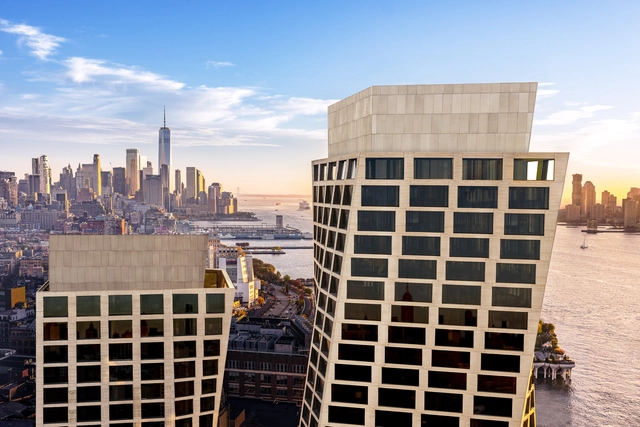
A new set of images showcases BIG's One High Line development nearing completion. Located on the ‘Architecture Row’ in New York, the coupled twisting towers share the Hudson River skyline with neighbors such as Frank Gehry’s IAC building, Renzo Piano’s Whitney Museum of American Art, and Jean Nouvel’s The Chelsea Nouvel ('100 Eleventh Avenue'), along with future works by Thomas Heatherwick and other renown architects. The two condominium towers designed by BIG are organized to define a central public courtyard, activating the public space with retail and commercial facilities. The towers’ exterior and the majority of the interior are completed, with the courtyard expected to be finished by early 2024.
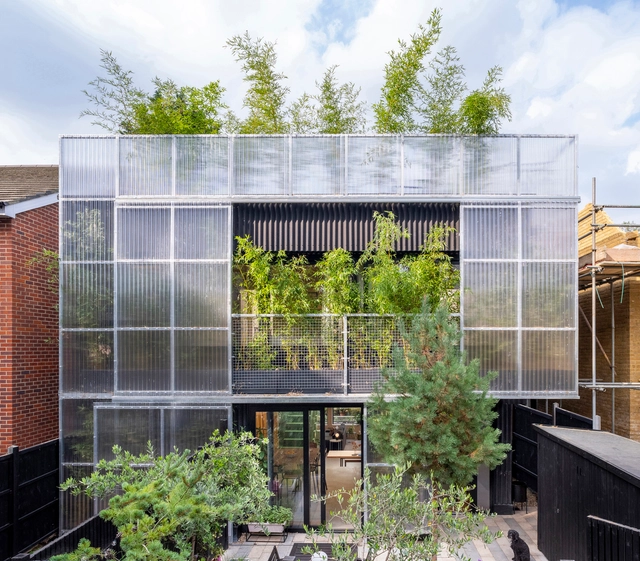
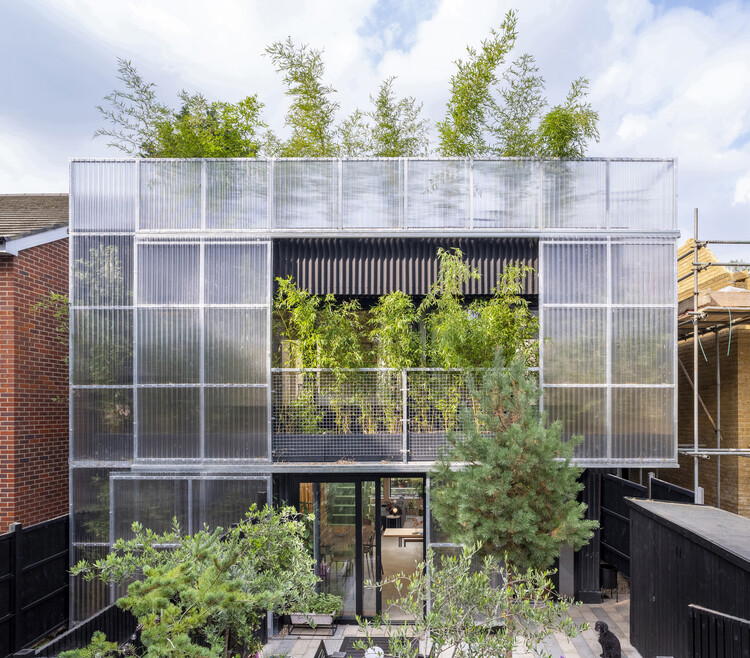
The 2023 RIBA House of the Year Award has been awarded to “Green House.” Designed by Hayhurst & Co, this polycarbonate-lined residential family home was inspired by nature. The annual award recognizes the house as the best example of residential design in the UK. Described as a “domestic greenhouse” and an “extraordinary ordinary house” by the RIBA jury, the design reflects nature’s ability to influence design.


Moderated by David Basulto, Co-Founder and editor-in-chief at ArchDaily, the panel featured Jury Chairs for the Holcim Awards 2023 competition, Lesley Lokko, Belinda Tato, Craig Dykers, Manit Rastogi, and Tatiana Bilbao, who explained how the winning projects contributed to the industry's global knowledge network across regions, and how the construction industry is heading towards a sustainable practice.
The Panel Discussion took place on November 19th, 2023 at the Teatro Piccolo Arsenale, in Venice, Italy.
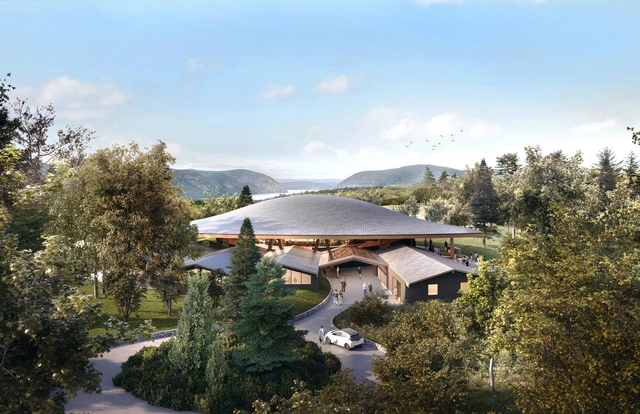
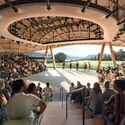
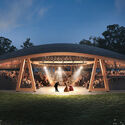
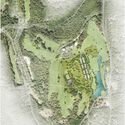
Studio Gang has revealed the design for a new theater for the Hudson Valley Shakespeare Festival (HVSF). Planned to become the first purpose-built LEED Platinum theater in the United States, the building located in Garrison, NY, will serve as the permanent home for HVSF. The structure, measuring over 13,800 square feet, or 1,280 square meters, is designed to become the central point of the 98-acre HVSF campus, aiming to emphasize the theater company’s commitment to sustainable principles and social engagement. The project is expected to break ground in 2024.

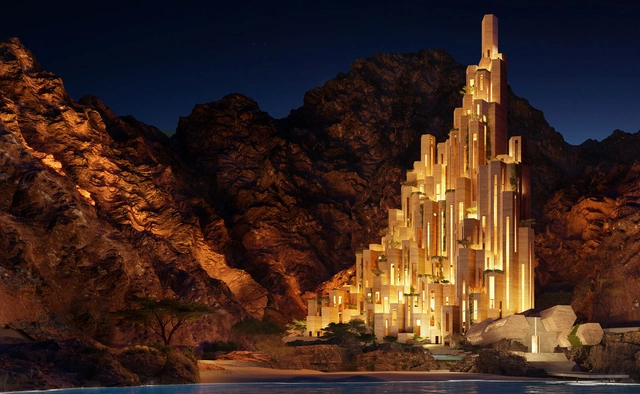
NEOM has just introduced “Siranna,” a new tourism destination within the new sustainable regional development evolving in Northwest Saudi Arabia. Aiming to blend innovation and refinement, while integrating with the coastal terrain, the design seeks to offer a luxury escape, with a 65-key hotel and 35 residences. Prioritizing minimal intervention in nature, Siranna’s development utilizes specific techniques to preserve the local landscape. The architecture pays tribute to the area’s heritage while blending into the mountains and wadi. The initiative aligns with NEOM’s dedication to creating sustainable spaces in nature.
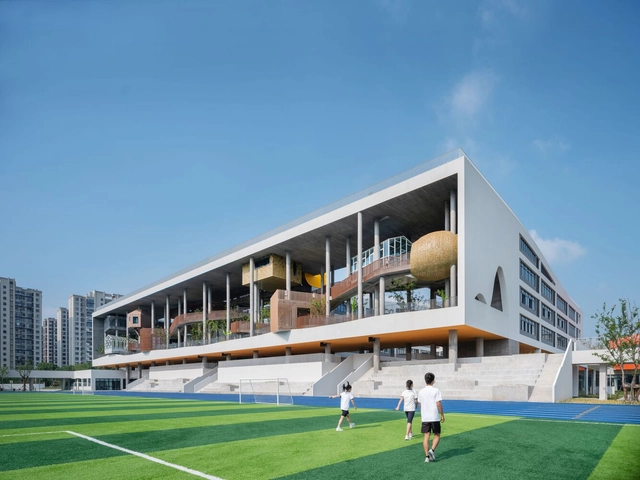
The World Architecture Festival announced the ultimate accolades of World Building of the Year, World Interior of the Year, Future Project of the Year and Landscape of the Year. A host of Special Prizes, including the International Building Beauty Prize, Best Use of Colour Prize and Small Project of the Year were also announced at the closing event, to celebrate the sixteenth edition of the festival. The announcement follows the final day of WAF, in which prize winners across all 44 categories competed for the winning titles.
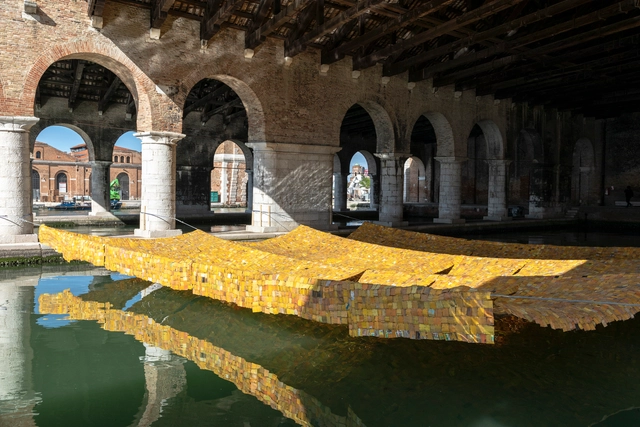
The 18th International Architecture Exhibition of La Biennale di Venezia closed on November 26th. A total of 285,000 people visited the exhibition, making it the second most highly attended Architecture Biennale in its history. Named "The Laboratory of the Future," this edition led by curator Lesley Lokko, has been the first to focus on Africa and its diaspora, exploring the “fluid and enmeshed culture of people of African descent that now straddles the globe,” in the words of the curator, with themes of decolonization and decarbonization.
This edition has attracted a wide array of visitors, 38% of whom are represented by students and young people. Visitors organized in groups represented 23% of the overall public, with a large majority of groups coming from schools and universities. The numbers denote an event centered on the transmission of knowledge and circulation of ideas.
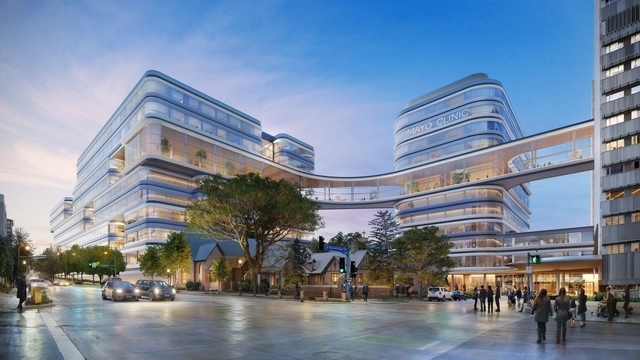
Foster + Partners, in collaboration with CannonDesign and Gilbane Building Company, have unveiled the new plans for a Mayo Clinic healthcare vision in Rochester, Minnesota. Named “Bold. Forward. Unbound.” This initiative presents a multiyear strategic endeavor aligned with Mayo Clinic’s strategy to “cure, connect, and transform healthcare globally.” Reimagining the institution’s campus, the design introduces new facilities that merge care concepts and digital technologies.
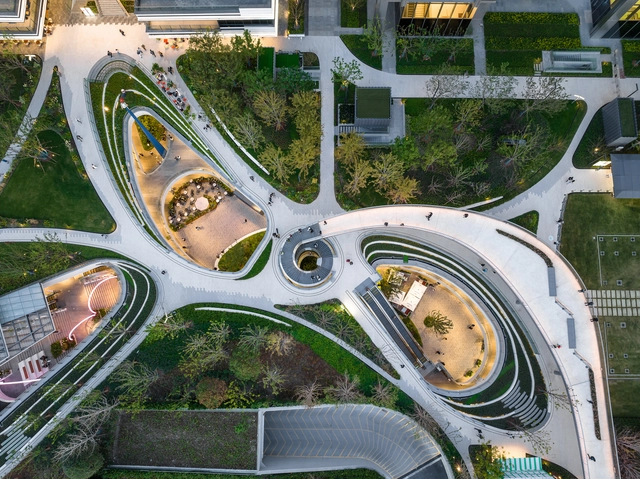
The second round of award winners of the 2023 World Architecture Festival have been announced, following Day Two of live presentations at Marina Bay Sands in Singapore, in which hundreds of shortlisted projects were presented by practices from around the world. Amongst today’s category award winners of the world’s largest international live-judged architectural event there were six projects from Australia and four projects each from Iran and the United Kingdom.
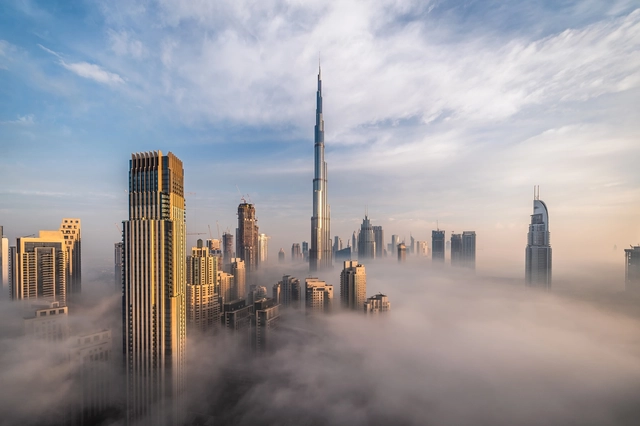
On November 30, 2023, the UN COP28 climate summit begins in Dubai, the United Arab Emirates. The name stands for the Conference of the Parties under the UNFCCC, and symbolizes the annual meeting of world governments for the purpose of establishing strategies to limit the extent of climate change and its adverse effects. Last year’s summit concluded with several important measures, including the promise of a global fund aimed at providing financial aid to developing countries affected by climate disasters.
The main purpose of COP is to reinforce the commitments of the Paris Agreement, signed in 2015, which strives to keep the global temperature rise under 1.5C degrees. As the construction industry accounts for 39% of global emissions, architecture plays an important role in helping to lower our carbon footprint, making COP28 a crucial event for architects.
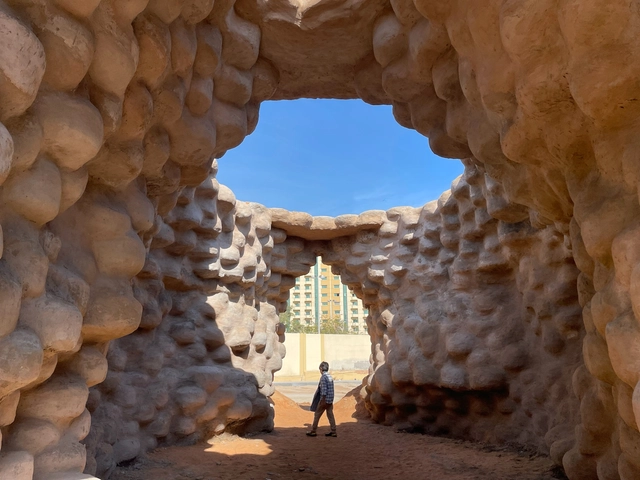
The Sharjah Architecture Triennial opened on November 11, 2023, with the theme of The Beauty of Impermanence: An Architecture of Adaptability. Curated by Tosin Oshinowo, the program focused heavily on the Global South and alternative models the region can provide in the future. As part of the Triennial, the “3-Minute Corridor” pavilion by WallMakers explores our waste on a global scale, exploring methodologies of material reuse.
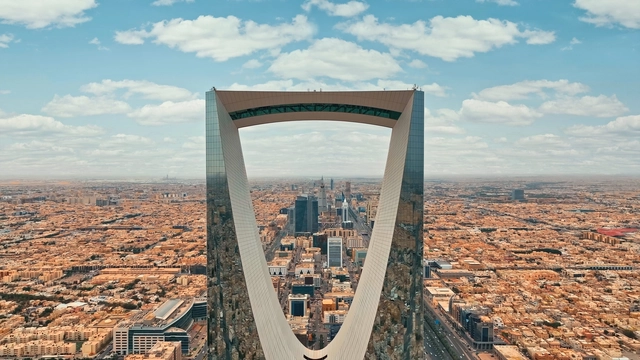
The Bureau International des Expositions (BIE) announced yesterday, on Tuesday, November 28, that Riyadh, the capital city of the Kingdom of Saudi Arabia has been selected to host the 2030 World Expo, by securing the necessary two-thirds majority of votes in the first round. Marking another milestone for the Gulf, following Dubai's Expo 2020 and Qatar's hosting the FIFA World Cup in 2022, this five-yearly event draws millions of visitors and investments. Under the theme, "The Era of Change: Together for a Foresighted Tomorrow", Expo 2030 Riyadh will run between 1 October 2030 and 31 March 2031.
Competing against South Korea's port city of Busan and Rome in Italy, Riyadh won the bid with 119 votes, while Busan received 29 votes, and Rome got 17 votes out of the 182 members of the Paris-based Bureau International des Expositions (BIE). Other explored subjects were the themes of “Transforming Our World, Navigating Toward a Better Future” by Busan and “People and Territories: Regeneration, Inclusion and Innovation”, for Rome.