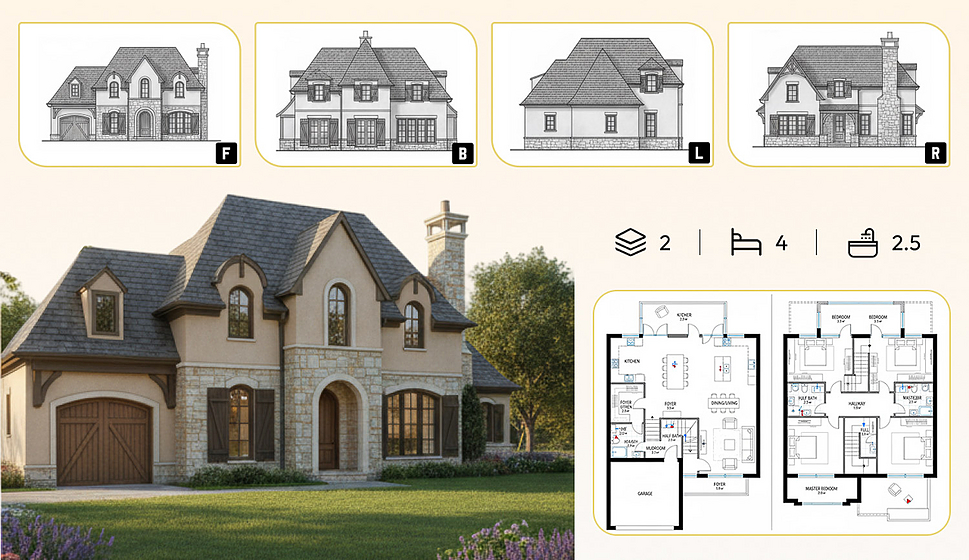
This guide covers a workflow that moves from project parameters to generated floor plans, 3D perspective views, exterior design exploration, and site context visualization, using AI tools in place of preliminary CAD and rendering work.
This guide covers a workflow that moves from project parameters to generated floor plans, 3D perspective views, exterior design exploration, and site context visualization, using AI tools in place of preliminary CAD and rendering work.
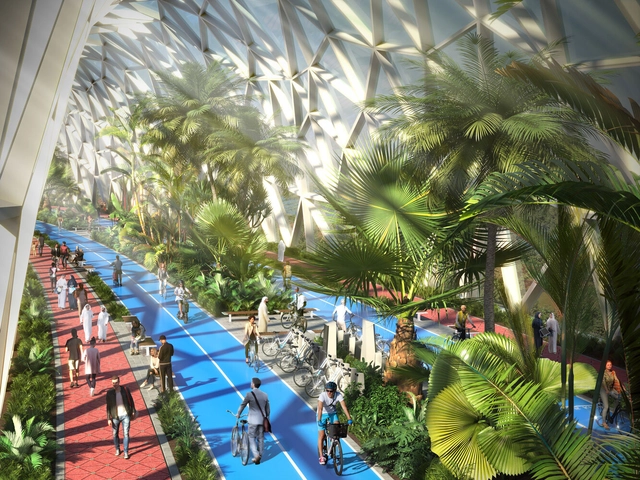
URB has released a study for “Dubai Cycle City 2040,” envisioning diverse cycling infrastructure in the Emirate. The initiative aims to revolutionize transportation in Dubai, allowing residents quick access to critical services and locations by cycling or walking. In a city where cars have reigned supreme as a transportation mode, plans are underway to transform urban mobility.
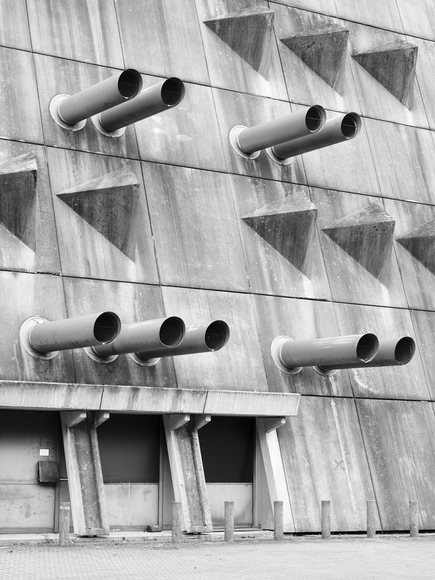
Regarding urban development, the choice between demolition and adaptive reuse holds far-reaching implications. From debates around the cultural and historical significance of structure to the environmental impact of the process of razing and rebuilding, compared to the cost of preserving and adapting, the matter of demolitions has ignited the architectural community to come together and ask for more responsible assessment strategies in hopes of rediscovering the value of existing structures. This article gathers some of the stories of buildings facing the threat of demolition and the processes that led to their rescue.
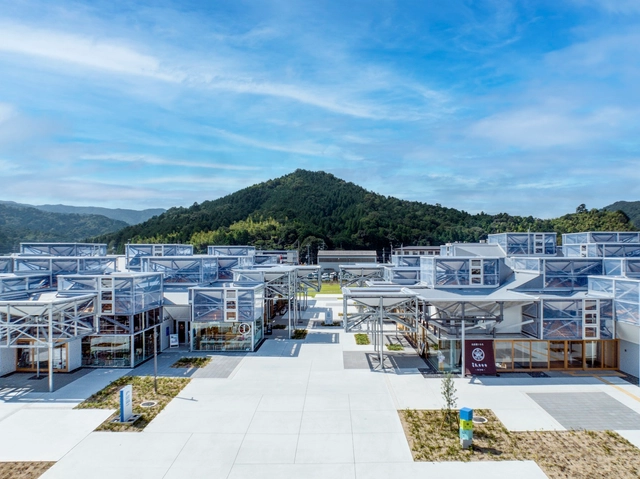
Covering all regions of the world, the continental winning projects of the 2023 Prix Versailles have been revealed. With 18 selected establishments in the categories of stores, hotels, and restaurants, as well as 15 shopping centers, the projects are grouped into six regions: Africa and Western Asia; Central, South America, and the Caribbean; North America; Central and Northeast Asia; South Asia and the Pacific; and Europe.
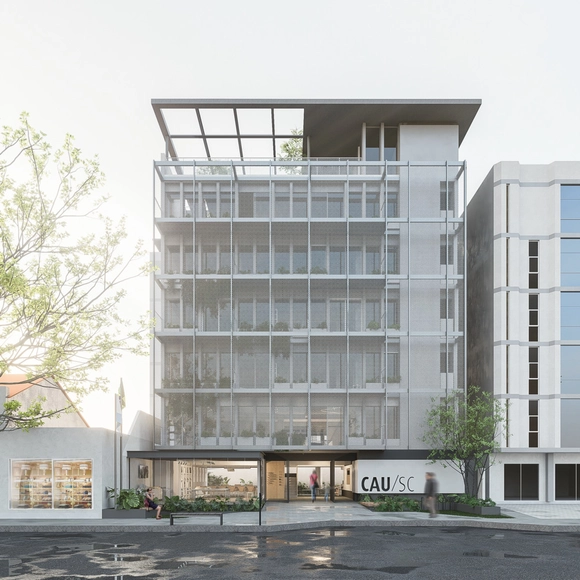
The firm Bloco B arquitetura, led by architects Júlia De Fáveri, Camilla Ghisleni, and Gabriela Fávero, was awarded second place in the competition for the renovation of the CAU/SC headquarters building. The competition sought solutions for the building's primary areas, such as the atrium, reception, and facade, in an effort by the Council to "welcome all architects and urban planners, connect with society, engage with the street, and practice the commitment to making the city more human."
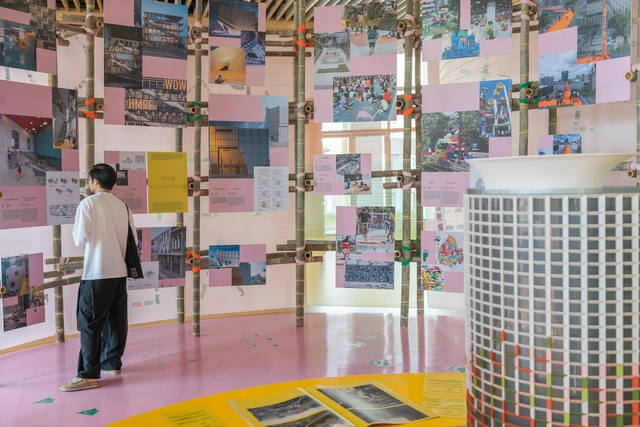
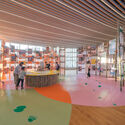
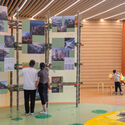
“ReviveR,” a new exhibition by MVRDV opened at the Shenzhen Women & Children’s Centre, focused on the different narratives surrounding its hosting building, from the role of play and social interaction, to the importance of fun environments for people of all ages, along with the need to reduce carbon emissions by applying principles of circularity. The exhibition is on display in the building’s 5th-floor auditorium from December 6, 2023, until February 28, 2024.
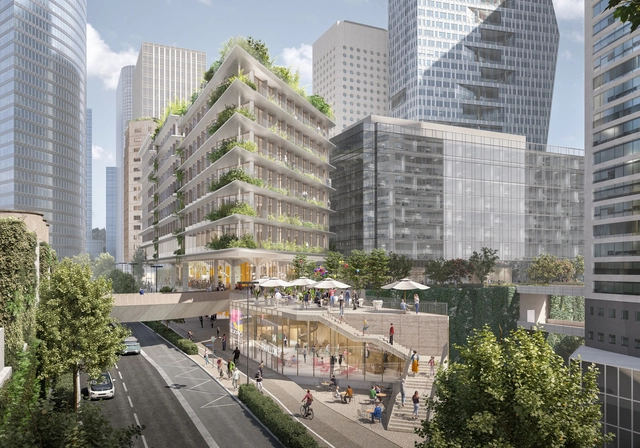
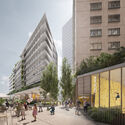
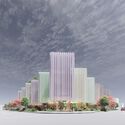
RSHP has just won the Jean Moulin competition held in La Défense, Paris, to design a low-carbon mixed-use development. The competition is a part of the Paris business district initiative to become the world's first post-carbon business neighborhood, launching “Empreintes,” aiming to revolutionize five urban sites at the district’s periphery. Through collaboration with neighboring city centers, the scheme hopes to create various sustainable mixed-use properties.
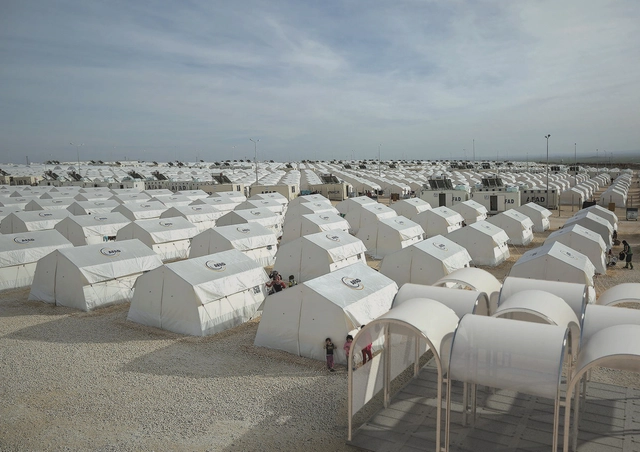
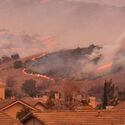
As we reflect on the tumultuous events of 2023, it becomes evident that the challenges posed by changing environmental conditions have left an indelible mark on communities worldwide. In response, architects and urban planners have set out, searching for the ways in which their actions can help create safer environments for communities worldwide, responding with both fast-to-deploy emergency architectures and long-term strategies to build resilience and mitigate risks.
Beyond merely responding to events like the devastating earthquakes in Turkey, Syria, and Morocco, or the widespread flooding in Libya or Pakistan, professionals are attempting to take proactive approaches, developing strategies that extend from predictive modeling to the application of re-naturalizing techniques or the ongoing research into the physics of safer and resilient structures.

The Board of Directors of La Biennale di Venezia has just announced Carlo Ratti as the next curator of the International Architecture Exhibition. The 19th exhibition will take place in 2025, from May 24 to November 23. The appointment was recommended by President Roberto Cicutto, and has the support of Pietrangelo Buttafuoco, President of La Biennale di Venezia for the four-year term March 2024-2027.
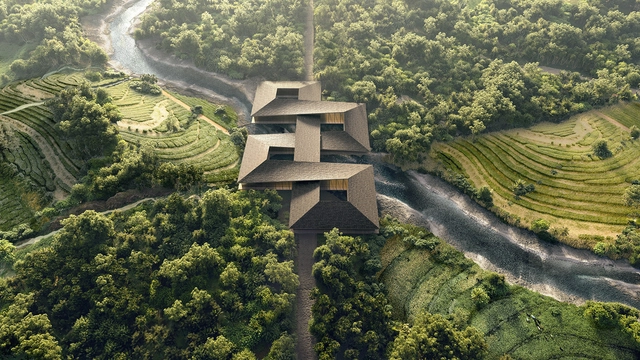
BIG has just unveiled “Gelephu,” an envisioned master plan that draws from Bhutanese culture, Gross National Happiness principles, and spiritual heritage. During the 116th National Day of Bhutan, His Majesty King Jigme Khesar Namgyel Wangchuck introduced the plans for the prospective economic center in the country. Designed in collaboration with Arup and Cistri, the master plan is adhering to the sustainable standards of the world’s first official carbon-negative country, Bhutan.

The future has always been impossible to predict with absolute certainty. While various films, books, and theories have attempted to decipher it—and many have come close—we continue to be surprised by what actually emerges. Take, for instance, artificial intelligence tools. As we wrap up 2023 and head into 2024, does this dynamic remain the same? Can these tools also drive social change?

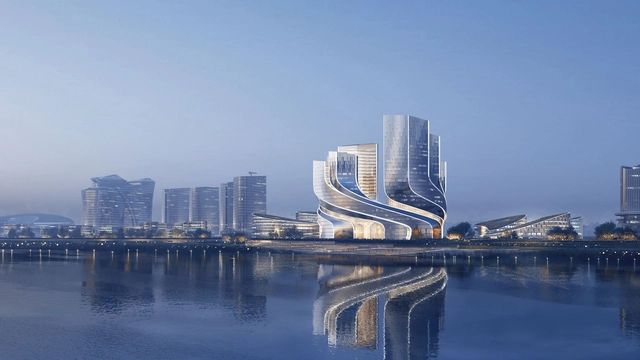
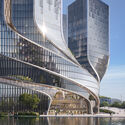
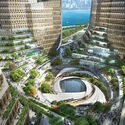
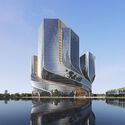
Büro Ole Scheeren has won the international competition for the design of Tencent’s new global headquarters in Shenzhen, China. The new structure, occupying a 14-hectare site, will become part of a new urban development along Qianhai Bay. Envisioned as a centerpiece within the future technology and financial district, Büro Ole Scheeren’s Tencent Helix will become the center of the multinational company’s expanding ecosystem.
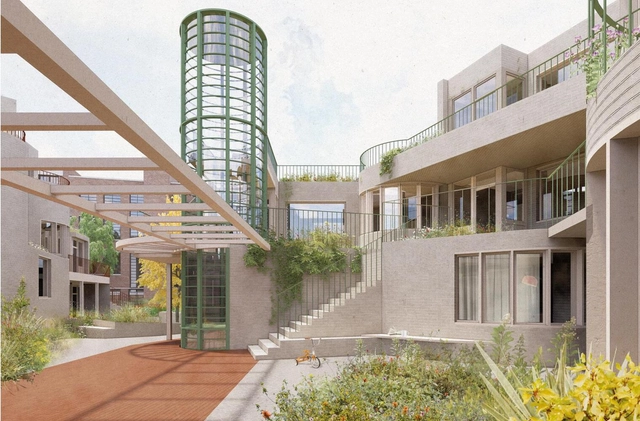
The Royal Institute of British Architects has announced the winners of the 2023 President’s Medals, highlighting the best student architecture projects worldwide. In its 187th edition, RIBA’s President's Medals have stood as the hallmark of architectural excellence, remaining the oldest within the institution realm. Overall, the winning projects demonstrate a strong focus on "how architecture can address the needs of people and their communities."
For the 2023 Cycle, the highly acclaimed RIBA Silver Medal for the best design project produced at RIBA Part 2 was awarded to Ellie Harging at the London School of Architecture. Titled “Nobody Wants to Live in a Care Home,” the project designs supportive housing for people living with young-onset Alzheimer's. The RIBA Bronze Medal was awarded to Kacper Sehenke, while the Dissertation Medal was awarded to Chloe Shang.
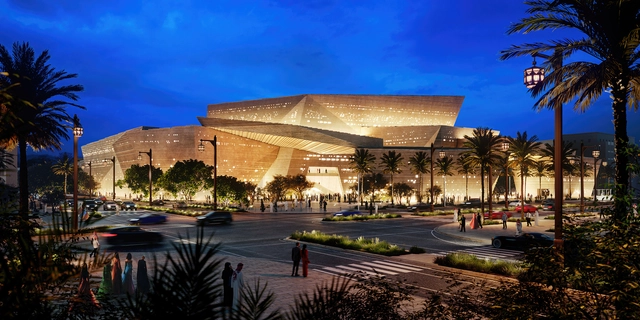
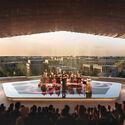
Snøhetta has revealed the design of a new opera house to be added to the historic area of Diriyah in Saudi Arabia. The proposal strives to blend the local cultural heritage and Najdi building traditions with the contemporary requirements of an international music and performing arts venue. Scheduled to open in 2028, the Royal Diriyah Opera House anchors a wider master plan to redevelop the Diriyah area on the outskirts of Riyadh, aiming to transform it into a cultural destination.
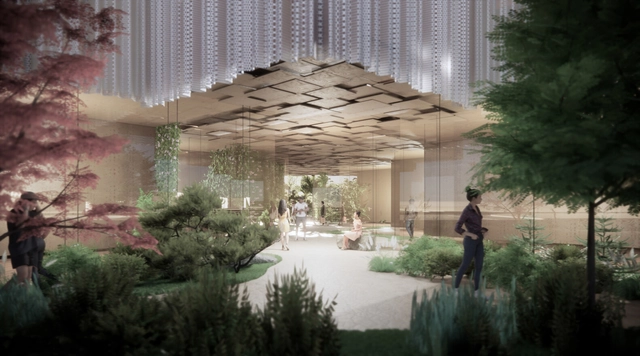
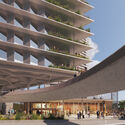
Kengo Kuma and Associates has just unveiled the designs of a new mixed-use project in Miami, Florida. Standing as the first mixed-use initiative by the architect in the United States, the scheme is set to become a popular attraction in the city. “MIRAI Design District” is comprised of retail spaces, office spaces, and commercial units.
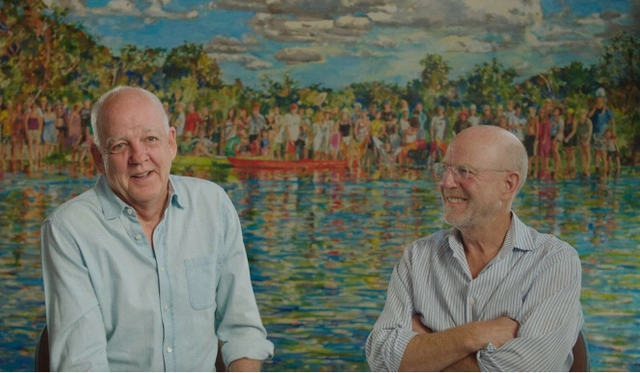
The American Institute of Architects has announced David Lake and Ted Flato, the founders of Texas-based firm Lake|Flato Architects, as the winners of the 2024 AIA Gold Medal. The pair was selected by the jury for their ability to make "sustainability exciting in a way few other architects have accomplished." Founded in San Antonia in 1984, their office set out to make environmentally conscientious design both accessible and exciting, by finding ways to strengthen he bond between humans and nature.
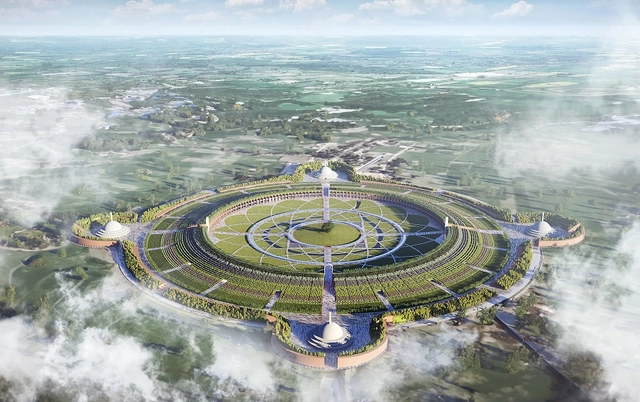
Stefano Boeri Architetti has revealed the designs for the Ramagrama Stupa in Nepal, a master plan intended to enrich this sacred Buddhist location. The proposal features a Biodiversity “Ring Garden” and a Peace Meadow, which encircles the revered Bodhi tree. Situated in Nepal’s Parasi district, the Ramagrama municipality holds immense cultural and religious significance, sheltering a preserved portion of Buddha’s relics.


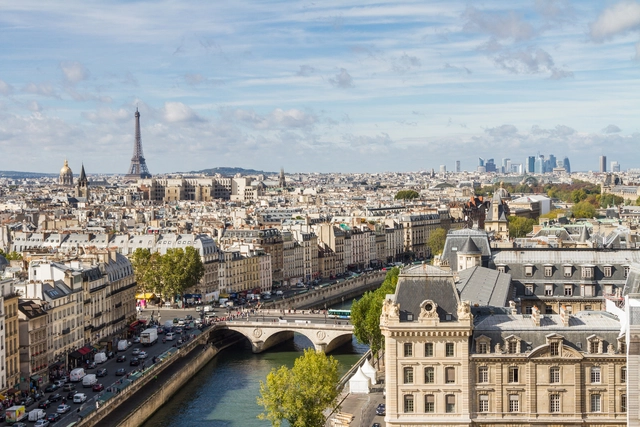
Paris Mayor Anne Hidalgo has been awarded the 2023 ULI Prize for Visionaries in Urban Development, one of the most respected honors in global land use and community development. The honor comes in recognition of Mayor Hidalgo’s vision for a more inclusive and sustainable Paris and the global impact of her policies. Hidalgo, the first female Mayor of Paris, is credited with advancing ambitious policies that have reduced Paris’ carbon emissions by 40% in ten years and have increased the percentage of affordable housing. Hidalgo has also been named among Time magazine’s 100 Most Influential People in 2020.
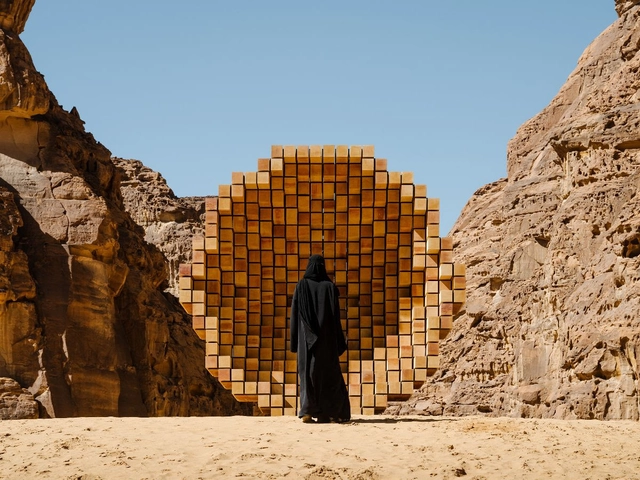
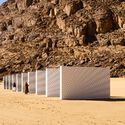
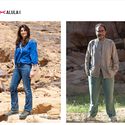
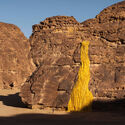
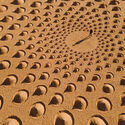
Desert X AlUla has just announced its return in 2024 in the Saudi Arabian Peninsula. Marking the significant highlight of the AlUla Arts Festival, Desert X AlUla is a transient, site-responsive, and inclusive open-air art exhibit that takes place bi-yearly in the desert region of the country. Launching on February 9th and continuing until March 23rd, 2024, this edition is curated by Maya El Khalil, renowned for her art advisory and MENA-focused curation, and Marcello Dantas, an award-winning curator known for his interdisciplinary practices.

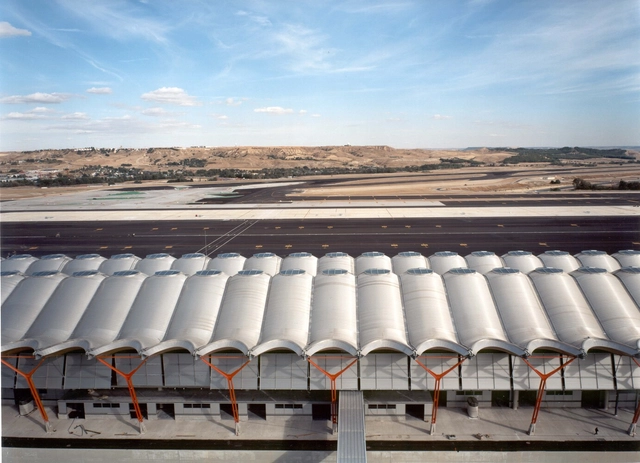
Estudio Lamela and Rogers Stirk Harbour + Partners (RSHP), alongside AYESA Ingeniería, will design the expansion project for terminals T4 and T4S at Adolfo Suárez Madrid-Barajas Airport. In addition to the terminal expansions, the project includes commercial areas, related equipment and furniture, as well as aircraft parking aprons.
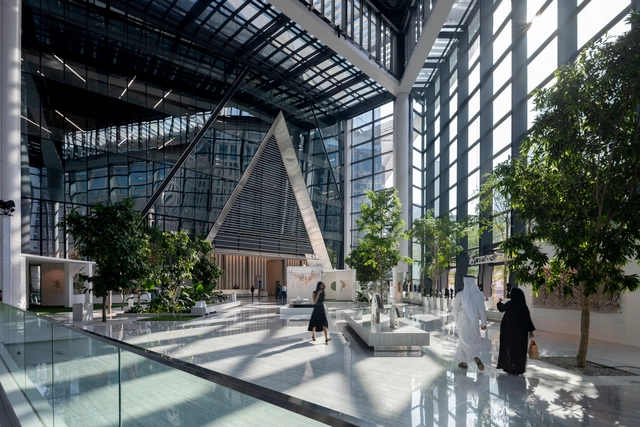
COP28, or the 2023 United Nations Conference of the Parties, was held in Dubai between November 30 and December 13. The annual meeting gathers representatives from 198 countries, as well as industry leaders to discuss and establish strategies to limit the extent of climate change and its adverse effects. The ultimate goal of these meetings is to find ways to limit the global temperature rise below 1.5 degrees Celsius compared to pre-industrial times. At the moment, the global temperature rise is already at 1.2 degrees Celsius. As the construction industry at large accounts for 39% of global emissions, architects and planners have a shared interest in the results of thee international summit, Read on to discover some of the key takeaways of COP28.
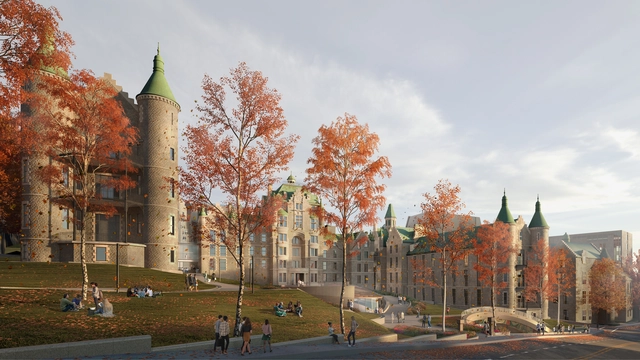
Diamond Schmitt and Lemay Michaud have just revealed the plans for a significant revitalization and expansion project for McGill University. Based at Montreal’s Royal Victoria Hospital Site for the University, the project aims to create a sustainability research and innovation center. The New Vic project is slated to open its doors in 2027, breathing “new life” into several historically significant buildings.
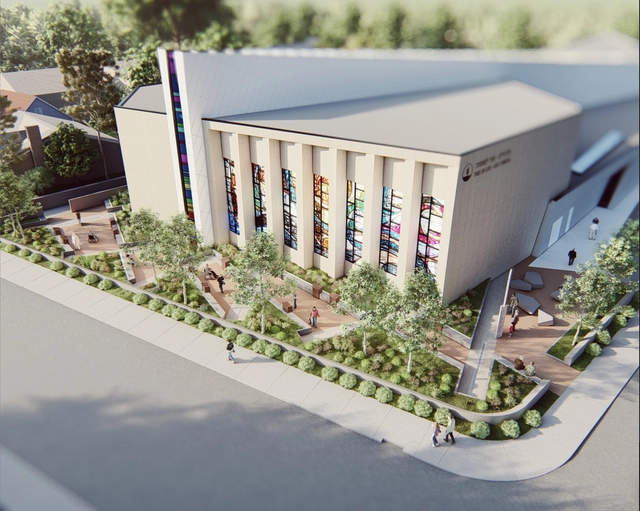
Studio Libeskind, working in close partnership with the Memorialization Working Group, has unveiled the preliminary design for the memorial for the 11 killed on 27 October 2018 at the Tree of Life Synagogue in Pittsburgh, United States. The design was developed in a process led by the victims’ families, communal leaders, and concretional representatives. The building’s official groundbreaking is expected in 2024.
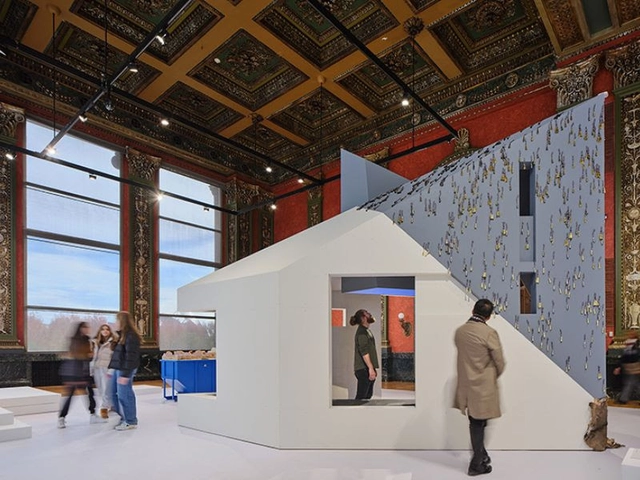
Inaugurated on September 21st, 2023, The Chicago Architecture Biennial is a city-wide festival that will continue until the end of the year. Titled “This is a Rehearsal,” the event is set up as a love letter to Chicago, activating ongoing dialogue around and in the city. One month after the biennial started, events are still ongoing, with open houses, theater performances, and virtual conferences happening throughout this week.


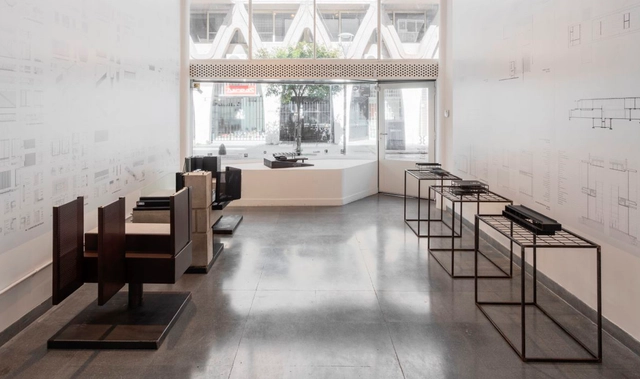
Through January 2024, the exhibition “Sommet: Structure, Precision, and Detail” will be on display at the Bisman Ediciones Architecture Gallery and Residence, located in the “Casa de Estudios para artistas” by Antonio Bonet, Horacio Vera Barros, and Abel López Chas in the heart of downtown Buenos Aires. Through plans and models, Sommet architecture studio showcases work defined by simplicity, understatement, and high construction quality.