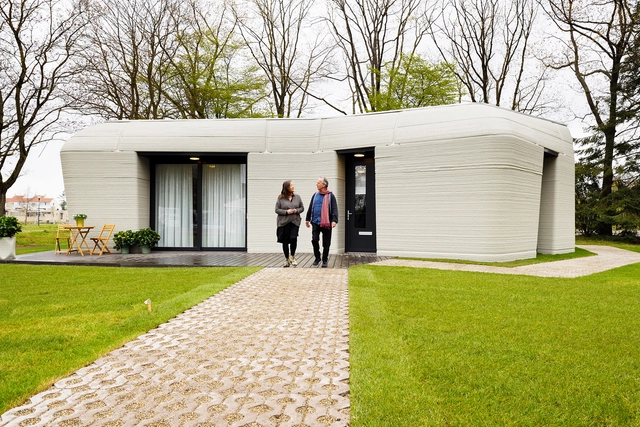
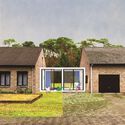
If only a few years ago 3D printing was viewed with a certain suspicion, recent news has shown that it is in fact a viable technology that is here to stay. On April 30, 2021, tenants of the first 3D printed concrete house in the Netherlands received their keys. The house in Eindhoven—the first of five within the 'Milestone Project'—fully complies with all the country's stringent construction requirements.
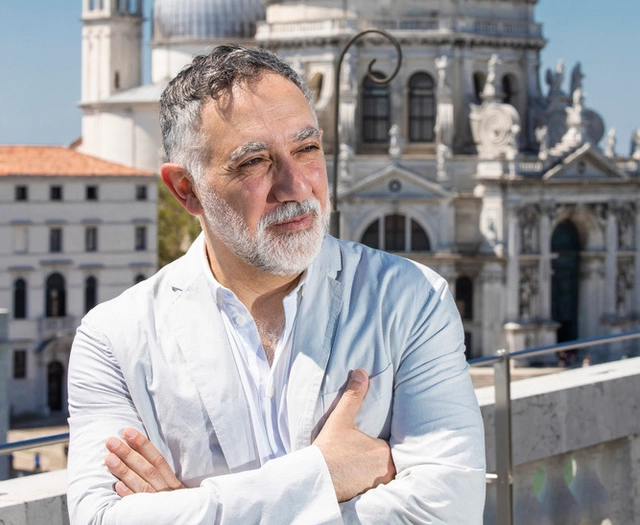
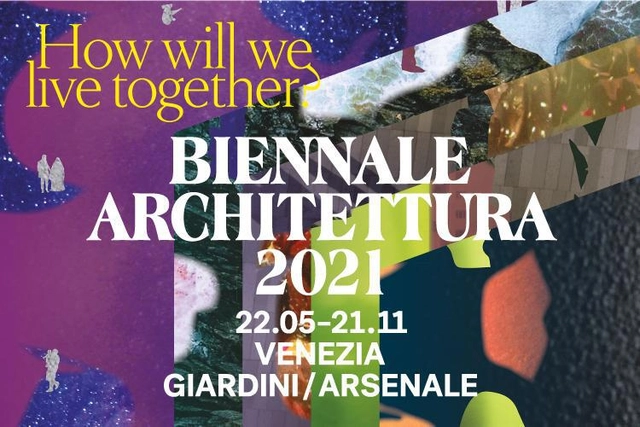
Scheduled originally from August to November 2020, the 17th Venice Architecture Biennale was postponed, like every other event this year, and will be held from May 22nd to November 21st, 2021, due to the pandemic. Questioning “How will we live together?” the original statement of curator Hashim Sarkis, called upon architects “to imagine spaces in which we can generously live together”. Relevant today more than ever, with the current worldwide circumstances, the theme of the Biennale is in fact the focus of interest of the global scene.
After having discussed “How will we live together?” in 2019 with Hashim Sarkis in Venice, ArchDaily had the chance to open the debate once more and re-examine the question of the Architecture Biennale. In a two-part interview, the architect tackles the theme, the Biennale, the present situation, and the future.
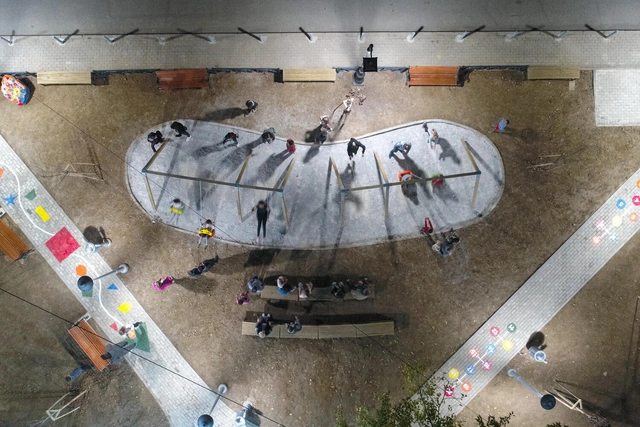
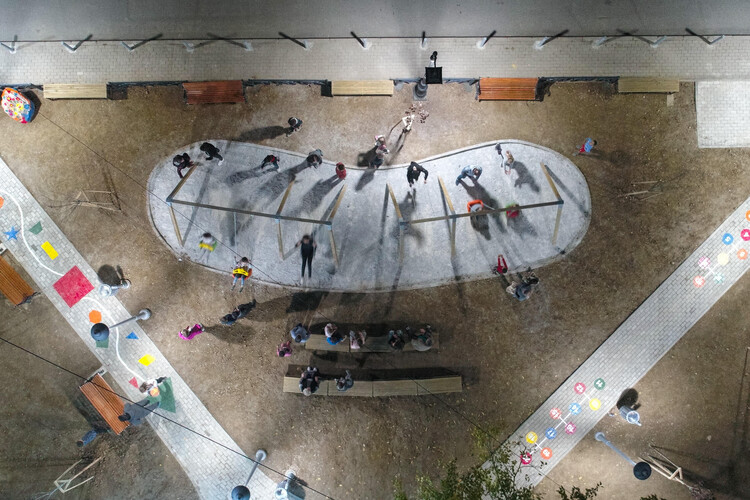
Kosovo - Implementation during Covid-19. Image Courtesy of UN-Habitat, Global Public Space Programme
The Un-Habitat or the United Nations agency for human settlements and sustainable urban development, whose primary focus is to deal with the challenges of rapid urbanization, has been developing innovative approaches in the urban design field, centered on the active participation of the community. ArchDaily has teamed up with UN-Habitat to bring you weekly news, article, and interviews that highlight this work, with content straight from the source, developed by our editors.
As the fight against coronavirus keeps on bringing many cities around the world to a standstill, the need to support urban entities and local governments is greater than ever. Although the pandemic has drastically changed our relationship with the public realm, due to all the imposed but necessary restrictions, from physical distancing to limiting access, the demand for public space has not decreased. People still need to go outside, commute, work, study, play, socialize, and maintain a healthy mental state. Discover in this article UN-Habitat’s key areas of focus for an effective urban response for COVID-19 that local and national governments should focus on to prevent the spread of the virus and to develop resilience to and preparedness for events of a similar nature.
Although architecture itself is universal, the day-to-day practice still varies across the world, influenced by a wide range of factors, from the professional requirements and responsibilities of an architect, the local environment, history and building customs, to local priorities and challenges. In a hyper-connected world, where architecture seems to become more uniform, how do local contexts and characteristics shape the built environment? This article taps into the commonalities and the variations within the architecture profession.
At the heart of it, architecture is an inter-disciplinary profession. Ranging from structural engineers to quantity surveyors, a design project thrives from the collaboration of individuals from various fields of work. An often-overlooked connection is the link between the fields of architecture and archaeology, which in more ways than one have a lot in common. In a time of increased awareness on issues of sustainability and heritage, the expertise present in the field of archaeology plays a vital part in the preservation of architectural landmarks of historical significance. This expertise can also play a significant part in creating sensitive architectural interventions suitable for their context, contemporary in their design while responding to historical precedents.
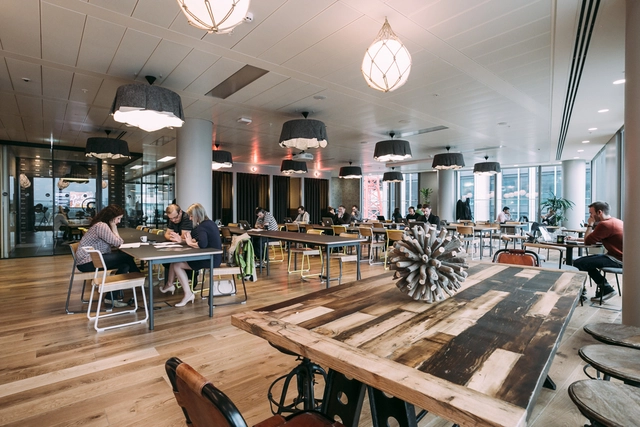
As we begin to emerge from the COVID-19 pandemic, there has been much speculation and debate about whether we will return to our old habits of working in the office 5 days a week, or if working from home creates equal or greater productivity. However, many believe that the future of the workforce will largely be focused on a balance between in-person and in-office working, and a form of remote working, that summates into a new, hybrid model. But if you’re not at home, and you’re not working, then you must be somewhere else- exploring the true in-between of a public and a private space. Enter the concept of the “third” place, which is used to describe everything from coffee shops to banks, and even co-working spaces. If you’ve ever studied for an exam at a bookstore, or even dropped into an airport restaurant to catch up on some work, then you too, have visited a “third” place.
“No, I’m not homeless. I’m just houseless. Not the same thing, right?" Questioning the notion of home and house, Nomadland tells the story of a sixty-year-old woman who loses everything during the great recession, leaving her hometown after the collapse of the sole industry that supported the rural settlement and the death of her husband. She decides consequently to embark on a journey and experience life as a modern-day nomad, setting off in her van through the vast landscape of the American West.
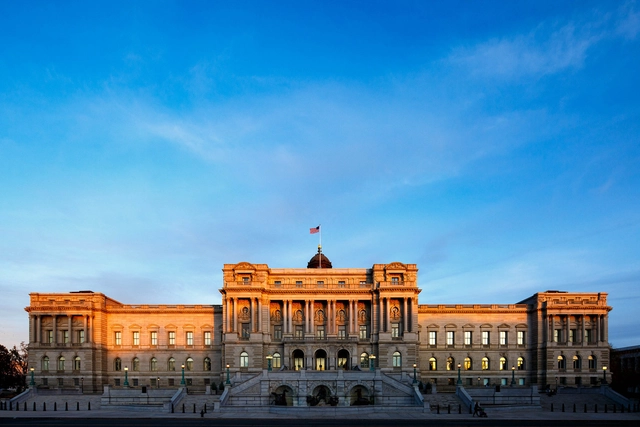
Digital literacy is not a topic architects usually consider. For Aliza Leventhal, Head of the Technical Services Section, Prints & Photographs Division at the Library of Congress, the processes of literacy and design go hand-in-hand. Previously the corporate librarian and archivist for Sasaki, Aliza is leading national conversations on everything from born-digital design files and archiving to institutional memory and knowledge sharing. Today, she's working with architects and designers to reimagine digital workflows for future access and ideation.
According to the United Nations’ latest report on populations in cities, by 2030, “urban areas are projected to house 60 percent of people globally and one in every three people will live in cities with at least half a million inhabitants”. Growing in both size and number, cities are hubs of government, commerce, and transportation, and in 2021, the world’s 20 largest cities are home to half a billion people. In fact, one in five people worldwide lives in a city with more than 1 million inhabitants.
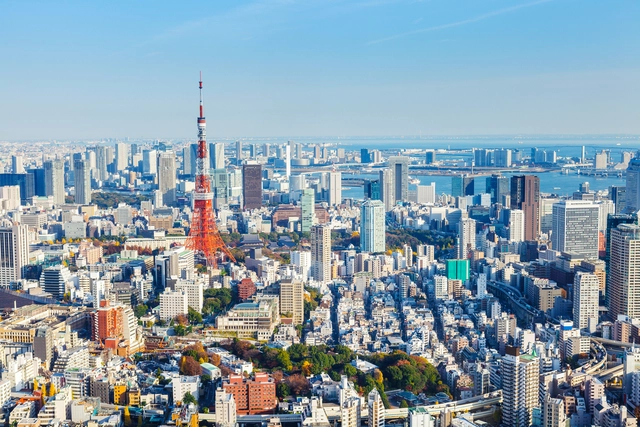
Below, we have rounded up the top 20 megacities in the world of 2021, according to the number of people that live in their metropolitan area. While Tokyo is the largest city on a global level, with a total of more than 37 million residents, the majority of the most populous cities in the world are in the two most populated countries, China and India. Among these, we have 5 metropolises in China, Shanghai, Beijing, Chongqing, Tianjin, and Guangzhou, and 3 in India, Delhi, Mumbai, and Kolkata. The largest city in the American continent is Sao Paulo in Brazil with 22 million people, followed by Mexico City and Buenos Aires in Argentina. Istanbul takes the 13th position with one part of the city lying in Europe and the other part in Asia.
Collage by Matthew Maganga. Image Courtesy of Forbes Massie-Heatherwick Studio
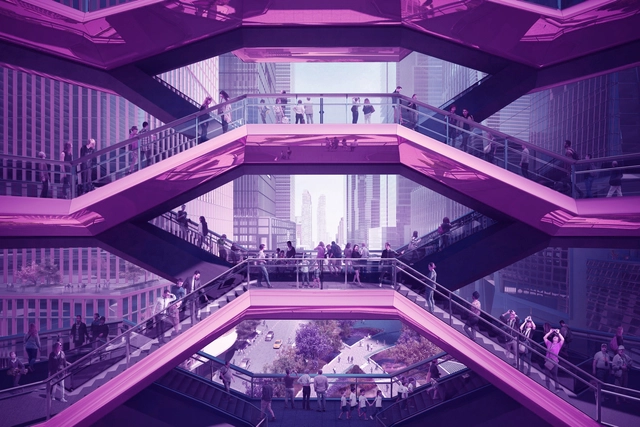
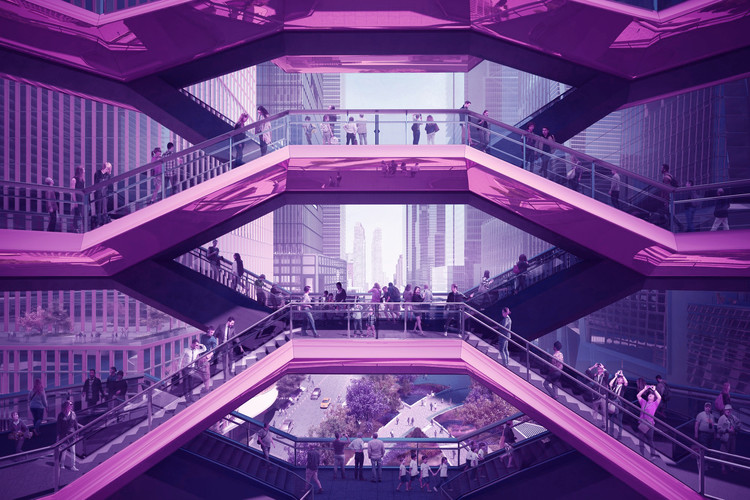
Fifty-one years ago, in 1970, a Japanese roboticist named Masahiro Mori came up with the concept of the “Uncanny Valley”. Around the same time, architectural renderings done using analog methods were still in vogue – collages and photomontages used to get ideas across to clients. A decade later, personal computers came along, and that saw the emergence of CAD and the wider adoption of digital rendering. Today’s architectural renderings are almost imperceptible from reality, with the increase in sophistication of rendering sofware. We struggle to tell the difference between what is a rendering and what is not – or rather we are able to tell a slight difference and it leaves us slightly uncomfortable, which brings us to Mori’s uncanny valley.
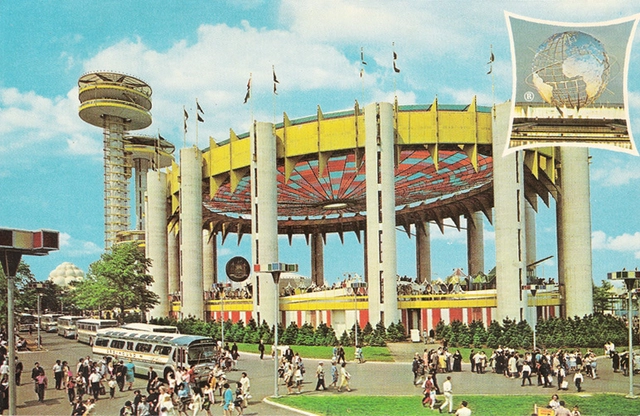
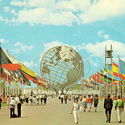
1964 World's Fair held in New York City. Image Courtesy of Abandoned NYC
World’s Fairs seem to be a memory of the distant past. These mega-scale events once brought us culinary staples, technological advancements, and introduced some of the most notable examples of architecture and landmarks that impact how we think about design and construction even in the present day. Throughout the numerous fairs and expos that were held, architectural discourse itself significantly advanced and the pomp and circumstance that surrounded these muscular flexes of international innovation reimagined what life would be like in the decades to come.
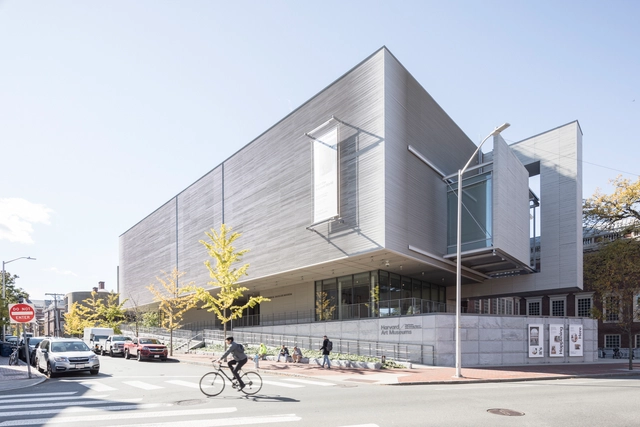
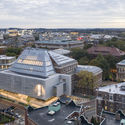
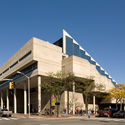
As the oldest institution of higher learning in the United States, Harvard has emerged as one of the world's most well-known universities. Organized into ten academic faculties and the Radcliffe Institute for Advanced Study, it is spread across 200 acres and centers on Harvard Yard in Cambridge. Developed along the Charles River adjacent to the Allston neighborhood of Boston, Harvard has the largest financial endowment of any academic institution. This has supported a number of different campus building projects across the university’s history.
With increasingly better renderings becoming ubiquitous, students and architects alike feel the pressure of mastering an additional set of skills to get their ideas across. To what extent do renderings make or break a portfolio or a project? How important are they in the design process, and do renderings inform of a particular set of skills besides the software ones? This article explores different perspectives on the role of renderings within the profession.
Believing firmly that "architecture is [...] too important to leave solely to architects", Ole Bouman embarked on diverse activities throughout his three decades of work, reflecting on “architecture, not so much as the art or technique of making buildings, but architecture as the intelligent way to organize our lives on earth, and infuse it with purpose”.
After having shared Bouman's essay Finding Measure, ArchDaily had the chance to discuss with DesignSociety’s founding director his thoughts on the role of architecture, the current challenges of the world, the digital revolution, and many other thought-provoking topics.
The slogan "Stay Home" has been guiding people throughout the past year, making us rediscover our home as a place of refuge, shelter, and protection. Within this new status quo, much has been discussed about the important role played by architecture and interior design in improving both the physical and mental wellbeing of its inhabitants.
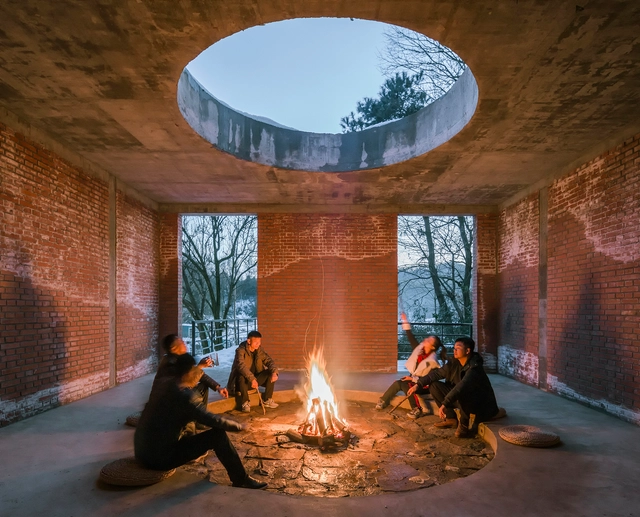
From the most complex to the most simple, we have been revisiting various design strategies in search of a sense of comfort and seclusion in our homes. Although we are living in the most technological age of all, we find ourselves drawn to the most fundamental elements, as if returning to our origins.
Globalization and its pension for both virtual and physical connectivity has led to the linking of the world's economies, territories, and cultures and nowhere is this more evident than in the field of architecture.
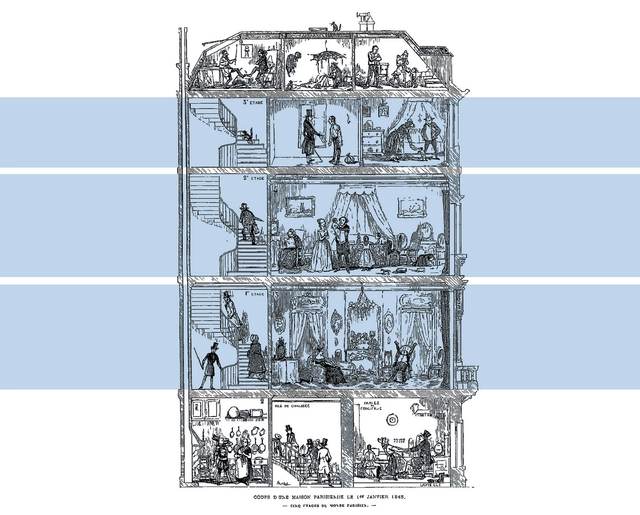
The introduction of new techniques and materials, along with innovations in indoor plumbing systems, resulting from the industrial revolution, paved the way for vertical living. Investigating specifically a period of time where a flux of population was driven to cities, and social class divisions were being questioned, this article looks back at the evolution of the house plan in Europe between 1760 and 1939.
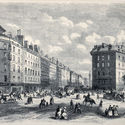
Tackling the transformation of the housing unit during the industrial revolution all the way to the interwar period, this feature highlights four prominent examples that rethought traditional layouts and responded to the challenges of their time. Still influential today, the mentioned models, restored for use, happen to be part of the 21st-century urban fabric. Located in London, Paris, Amsterdam, and Moscow, the plans showcase the ever-changing interior wellbeing standards, directly linked to a broader metamorphosis, equalizing and providing for growing urban populations. Discover the evolution of living units from the Back to Back Houses to the Garden Cities of England; the Haussmannien Block, a Vertical Living for a Modern Bourgeoisie; the Extension of Amsterdam, from Alcove Housing to Social Housing Blocks; and the Transition Type House in Russia.






















.jpg?1618071837 "Courtesy of BIG")
.jpg?1618071843 "Courtesy of Alexis Christodoulou")






















.jpg "Residential houses \"Eigen Haard\", Spaarndammerplantsoen, Amsterdam, Original state, 1915. Image Courtesy of Wikimedia")
