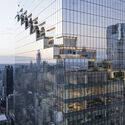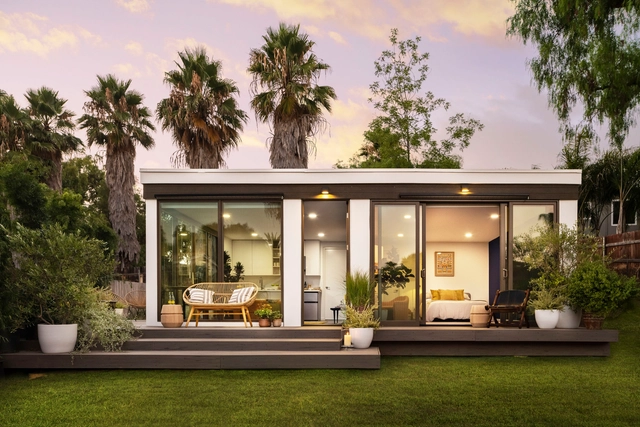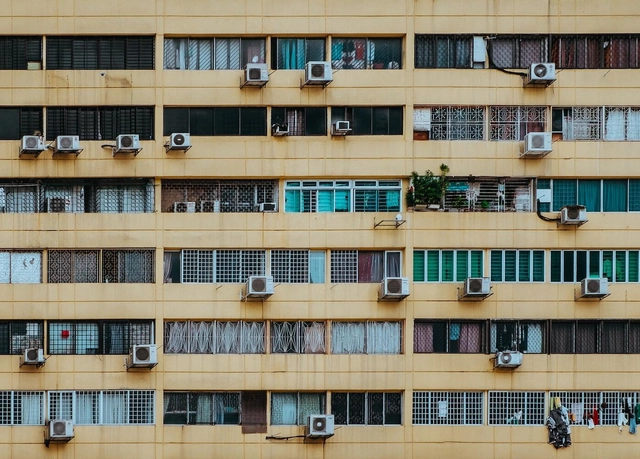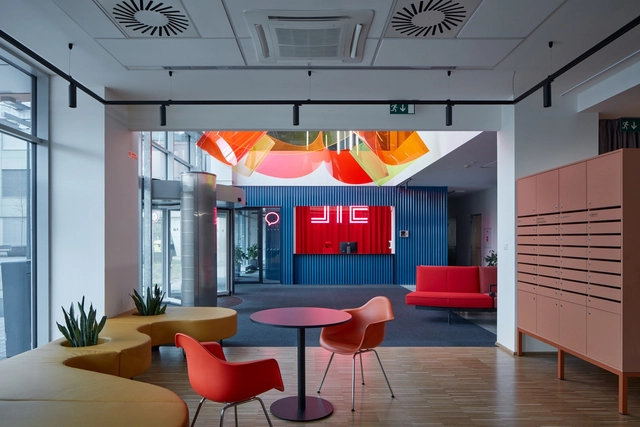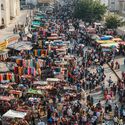
Four years after the onset of the COVID-19 pandemic, its effects are still felt in the construction and real estate sectors in the United States. Accelerated remote work and hybrid schedules are leading to a sharp decline in demand for traditional office space in cities across America. In major metros like New York and San Francisco, occupancy rates have dropped, property values have diminished and rents have fallen significantly. As architects design for the future of work, the real estate market faces divided perspectives on whether to invest in the country's growing inventory of vacant office buildings.
As part of our yearly tradition, we have asked our readers who should win the 2024 Pritzker Prize, the most esteemed accolade in the realm of architecture.
Established by Jay Pritzker and administered by the Hyatt Foundation in the United States, the Pritzker Prize honors living architects, irrespective of nationality, whose architectural contributions "have produced consistent and significant contributions to humanity through the art of architecture."
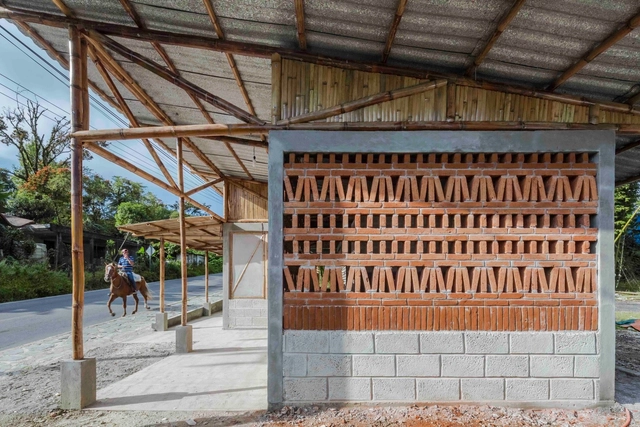
In recent years, India has seen a resurgence of interest in natural building materials, a movement driven by escalating environmental concerns and a growing desire to revive traditional lifestyles. From the busy streets of Mumbai to the serene villages of Kerala, architects, builders, and communities are coming together to experiment with the potential of earth, bamboo, lime, and other organic materials in shaping contextually relevant structures that also embody India's contemporary ideals. The shift towards using natural materials and other vernacular resources reflects a movement towards sustainability and a deeper connection with nature.
The urban heat island effect occurs when pavements, roads, and buildings absorb the sun's heat and radiate it back, causing the temperature to increase and preventing the city from cooling down. With the growing reliance on cars in cities, the number of urban car park spaces is also increasing to accommodate buildings. This has resulted in the conversion of large areas of pervious land covered with vegetation into impervious hard surfaces for more car parks. The use of materials like asphalt, combined with the lack of shade, reflective steel surfaces of parked cars, and loss of greenery in these extensive car parks, contributes to the amplification of high-temperature effects and extreme heat events, making urban spaces uncomfortable. This transformation is impacting the climate of car-dependent regions and calls for collaborative ideas and efforts to mitigate the negative effects of rising heat.
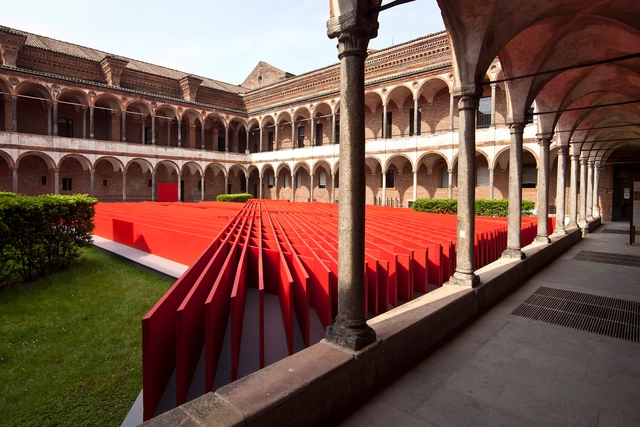
As cities grow and evolve, the question of preserving, rehabilitating, or adapting historic sites arises. The intervention in such buildings requires a delicate balance between honoring their heritage and meeting contemporary demands. Often, the most innovative and radical solutions emerge when architects attempt to renew a building while maintaining its original footprint and as many features as possible. They then create modern extensions that either harmonize or contrast with the original structure. This approach not only revitalizes the building but also celebrates the synergy between the past and present, including materials, construction technology, architectural movements, stories, and overall building quality. The layering of both old and new elements through harmony or contrast requires an intelligent and sensitive approach that gives the building a unique aesthetic and a new meaning.
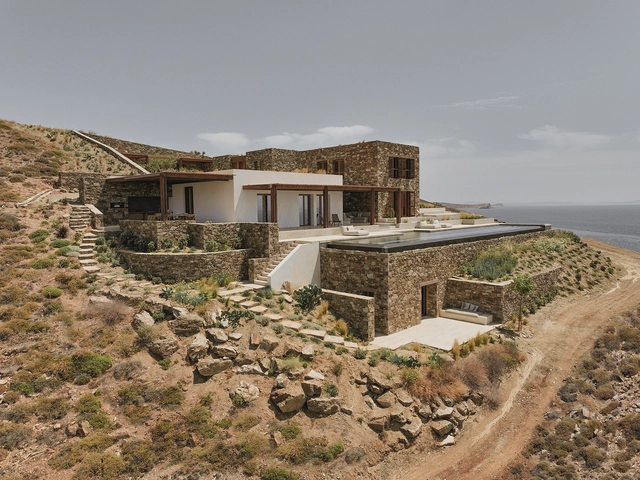
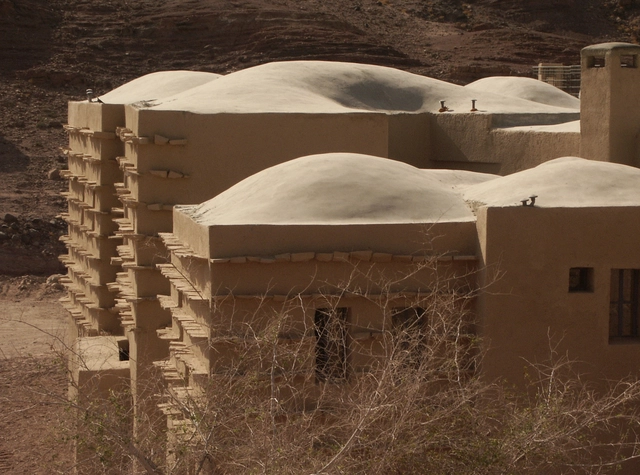
As the architecture industry shifts its focus towards greater sustainability and energy efficiency, many modern projects in the world’s hottest (and getting hotter) environments are unearthing more traditional ways to control temperature, light, and ventilation by learning from the past to save us from the future.
Throughout history, rivers played a crucial role in the social structures of cities. Along riverbanks, communities often congregated for socializing, swimming, and fishing. Swimming in rivers was a popular summertime activity enjoyed by people of all ages. Whether it was the Thames in London or the Seine in Paris, rivers were bustling with swimmers; integrated into urban lifestyles.
Spanning continents and cultures, architecture-focused events serve as platforms for the gathering of diverse groups of professionals to share innovations and embark on dialogues regarding some of the most pressing matters faced by our profession. Embodying the spirit of collaboration, highlighting local cultures and practices, and fostering open debates, this year’s list of events covers a diverse range of biennales, forums, city-wide celebrations, international fairs, and awards.
Is it possible to assert the existence of a timeless material in architecture from an aesthetic standpoint? Undoubtedly, wood and concrete emerge as strong contenders, not only due to their representation of the solidity, volume, and mass of buildings but also because they provide a broad range of aesthetic possibilities in projects. Concrete, in particular, exhibits greater malleability in comparison to wood. While wood already offers flexible solutions, such as through CLT systems, concrete is derived from a blend of liquid, powder, and an aggregate—a paste that can be poured into a mold, spread over a surface and shaped into various forms.
The relocation of a capital city is a complex urban decision with various dimensions and consequences for both the old and new capital. It can be driven by political, economic, societal, and other factors, and has urban and architectural implications for residents. These include factors such as location, planning, building design, the purpose of the old capital, climatic conditions, and separating the political/administrative hubs from cultural and economic cities.
In light of the ongoing urban discourse, countries like Egypt are constructing a new capital city to alleviate population and urban stress on Cairo. Similarly, Indonesia is planning a new capital in response to challenges faced by Jakarta, such as pollution, traffic congestion, and rising sea levels. It is valuable to examine other countries in the global south that have relocated their capital cities, noting the architectural and urban lessons learned from their experiences.
Whatever religion we classify ourselves as – or even if we actively renounce or denounce organized religion in all its forms – the one aspect of Christianity those in predominantly Christian countries are touched by at some point in their lives, is the classical aesthetic of church architecture.
Whether we actively attend church multiple times a week, begrudgingly once or twice a year, or once every ten years for one of life’s trinity of events: births, deaths, and marriages, while there we’re struck by the soaring arches, intricate stonework, and, on a sunny day, the spiritual beauty and colorful rainbows of light that stream through stained glass windows.
The Indian built environment constantly negotiates ancient traditions, diverse population, and globalized ambitions. When it comes to heritage preservation, these forces often converge to create a distinctive approach to conservation efforts in the country. Beyond the conventional models seen in many parts of the world, India's conservation projects intertwine historical practices, community engagement, and a reverence for the living essence of buildings.
Weaving is not only a technical craft but also a way to design material experiences. Engaging in the process of weaving allows us to structure, communicate, reflect on, and connect with our designs. By experimenting with different fabric structures, we gain insight into how materials behave under tension and compression. This understanding helps us push the boundaries of textiles and their limitations, resulting in designs that stretch and test the properties of the materials.
In architecture, the construction mechanism of weaving centers the shelter to the building process. In this sense, shelter becomes a direct manifestation of material production. Additionally, weaving offers numerous environmental and social benefits by creating shelters that actively engage with materials, tools, technologies, and creative potentials, thereby supporting placemaking.
Opt Oog Column / Blast Studio. Image Courtesy of Blast Studio
In architectural design, our interactions with non-human organisms have predominantly involved creating barriers to exclude them from the human realm. What if we were to adopt a different approach? Interspecies design is a movement that puts non-human organisms—fungi, insects, and various animals—on an equal footing with humans. This design philosophy provides frameworks that foster non-hierarchical relationships with other species. By doing so, it cultivates empathy for other life forms and shifts our perspective on the world around us. It aims not only for a net-zero approach but also seeks collaboration with non-human organisms to develop environments beneficial to all. Below, explore some emerging material technologies designed to benefit both humans and other life forms.
Cameroon boasts a rich architectural heritage of Catholic Christian worship buildings. These buildings encompass various styles, including contemporary designs, Terracotta brick explorations, and Gothic, and Byzantine architectural influences. Since the arrival of missionaries and colonial communities in 1890, numerous religious buildings have been constructed with the involvement of local communities. These buildings not only contributed to the development of the Christian faith but also served as venues for the exchange of architectural ideals between the local and foreign communities.
During this period, Cameroon explored the Gothic and Byzantine movements, which had reached their peak in Europe, to create these churches. They were interrogated through local building practices and now represent the historical heritage of the country's cathedrals.
Public spaces, whether indoors or outdoors, public or private, are characterized as places for encounters, opportunities, and exchanges of ideas or goods, and ultimately, they are a key part of a city's identity. However, with the rise of the internet and social networks, many of these functions have migrated to the virtual environment or lost some of their relevance. In addition, we experienced a setback in in-person relationships during the long period of isolation that accompanied the pandemic. Faced with these challenges, architects are confronted with the fundamental question of how to revitalize these crucial spaces for society, while understanding their vital importance. Can design be the key to reviving public spaces? How can we make places that are both everyone's and no one's truly comfortable?
A historic symbol of the industrial age, the sawtooth roof is a lasting legacy of architectural history. Although a functional invention born from necessity nearly 200 years ago, the iconic shape is enjoying a renaissance in many contemporary projects.
Made up of many long, thin roofs with irregular pitches laid alongside each other, a sawtooth roof positions its steeper edges – filled with glass panels – away from the equator. This allows large buildings to control their solar gain by omitting direct sunlight, while still allowing uniform indirect natural light to fill an entire interior area.