1. ArchDaily
  2. Religion

Religion: The Latest Architecture and News

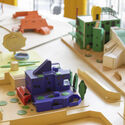
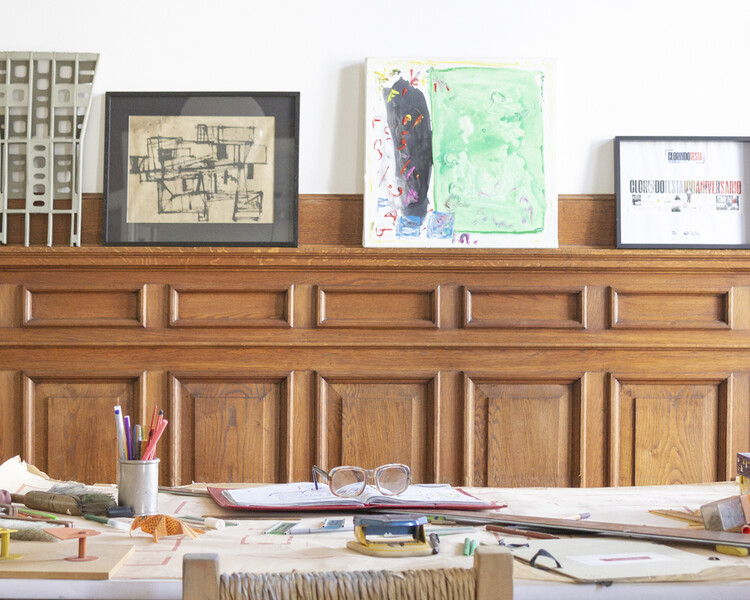
Clorindo Testa's Artistic and Architectural Experimentation: Colors and Asymmetrical Plays in Spaces of Worship

Subscriber Access | 

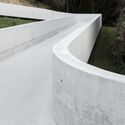
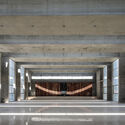
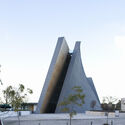
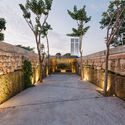
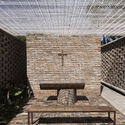
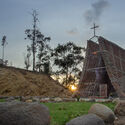
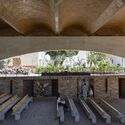
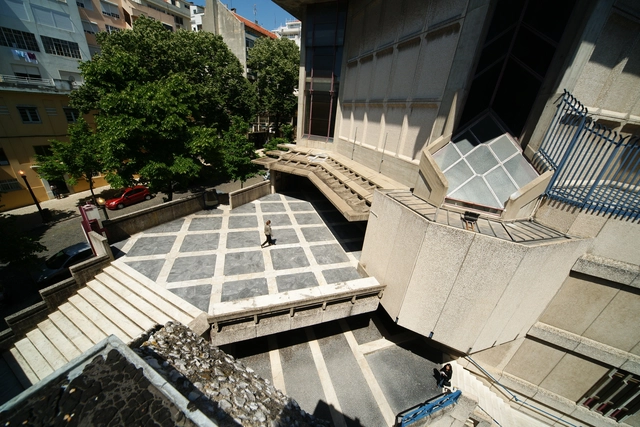
Amid questions, reflections, and debates, the work of Clorindo Testa embodies an innate connection between artistic and architectural experimentation, reflected in many of his built projects, sketches, models, and plans. From the Mariano Moreno National Library to the former Bank of London building in Buenos Aires, his production is of such scope, diversity, and complexity that it constitutes a major source of study, one that also includes unbuilt projects that deserve visibility and recognition on a global scale. In his final years of professional activity, two unbuilt projects of religious architecture highlight Testa’s work not only as an architect but also as a visual artist.

The use of primary colors, pure forms, and concrete represent some of the most distinctive characteristics of Clorindo Testa’s architecture, which is inseparable from his visual art. Reflecting on themes such as living in large cities or the conditions of life in urban spaces, the powerful expressiveness and plasticity of his works, together with the character of the line, his typical color palette, and the frequent presence of the human figure, reveal the importance and meaning he attributed to scales, uses, and perceptions as an architect who never settled for the first idea.

Clorindo Testa's  Artistic and Architectural Experimentation: Colors and Asymmetrical Plays in Spaces of Worship - Imagem 1 de 4Clorindo Testa's  Artistic and Architectural Experimentation: Colors and Asymmetrical Plays in Spaces of Worship - Imagem 2 de 4Clorindo Testa's  Artistic and Architectural Experimentation: Colors and Asymmetrical Plays in Spaces of Worship - Imagem 3 de 4Clorindo Testa's  Artistic and Architectural Experimentation: Colors and Asymmetrical Plays in Spaces of Worship - Imagem 4 de 4Clorindo Testa's  Artistic and Architectural Experimentation: Colors and Asymmetrical Plays in Spaces of Worship - More Images+ 34

Daily Rituals: Home Spaces for Praying and Spiritual Connection

Subscriber Access | 

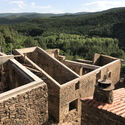
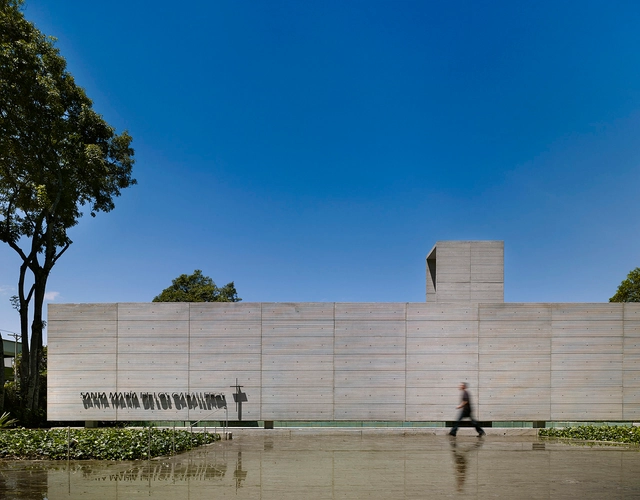
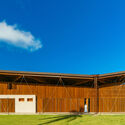
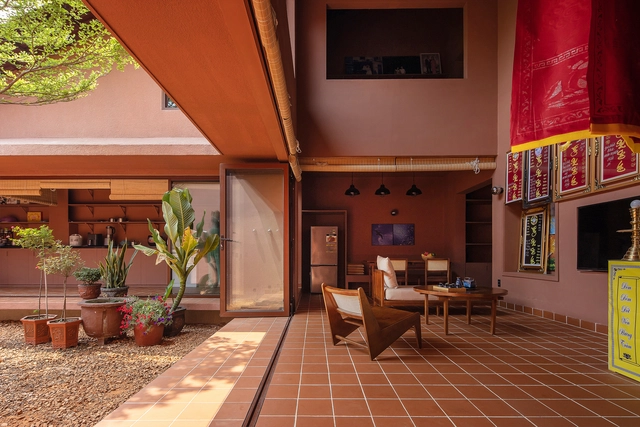
A home is a sacred realm, a place that embraces and honors a variety of emotions and sensations. As Gaston Bachelard asserts, it serves as our refuge in the world, our initial universe, a true cosmos in every sense of the term. Its intricate symbolism transcends mere functional aspects like room count or bathroom size. Entire universes find their place within its walls.

Daily Rituals: Home Spaces for Praying and Spiritual Connection - Image 1 of 4Daily Rituals: Home Spaces for Praying and Spiritual Connection - Image 2 of 4Daily Rituals: Home Spaces for Praying and Spiritual Connection - Image 3 of 4Daily Rituals: Home Spaces for Praying and Spiritual Connection - Image 4 of 4Daily Rituals: Home Spaces for Praying and Spiritual Connection - More Images+ 9

Is Religious Architecture Still Relevant?

Subscriber Access | 

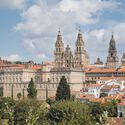
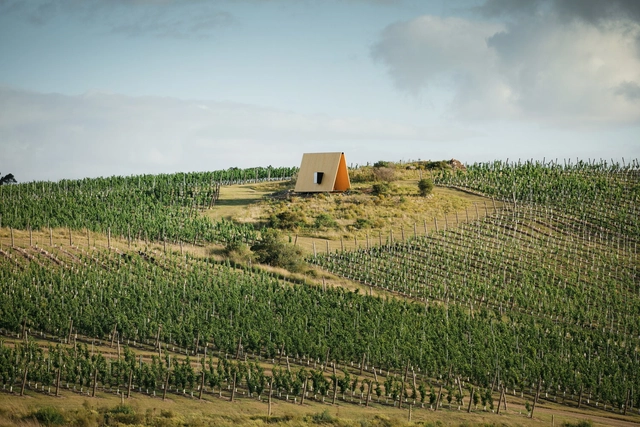
Some of the greatest architectural works throughout history have been the result of religion, driven by the need to construct spaces where humanity could be one step closer to a higher power. With more people choosing a secular lifestyle than ever before, are the effects that these buildings convey—timelessness, awe, silence and devotion, what Louis Kahn called the “immeasurable” and Le Corbusier called the “ineffable”—no longer relevant?

With the Vatican’s proposal for the 2018 Venice Biennale, described as “a sort of pilgrimage that is not only religious but also secular,” it is clear that the role of "religious" spaces is changing from the iconography of organized religion to ambiguous spaces that reflect the idea of "spirituality" as a whole.

So what does this mean? Is there still a key role for spirituality in architecture? Is it possible to create spaces for those of different faiths and those without faith at all? And what makes a space "spiritual" in the first place?