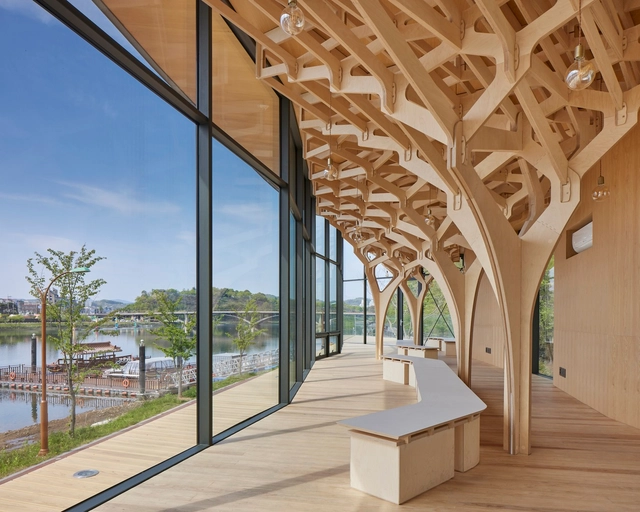
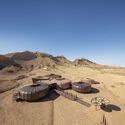
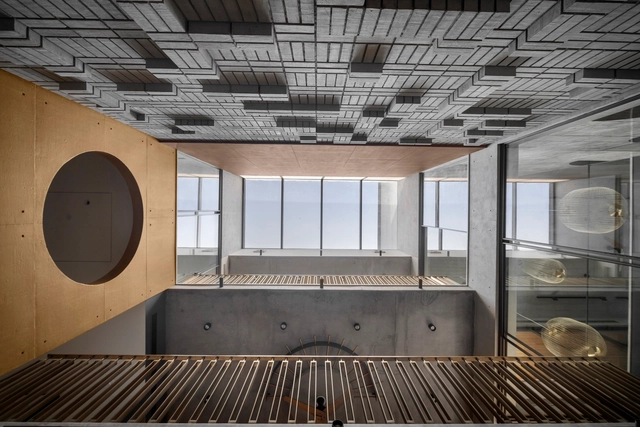
By imagining an alternative reality and rediscovering his cultural background, architect Jae Kyung Kim of JK-AR established his identity as an architect when creating his practice, selected as one of ArchDaily’s New Practices 2023. After studying and working in South Korea and the US, he’d noticed an absence of traditional Asian architecture, which had peaked his interest. He began to thoroughly look at a possibility where the traditional timber buildings of East Asia had still been relevant and continued to evolve.
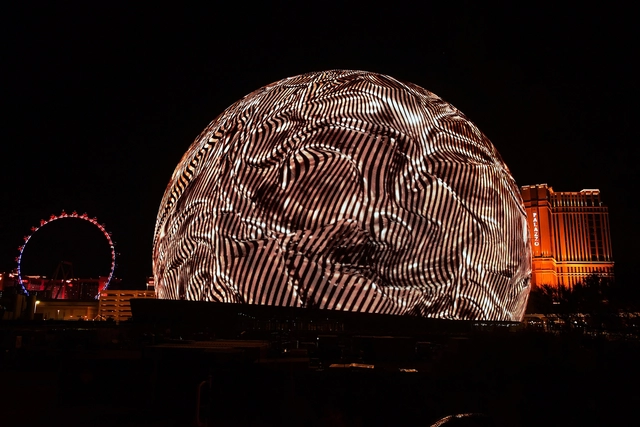
In July, Las Vegas unveiled an extravagant spectacle - a colossal LED-wrapped spherical structure, standing 366 feet tall and 516 feet wide. This entertainment event venue instantly captured the public's gaze, becoming a local landmark and attracting global attention through extensive news coverage. Similar spherical concepts have been proposed in London and at a smaller scale in Los Angeles. These massive display structures open up questions about facades as digital canvases. What role can architecture take as an urban canvas other than as a billboard? And what are different ways for architecture to engage the public through digital art besides gigantic LED spheres?
Sharjah, the captivating territory in the United Arab Emirates, is a cultural hub that blends tradition with contemporary modernity. Situated on the Arabian coastline, the city is known for its commitment to preserving its rich history, promoting the arts and culture, and providing a platform for creative and intellectual pursuits. In fact, the 2023 Sharjah Architecture Triennial (SAT) will take place from November 11, 2023, to March 10, 2024, under the theme "The Beauty of Impermanence: An Architecture of Adaptability." The Triennial is curated by Tosin Oshinowo, exploring innovative design solutions emerging from conditions of scarcity in the Global South.
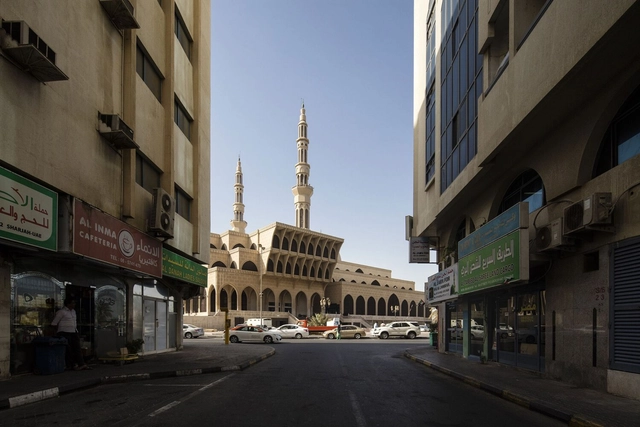
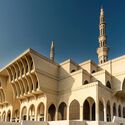
With a deep-rooted connection to its cultural heritage, the emirate is home to an array of museums that showcase a journey through multiple timelines, from Islamic civilization to traditional lifestyles. Now a hotspot for emerging designers, the city has taken a leading role as a patron of fine arts. In the contemporary city, attractions are designed by many architects, from Foster + Partners, Zaha Hadid Architects, 51-1 Arquitectos, to Hopkins Architects. In addition to this emerging cultural scene, old Sharjah is a valuable embodiment of historical tradition, having been transformed into useable attractions and art facilities. The old Sharjah also flaunts landmarks such as the modernist King Faisal Mosque, the Museum of Islamic Civilization, and the Sharjah Art Museum.
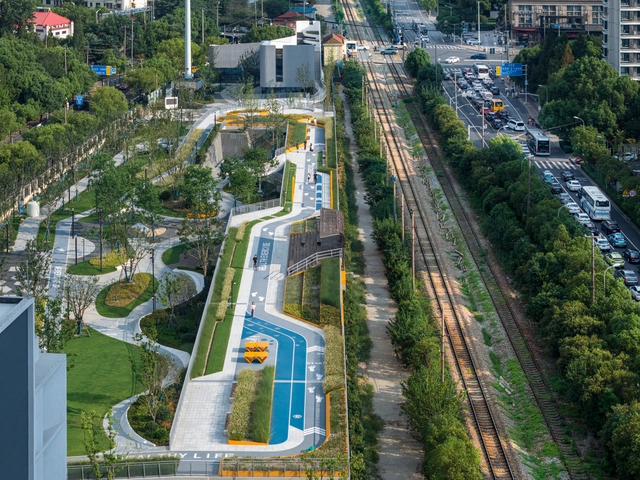
In the dynamic landscape of contemporary urban development, public architecture is an essential force in reshaping cities. In fact, this element of urban regeneration can revitalize economies and reactivate surrounding commercial schemes. In this transformative era, cities across China have evolved into financial hubs, attracting world-renowned firms and architects who are redefining these skylines. In turn, these metropolises become embodiments of future innovation and lifestyle.
China's cities have become centers of modernity as a result of its explosive prominence in the world economy. These cities have become magnets for architectural marvels that go beyond simple functionality, from Shanghai's ceaseless reinvention to Beijing's cultural renaissance and Shenzhen's undeniable emergence as a global center in technology, research, manufacturing, business, economics, finance, tourism, and transportation, complete with the Port of Shenzhen, the world's fourth busiest container port. Overall, these cities are a crucial gateway in understanding the developing dynamics in metropolitan environments.
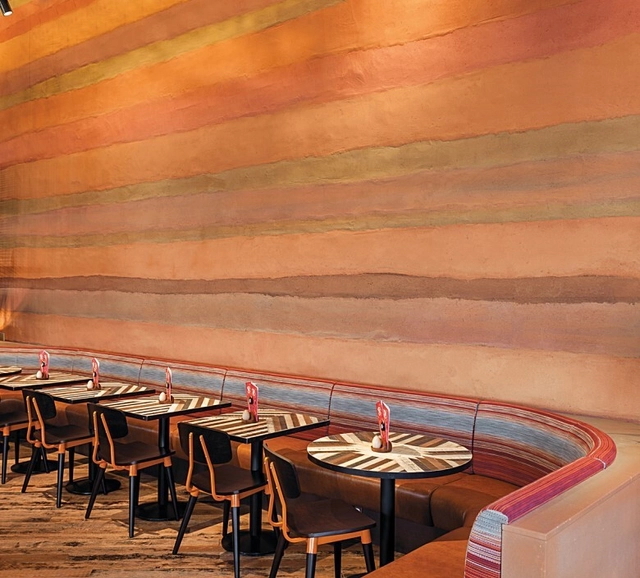
Rammed earth is one of the oldest methods of constructing walls and still holds great potential for modern earth construction. One aspect of this potential is the gift of its colors and layers, which become visible as the formworks are removed, revealing a layered character. As a process that involves the layer-by-layer compression of gravel, sand, silt, and clay, its resulting appearance is a horizontal stratification of earth tones, material content, and curing procedures. This colorful appearance of rammed earth walls can be controlled and explored through patterns, texture, pigmentation, and natural clay colors, offering an opportunity to push its boundaries within architecture.
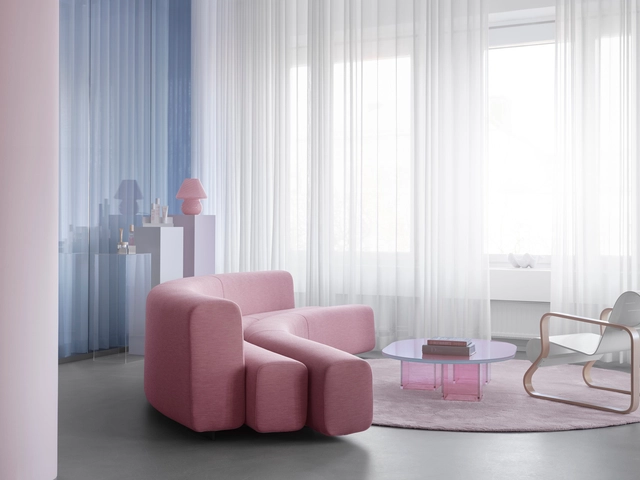
The year 2024 brings forth an intriguing array of Color of the Year selections from renowned paint manufacturers, each offering a unique perspective on the hues that will influence our living spaces. Striving to capture the moods and aspirations of the coming year, color experts have veered towards soft and calming shades, hoping to bring a sense of serenity to counter the hectic and tumulus passing year. Countering the bold color chosen by Pantone in 2023 as their previous Color of the Year, Benjamin Moore embraces a softly saturated and nuanced shade, AkzoNobel emphasizes calmness and stability, Sherwin Williams aims to inspire mindfulness, Graham & Brown fosters warmth and tranquility, and C2 Paint focuses on freshness and sustainability.
For over half a century, the open floor plan has remained at the cutting edge of interior architecture, with both new-build and renovation clients choosing to splice together rooms and their functions to bring more harmonious connectivity to their homes. Families, despite busier schedules, were able to cook, talk, study, and relax together, all at the same time.
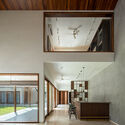
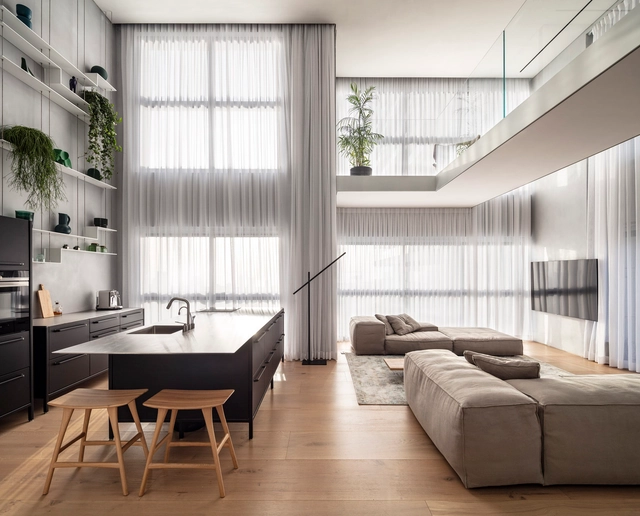
As it can force users to share their space with competing sounds, smells, and ambiances, however, many are turning away from the open plan with new concepts such as the broken plan gaining ground. Another evolutionary route for the open-plan, meanwhile, is to move upwards. In combination with double-, triple-, or even higher-story living spaces, the open-plan is given the space it needs to breathe while staying connected to the rest of the home.
The layout of interior spaces has been in constant evolution since the very first residential project. For many years, functionality dictated how they're are organized, but soon after, cultural, social, and economical changes influenced the way people design their living space, bringing about the spacious and versatile open floor plan. A lot has been written - and critiqued - about the open floor plan: who introduced it, how it was developed, its benefits, and/or lack thereof. During the past couple of decades, open floor plans were perhaps among the most requested interior design concepts, but today, architects are leaning towards the opposite.
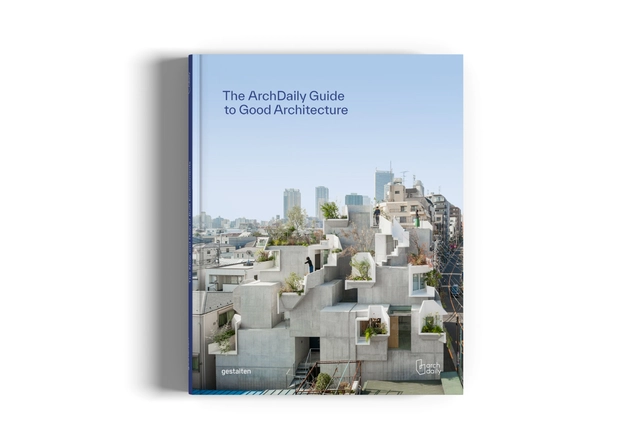
The ArchDaily Guide to Good Architecture, book cover
Dear community,
As your trusted companion along the journey of constant learning and inspiration, we are very excited to share a new format by announcing our first book ever: The ArchDaily Guide to Good Architecture.
In partnership with renowned international publisher gestalten, we have taken a pause to look back on the more than 40,000 projects curated over the past 15 years, to distill their contributions and answer the bold question of what is good architecture. The sheer scale of ArchDaily is a reflection of how important architecture is today, as the deepening complexity of our world places increasing pressure and demands upon our built environment. To deal with issues such as the climate crisis, energy scarcity, population density, social inequality, housing shortages, fast-moving urbanization, diminished local identity, and a lack of diversity, architecture needs to open itself.
To answer this challenging question the book spotlights the most innovative built environments of our age—those paving the way for a better, more sustainable future. Centered around ArchDaily’s 10 principles of good architecture developed by our team, the book showcases a rich variety of projects—both built and planned—from a sunken restaurant with subterranean views to a Mediterranean cave transformed into a remarkable residence. Reflecting a global community of world-shapers, it celebrates the most visionary architects, and introduces bold new talent. It explores the key topics and trends redefining the built environment, marking the forefront of architectural thought and practice today, with an eye on tomorrow.
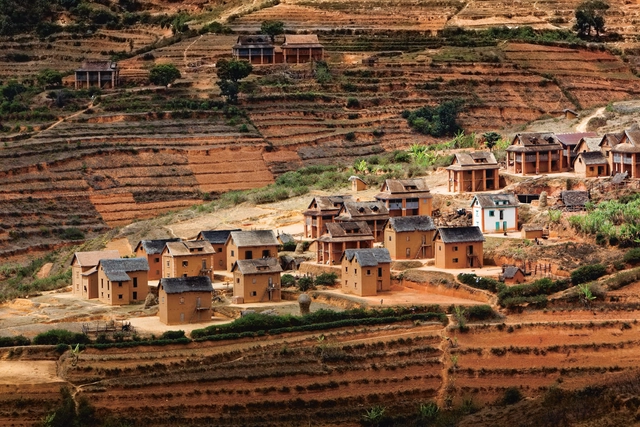
The architecture and construction industry has undergone a transformation with the integration of various digital tools, now indispensable to the design process. The welcoming of technologies has effectively streamlined operations, enhanced efficiency, and elevated design quality. This digital shift, however, has resulted in a digital divide that goes beyond accessibility to tools and software. It also encompasses the crucial aspect of integrating traditional and indigenous communities into the urban development landscape. Can advancing technology support the growth of vernacular architecture? Can indigenous building practices find a place in the vision for a digitalized future?
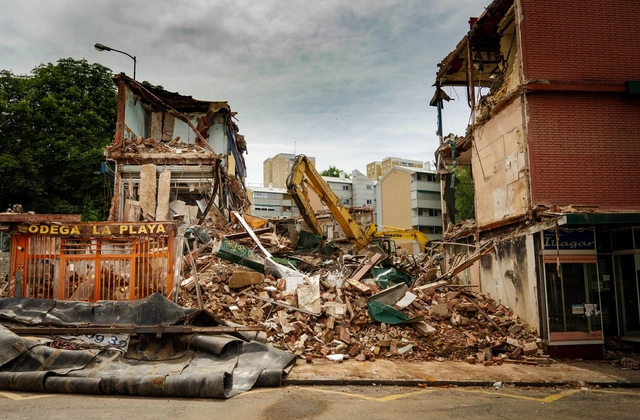
The built environment is responsible for approximately 42% of annual global CO2 emissions. During a building's lifespan, half of these emissions come from its construction and demolition. To decarbonize architecture and control global emissions, it is important to rethink and reduce the upfront or embodied carbon impacts of demolitions, as well as implement sustainable construction strategies for buildings. Demolitions typically involve dismantling, razing, destroying, or wrecking buildings and structural parts, leading to unsustainable levels of carbon emissions, material depletion, waste, and pollution. These hasty methods of ending the life cycle of a building have negative impacts on the environment, material components, and recycling strategies. Therefore, there is a clear need to re-think the way in which we approach the end of a building or infrastructure project's life towards a more sustainable system of deconstruction.
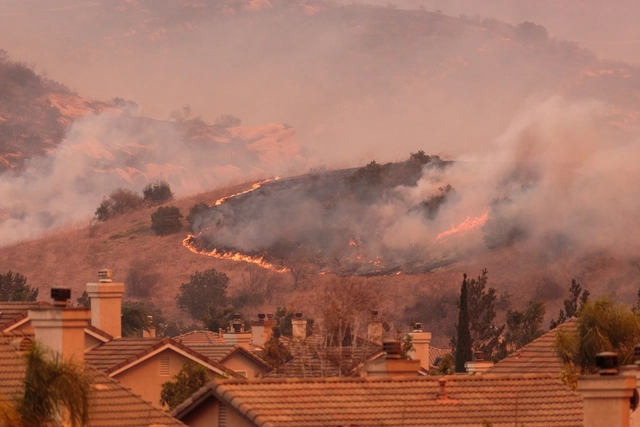
As the world grapples with the effects of climate change, natural disasters like flooding, and the spread of incontrollable wildfires are increasingly threatening cities and inhabitants. While architecture and urban planning cannot prevent these occurrences, they still possess strategies to minimize the damage associated with these events and help protect the citizens. Unfortunate events over the course of last year, like the earthquake that hit central Turkey and north-west Syria this February or the more recent earthquake in western Afghanistan, the flooding and dam failures in Libya, and the wildfires that devastated the city of Lahaina, Hawaii, demonstrate the urgency of implementing preventative and mitigation measures in addition to creating procedures for emergency intervention. This article explores the strategies and resources available to architects and urban planners to address these challenges in three types of natural disasters: flooding, wildfires, and earthquakes.
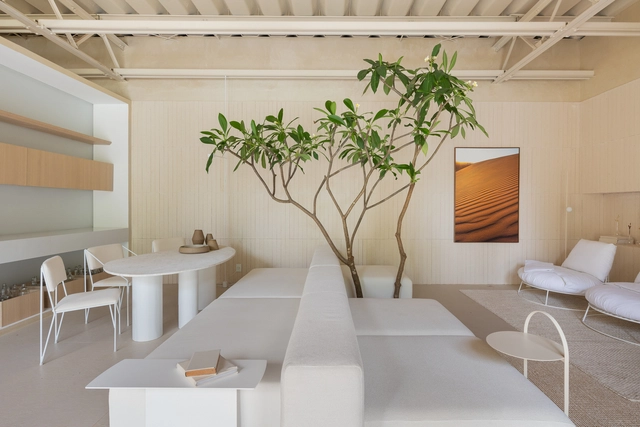
The history of 'neutral colors' is a fascinating journey through the evolution of human aesthetics and design sensibilities. Closely related to the makeup of materials organically found in nature, the color chorus of whites, grays, and earthy brown tones has played a pivotal role in artistic expression, fashion, interior design, and architecture for millenia. From the understated hues of early clay, straw, wood, or brick architectural structures to the now prevalent contemporary interior style, neutral colors have transcended cultural boundaries and continue to hold a special place in our visual landscape – offering a sophisticated elegance and versatility that has stood the test of time.
As we reflect on the unfolding of 2023, it has been a remarkable chapter in the world of architecture and design. This year saw the fruition of numerous groundbreaking projects that have left a mark on our collective built environment. This narrative takes place around a year of significance, with a renewed commitment to combat climate change, with dialogue initiated around world-renowned events such as the UIA World Congress of Architecture in Copenhagen or the 18th International Architecture Exhibition in Venice – La Biennale di Venezia.
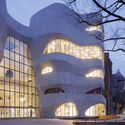
This curated list includes projects that opened to the public in 2023. Each of them was designed and long-awaited to be completed. The featured architects include MVRDV, Zaha Hadid Architects,Snøhetta, Studio Gang, and OMA in collaboration with Shohei Shigematsu. Each of these firms is a unique design studio with its specific architectural style; while all these listed built projects are public and commercial.
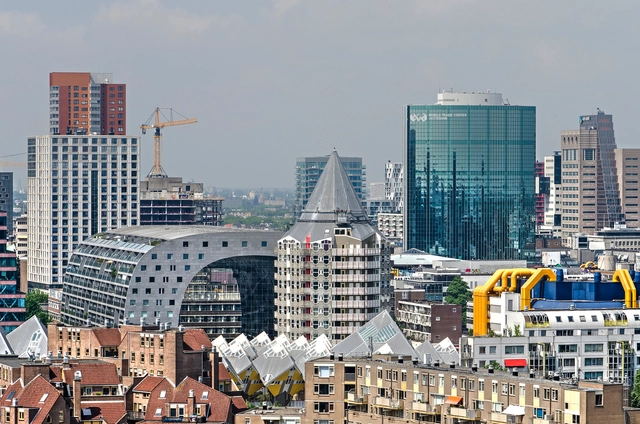
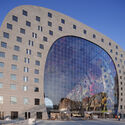
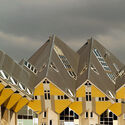
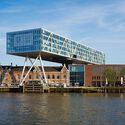
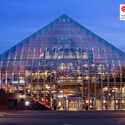
Often referred to as the “Manhattan on the Maas,” Rotterdam is a city unlike any other in the Netherlands. The Dutch metropolis with its striking skyline, tells a unique architectural narrative with chapters filled with the rubble of the devastating bombings of World War II, followed by a story of reconstruction that transformed the city into a hub for experimental architecture and urban planning. Today a mosaic of architectural styles, Rotterdam has embraced innovation, becoming a global showcase for cutting-edge design and sustainable urban development.
In 1940, almost the entire city center was wiped out by German bombs. Instead of following other European cities’ examples of reconstruction, Rotterdam decided to reinvent itself. Today, the city hosts some of the most well-known Dutch pieces of architecture, such as the Kubuswoningen or the Het Nieuwe Instituut. Its open attitude toward innovation and experimentation continues to attract talent from around the world, as its distinctive skyline continues to change and adapt to contemporary conditions.
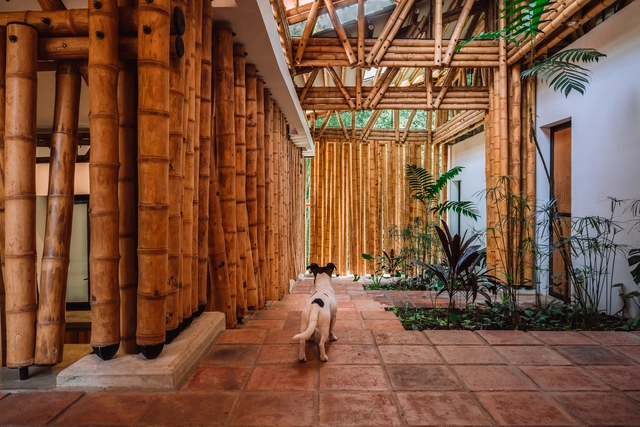
The use of local materials in architecture is becoming more and more important as there is a growing need to find new, sustainable construction methods that can help address the current climate crisis. Understanding the behavior of different materials and their key construction properties, architects and other professionals in the field are increasingly turning to bamboo, aiming to develop strategies and techniques that enable its use in both the structures of their projects and the various components of spaces.