Nour Fakharany

Architect, urbanist, and Content Editor at ArchDaily, covering news and developments in architecture and the built environment. Editorial work focuses on the Gulf region and the Middle East, exploring contemporary regional architectural languages and their relationship to local contexts.

BROWSE ALL FROM THIS AUTHOR HERE

New Architectural Film Inspired by Wes Anderson Celebrates Singapore's Built Environment

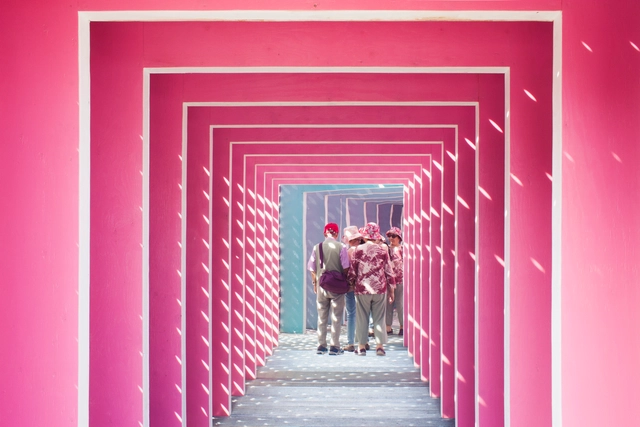
Drawing inspiration from the visual style of acclaimed director Wes Anderson, known for films like "Asteroid City" and “The Grand Budapest Hotel,” this new architectural film chronicles the homeland and landscape of Singapore. Directed by Kevin Siyuan, this is the second volume of “A Wes Anderson-ish Singapore” released. Moreover, the 20-minute documentary will be previewed on Singapore’s National Day and focuses on the urban planning, architecture, parks, and the people of Singapore.

New Architectural Film Inspired by Wes Anderson Celebrates Singapore's Built Environment  - Image 1 of 4New Architectural Film Inspired by Wes Anderson Celebrates Singapore's Built Environment  - Image 2 of 4New Architectural Film Inspired by Wes Anderson Celebrates Singapore's Built Environment  - Image 3 of 4New Architectural Film Inspired by Wes Anderson Celebrates Singapore's Built Environment  - Image 4 of 4New Architectural Film Inspired by Wes Anderson Celebrates Singapore's Built Environment  - More Images+ 16

Powerhouse Parramata Museum by Moreau Kusunoki and Genton to Open in 2025

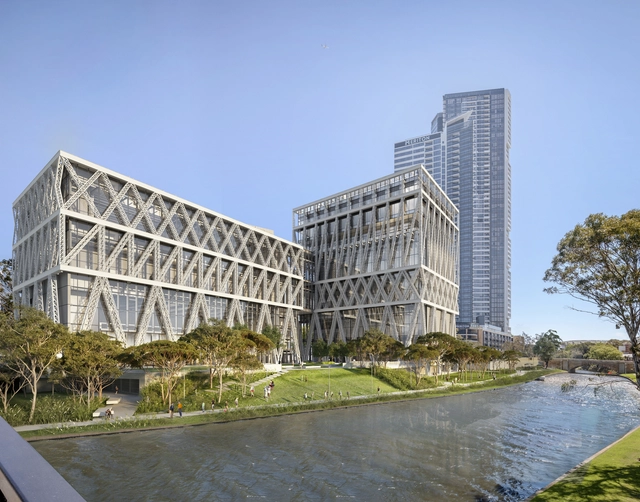
Powerhouse Parramata, Sydney’s new largest museum, has been announced to open in early 2025. The museum group overseeing the project sits at the intersection of the arts, design, science, and technology industries. Designed by Moreau Kusunoki in collaboration with local practice Genton, the museum will be located on the south bank of the Parramatta River in Western Sydney, acting as the largest cultural infrastructure project in the Australian capital city since the Sydney Opera House.

Powerhouse Parramata Museum by Moreau Kusunoki and Genton to Open in 2025  - Image 1 of 4Powerhouse Parramata Museum by Moreau Kusunoki and Genton to Open in 2025  - Image 2 of 4Powerhouse Parramata Museum by Moreau Kusunoki and Genton to Open in 2025  - Image 3 of 4Powerhouse Parramata Museum by Moreau Kusunoki and Genton to Open in 2025  - Image 4 of 4Powerhouse Parramata Museum by Moreau Kusunoki and Genton to Open in 2025  - More Images+ 2

The Symbolic Use of Color in Islamic Architecture

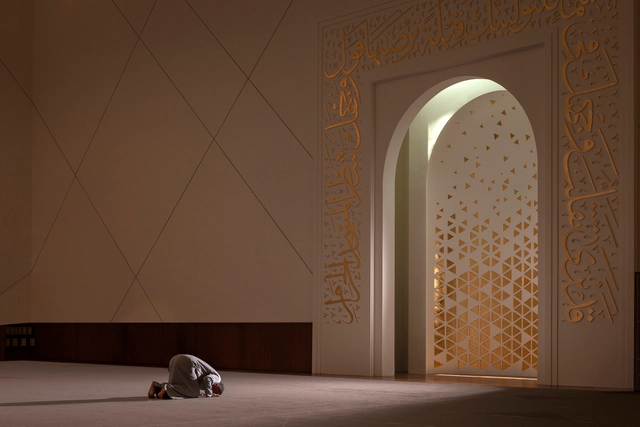
The Islamic Architecture style has a diverse history, spanning over a millennium, stretching from Western Africa to Europe to Eastern Asia. Beginning in early 7th century Arabia, this form of architecture emerged with the rise of the Islamic civilization. In fact, Al Masjid Al Nabawi, the first Mosque to ever be constructed was built in 622, in Medina, Saudi Arabia. Moreover, early Islamic architecture was influenced by the pre-existing styles around the region, such as Roman, Byzantine, and Persian qualities.

Today, Islamic architecture is known for its acute attention to detail, craftsmanship, and its spiritual symbolism. Furthermore, as color plays an essential role in architecture, influencing the emotional experience of the space, different colors have been utilized over the years in Islamic Architecture to evoke certain meanings. In Islamic Architecture, colors hold significant spiritual symbolism, reflecting the values and beliefs of the Islamic faith. Four core colors, Green, Blue, Gold, and White, are each used to convey various cultural, religious, and symbolic meanings.

Read on to discover the use of these colors in various Islamic architectural icons around the world.

The Symbolic Use of Color in Islamic Architecture - Image 1 of 4The Symbolic Use of Color in Islamic Architecture - Image 2 of 4The Symbolic Use of Color in Islamic Architecture - Image 3 of 4The Symbolic Use of Color in Islamic Architecture - Image 4 of 4The Symbolic Use of Color in Islamic Architecture - More Images+ 6

"This is Air:" The National Gallery of Victoria Announces Architecture Commission by Nic Brunsdon

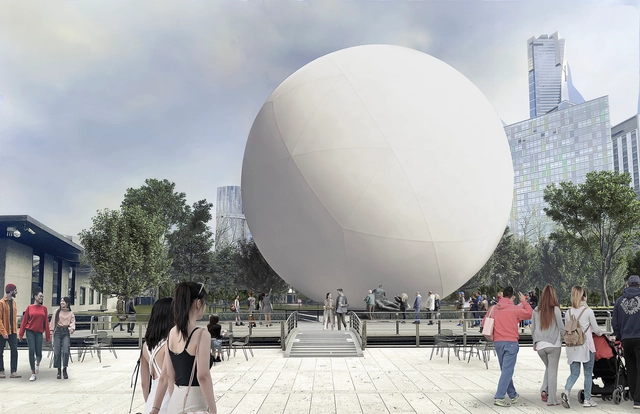
The National Gallery of Victoria 2023 Architecture Commission has chosen a colossal inflatable sphere, named (This is) Air, as its centerpiece. This unique creation is a collaboration between architect Nic Brunsdon and ENESS, aiming to bring the invisible into view by highlighting a fundamental aspect of life: breathing air.

DAGOpen OÜ Wins Architectural Competition to Design Modern Family Home in Ukraine Crisis

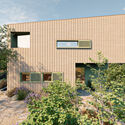
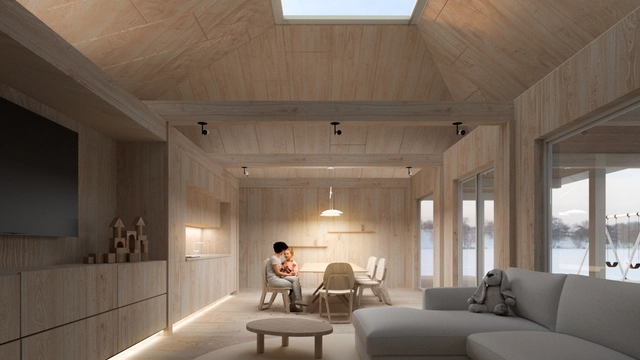
DAGOpen OÜ has just won the architectural competition for a standard design of Ukrainian Family houses, with their design “Hata.” The competition invited 17 designs from Estonian and Ukrainian architects to design “a standard project for modern family-type small group homes to be built in Ukraine”. The architecture of Ukraine directly inspired the winning design and addressed the spatial decisions made to attend to the crisis.

DAGOpen OÜ Wins Architectural Competition to Design Modern Family Home in Ukraine Crisis - Image 1 of 4DAGOpen OÜ Wins Architectural Competition to Design Modern Family Home in Ukraine Crisis - Image 2 of 4DAGOpen OÜ Wins Architectural Competition to Design Modern Family Home in Ukraine Crisis - Image 3 of 4DAGOpen OÜ Wins Architectural Competition to Design Modern Family Home in Ukraine Crisis - Image 4 of 4DAGOpen OÜ Wins Architectural Competition to Design Modern Family Home in Ukraine Crisis - More Images+ 2

A Brick for Venice: Urban Radicals Explores Waste-based Construction in Response to the Rising Climate Crisis

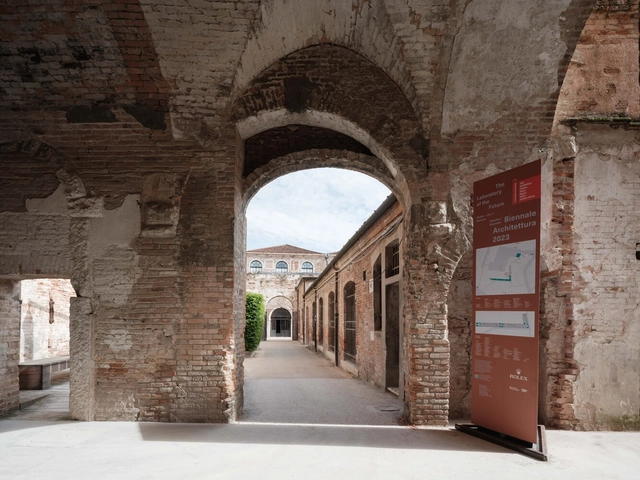
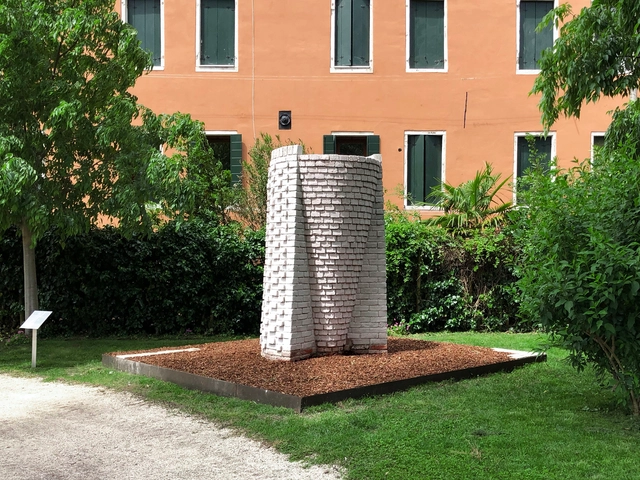
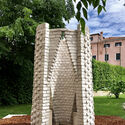
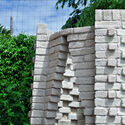
Urban Radicals presented a temporary pavilion “A Brick for Venice” as part of the European Cultural Center’s “Time Space Existence program during the same time as the 2023 Venice Architecture Biennale. The entirety of the brick pavilion was made with mud from the city’s canals. Furthermore, “A Brick for Venice” is the first proof of concept for the team’s novel waste-based construction product.

A Brick for Venice: Urban Radicals Explores Waste-based Construction in Response to the Rising Climate Crisis - Image 1 of 4A Brick for Venice: Urban Radicals Explores Waste-based Construction in Response to the Rising Climate Crisis - Image 2 of 4A Brick for Venice: Urban Radicals Explores Waste-based Construction in Response to the Rising Climate Crisis - Image 3 of 4A Brick for Venice: Urban Radicals Explores Waste-based Construction in Response to the Rising Climate Crisis - Image 4 of 4A Brick for Venice: Urban Radicals Explores Waste-based Construction in Response to the Rising Climate Crisis - More Images+ 18

Iwan Baan’s "Prague Diary" Showcases a Raw and Unedited Version of the City

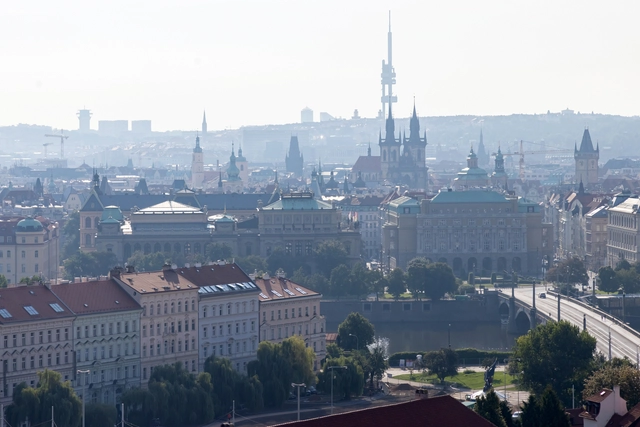
In the summer of 2022, Iwan Baan completed an urban pilgrimage through the unique streets of Prague. For 7 days, the photographer photographed the city on foot, on a bike, and from a helicopter, capturing the essence of the urban fabric, from the center to the periphery and the landscape along the Vltava River. Presenting the city as a raw and often neglected entity, Iwan Baan showcased his exhibition “Iwan Baan: Prague Diary” this year at CAMP.

Iwan Baan’s "Prague Diary" Showcases a Raw and Unedited Version of the City - Image 1 of 4Iwan Baan’s "Prague Diary" Showcases a Raw and Unedited Version of the City - Image 2 of 4Iwan Baan’s "Prague Diary" Showcases a Raw and Unedited Version of the City - Image 3 of 4Iwan Baan’s "Prague Diary" Showcases a Raw and Unedited Version of the City - Image 4 of 4Iwan Baan’s Prague Diary Showcases a Raw and Unedited Version of the City - More Images+ 13

The Iconic Gallaratese Complex in Milan Through the Lens of Kane Hulse

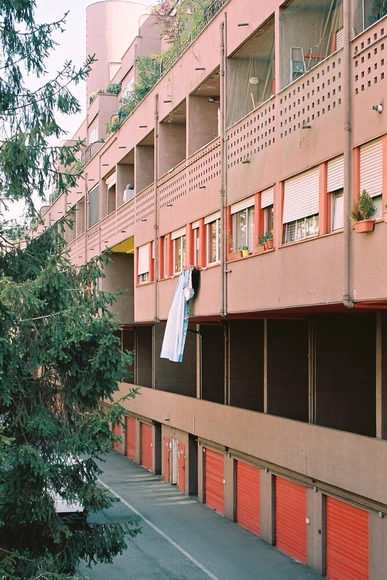
In the aftermath of the Second World War, a drastic housing shortage spread across Europe, and Milan was no exception. Various plans and solutions were conceived to address this crisis, outlining satellite communities for the city to accommodate between 50,000 and 130,000 residents each. The first of these communities began construction in 1946, just one year after the war's end: the Gallaratese project.
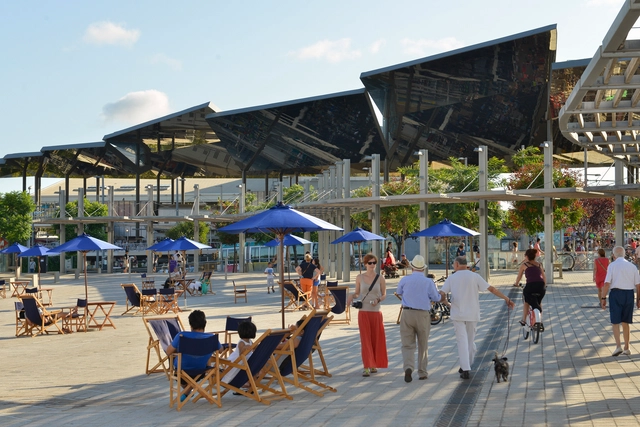
In late 1967, as the plan allowed for the private development of Gallaratese 2, the esteemed Studio Ayde, led by partner Carlo Aymonino, was assigned the project. Aymonino invited Aldo Rossi to contribute his architectural skill to the complex, leading to the realization of their distinct visions for an ideal microcosmic community. Together, these two Italian architects began a journey to shape a groundbreaking and historically significant housing icon for Milan. Captured through the lens of Kane Hulse, the building and it’s significance is revisited through this photo series.

The Iconic Gallaratese Complex in Milan Through the Lens of Kane Hulse - Image 1 of 4The Iconic Gallaratese Complex in Milan Through the Lens of Kane Hulse - Image 2 of 4The Iconic Gallaratese Complex in Milan Through the Lens of Kane Hulse - Image 3 of 4The Iconic Gallaratese Complex in Milan Through the Lens of Kane Hulse - Image 4 of 4The Iconic Gallaratese Complex in Milan Through the Lens of Kane Hulse - More Images+ 3

OPEN's Sun Tower Tops Out in Yantai

OPEN Architecture’s Sun Tower, designed as a landmark for the Chinese coastal city of Yantai, topped out last month. On the summer solstice day, the 50-meter-tall structure reached its peak height. The landmark is expected to be open to the public in 2024. Acting as a cultural placeholder, the building reframes the typical understanding of "design with nature."

OPEN's Sun Tower Tops Out in Yantai - Image 1 of 4OPEN's Sun Tower Tops Out in Yantai - Image 2 of 4OPEN's Sun Tower Tops Out in Yantai - Image 3 of 4OPEN's Sun Tower Tops Out in Yantai - Image 4 of 4OPEN's Sun Tower Tops Out in Yantai - More Images+ 4

CHYBIK + KRISTOF Wins Competition to Design Primary School in Stará Boleslav, Czech Republic

CHYBIK + KRISTOF has just won an architectural competition to design the new primary school in Stara Boleslav in the Czech Republic. The school will allow up to 900 children from sixteen neighboring towns to attend. Furthermore, the design is based on a flexible methodology that will enable the school to change in the future to meet new demands. The building's green atrium opens views of the city's primary local and historical structures. Moreover, the school is designed to become an educational and cultural hub for the town and the neighboring public.

CHYBIK + KRISTOF Wins Competition to Design Primary School in Stará Boleslav, Czech Republic  - Featured ImageCHYBIK + KRISTOF Wins Competition to Design Primary School in Stará Boleslav, Czech Republic  - Image 1 of 4CHYBIK + KRISTOF Wins Competition to Design Primary School in Stará Boleslav, Czech Republic  - Image 2 of 4CHYBIK + KRISTOF Wins Competition to Design Primary School in Stará Boleslav, Czech Republic  - Image 3 of 4CHYBIK + KRISTOF Wins Competition to Design Primary School in Stará Boleslav, Czech Republic  - More Images+ 2

Henning Larsen Wins Competition to Design Mass Timber Campus for University of the Faroe Islands

Henning Larsen Architects has just won the competition to design a new university campus building in Torshvan, Faroe Islands. The 8000m2 campus is primarily inspired by the Faroese settlements and indigenous lands, drawing on various ancient methodologies of building for extreme weather conditions. The new design “extends the comfortable outdoor season by 150 days each year,” transforming the campus into an ideal space for learning.

Henning Larsen Wins Competition to Design Mass Timber Campus for University of the Faroe Islands - Image 1 of 4Henning Larsen Wins Competition to Design Mass Timber Campus for University of the Faroe Islands - Image 2 of 4Henning Larsen Wins Competition to Design Mass Timber Campus for University of the Faroe Islands - Image 3 of 4Henning Larsen Wins Competition to Design Mass Timber Campus for University of the Faroe Islands - Image 4 of 4Henning Larsen Wins Competition to Design Mass Timber Campus for University of the Faroe Islands - More Images+ 1

Graham Foundation Supports 38 Projects, Exhibitions, Publications and Public Programs Focusing on Architecture's Role in Culture Creation

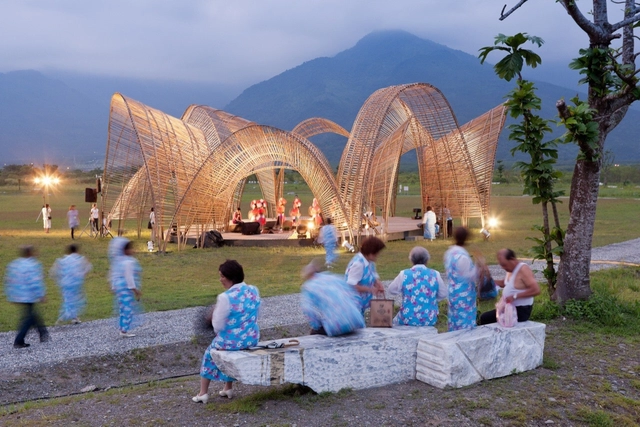
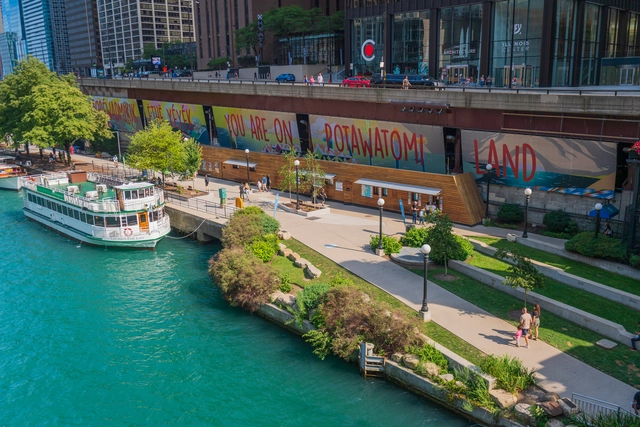
The Graham Foundation announced awards to organizations worldwide, supporting 38 different projects. The projects range from exhibitions, publications, and other activations serving the public through arts and culture. Together, these projects examine various topics, platforms, and issues in contemporary architecture discourse and showcase the work of architects, artists, curators, designers, educators, and other professionals working with organizations around the world in places like Chicago, Los Angeles, Tijuana, and Beirut.

Graham Foundation Supports 38 Projects, Exhibitions, Publications and Public Programs Focusing on Architecture's Role in Culture Creation - Image 5 of 4Graham Foundation Supports 38 Projects, Exhibitions, Publications and Public Programs Focusing on Architecture's Role in Culture Creation - Image 4 of 4Graham Foundation Supports 38 Projects, Exhibitions, Publications and Public Programs Focusing on Architecture's Role in Culture Creation - Image 3 of 4Graham Foundation Supports 38 Projects, Exhibitions, Publications and Public Programs Focusing on Architecture's Role in Culture Creation - Image 2 of 4Graham Foundation Supports 38 Projects, Exhibitions, Publications and Public Programs Focusing on Architecture's Role in Culture Creation - More Images+ 2

60 Years of Barbie Architecture: When Popular Culture Meets Design

Subscriber Access | 

In her 1959 debut by Mattel, Barbie became a doll that transformed the toy industry and has been a popular culture icon ever since. 3 years later, the first accompanying Barbie Dollhouse was created, a home for Barbie representing her domestic, habitual, and day-to-day life. Over the past 60 years, Barbie Dreamhouses have changed and evolved, each iteration adopting the architectural and design fads of the eras in which they were produced. In fact, each dollhouse is an artifact of the unique blend of history, politics, popular culture, trends, and design styles that define architecture as we know it.

60 Years of Barbie Architecture: When Popular Culture Meets Design - Image 1 of 460 Years of Barbie Architecture: When Popular Culture Meets Design - Image 2 of 460 Years of Barbie Architecture: When Popular Culture Meets Design - Image 3 of 460 Years of Barbie Architecture: When Popular Culture Meets Design - Image 4 of 460 Years of Barbie Architecture: When Popular Culture Meets Design - More Images+ 6

Exploring Haus Balma by Kengo Kuma Architects in Vals, Switzerland Through the Lens of Paul Clemence

In his latest photo series, Paul Clemence captures Haus Balma, a residential and commercial building designed by Kengo Kuma Architects. Situated in Vals, at the foothills of the Graubünden Mountains, the building was designed for Truffer AG, a family business founded in 1983, specializing in processed Valser quarzite stone slabs. Typically used as a flooring and roofing material, many architects have used quartzite stones in this region, including Peter Zumthor in his Therme Vals, Norman Foster, and Philippe Stark.

Exploring Haus Balma by Kengo Kuma Architects in Vals, Switzerland Through the Lens of Paul Clemence  - Image 1 of 4Exploring Haus Balma by Kengo Kuma Architects in Vals, Switzerland Through the Lens of Paul Clemence  - Image 2 of 4Exploring Haus Balma by Kengo Kuma Architects in Vals, Switzerland Through the Lens of Paul Clemence  - Image 3 of 4Exploring Haus Balma by Kengo Kuma Architects in Vals, Switzerland Through the Lens of Paul Clemence  - Image 4 of 4Exploring Haus Balma by Kengo Kuma Architects in Vals, Switzerland Through the Lens of Paul Clemence  - More Images+ 22

Cities For People: In Conversation with Jan Gehl at the UIA World Congress of Architects 2023

The UIA World Congress of Architecture 2023 is an international invitation for architects worldwide to explore the future of the built environment. The event this year that brought together 6,000 participants worldwide, focusing on “Sustainable Futures – Leave No One Behind”, was set on discovering how architecture influences the 17 UN Sustainable Development Goals (SDGs), ranging from Climate Adaptation, Rethinking Resources, Health, Inclusivity, and more. While visiting this year’s edition in Copenhagen, the ArchDaily team had the chance to sit down with Jan Gehl, the father of people-centered design. The discussion revolved around 50 years after the launch of his world-renowned book, Cities for People, the first publication to reflect on how to properly develop cities on the human scale. Moreover, the interview followed his keynote speech at the UIA 2023, “Cities for People – 50 Years Later."

Cities For People: In Conversation with Jan Gehl at the UIA World Congress of Architects 2023 - Image 1 of 4Cities For People: In Conversation with Jan Gehl at the UIA World Congress of Architects 2023 - Image 2 of 4Cities For People: In Conversation with Jan Gehl at the UIA World Congress of Architects 2023 - Image 3 of 4Cities For People: In Conversation with Jan Gehl at the UIA World Congress of Architects 2023 - Image 4 of 4Cities For People: In Conversation with Jan Gehl at the UIA World Congress of Architects 2023 - More Images+ 2

OÜ Kolm Pluss Üks Wins Competition for Tartu Downtown Cultural Center in Estonia

Estonian studio OÜ Kolm Pluss Üks won the international architecture competition for the Tartu Cultural Center. Selected out of a total of 107 proposals, the winning project titled “Paabel” is set to become the cultural heart of the city center, capturing the competition's main goal and developing an outdoor space solution. Kadarik Tüür Arhitektid OÜ took the second position for their design of “Tarte Tatin”, while the third place went to Denmark-based architectural studio Atelier Lorentzen Langkilde Aps.

OÜ Kolm Pluss Üks Wins Competition for Tartu Downtown Cultural Center in Estonia  - Image 1 of 4OÜ Kolm Pluss Üks Wins Competition for Tartu Downtown Cultural Center in Estonia  - Image 2 of 4OÜ Kolm Pluss Üks Wins Competition for Tartu Downtown Cultural Center in Estonia  - Image 3 of 4OÜ Kolm Pluss Üks Wins Competition for Tartu Downtown Cultural Center in Estonia  - Image 4 of 4OÜ Kolm Pluss Üks Wins Competition for Tartu Downtown Cultural Center in Estonia  - More Images

Henning Larsen, BIG, WOHA Architects Amongst Recepients of President*s Design Award 2023 in Singapore

Last week, the President*s Design (P*DA) Award chose 8 winning recipients for its 2023 edition. The award that honors designers making a transformative and positive impact on the lives of Singapore’s society and the broader global community recognized Henning Larsen, BIG, and the Singapore Pavilion for Expo 2020 Dubai.

The P*DA presented two categories: Designer of the Year and Design of the Year. Organized jointly by the DesignSingapore Council and the Urban Redevelopment Authority (URA), the biennial award was given to two “Designer of the Year” and six “Design of the Year” recipients. Beyond the excellence of their design execution, the honorees demonstrated a genuine sense of purpose and mission that is consistent with P*DA's core values. The outstanding designs of this year tackle fundamental and systemic issues like consumerism and circularity, dementia and caregiving, climate change and sustainability, and show how Singapore is developing its best design practices that are applicable to enhancing lives worldwide.

Henning Larsen, BIG, WOHA Architects Amongst Recepients of President*s Design Award 2023 in Singapore  - Image 1 of 4Henning Larsen, BIG, WOHA Architects Amongst Recepients of President*s Design Award 2023 in Singapore  - Image 2 of 4Henning Larsen, BIG, WOHA Architects Amongst Recepients of President*s Design Award 2023 in Singapore  - Image 3 of 4Henning Larsen, BIG, WOHA Architects Amongst Recepients of President*s Design Award 2023 in Singapore  - Image 4 of 4Henning Larsen, BIG, WOHA Architects Amongst Recepients of President*s Design Award 2023 in Singapore  - More Images+ 6