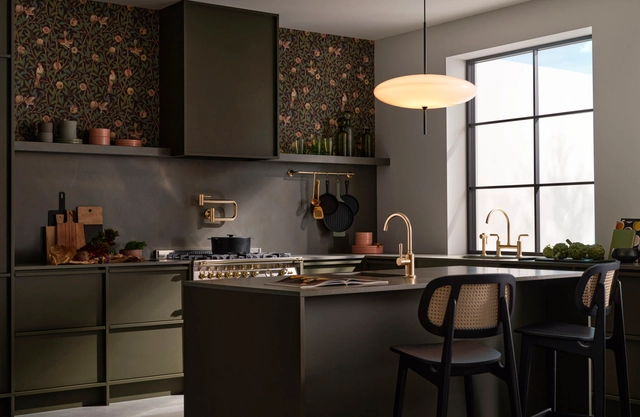
VAIA - Brushed Durabrass (23kt Gold). Image Courtesy of Dornbracht
Arguably, kitchens are spaces in which the interplay of elements establishes a delicate balance in their composition; design, materials, and fittings, all of which collaboratively shape the interior environment. It is, therefore, not surprising that they often become the focus of ongoing discussions. The cultural and utilitarian role of kitchens in our lives is so important that their influence transcends mere architecture, becoming an object of artistic and historical exploration. In this way, both kitchens and the elements that comprise them have evolved and changed in style—from the robust kitchens of the 19th century to the innovations that originated in the Frankfurt kitchen in the 20th century.
The domestic landscape can transform on a daily basis, and fittings are no exception as they adapt to changing stylistic influences and needs. Today, kitchens incorporate both, traditional and contemporary elements within the same space, creating a language that connects and seamlessly transitions between these influences, thereby enhancing one another. In this context, Dornbracht has conceived VAIA, a series of fittings developed by Sieger Design, which fuses tradition and modernity in contemporary kitchens through fine lines, stylized silhouettes, and flowing transitions.
https://www.archdaily.com/1006333/classic-and-avant-garde-kitchen-fittings-that-balance-tradition-and-modernityEnrique Tovar
Sustainability has taken center stage in the broad world of architecture and design, inspiring and directing the construction of new structures towards environmental harmony. The use of wood, a classic material with enormous potential to lessen our ecological impact while providing limitless design possibilities, is a notable example of this movement's implementation. In the fight for sustainability in the field of architecture, wood has become an ally. Its distinctive qualities, such as renewability and carbon neutrality, have inspired creative methods among architects worldwide.
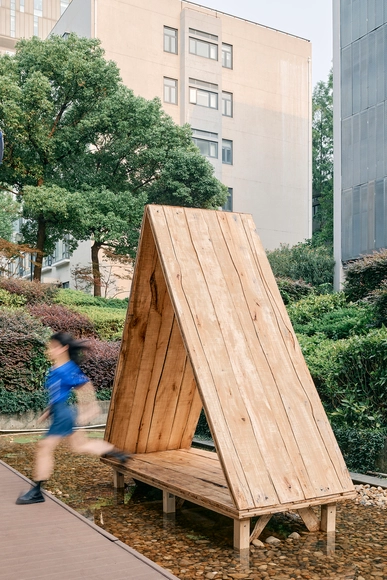
A wide range of architectural projects, from vital healthcare facilities to exciting mixed-use buildings, cultural hubs, and welcoming residential spaces, benefit from wood's extraordinary versatility as a building material. In fact, wood's natural warmth and biophilic qualities can create spaces that reduce stress and promote well-being. Furthermore, the carbon-neutral nature of wood aligns perfectly with the design industry's commitment to environmental responsibility.
Design stems from nuance, empathy, and understanding. The best solutions address the needs, identities, and context of a client and place. A designer's response needs to be informed by these different realities. Intersectional Design is a method of designing by thinking through how factors of identity (gender, race, sexuality, class, and many more) interact with one another. In understanding how these factors combine, we can more deeply understand the context of use and an individual user's priorities.
Protest has always been a powerful tool for creating change, and public spaces provide a platform for social engagement in societies. As part of the International Day of Democracy, we examine Africa, its series of emerging protests in the past year, and how citizens in various countries question political justice, demand better living standards from their government, and interrogate their nation’s sovereignty. With demonstrations ranging from organized large-scale marches to smaller spontaneous outbursts, residents of these countries have explored public spaces in symbolic and significant ways to amplify their voices. These spaces include public squares with cultural and historical meaning, sites of political buildings, or makeshift protest areas such as roads and open areas. Through this, African cities show how people make these spaces their own and how the power of their conglomeration cannot be ignored in unwrapping the democratic essence of public spaces.
Modernity and globalization have significantly reduced geographical distances, transformed social interactions, and accelerated the flow of information across nations, which has, in a sense, made the world more accessible to people everywhere. However, it's important to note that when we say "everyone," we refer to a vast and diverse population. Modernity and globalization had an impact on noticeable inequalities in both social and technological realms, as more advanced and privileged nations have established benchmarks and norms for leisure, culture, and consumption. As a result, certain cultures have established a dominant influence, promoting the notion that there is a "correct" way to live and build cities. This unchecked pursuit of development comes at a significant cost to the Earth's ecosystems and biomes.
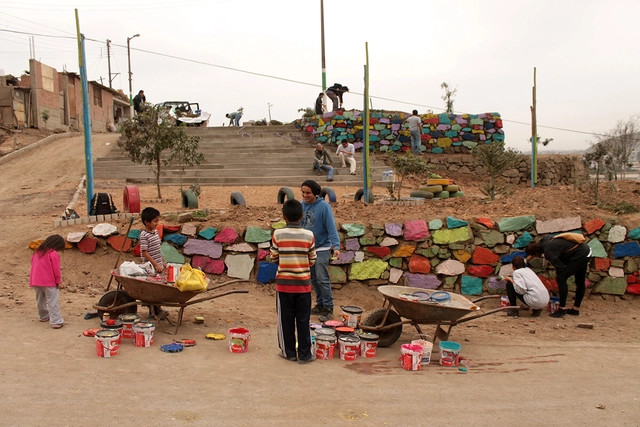
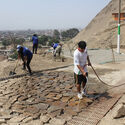
The research project that impressed the jury aims to explore the impact of highly successful informal settlement improvement initiatives implemented in various Latin American countries. Its primary objective is to uncover valuable design insights related to social and environmental sustainability. The research is founded on the recognition that Latin America is the most urbanized region globally, with approximately 80% of its population residing in cities. Nevertheless, nearly 15% of this urban population resides in informal settlements marked by inadequate infrastructure and a diminished quality of life. Various improvement programs have been implemented, and the active involvement of citizens has been a crucial factor in enhancing their effectiveness.
For the past three decades, YIMBYs and NIMBYs have been fighting pitched battles across the U.S. for the heart and soul of future development, but the housing crisis has only grown worse, especially since the crash of 2008, which changed so many things on the supply side.
This was followed a dozen years later by 2020, the strangest year of our lifetimes, which made those supply-side challenges even more pronounced. The roots of the problem, however, go back further than that, with mistakes made as long as 75 years ago now being repeated by completely new generations. Failure to understand those errors—and even why they are errors and not good practice—will perpetuate and exacerbate today’s crisis into future generations.
While it is undeniable that the surrounding environment is changing due to human activity, the effects can be difficult to perceive directly, as they are often illustrated with unrelatable pictures of far-away places or overused graphics and statistics. Danish office Tideland Studio aims to change this. Through their work, they aim to bring forth a new type of sensible understanding of the changes happening around us. They work across disciplines, melding research, art, and architecture while employing the newest survey and fabrication technologies to give presence to the abstract phenomena that shape our planet. Because of their practical approach to research and the new perspectives that they open toward extreme environments affected by climate change, ArchDaily has selected Tideland Studio as one of the 2023 New Practices. The annual survey highlights emerging offices that use innovation and forward-looking processes to rethink the ways in which we practice architecture.
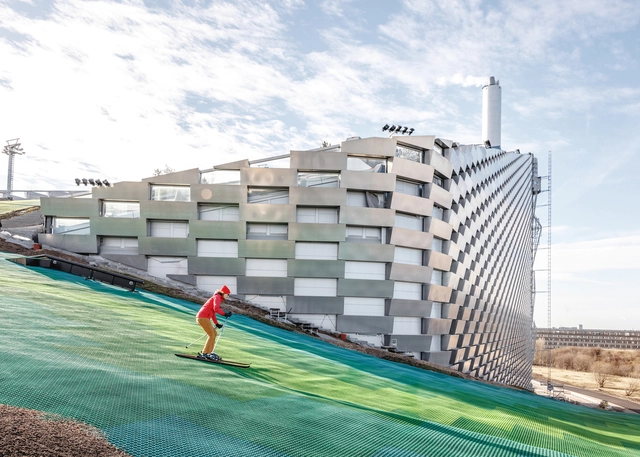
If you follow BIG, you have probably already seen Bjarke Ingels talk about hedonistic sustainability and how this concept permeates the most daring projects of the Danish office.
Mass timber has emerged as a sustainable alternative to replace concrete components in construction, as the latter alone contributes to 8% of global CO2 emissions. With various examples across different scales and applications, the material has shown promise in revolutionizing the industry by enhancing efficiency, strength, and comfort. Even when dealing with highly standardized and efficient processes in the manufacturing of structural elements, there is always room for improvement and waste reduction. This is mainly because the traditional industrial process of cutting logs into parts can generate substantial waste.
In this context, A.I. Timber emerges as an innovative construction material designed to minimize waste by preserving the natural contours of trees. Instead of employing conventional methods that involve cutting individual logs into standardized boards, A.I. Timber ingeniously utilizes Artificial Intelligence to fit these logs together like pieces of a perfectly assembled puzzle. To gain further insight into this initiative and the future of this material, we spoke with Carlo Ratti and Mykola Murashko, who coordinated the project.
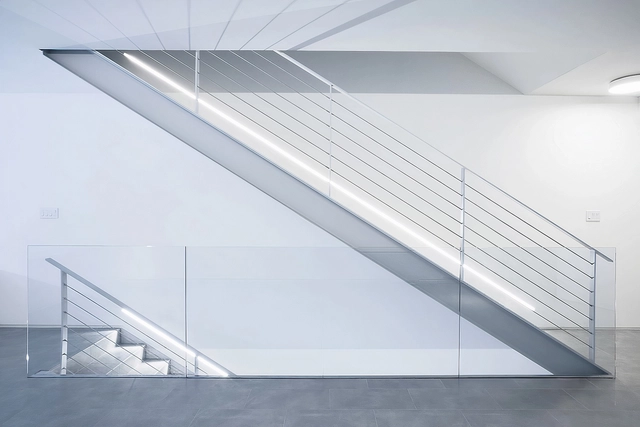
In the world of interior design and architecture, lighting has evolved from a mere functional necessity into a powerful tool for creating pleasant environments, accentuating design elements, and setting the mood for occupants. Embedded lighting systems have been a game-changer in this regard, especially when combined with LED technology, offering countless possibilities to transform spaces. LED strips, in particular, have revolutionized lighting by providing energy efficiency, longevity, versatility, and customization that was previously challenging with traditional lamp-based lighting. They have fundamentally changed how we illuminate homes, offices, and businesses, ushering in a new era in lighting technology.
Almost a century after the iconic aesthetic emerged, Art Deco is finally having its comeback. As seen in new projects, interior spaces, and furniture around the globe, the glitz and glam that makes us long for the Roaring 20s of the early 20th century is now giving us a small taste of the Roaring 20s revival in the 21st century. As the distinct identity of Art Deco architecture and design has continued to inspire the world, what can we expect from new designs, and the preservation of existing ones?
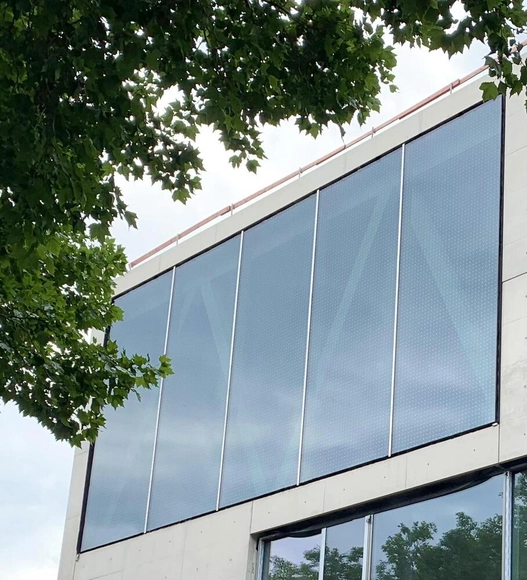
The Helios School / Schilling Architects. Image Courtesy of Eastman
Glass has become a central element in modern architecture with the introduction of new strategies for designing and experiencing buildings. Its transparency and material composition allow for natural light to enter, while creating seamless connections between interior and exterior spaces. However, the prevalence of this material has meant that every year, billions of birds collide into glass structures.
These collisions tend to occur during the migratory pathways of birds, as they fly through cities and are drawn to internal lights in buildings or misjudge outdoor reflections of trees and vegetation, causing a huge number of bird deaths and injuries. In response to this challenge, an increasing number of cities are now introducing legislation that requires new construction to feature bird-friendly glass. Without compromising on the aesthetic appeal of glass, Eastman has developed Saflex™ FlySafe™ 3D Polyvinyl Butyral (PVB) interlayers. This additional layer features a three-dimensional reflective pattern that is highly visible to the bird’s eye from the outside while remaining subtle to the human eye from the inside. Delving into the application of this solution within architectural design, we showcase how The Helios School adopted this strategy.
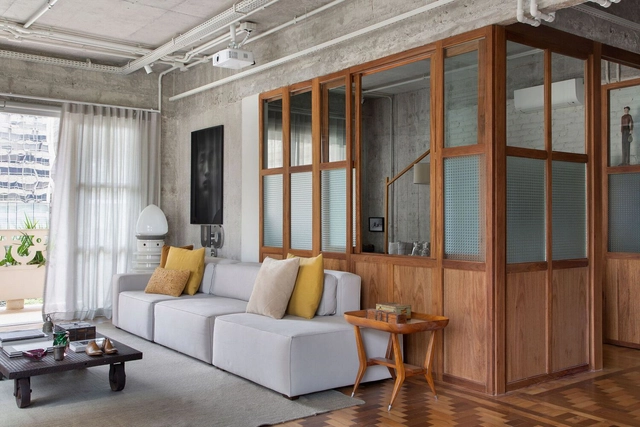
Today, we are increasingly aware of the environmental harm caused by building with concrete. One approach to using it more sustainably is to repurpose existing buildings, exposing their structural elements and integrating concrete into the surface. While concrete can sometimes give off an austere or overly cold vibe for a residential space, wood provides an alternative to soften this impression, transforming what might seem industrial into a warm and inviting home environment. By doing so, they can impart distinct qualities to the same space through the interplay of their textures and colors, evoking different sensations in occupants. There are various ways to explore the interaction between these materials, and we illustrate some of these possibilities through six Brazilian apartment examples.
Throughout the annals of architectural history, timber has been a fundamental element in the evolution of building design and construction. From the ancient timber-framed structures of Japan to the medieval European cathedrals, timber's structural prowess and aesthetic appeal have left an indelible mark on human civilization. It wasn't until the Industrial Revolution's advent that a significant shift towards alternative building materials such as steel and concrete occurred, relegating the material to a secondary role in construction. As contemporary architects grapple with the consequences of climate change, however, timber has staged a remarkable comeback, offering an eco-friendly and structurally robust alternative. Internationally renowned firms are centering their designs around timber's potential, embracing its rich history while simultaneously harnessing advanced technologies to create awe-inspiring, sustainable structures that represent a harmonious blend of historical wisdom and modern innovation.
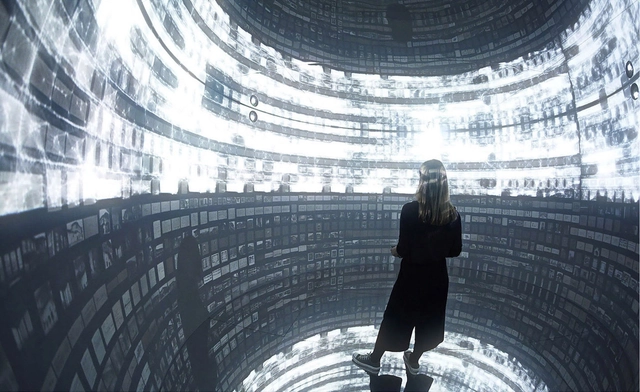
Illustrations from the Icon, where large structures provide a context for an overlapping of physical and virtual experiences. Image Courtesy of John Marx/ Form4 Architecture
This article is the fourth in a series focusing on the Architecture of the Metaverse. ArchDaily has collaborated with John Marx, AIA, the founding design principal and Chief Artistic Officer of Form4 Architecture, to bring you monthly articles that seek to define the Metaverse, convey the potential of this new realm as well as understand its constraints.
Of all the attributes that will define the Metaverse the single most important is that of experience. As we move more deeply into the Anthropocene Era humans seem to be shifting their interests from collecting things to collecting experiences. As the demand for experiences grows more intense and detailed, the need for content, and the clever and effective use of that content, will rise exponentially. From a more detailed perspective, the management and quality of those experiences will determine the initial success of the Metaverse. This is where the concept of a Responsive AI Concierge comes into play.