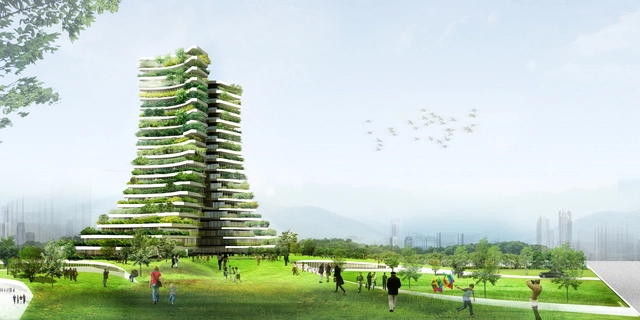
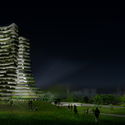
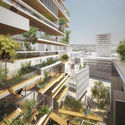
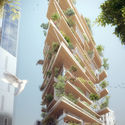
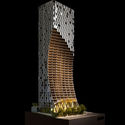
View of the southwest façade. Image Courtesy of Grupo Allard
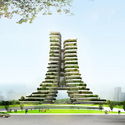
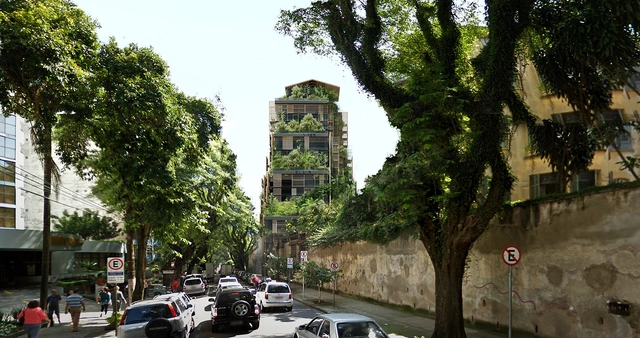
Jean Nouvel has unveiled the design of his latest project: a 22-story tower located near Avenida Paulista in São Paulo. The skyscraper, dubbed Rosewood Tower, is part of Cidade Matarazzo, a 27,000-square-meter site containing historic buildings that once made up the Filomena Matarazzo maternity hospital. A heritage-listed site, the Allard Group is restoring the buildings and creating a cultural center, of which Nouvel’s new tower will be a central component.
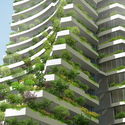
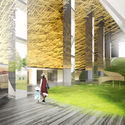
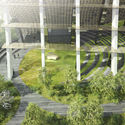
Set to contain a hotel as well as residential units, Nouvel’s tower is designed to be a vertical continuation of the local landscape. Thus, the nearly 100-meter-tall tower develops at different levels, forming terraces and large gardens with small and medium-sized trees.
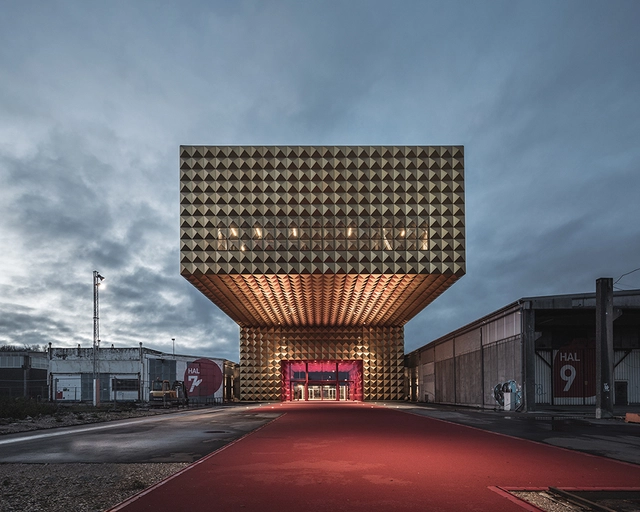
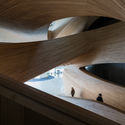
A new museum dedicated to rock, pop and youth culture will open today in the Danish city of Roskilde. Designed collaboratively by Dutch-based practice MVRDV and Copenhagen-based COBERagnarock, as it is to be known, has been described by its designers as "oozing rock’n’roll attitude, with its golden exterior and velvety red interior." The museum is part of ROCKmagneten, a masterplan for the site of a former concrete factory which COBE and MVRDV won together in 2011. The area has since been designated as a creative and cultural neighborhood and the museum, which is now at the heart of this transformation, is set to be open to the public all year round.
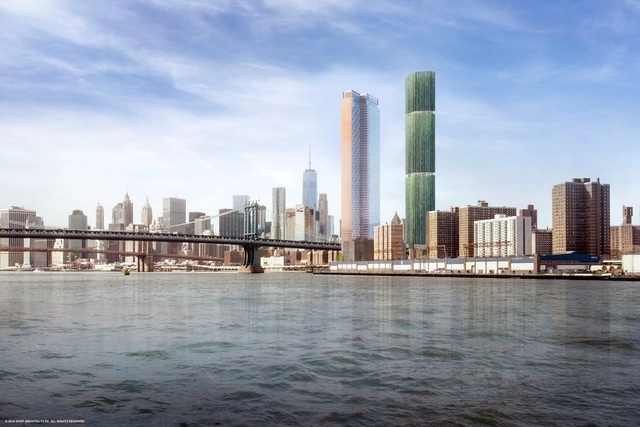
SHoP has unveiled the design for a new 900 foot tall skyscraper in Manhattan’s Lower East Side. The 77 story, 500,000 square foot, mixed-income tower will have 600 units, 150 of which will be permanently affordable and distributed evenly throughout the building. The project has been developed as a collaboration between SHoP and JDS who are co-owners of the development, with the partnership of two not-for-profit groups: Two Bridges Neighborhood Council (TBNC) and Settlement Housing Fund (SHF).
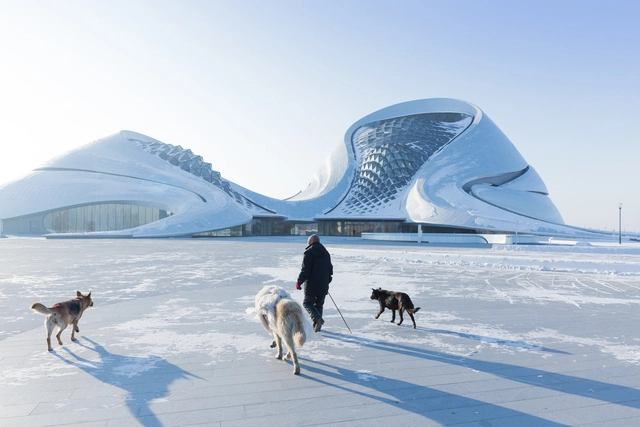
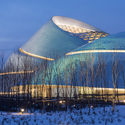
Iwan Baan has unveiled a new series of images depicting a snow-covered Harbin Opera House by MAD Architects and its surrounding landscapes. The northern Chinese city of Harbin is known for its brutal winters where temperatures can reach -22°F (-30°C). In the photographs, the Opera House's sinuous white aluminum cladding echoes the ice formed in the adjacent river. “Harbin is very cold for the most of the year,” says MAD principal and founder Ma Yansong. “I envisioned a building that would blend into the winter landscape as a white snow dune arising from the wetlands.”
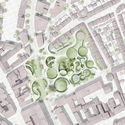
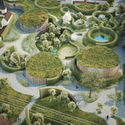
Kengo Kuma & Associates, in a team with Cornelius+Vöge and landscape architects MASU planning, have revealed plans for the Hans Christian Andersen Museum in Odense, Denmark. Channeling the otherworldliness of Andersen’s fairy tales, the 5,600 square meter building is two-thirds below grade, leaving ground level space for “enchanted” gardens of large trees, lawns, box hedges, and tall shrubs. The museum building is an ambling collection of cylindrical volumes, with glass and lattice timber facades beneath scooped green roofs, all surrounding a sunken courtyard space. The project will replace an existing museum that is largely focused on the author’s personal life with one that is more centered on his stories.
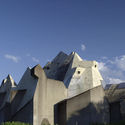
Concrete Loveis a film about the Böhm family. Shot at their residence in Cologne, Germany, and on location at their projects—both completed and under construction—around the world, the film's Swiss director, Maurizius Staerkle-Drux, spent two years in close quarters recording scenes and conversations that offer a profound insight into the world of Pritzker Prize-winning architect Gottfried Böhm, the late Elisabeth Böhm, and their three sons.
Read on to be in with a chance of winning a copy of the film.
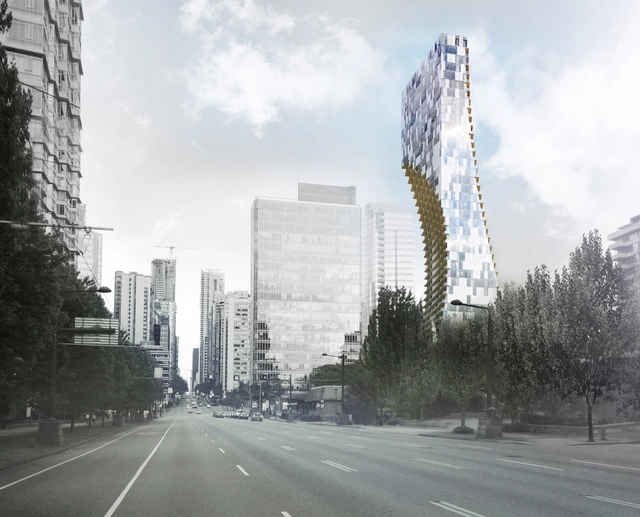
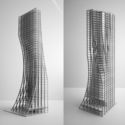
Kengo Kuma and Associates has revealed plans for the office’s first North American skyscraper, a mixed-use luxury tower on a site adjacent to Stanley Park in Vancouver. Known as ‘Alberni by Kuma,’ the 43-story tower combines 181 residences with retail space and a restaurant in a rectilinear volume accented by "scoops" on two sides. These curvatures are the building’s most important formal attribute, while a moss garden at the tower's base is its most important spatial feature. The project is being organized by Westbank and Peterson, and is part of a group of architecturally significant projects being developed by the pair in the west coast city.
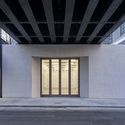
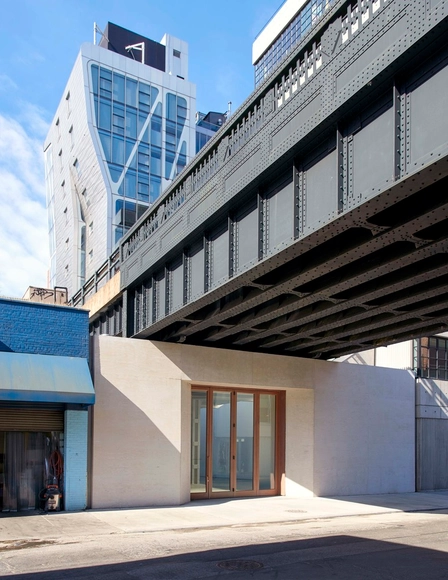
On May 3, Lisson Gallery New York will open beneath the High Line between 23rd and 24th Street. Designed by studioMDA and Studio Christian Wassmann, the 8,500 square foot space is split between a gallery, offices, viewing rooms, and storage. Although the main gallery is directly under the High Line – the steel columns in the photos are actually supports for the elevated railway – it will receive ample sun from dramatically angled skylights along the space’s edge, which also aid to extend the walls vertically. The gallery's polished concrete floors, white walls, and natural light are typical of today's contemporary art spaces, but also maintain the aesthetic of Lisson's other galleries. The public will access the space via 24th Street, while the 23rd Street entrance will be reserved for staff purposes and private functions.
“Libraries,” says Chiote, “Are houses of books. And newspapers. And magazines. And music. And movies. The entire world connected, where we are with ourselves and with others. They are our memories and our legacy. The reference of knowledge and leisure but also urbanity. Libraries are the house where we must always return.”
Now in its 20th year, the COTE Top Ten Awards program honors projects that protect and enhance the environment through an integrated approach to architecture, natural systems, and technology.
A recently released study, entitled Lessons from the Leading Edge, reports that design projects recognized through this program are “outpacing the industry by virtually every standard of performance.”
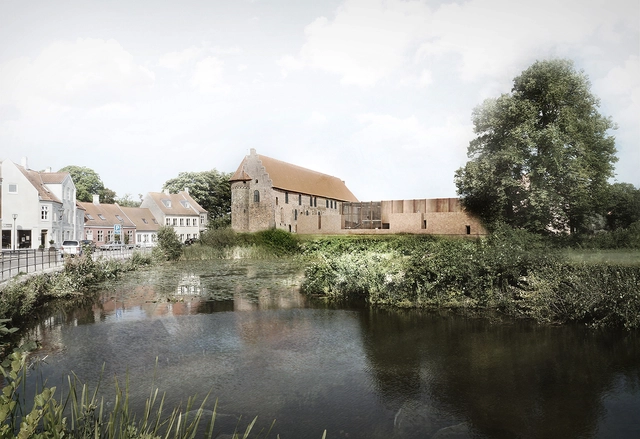
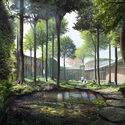
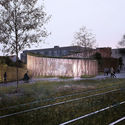
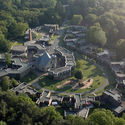
Cubo and jaja, together with VBM, Schul Landscape, Søren Jensen Engineers, and Professor Mogens Morgen of The Aarhus School of Architecture, have been selected to renew the medieval Nyborg Castle. The 15th century castle is located on the Danish island of Funen and is where Denmark’s first constitution was signed in 1282.
This edition of Section D, Monocle 24's weekly review of design, architecture and craft turns its editorial gaze back to their "own turf" to consider ways in which publications cover design and architecture, both in print and online. The episode asks whether "traditional magazines are as influential as they used to be," and whether or not "clicks and online-only articles can actually pay the bills?" In search of answers, Monocle's Henry-Rees Sheridan talks to ArchDaily's co-founder and Editor-in-Chief, David Basulto, along with European Editor-at-Large James Taylor-Foster, about the origins of the platform – and more.
https://www.archdaily.com/786281/monocle-24-asks-how-do-you-cover-architecture-and-design-archdaily-david-basulto-james-taylor-fosterAD Editorial Team
Vo Trong Nghia Architects (VTNA) has unveiled a proposal for a Green City Hall in Vietnam’s Bac Ninh City. Designed as a vertical park, the 36,000 square meter proposal is meant to serve as a new symbol for a traditionally agricultural, but rapidly industrializing area of Northern Vietnam. The VTNA proposal is part of a larger plan to develop a new urban area on the edge of the old city, and is designed to be a catalyst for future green developments in the area.
Zaha Hadid Architects (ZHA) has announced a new project in Moscow, winning a competition to design the Sberbank Technopark at the Skolkovo Innovation Centre. This is the firm’s first announcement of new work since the untimely death of Zaha Hadidlate last month. As the market leader of the Russian banking and economic circulatory system since 1841, Sberbank’s new 131,000 square meter facility will accommodate 10,000 to 12,000 workers in the sectors of marketing and information technology.
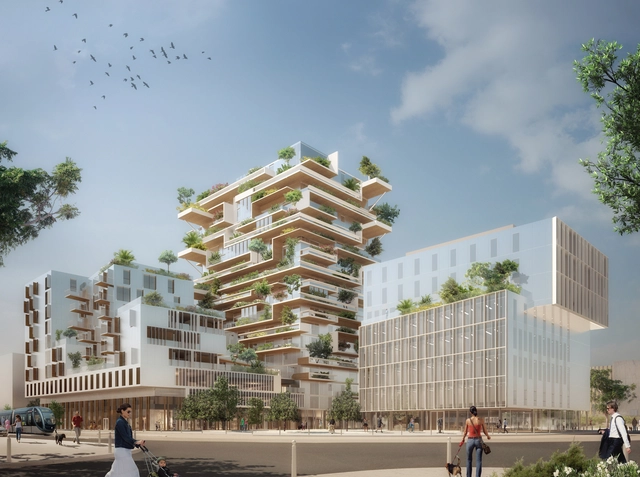
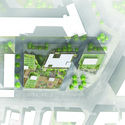
Jean-Paul Viguier et Associés, in partnership with Eiffage and Woodeum, have won the competition for a 57 meter timber tower in the Saint-Jean Belcier district of Bordeaux, France. A tower and two shorter buildings, the 17,000 square meter mixed-use project contains housing, offices, and retail space, and is part of a larger master plan intent on spurring development in the vicinity of the Bordeaux-Saint-Jean railway station. The project name “Hyperion” is a reference to the world’s tallest living tree (a Sequoia sempervirens in Northern California) and emphasizes the proposal’s vanguard use of timber materials.







.jpg?1461767999 "Lisson Gallery New York. Image Courtesy of studioMDA")
.jpg?1461767974 "Lisson Gallery New York. Image Courtesy of studioMDA")
.jpg?1461767826 "Courtesy of studioMDA")