

Produce personalized presentation boards that distill complex concepts into simple visual representations with a few helpful tools and effects.
Architecture News
How to Create Architectural Presentation Boards
| Sponsored Content
https://www.archdaily.comhttps://www.archdaily.com/catalog/us/products/37234/how-to-create-architectural-presentation-boards-lumion
New Images Released of Krumbach, Austria's Famous Bus Stops
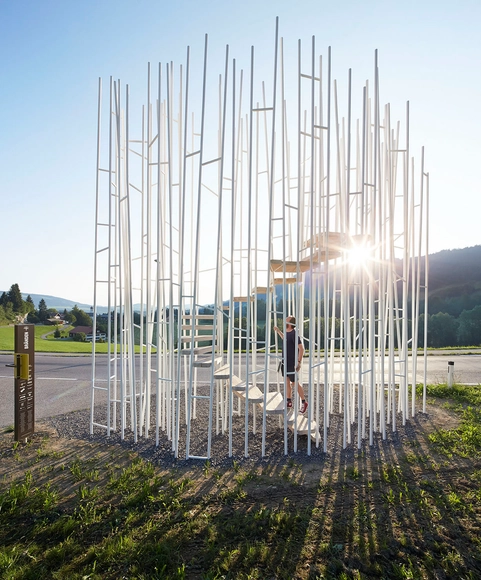
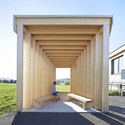
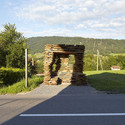
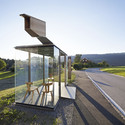
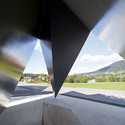
What happens when seven internationally acclaimed architects are invited to design sculptural bus stops for a tiny Austrian village of 1000 inhabitants? Collaborating with local architects and utilizing local materials to design the pavilions, Alexander Brodsky, Rintala Eggertsson, Ensamble Studio, Architecten de Vylder Vinck Taillieu, Smiljan Radic, Sou Fujimoto, and Wang Shu's Amateur Architecture Studio worked with Austria's Verein Kultur Krumbach to carry out the BUS:STOP project and usher in a unique new facet of culture to Krumbach. We brought you images of the design proposals earlier, and now we have photos of the incredible results: Hufton + Crow has just released a stunning new set of images showcasing the completed bus stops.
Hufton + Crow's brilliant photography captures the inimitable originality and sensational quality of the uniquely crafted pavilions embedded within the Austrian landscape. Immerse yourself in Krumbach and check out the latest images after the break.

https://www.archdaily.com/534182/new-images-released-of-krumbach-austria-s-famous-bus-stopsSadia Quddus
Damien Hirst Receives Planning Permission for "Hirst-on-Sea"
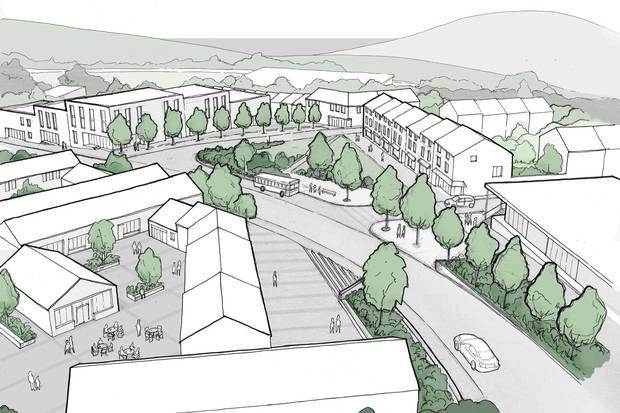
According to Will Doig of NextCity, world renowned contemporary artist Damien Hirst has received planning permission to build a town from scratch on the British coastline. Working alongside Rundell Associates the project, which has been dubbed "Hirst-on-Sea" near the town of Ilfracombe, will consist of 75 affordable homes built over the next ten to fifteen years. Most famous for his 2007 diamond-studded skull entitled For the Love of God and, more ubiquitously, glass cases containing sharks and cows preserved in formaldehyde, Doig wonders that, "given Hirst’s history, it’s hard to imagine he’s not trying to make some sort of statement." Time will tell as to what that might be.
https://www.archdaily.com/533731/damien-hirst-receives-planning-permission-for-hirst-on-seaJames Taylor-Foster
Mirrored Seafront Pavilion Among Seven Installations at Festival Des Architectures Vives
.jpg?1407116896&format=webp&width=640&height=580)
Each summer, the French cities of Montpellier and La Grande Motte host Le Festival Des Architectures Vives (Festival of Lively Architecture). These twin festivals seek to raise awareness about architecture among the public, and to give needed exposure to the work of up-and-coming designers. In the process, they also draw attention to previously unknown places in the two cities—in Montpellier, many of the private courtyards in the city are opened to the public specifically for the festival. In La Grande Motte, the exhibition weaves its way through the city center, a site designated as “Heritage of the 20th Century” due to the prevalence of works designed by architect Jean Balladur. This year’s festivals featured a total of 18 temporary installations. Read more about the festivals, and view photos, after the break.
.jpg?1407117096 "Marion Moustey and Alex Arcens Onde Sensuelle- La Grande Motte. Image © photoarchitecture, Courtesy of Paul Kozlowski")
.jpg?1407116881 "NAS Architecture's Breath Box- La Grande Motte. Image © photoarchitecture, Courtesy of Paul Kozlowski")
.jpg?1407117154 "Lea Corba and Nicolas Baudru's Sensualite Invisible- La Grande Motte. Image © photoarchitecture, Courtesy of Paul Kozlowski")
.jpg?1407117129 "Fakir's Sens Dessous Sen Dessous- La Grande Motte. Image © photoarchitecture, Courtesy of Paul Kozlowski")
.jpg?1407116896)
https://www.archdaily.com/533793/photos-from-this-year-s-festival-des-architectures-vivesConnor Walker
AD Interviews: Leong Leong, designers of US Pavilion at the 2014 Venice Biennale
We sat down with Leong Leong Architecture, designers of the US Pavilion at the 2014 Venice Biennale to discuss their concept for OfficeUS. Commissioned by Storefront for Art and Architecture, Leong Leong was tasked with designing a temporary and multi-functional space for architectural practice and exhibition. The minimal, airy US Pavilion features over 1000 projects designed by American architects abroad, set amongst a functional office space.
https://www.archdaily.com/534214/ad-interviews-leong-leong-designers-of-us-pavilion-at-the-2014-venice-biennaleFinn MacLeod
Hello Wood 2014 Invites Student Teams to 'Play With Balance'
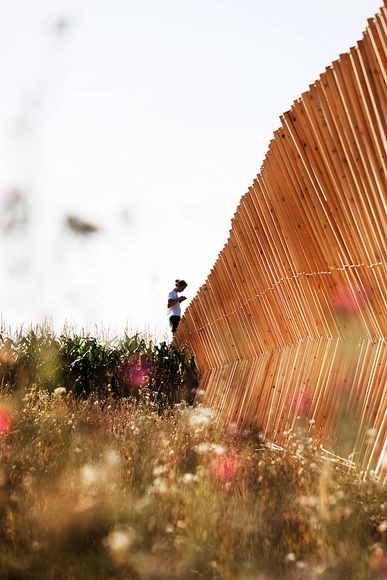
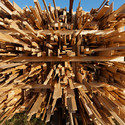
Set in the bucolic fields of Csórompuszta in the Hungarian countryside, the annual Hello Wood camp was recently back for its fifth year. Every year, students have one week to create wooden installations under the instruction of specially selected tutors, each of whom provide an outline idea of a project in response to a theme. This time around the challenge from the organizers was to "play with balance," which generated ideas that investigated the balance between opposing concepts - but also generated a whole lot of play, too. See all 14 of the weird and wonderful results after the break.
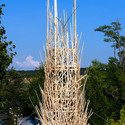
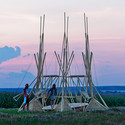
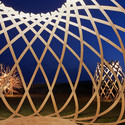
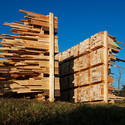


https://www.archdaily.com/534218/hello-wood-2014-invites-student-teams-to-play-with-balanceRory Stott
AIA Announces Winners of National Healthcare Design Awards
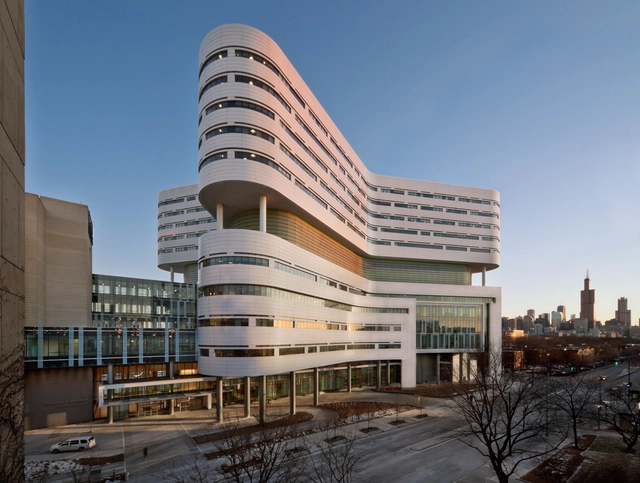
The AIA has announced 8 projects as winners of their annual National Healthcare Design Awards, rewarding the best in medical architecture from built projects to research excellence. The 8 projects were selected in four categories: built (less than $25 million); built (more than $25 million); Unbuilt; and Innovations in Planning and Design Research.
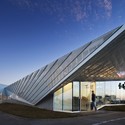
The awarded projects come from locations throughout the US, as well as one project constructed for Haiti. Read on after the break to see all the winners.



https://www.archdaily.com/533771/aia-announces-winners-of-national-healthcare-design-awardsRory Stott
WAF Unveils 2014 Festival Program
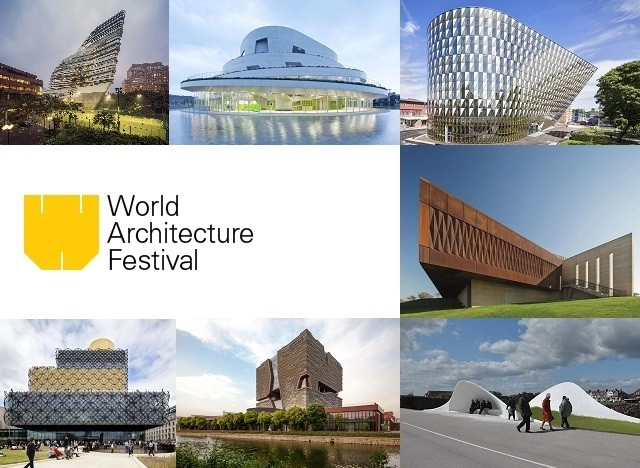
With the World Architecture Festival (WAF) just around the corner, the festival's full program has been unveiled, featuring three days of fascinating talks, an impressive list of key-note speakers and networking opportunities.
"Architects and the City" is the overarching theme for this year’s main conference sessions, and the talks will focus on the contributions architects can make to cities and how they affect – and are affected by – politics, infrastructure, planning communities and technology. Conference talks include “Greening the urban landscape: strategies for environmental urbanism,” “Question time- is ‘iconic’ architecture out of control?" and “Connecting the city; regenerating communities.”
The festival also features an impressive line-up of key note speakers, including Rocco Yim of Rocco Design Associates who will speak on his involvement in the West Kowloon Cultural District, the largest arts and cultural project in Hong Kong to date, and Richard Rogers who will speak candidly about his life as one of the most influential global figures in architecture and his future agenda. Moshe Safdie will close the Festival, looking back over his extensive career to talk exclusively about the defining moments that shaped its path.
More WAF program highlights after the break...
https://www.archdaily.com/533830/waf-unveils-2014-festival-programKatie Watkins
Top 300 US Architecture Firms

Architectural Record has released its annual list of the “Top 300 Architecture Firms” in the United States, based on architectural revenue from 2013. Gensler was the number one firm earning $883 million, with recent projects including Terminal 2 of Korea’s Incheon International Airport and the Shanghai Tower, which is set to be the world’s second tallest skyscraper. CH2M Hill and AECOM Technology Corp came in second and third, respectively, switching places from the previous year.
See the top 50 firms after the break...
https://www.archdaily.com/533836/top-300-us-architecture-firmsKatie Watkins
World Photo Day: Fran Parente by Fernando Forte of FGMF
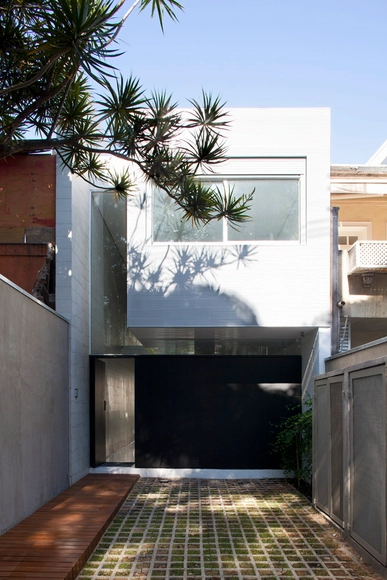
In honor of World Photo Day (August 19th) ArchDaily wanted to thank the photographers who bring to life the projects that we publish every day. So we asked architects to weigh in on the work of some of our most-appreciated architecture photographers. Here, Fernando Forte of FGMF writes on behalf of Fran Parente.



https://www.archdaily.com/539143/world-photo-day-fran-parente-by-fernando-forte-of-fgmfAD Editorial Team
Users Create the Color in this Super-Sized Kaleidoscope
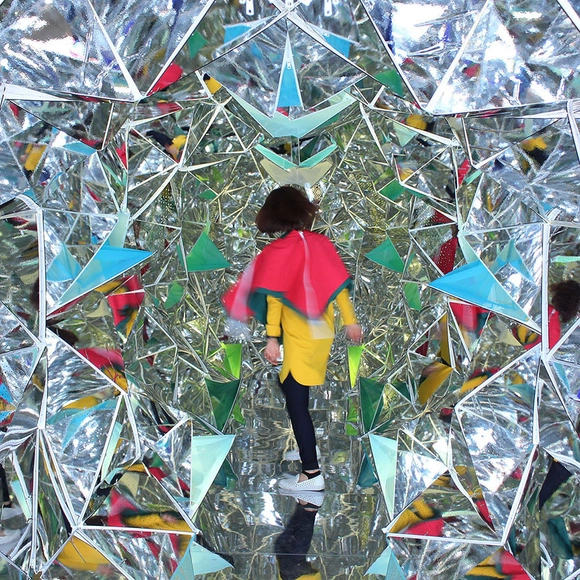
2013 KOBE Biennale visitors had the opportunity to experience the magic of a kaleidoscope in a whole new way thanks to Saya Miyazaki and Masakazu Shiranes' award-winning installation. The psychedelic polyhedral installation was designed for the Art Container Contest, which challenged participants to create interesting environments within the confines of a single shipping container. As visitors meandered through the installation, they became active participants – rather than passive observers – in the kaleidoscope's constantly changing appearance. For more images and information, continue after the break.


https://www.archdaily.com/533654/users-create-the-color-in-this-super-sized-kaleidoscopeJennifer Whelan
How Do Mysterious "Memory" Materials Work?
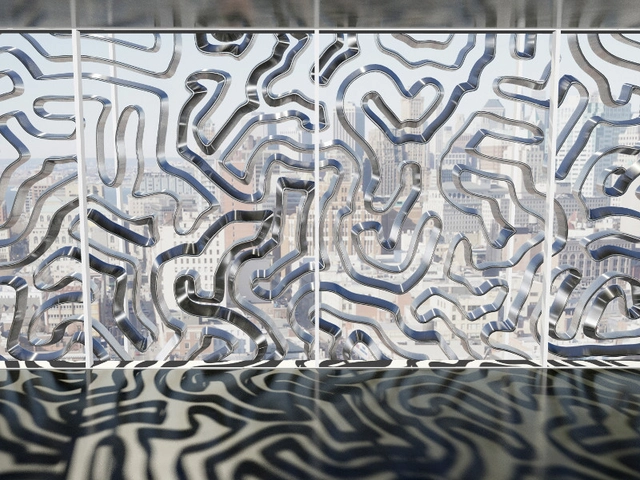
Imagine a material that shifts and moves according to the temperature of the outside air - like a flower opening up for sunlight and closing its petals at night. New high-tech smart materials have allowed this idea to thrive and the possibilities are endless. Originally posted on Design Curial, the designer and smart material guru Chris Leferti answers a few questions behind these mysterious materials.
There are many materials that are defining the future: renewable resources, completely new materials such as graphene, but one of the biggest and most fascinating groups -- that continues to grow -- is smart materials.
Find out more about these amazing materials after the break
https://www.archdaily.com/533679/how-do-mysterious-memory-materials-workChris Lefteri
3 of The New Yorker's Best Architecture Reads
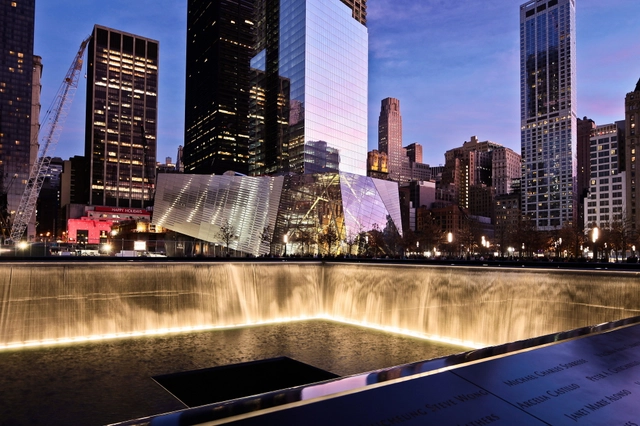
If you like magazines, then you'll love this: the New Yorker, celebrating their recent redesign, have made their archive free for a limited period only. And, making up for their hiatus as they wait for a redesign of their own, Places Journal has gone to the effort of rounding up the best architecture reads from the last few years. Here are our top three:
https://www.archdaily.com/533690/3-of-the-new-yorker-s-best-architecture-readsRory Stott
World Photo Day: Roland Halbe by Thom Mayne
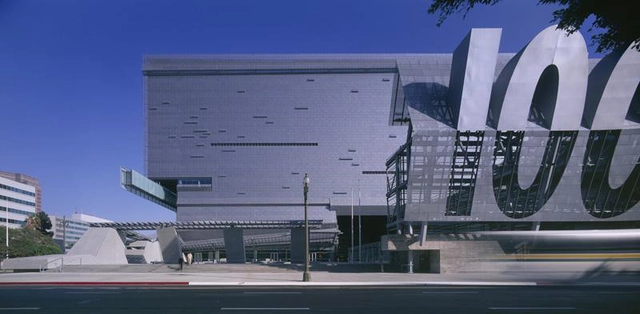
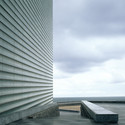
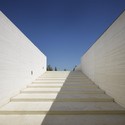
In honor of World Photo Day (August 19th) ArchDaily wanted to thank the photographers who bring to life the projects that we publish every day. So we asked 15 architects to weigh in on the work of some of our most-appreciated architecture photographers. Here, Thom Mayne writes on behalf of Roland Halbe.

https://www.archdaily.com/538765/world-photo-day-roland-halbe-by-thom-mayneAD Editorial Team
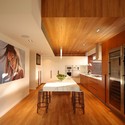
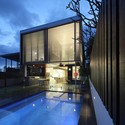
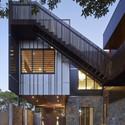
World Photo Day: Scott Burrows by Shaun Lockyer
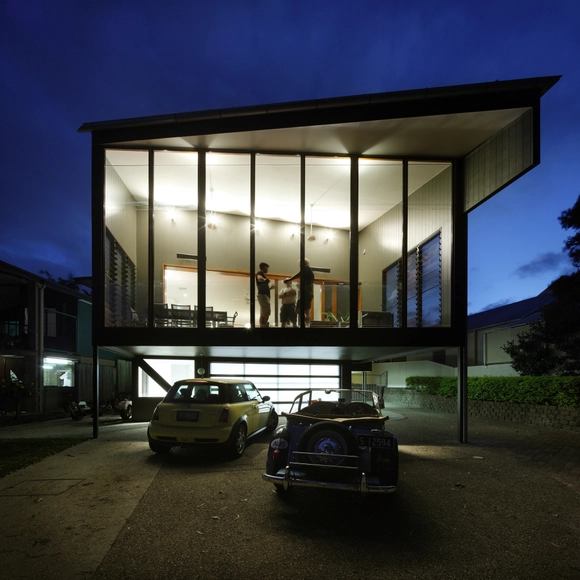
In honor of World Photo Day (August 19th) ArchDaily wanted to thank the photographers who bring to life the projects that we publish every day. So we asked architects to weigh in on the work of some of our most-appreciated architecture photographers. Here, Shaun Lockyer writes on behalf of Scott Burrows.


https://www.archdaily.com/538777/world-photo-day-scott-burrows-by-shaun-lockyerAD Editorial Team
World Photo Day: ESTO by Weiss/Manfredi
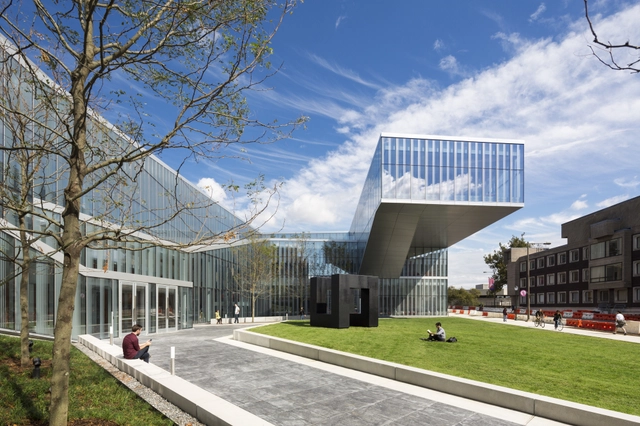
In honor of World Photo Day (August 19th) ArchDaily wanted to thank the photographers who bring to life the projects that we publish every day. So we asked architects to weigh in on the work of some of our most-appreciated architecture photographers. Here, Weiss/Manfredi writes on behalf of ESTO.



https://www.archdaily.com/539106/world-photo-day-esto-by-weiss-manfrediAD Editorial Team
World Photo Day: Miguel de Guzmán by Carlos Arroyo
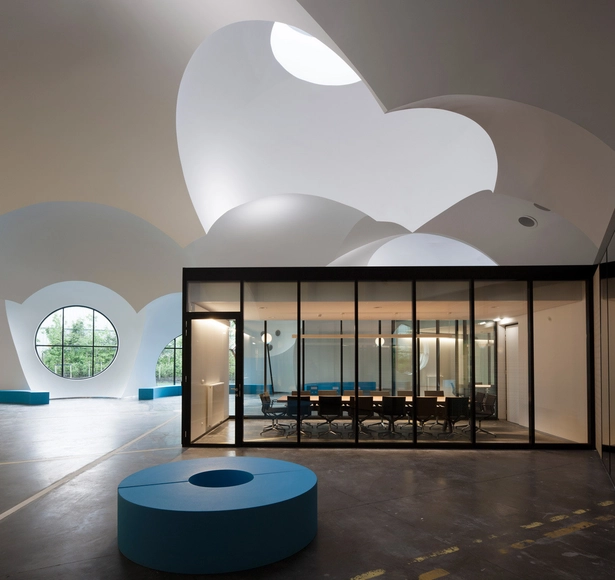
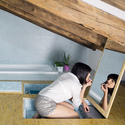
In honor of World Photo Day (August 19th) ArchDaily wanted to thank the photographers who bring to life the projects that we publish every day. So we asked architects to weigh in on the work of some of our most-appreciated architecture photographers. Here, Carlos Arroyo writes on behalf of Miguel de Guzmán.


https://www.archdaily.com/539124/world-photo-day-miguel-de-guzman-by-carlos-arroyoAD Editorial Team
World Photo Day: Fernando Guerra by Marcio Kogan
.jpg?1408403551&format=webp&width=640&height=580)
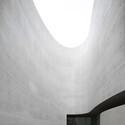
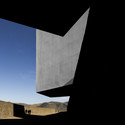
The architect and architectural photographer Fernanado Guerra the studio FG+SG with his brother Sérgio Guerra in Portugal co-founded 15 years ago. Nowadays they are responsible for most of the dissemination of Portuguese contemporary architecture.
Fernando's remarkable work is honored in our celebration of the World Photo Day through the words of renowed brazilian architect Marcio Kogan, from studiomk27.


.jpg?1408403551)
https://www.archdaily.com/539099/world-photo-day-fernando-guerra-by-marcio-koganJoanna Helm
Infrastructure, Data and Progress: Ireland's Pavilion at the 2014 Venice Biennale

The Irish pavilion's response to the theme of the 2014 Venice Biennale captures the tumultuous history of the Ireland's past hundred years through ten infrastructural projects which highlight the country's progress. Ireland's relationship to the theme of "Absorbing Modernity" was colored by their independence from the United Kingdom in the early 1920s, with modernism and infrastructure seen as the way to leave this past behind. The pavilion examines the outcomes of this approach, with Ireland treated as "a launch-pad and testing ground" for everything from concrete infrastructure to data centers. Read the curators' take on their pavilion after the break.
https://www.archdaily.com/533619/infrastructure-data-and-progress-ireland-s-pavilion-at-the-2014-venice-biennaleNico Saieh
"Lina Bo Bardi: Together" at the DAZ Berlin
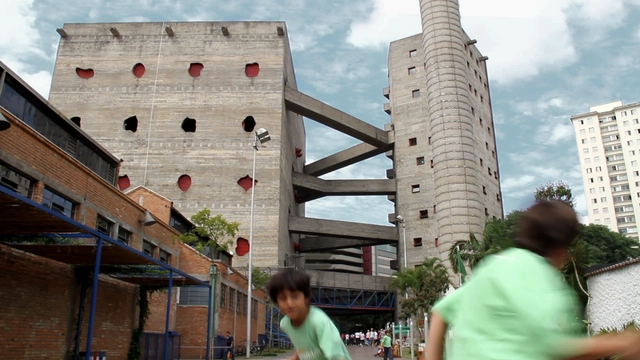
If you are in Berlin in August, make sure to check out the exhibition “Lina Bo Bardi: Together” at The Deutsche Architecture Zentrum, dedicated to the legacy of the famed Italian-born Brazilian architect, and focusing on her “capacity to engage with every facet of culture and to see the potential in all manner of people.” More on the exhibition after the break.
https://www.archdaily.com/533301/lina-bo-bardi-together-at-the-daz-berlinGili Merin
World Photo Day: José Hevia by Iñaki Ábalos
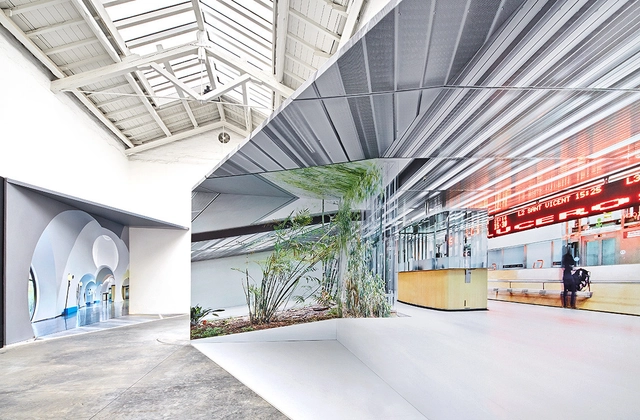
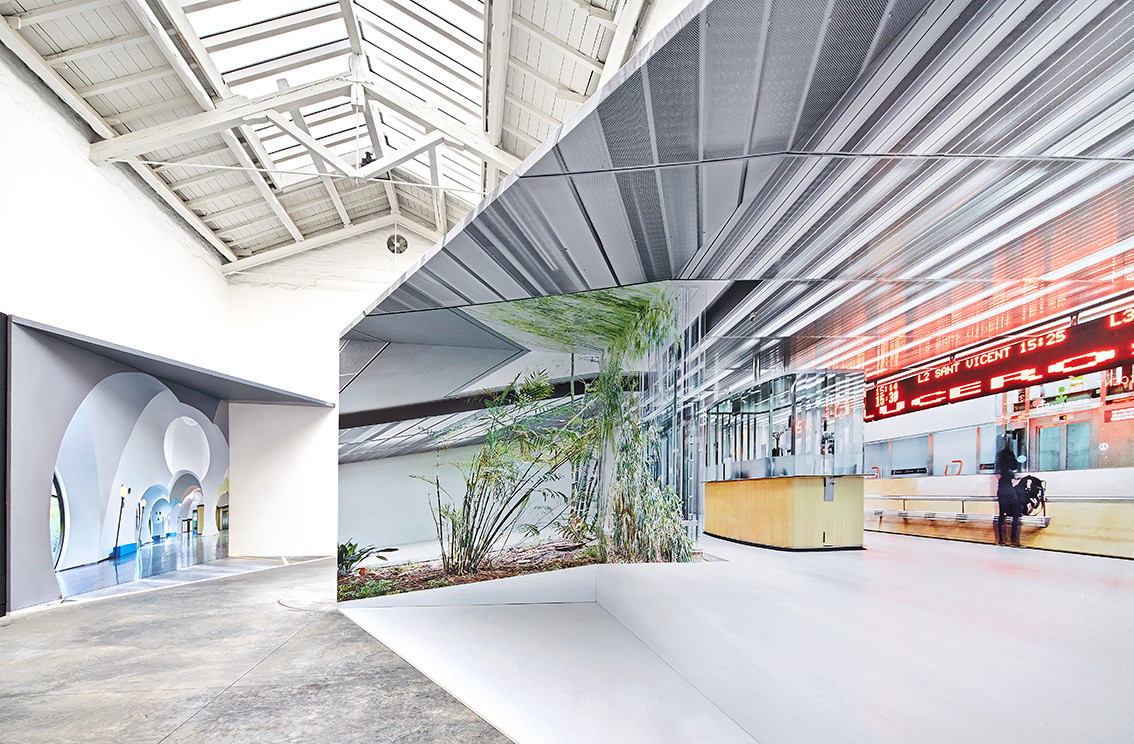
In honor of World Photo Day (August 19th) ArchDaily wanted to thank the photographers who bring to life the projects that we publish every day. So we asked architects to weigh in on the work of some of our most-appreciated architecture photographers. Here, Iñaki Ábalos writes on behalf of José Hevia.

https://www.archdaily.com/538747/world-photo-day-jose-hevia-by-inaki-abalosAD Editorial Team
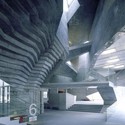
World Photo Day: Taisuke Ogawa by Chiaki Arai
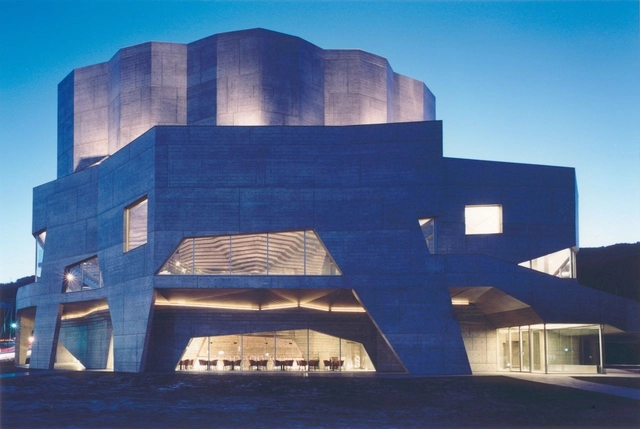
In honor of World Photo Day (August 19th) ArchDaily wanted to thank the photographers who bring to life the projects that we publish every day. So we asked architects to weigh in on the work of some of our most-appreciated architecture photographers. Here, Chiaki Arai writes on behalf of Taisuke Ogawa.
.jpg?1408411122 "© Taisuke Ogawa")

https://www.archdaily.com/538759/world-photo-day-taisuke-ogawa-by-chiaki-araiAD Editorial Team
Milan Expo 2015: Barn-Inspired Design Unveiled for US Pavilion
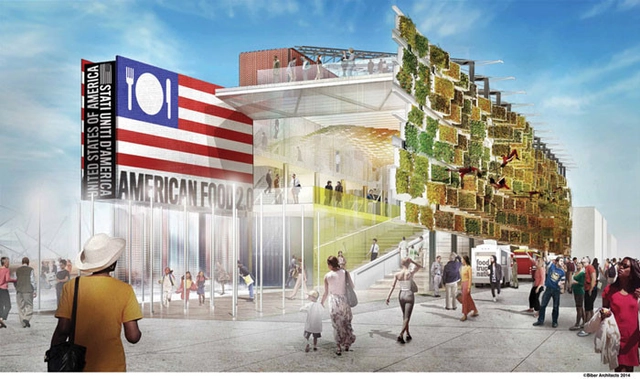
New York-based firm Biber Architects has unveiled its design for the US pavilion - "American Food 2.0: United to Feed the Planet" - at the Milan Expo 2015. An airy, barn-inspired structure, the design represents the pavilion’s food-centric theme, focusing on a farm-to-table food model and sustainable production.
https://www.archdaily.com/533296/milan-expo-2015-barn-inspired-design-unveiled-for-us-pavilionKatie Watkins
Under the Skin: Exploring BIG Through the Danish Maritime Museum
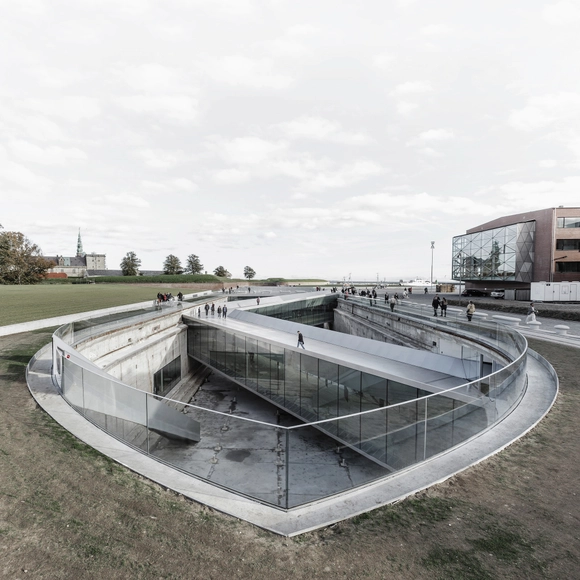
With a voluminous portfolio and a bold, light-hearted persona, Bjarke Ingels is among the most respected young architects of the era. Now, as he enters his forties, this article from Icon looks at one of his longest-running projects: The Danish National Maritime Museum. Exploring the development of this project from competition winning proposal in 2006 to completion last year, it discusses some of BIG’s more daring decisions for the museum’s design, as well as Ingels’ development as an architect on the international stage.
https://www.archdaily.com/533605/under-the-skin-exploring-big-through-the-danish-maritime-museumConnor Walker
Astudio Complete Youth Space in East London
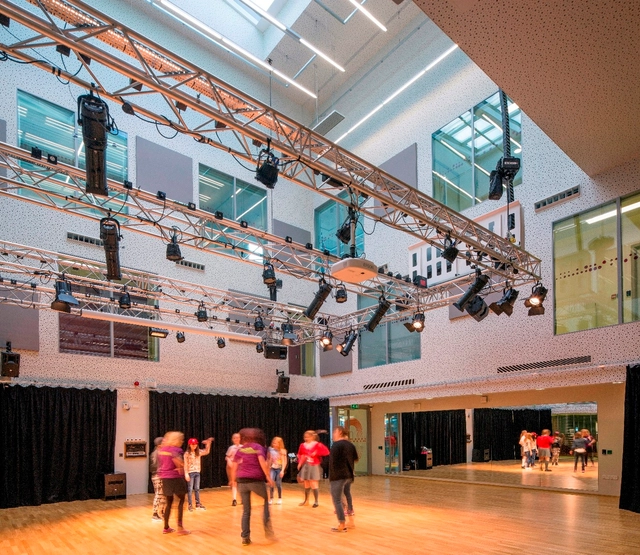
British practice Astudio have recently completed a large youth space in Poplar, East London, featuring a gym, recording studios and performance hall alongside multiple social and learning spaces. Designed with the input from other 1600 young people and stakeholders, the four year project has been part of a wider initiative to address the inadequate provision of existing youth facilities in the London borough of Tower Hamlets. As the team's second youth space completed in the last year, Spotlight has recently been shortlisted for a World Architecture Festival Award.
https://www.archdaily.com/533555/astudio-complete-youth-space-in-east-londonJames Taylor-Foster
Oops! We don't have this page.
But you can browse the last one: 417


