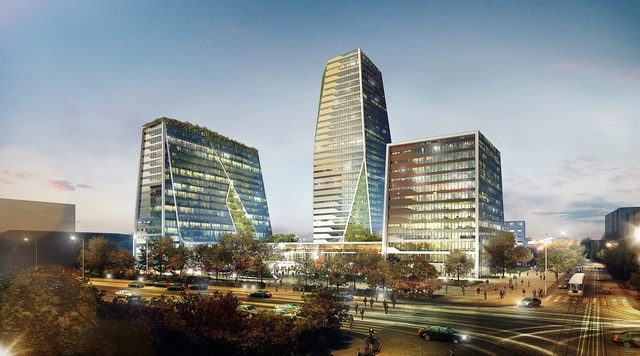
Five notable projects have been selected as finalists for the 2016 International Highrise Award (IHA). One of the world’s most important architectural prizes for highrises, the award is given to projects that exemplify the criteria of future-oriented design, functionality, innovative building technology, integration into urban development schemes, sustainability, and cost-effectiveness.
Led by 2014 IHA winner Stefano Boeri, the competition’s world-class jury noted the significant trend in high-rise development away from office buildings and towards residential towers, as well as the geographic dichotomy of the finalists.
“Asia versus America is an interesting conclusion at this point – they are the defining forces on the map,” commented jury member Ole Scheeren. “In Asia you can see the impact of the tropical, climatic and environmental consequences are very well translated into new types of residential high-rises. In New York the finalists all show some way of power-statement.”
See the 5 finalists with comments from the jury, after the break.
One of Europe’s most prestigious architecture awards, The European Prize for Architecture is given annually to architects who have ‘blazoned a new path and direction for an architecture that is deeply humane and committed to forward the principles of European humanism’.
In this TED Talk, co-founder of MASS Design Group, Michael Murphy, presents the question “what more can architecture do?” as the springboard philosophy behind the practice. Following a trajectory of MASS’s projects, Murphy reflects upon their practice’s progress in seeing architecture as an opportunity to invest in the future of communities.
Self-proclaimed “Instagram purist” Olivier Martel Savoie (@une_olive) has created #olive_libraries, a series of Instagram photographs portraying libraries around the world, using only the camera on his iPhone. Over the past two years, Savoie has traveled from his home city of Montréal, to Berlin, Amsterdam, Budapest, Rome, Riga, Paris, Moscow, and several other cities photographing the stunning architecture of libraries. Encountering language barriers and even intense security, Savoie’s dedication to taking the perfect photo has resulted in a stunning collection of images.
Experience the beauty of libraries around the world, after the break.
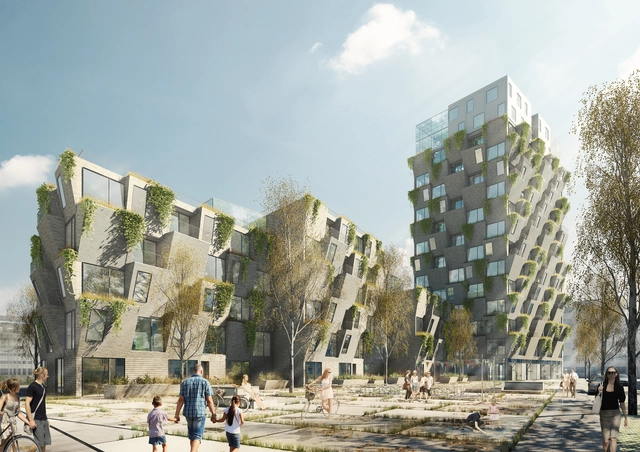
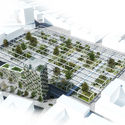
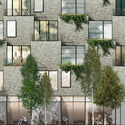
Denmark-based Studio LOKAL has won the competition for the design of a residential tower in Copenhagen, with The Hanging Gardens, its proposal for a merger of the historic brick buildings of Carlsberg with the concept of a personal garden for each resident.
Located on the site of a former vegetable market, the proposal aims to return to these homegrown roots by encouraging residents to grow their own produce in one of the tower’s gardens. Furthermore, the ground floor of the building will house a farmers market where residents can trade their own produce.
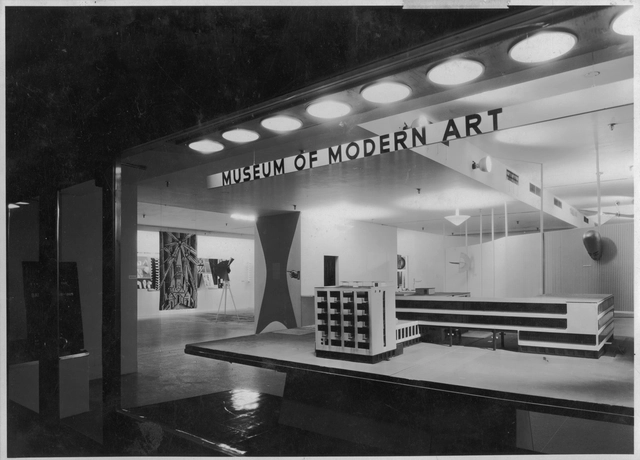
The Museum of Modern Art in New York (MoMA) has released an online archive of over 3,500 of the museum’s past exhibitions from its founding in 1929 to today. Free and available to the public, the database contains photographs, press releases, checklists, catalogues and lists of featured artists.
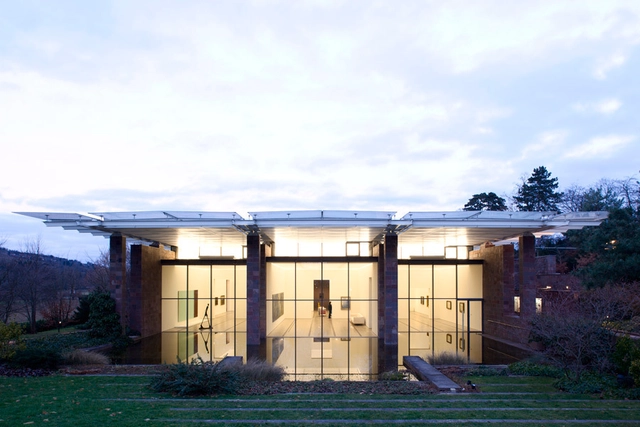
The office of Peter Zumthor has been selected to design an expansion to the Beyeler Foundation, located just outside Zumthor’s childhood home of Basel, Switzerland. The Swiss architect was chosen from a prestigious shortlist of 11 firms to add to the existing museum building, designed by Renzo Piano Building Workshop and completed in 1997.
“The sky above Basel, the city and its surroundings–those are the landscapes of my youth,” said Zumthor. “It is heart-warming to be able to design a major building here.”
Videos
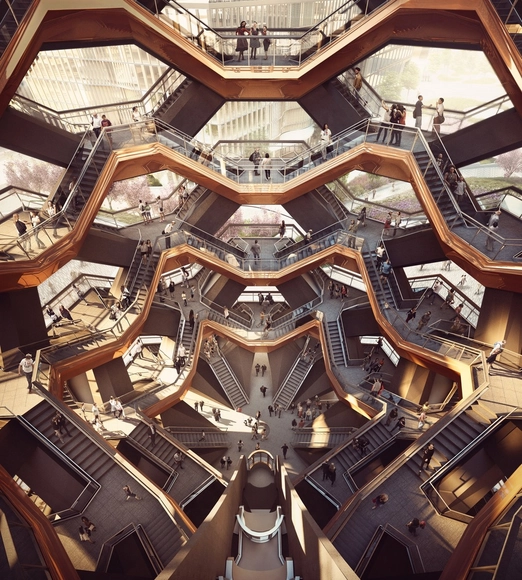
Interior View of the Vessel. Image Courtesy of Forbes Massie-Heatherwick Studio
UPDATE: We've added a video of Thomas Heatherwick explaining the design of "Vessel," after the break!
Thomas Heatherwick is bringing a new public monument to New York City. Today, Heatherwick Studio revealed the first renderings of “Vessel,” a 15-story tall occupiable sculpture comprised of 154 intricately interconnecting flights of stairs that will serve as the centerpiece of the new Hudson Yards development in west Manhattan.
Similarly to how he prefers to practice architecture, Bjarke Ingels likes speaking in big, bold assertions. In his recent profile for WIRED UK, the Danish architect makes quite a few of those assertions, among them the belief that architecture could learn a thing or two from the imaginative world of architecture-based video games such as Minecraft.
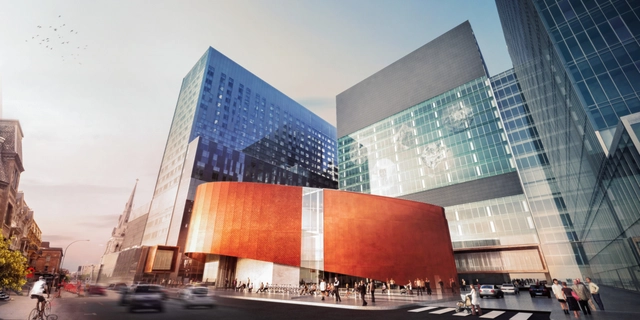
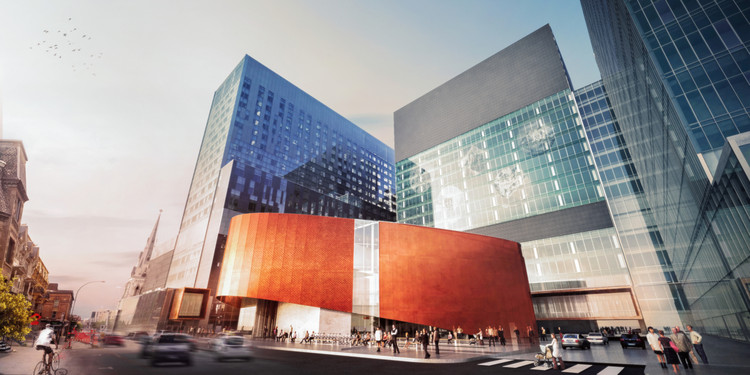
CannonDesign and NEUF architect(e)s have unveiled the design for the Centre Hospitalier de l’Université de Montréal (CHUM), the largest healthcare construction project in North America and one of the largest current healthcare projects in the world, which has been in the works for almost a decade.
Spanning over 3 million square feet, the 22-story complex will merge three aging hospitals into one, creating a space with 772 single-bed patient rooms, 39 operating theaters, and more than 400 clinics and examination rooms.
“Belonging,” the curatorial quintet of the 2016 Oslo Architecture Triennale, After Belonging, argue, “is no longer something bound to one’s own space of residence, or to the territory of a nation.” For this group of Spanish-born architects, academics and theorists—Lluís Alexandre Casanovas Blanco, Ignacio Galán, Carlos Minguez Carrasco, Alejandra Navarrese Llopis and Marina Otero Verzier—the very notion of our belongings and what it means to belong is becoming increasingly unstable.
After Belonging is the sixth incarnation of the Triennale and the first one in which a single curatorial thread has woven all of the festival’s activities together, including the international conference. The goal of the two primary exhibitions—On Residence and In Residence, including a series of Intervention Strategies—is to develop platforms with the aim of “rehearsing research strategies,” providing new ways for architects to engage with “contemporary changing realities."
https://www.archdaily.com/795067/atelier-bow-wow-oma-amale-andraos-live-from-the-2016-oslo-architecture-triennale-after-belongingAD Editorial Team
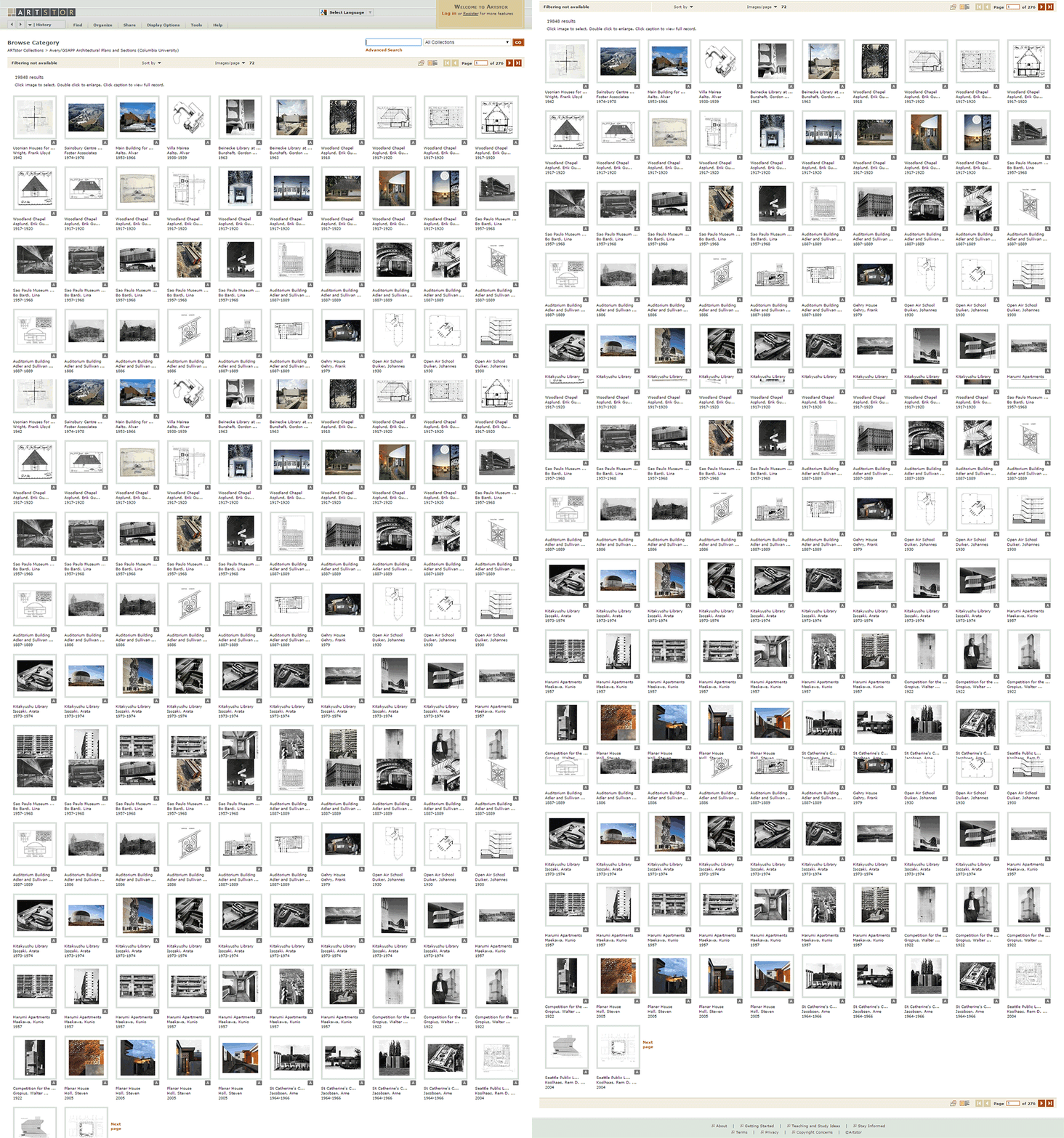
The Visual Resources Collection (VRC) at the Columbia University Graduate School of Architecture, Planning and Preservation (GSAPP) has released the second phase of their online database, now containing 20,000 images of architectural plans, sections, diagrams and photographs. The Avery/GSAPP Architectural Plans & Sections Collection contains images related to GSAPP’s history of modern architecture curriculum, which focuses on the history of modern buildings, with an emphasis of 20th century Modernism.
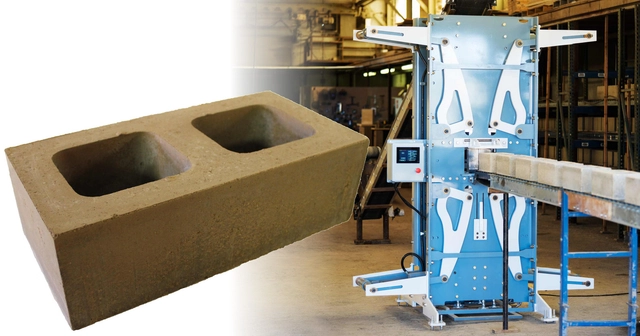
Excavation is usually a bane for real estate developers. To make way for new buildings, truckloads of excavated waste are removed from site in a noisy, time-consuming and gas-guzzling process. Exploring a more sustainable solution, the California-based company Watershed Materials have developed an onsite pop-up plant which repurposes excavated material right at the job site to create concrete masonry units (CMUs) used in the development. By eliminating truck traffic, reusing waste and reducing imported materials, the result is a win for the environment.
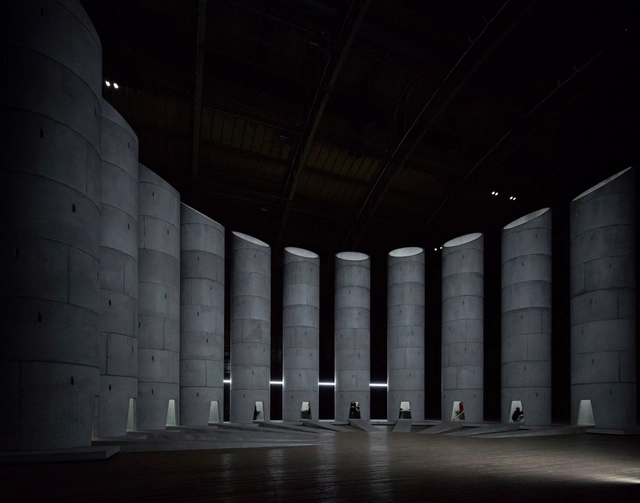
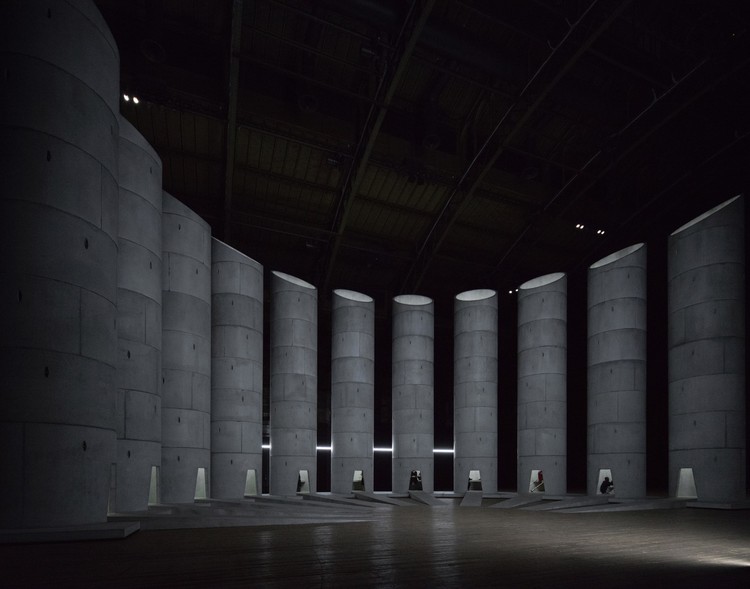
Artist Taryn Simon in collaboration with OMA/Shohei Shigematsu has designed An Occupation of Loss, a major new performance work choreographed around an OMA-designed monumental sculptural setting consisting of 11 concrete wells. Located at Park Avenue Armory’s Wade Thompson Drill Hall, and co-commissioned by the Armory and Artangel, London, the performance piece focuses on “the anatomy of grief and the intricate systems that we devise to contend with the irrationality of the universe.”
In line with their playful spirit, BIG has teamed up with programmers Ruby Studio to release an alternate version of their icon-filled homepage that allows visitors to play a version of the classic arcade game Arkanoid.
Videos
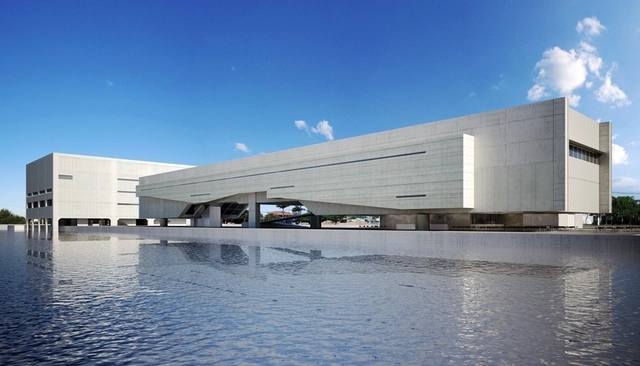
Cais das Artes / Paulo Mendes da Rocha & METRO. Image Courtesy of Paulo Mendes da Rocha
The Japan Art Association (JAA) has named Brazilian architect Paulo Mendes da Rocha as the winner of the 2016 Praemium Imperiale International Arts Award. Often credited as a founder of the Brutalist movement in São Paulo, 2006 Pritzker Prize Winner Mendes da Rocha was praised by the jury for his commitment to honoring “locality, history and landscape” in his projects and his ability to utilize “simple materials like concrete and steel to structure space to maximum effect.”
On the 15th anniversary of 9/11 yesterday, the skylights at Santiago Calatrava’s Oculus at the World Trade Center opened for the first time, allowing light to fill the massive space as a memorial to the attacks on the twin towers. Following the masterplan laid out by Daniel Libeskind, Calatrava’s design used the angle of light as a guiding principle for orienting the transportation hub – so that at precisely 10:28 am each September 11th (the time of the collapse of the North Tower), a beam of light would pass through the opening in the roof and project all the way down the center of the Oculus floor.
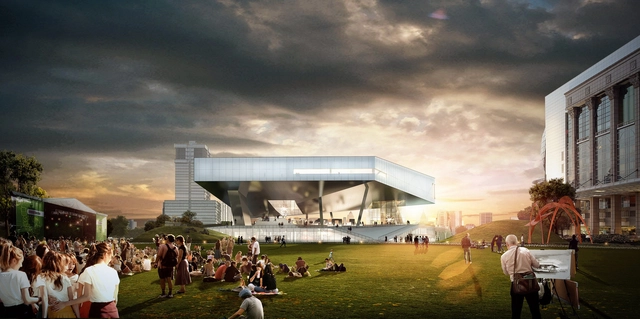
Recently, Shanghai organized an international competition for the new Art Museum of Pudong. The site of the project is located at a prominent spot on the tip of Pudong’s Lujiazui CBD area directly below the Oriental Pearl Tower. Looking across Huangpu River from the Bund, the iconic skyline of Lujiazui has been such a symbolic image of modern Shanghai that any addition or alteration to this image is extremely sensitive. So the site has been deliberately left vacant for years, awaiting a significant cultural institute and meaningful contribution to the urban life at the megapolis.
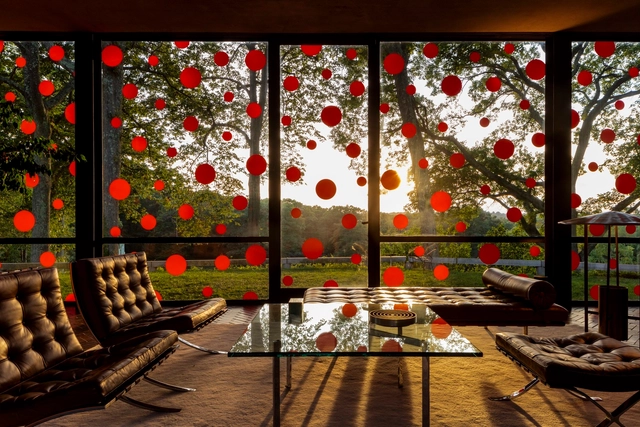
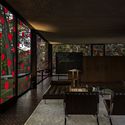
Artist and writer Yayoi Kusama has created an installation for the Glass House that will be on display in celebration of the 110th anniversary of Philip Johnson’s birth, as well as the 10th anniversary of the opening of the Glass House site to the public.
From September 1 through 26, Dots Obsession – Alive, Seeking for Eternal Hope will be on display, with the Glass House itself covered with polka dots. “Visitors who attend the exhibition during this time will be offered the unique experience to simultaneously see the world through the eyes of both Philip Johnson and Yayoi Kusama.”
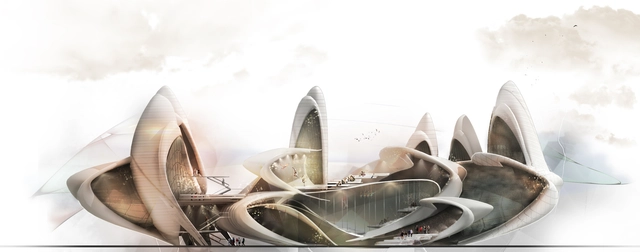
The winning proposal, entitled Elytra, is an “eye-catching, cutting-edge, [and] unconventional” design that will tower over Moscow’s Tverskoy District, an area which features a burgeoning artistic scene.
Inspired by the forewings of insects—called elytra—the project opens upwards as a protective shell, and will feature both public and private space.
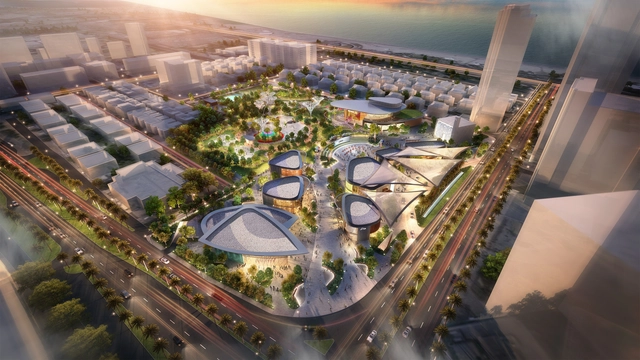
Benoy’sUAE studios best known for their work in the MENA region have released the plans for Abu Dhabi’s upcoming Sheikha Fatima Bint Mubarak Park. In a redefinition of the former Khalidya Ladies Park, the renovation—as a portion of the AED94 million renovation—was commissioned by The Department of Municipal Affairs and Transport at Abu Dhabi City Municipality to “fuel discovery and support the core tenets of the Abu Dhabi Vision 2030.”
The open-air project centers on the concepts of sustainability, economic diversification and growth, improved social and community facilities, the promotion of Arab and Emirati culture, and a focus on contemporary living.
This article is part of our new series "Material Focus", which asks the architects to reflect on the thought process behind their choice of materials and illuminates the steps needed for constructing buildings.
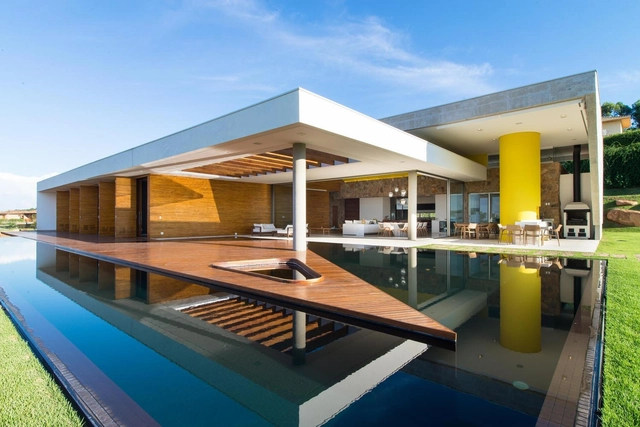
The RPII Residence was designed by Gustavo Arbex Architects. The almost 1000m2 project was built in Sao Paulo. We spoke with the architect Gustavo Arbex to learn more about the choices of materials and the challenges of the project.
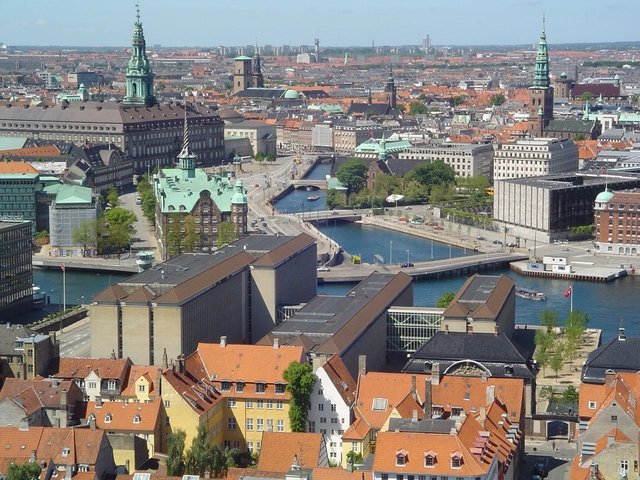
Metropolis Magazine has released their 2016 rankings of the world's most "livable" cities. Acknowledging that what makes a city "livable" can often be subjective, the team at Metropolis emphasizes that in creating the list they "focused on the concerns at Metropolis’ core—housing, transportation, sustainability, and culture." The result of this research was last year's top prize-winner Toronto dropping to the number 9 spot and Copenhagen, which last year took the number 4 spot, jumping to the top. Rounding out the top three are Berlin and Helsinki.
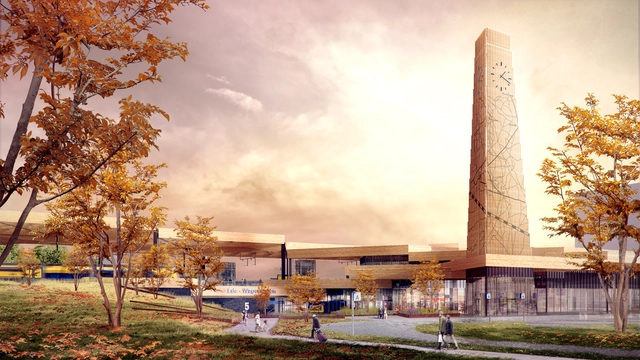
Mecanoo has unveiled the designs for the new Ede Wageningen Train Station in the city of Ede in the Netherlands, after winning the competition for the design of the project in 2014. As a gateway to the Veluwe National Park, the transport hub is designed to support future expansion in response to growth in passenger numbers.
Inspired by the local Veluwe landscape—its topography, typologies, and existing buildings and monuments—the Station building is nestled in the slopes of the moraine between the Veluwe Massif and the Gelderse Valley.
The wooden clock tower and roof of the project serve as the station’s hallmark. Consisting of a series of wooden triangles, the roof cascades over the bicycle parking, retail space, and other station facilities, ending as the overhang of the main entrance and connecting all quadrants of the hub in a uniform manner.