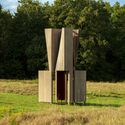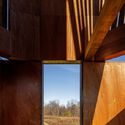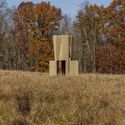
-
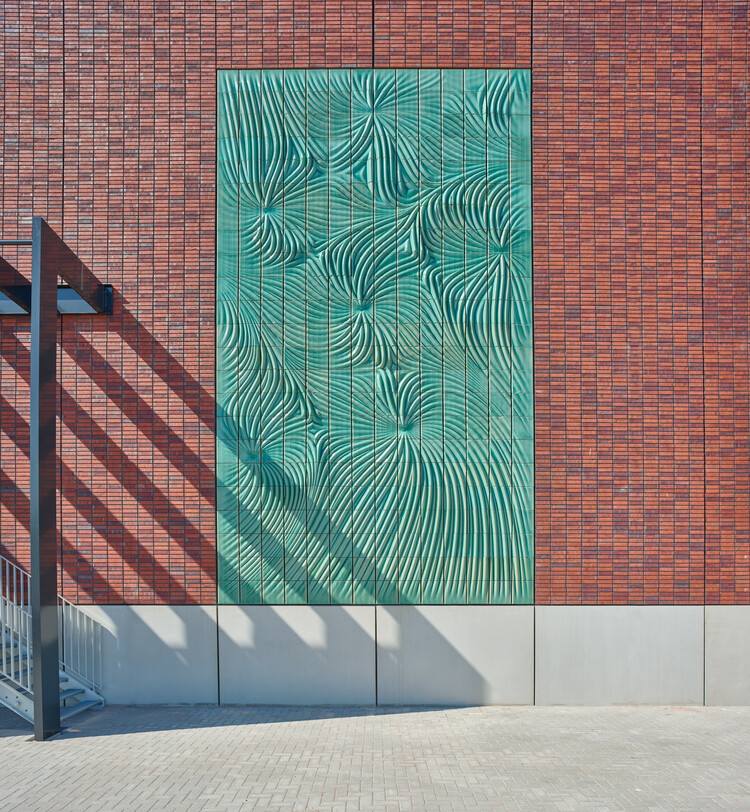
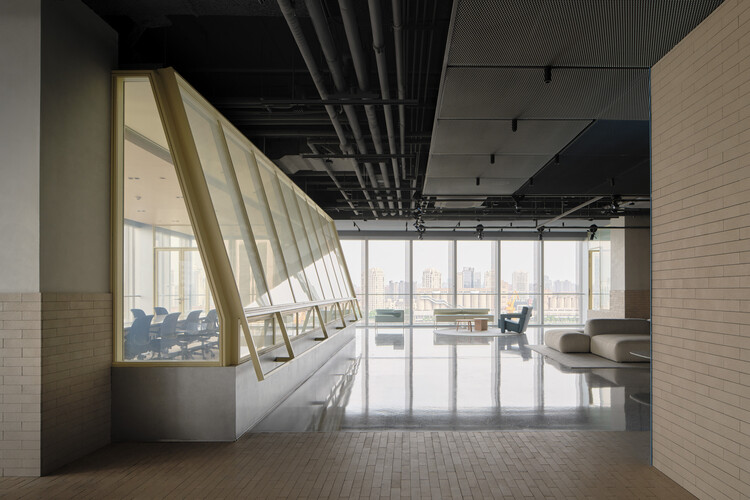
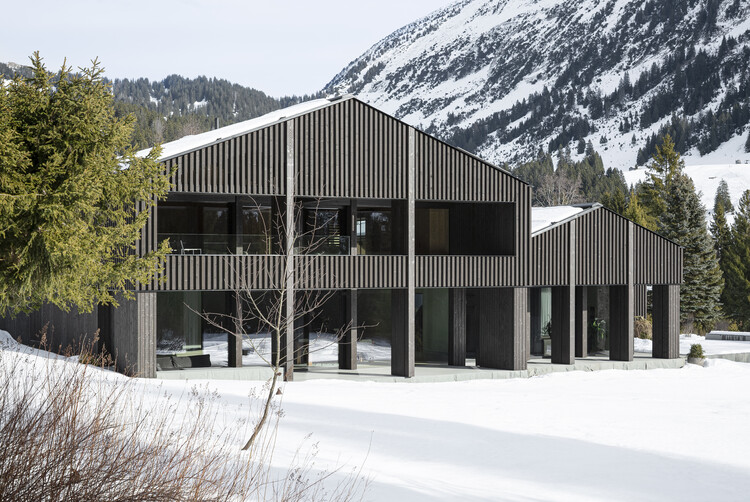
Architects: Clayton Korte
- Area: 4315 ft²
- Year: 2025
Sustainability in architecture is often discussed as though it were a universal standard—and, in principle, it should be. Buildings are increasingly evaluated through energy performance, embodied carbon, certification systems, material efficiency, biodiversity, and whole-life impact. Yet the rules determining what must actually be done remain highly local. A project designed in London, New York, or Copenhagen may be shaped by stringent energy codes, environmental review, disclosure requirements, planning controls, and increasingly ambitious carbon targets. The same practice working elsewhere may encounter a very different regulatory landscape.
This creates a difficult question for international architecture: when sustainability is not enforced to the same degree by law, what standards should architects carry with them?



While complex, layered with meaning, and categorized into various forms, heterotopia, a concept developed by the philosopher Michel Foucault, can broadly be understood as the manifestation of alternative realities. Unlike utopias – idealized, unreachable non-places – heterotopias are tangible, real-world spaces that operate according to their own internal logic, offering a lived alternative to dominant spatial and cultural paradigms.
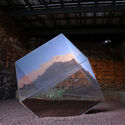
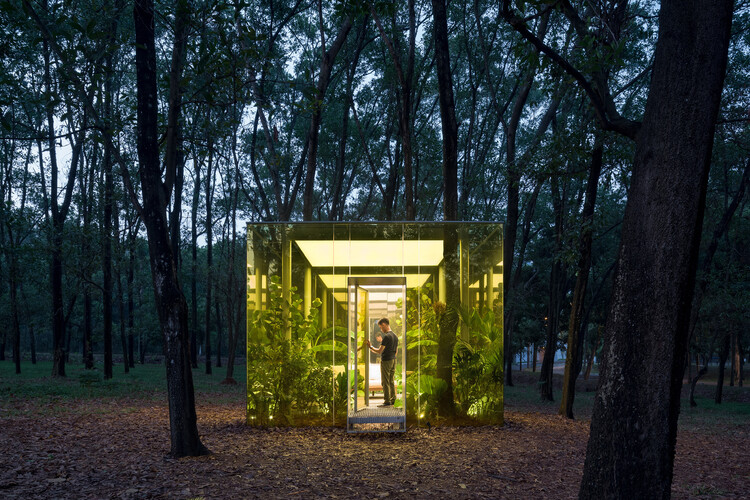
Escapism, in an architectural sense, is not merely about fleeing standard realities; it is a critical tool for reimagining them under different cultural, social, and environmental conditions. Temporary installations serve as fertile testing grounds for these spatial possibilities. Often framed as sanctuaries or refuges, these works intentionally detach from pre-conceived norms – whether by seeking a return to a primal way of living or by provoking radical perceptual shifts.
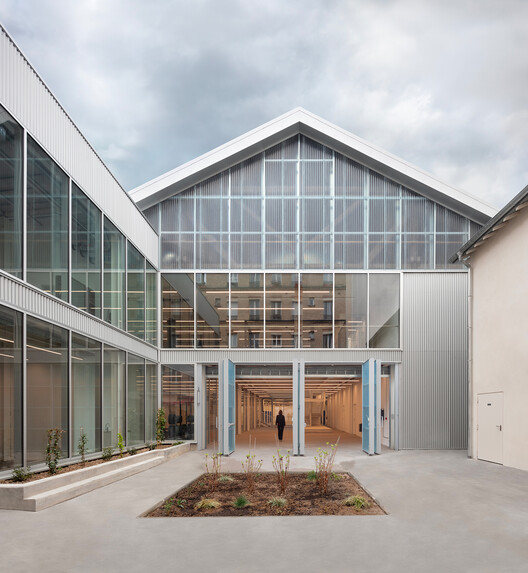
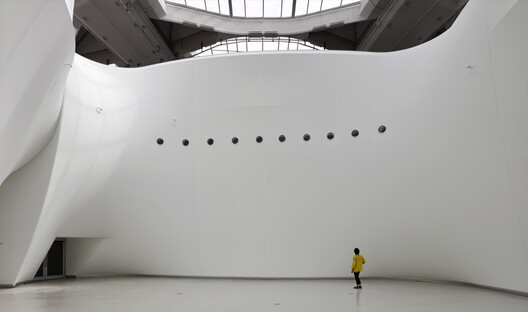
What can a textile do that glass, wood, concrete, or metal cannot? Architectural composite fabrics don't replace conventional building materials. Instead, they can complement them and often add another layer of performance to the building envelope. Their application changes with context. A composite membrane can become an exterior shading system for a tropical conservatory, an interior skin that shapes acoustics and spatial experience in a museum, or part of a facade strategy that improves the environmental performance of an existing building.
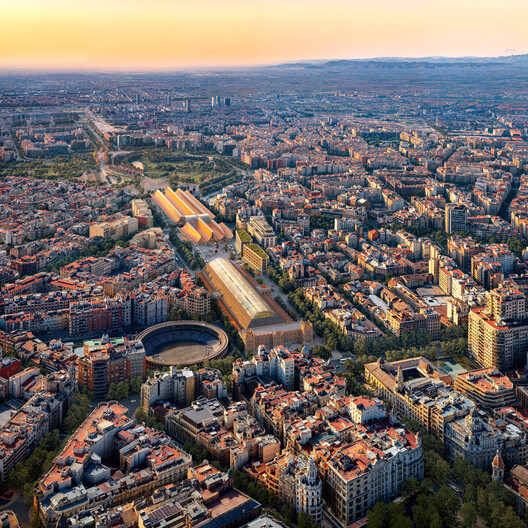
The team led by engineering and technology group Sener, in collaboration with UK-based architecture practice RSHP and Valencia-based ERRE, has been selected to design the new Valencia Central Station in Spain. The proposal was chosen by Adif Alta Velocidad's Evaluation Committee following a competition for a new intermodal rail hub integrating high-speed, commuter, metro, tram, bus, taxi, and active mobility connections. The new infrastructure will be coordinated with the planned Central Park, the Access Canal project, and the future through tunnel. The scope also includes the refurbishment of the historic Valencia Nord Station, a designated Site of Cultural Interest, while preserving its architectural and urban heritage.


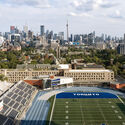
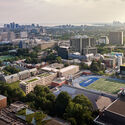
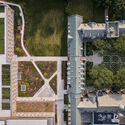
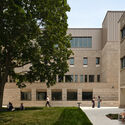
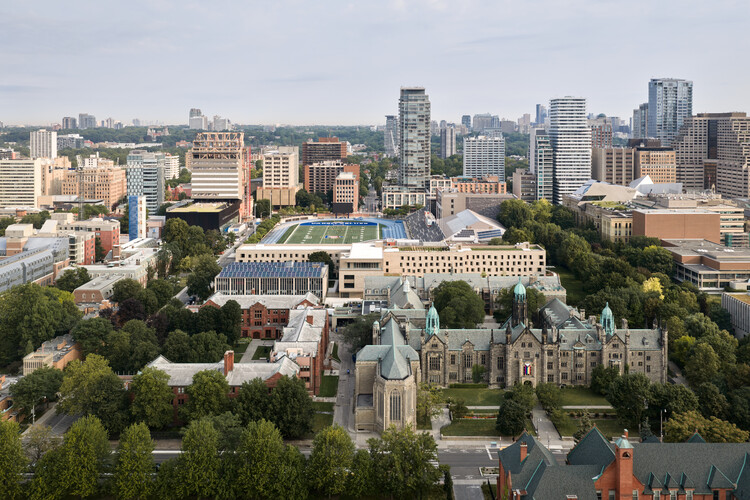
Mecanoo's Lawson Centre for Sustainability is the first new building for Trinity College since 1979. One of the most anticipated projects of 2026, it was designed to be one of Canada's most advanced sustainability-driven academic and residential buildings. Mecanoo worked in collaboration with Toronto architecture firm RDHA to design a sustainable community and "living lab," building on the College's traditions around shared meals and communal gatherings. Instead of the fourteen-story high-rise tower originally envisioned by the College, the team designed a walkable building that frames the existing campus and creates new landscapes for food production and social encounters. The broader campus vision included food, nature, work with local materials, and hands-on learning about sustainable living.

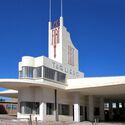
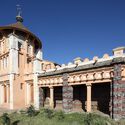
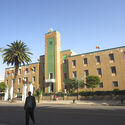
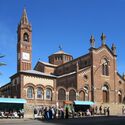
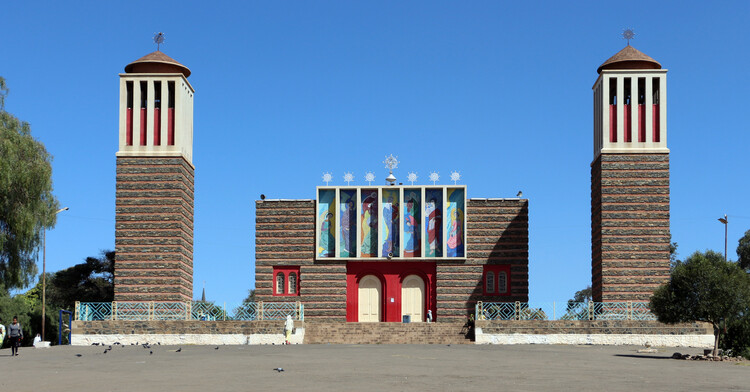
Asmara, the capital of Eritrea, sits at over 2,300 meters above sea level on a plateau at the edge of the Great Rift Valley escarpment. Although situated in a country not known for large visitor numbers, the city has gained fame for its unique architecture. In July 2017, it became a UNESCO World Heritage Site, inscribed as "Asmara: A Modernist African City," the first modernist urban site anywhere to be listed in its entirety, and Africa's first explicitly modernist World Heritage Site. Its heritage value came about as a result of a complex convergence of two aspects of Eritrea's history: an intense period of colonial construction as Italy pursued its imperial ambitions in Africa, and a long period of relative isolation that insulated the city from redevelopment.