

-
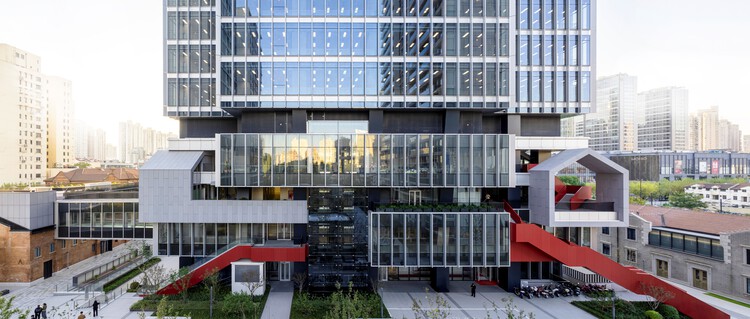
Architects: Nikken Sekkei
- Area: 199000 m²
- Year: 2024
-
Manufacturers: AAG Asia Aluminum, Atotech, Eternit, SYP Glass, dormakaba


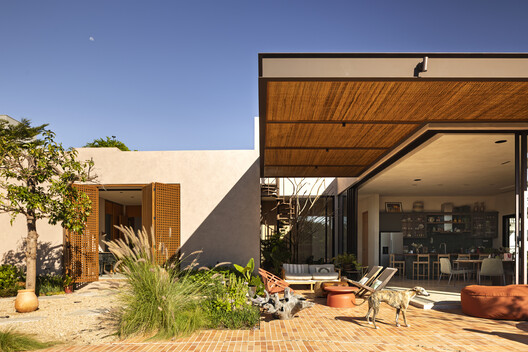
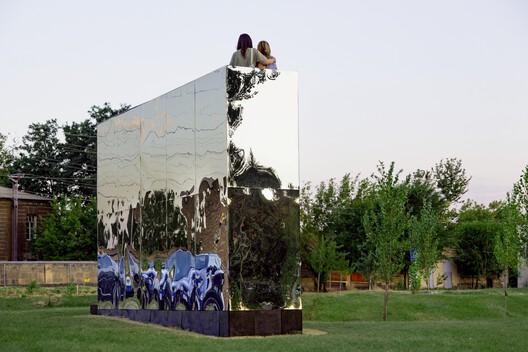
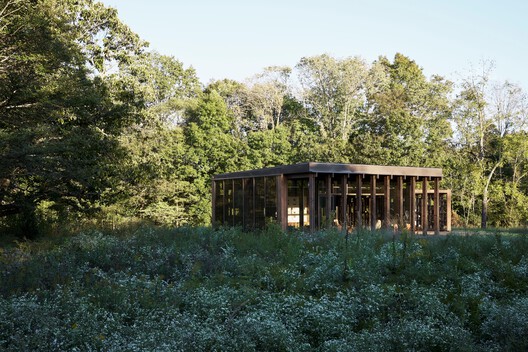
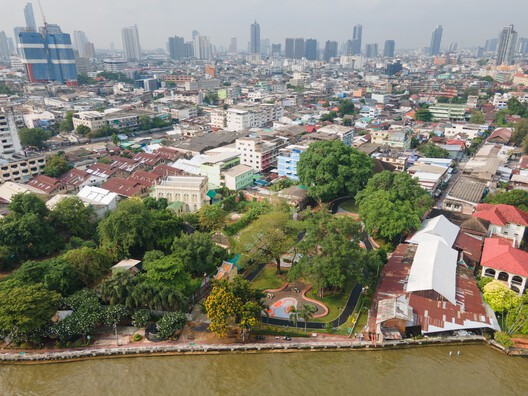
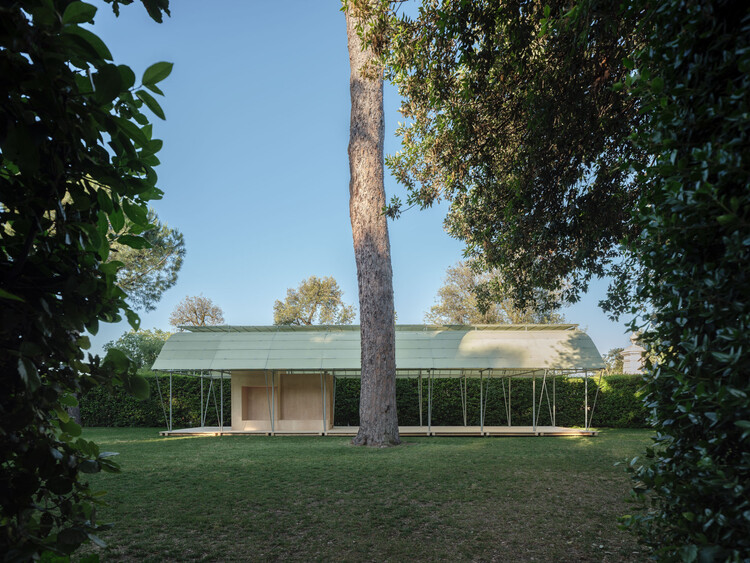
"By 2050, almost every child in the world — nearly 2.2 billion children — will be exposed to frequent heat waves." UNICEF's warning is often read as a public health forecast, but it is also a challenge to architecture and the way cities are built. As extreme heat intensifies across Asia, Europe, and beyond, thermal comfort should not be reduced to merely an indoor service delivered by machines. Air-conditioning has become a life-support system for many cities, especially in dense, humid, and rapidly urbanizing regions. Yet to rely on it as the default answer is to treat heat as something that can simply be moved elsewhere (and in the process generating extra heat) — expelled from interiors into streets, service alleys, energy grids, and the atmosphere. Its expansion increases energy demand, produces waste heat, and reinforces unequal access to comfort.
Heat, however, does not stop at the human body. It reorganizes the wider urban ecosystem: trees struggle with compacted soil and radiant paving; birds and insects lose habitat when planting is reduced to decorative greenery; aquatic systems warm, microbial life shifts, and materials absorb and release heat long after the sun has set. Heat is not simply a climatic problem to be escaped indoors. It is an urban actor that reshapes public space, labor, mobility, planting, material choices, and the fragile relationships between human and nonhuman life.
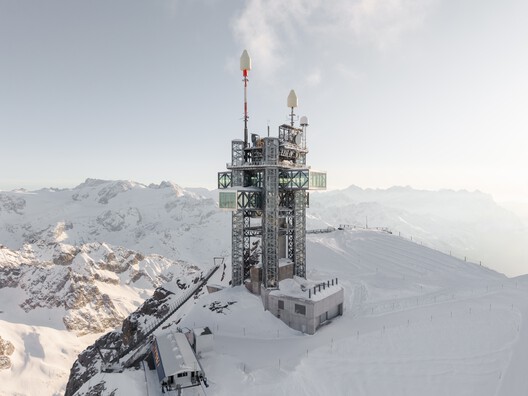

Unlike many other activities that now take place entirely in digital environments, the final result of work in the architecture, engineering, and construction industry does not remain on a screen. Files become buildings, models transform into structures, and decisions made during the design process ultimately shape streets, neighborhoods, and entire cities. A building often lasts for decades, sometimes centuries, and the impacts of the choices made during its development extend far beyond the moment of delivery, influencing the daily lives of thousands of people.
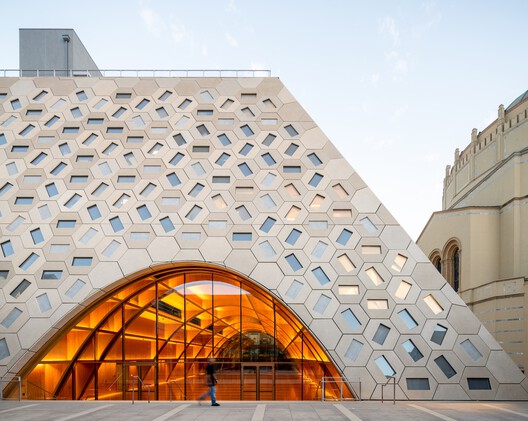
Over the past decade, the definition of a performing arts venue has shifted. No longer singular-purpose destinations, today's cultural facilities are expected to operate as flexible, revenue-generating, community-centered ecosystems. This evolution has challenged architects, operators, and owners to rethink not just how venues are designed, but how they function over time.
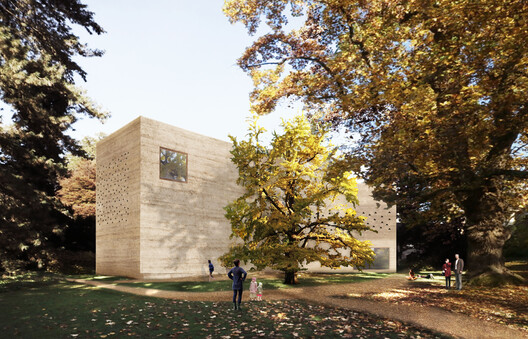
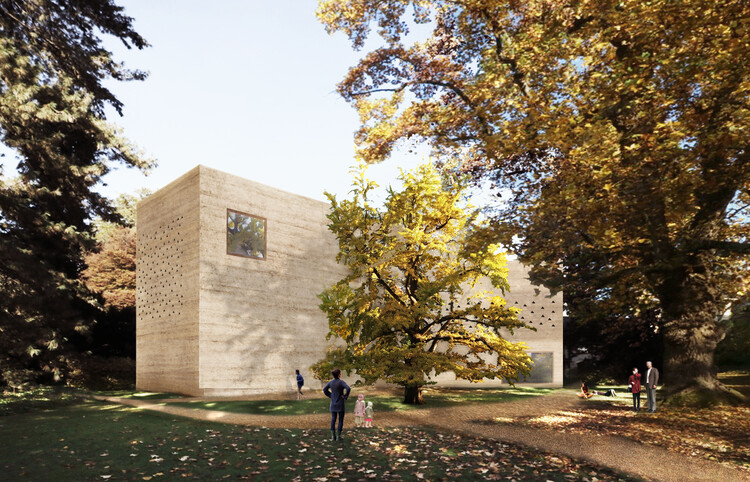
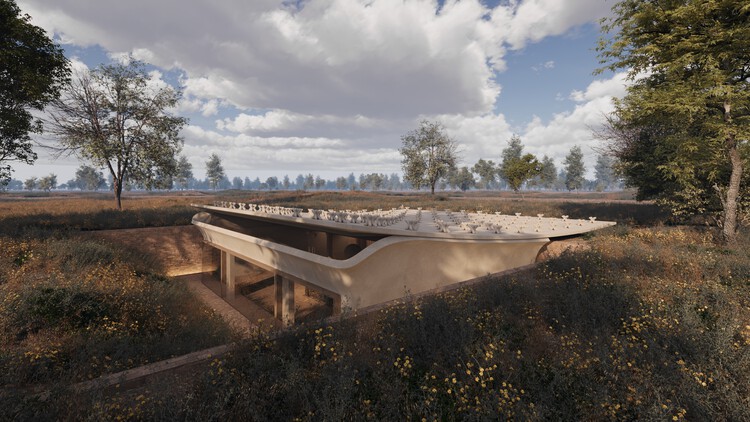
The Fondation Beyeler in Riehen, near Basel, will begin opening its expanded campus to the public this autumn, with the full ensemble set to be accessible in January 2027. The project brings together the museum building designed by Renzo Piano Building Workshop and opened in 1997 with a series of new additions by Peter Zumthor, as well as several repurposed historic structures. Through the expansion, the institution increases its exhibition capacity while extending its grounds to include a larger public landscape. The development represents a new phase for the Fondation Beyeler, building on its focus on the relationship between art, architecture, and nature.
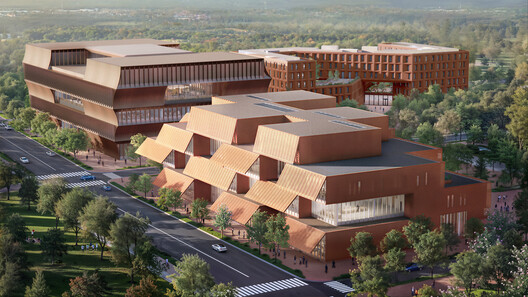
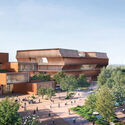
BIG–Bjarke Ingels Group was selected to design the campus of a new STEM university in Arkansas, United States, on a site located near Bentonville's downtown, formerly home to Walmart's headquarters. The project comprises three buildings occupying two city blocks and was designed in collaboration with Polk Stanley Wilcox Architects, who will serve as the Architect of Record. The campus comprises around 422,000 square feet (nearly 39,200 square meters), including green spaces, public squares, an academic building, a makerspace, and a student residence. While the project was recently unveiled, the university intends to welcome its first class of students in 2029.
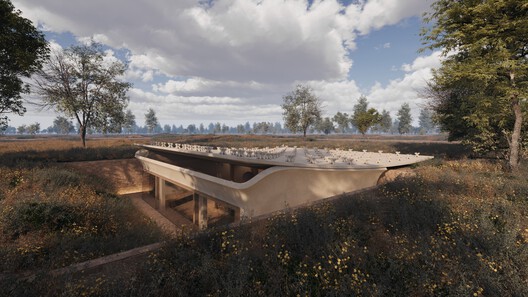
The context of the ongoing war marks Ukraine's place in the international consciousness. Architecture, however, most often transcends the span of a human life and can therefore be a tool for imagining the future. The practice of architectural design, whether speculative, conceptual, or practical, serves as a means of bringing to life ways of living and interacting beyond our current realities. In this selection of conceptual projects submitted by ArchDaily readers, we see material, spatial, and symbolic strategies that seek to address contemporary contexts in the residential, educational, and commercial sectors.
As the line of conflict has been relatively static since late 2023, Ukrainian cities continue to be subject to new architectural and urban development projects. In this article, we have compiled a selection of unbuilt projects in the cities of Vinnytsia, Lviv, and Kyiv. The selection includes residential, commercial, and mixed-use architectural designs, as well as an educational complex. Two residential projects have also been designed as prototypes without a specific location, as a potential response to the loss of infrastructure and unstable conditions in the region.