
-
Architects: PSA Studio
- Area: 1973 m²
- Year: 2025


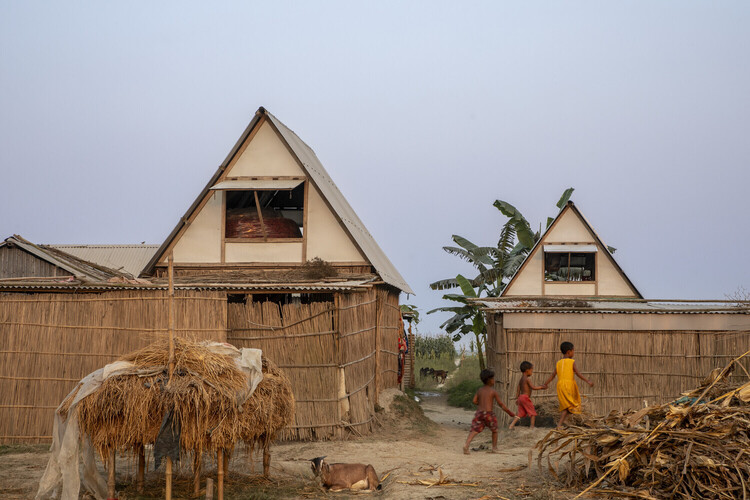
Across different climates and building cultures, many contemporary projects are working with local ways of building in new ways. Earth walls, bamboo structures, shaded thresholds, and collective construction processes are being reconsidered not as references, but as tools for the conditions architecture is facing now and will continue to face.
In these projects, vernacular knowledge appears through practical decisions: how to cool a building without machines, how to build with what is nearby, how to make a structure easier to repair, and how to keep construction knowledge within the community that will use it. The conditions making this knowledge necessary are not coming. They are already here.

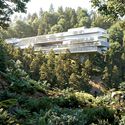
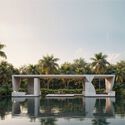
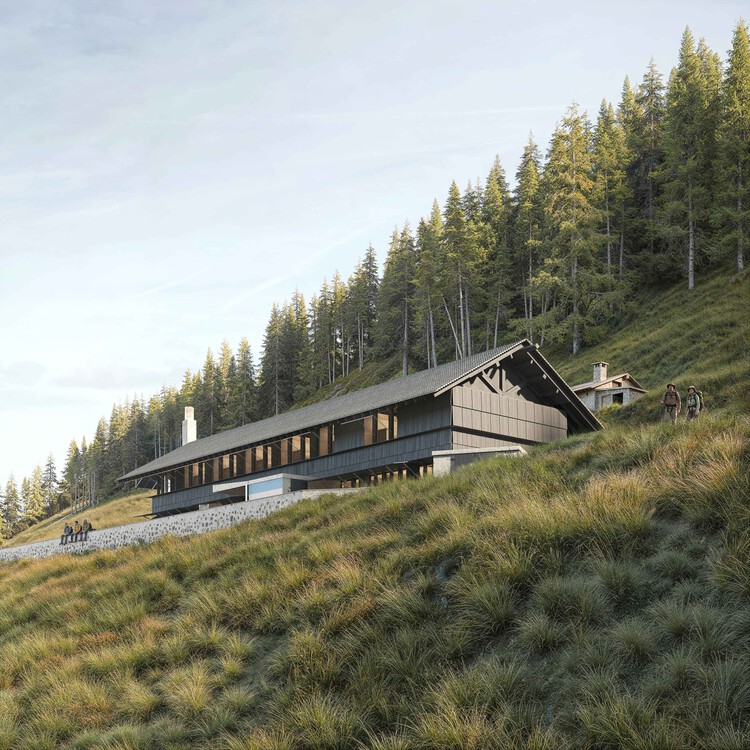
Spaces of retreat continue to offer fertile ground for unbuilt exploration, revealing how architecture can support rest, reflection, and immersion in nature amid shifting environmental and cultural conditions. In this Unbuilt edition, submitted by the ArchDaily community, the selected projects assemble a diverse range of proposals that reconsider hospitality through the lens of refuge. These works position accommodation not as spectacle or excess, but as spatial frameworks shaped by landscape, climate, material restraint, and shared experience.
Across distinct geographies, from Southeast Asian hillsides and Indonesian coastlines to African wilderness, Alpine terrain, Middle Eastern landscapes, and North American forests, the proposals demonstrate varied architectural responses to sensitive sites. They include elevated structures that hover lightly above steep ground, temporary lodge systems embedded in remote ecologies, reconstructed mountain shelters grounded in memory and reuse, courtyard-centered communal stays shaped by lifestyle cultures, contemplative desert retreats, and inclusive woodland camps designed for accessibility and environmental balance.


2026 Bamboo U × Base Bahay Affordable Housing Contest
The Bamboo Housing Challenge — Designing & Building the Future of Sustainable Homes


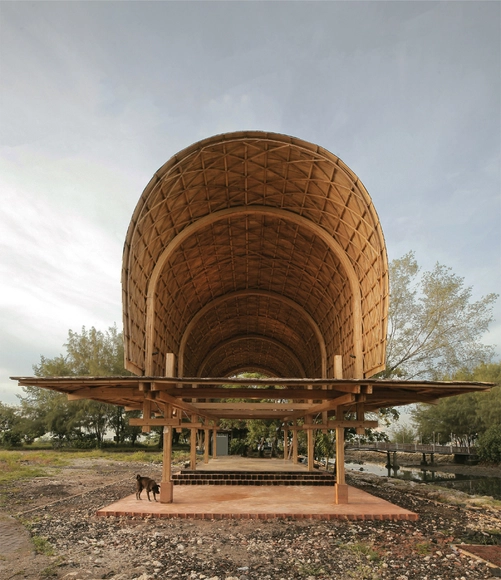

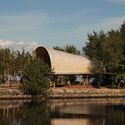
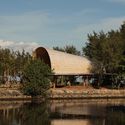
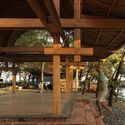
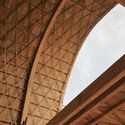
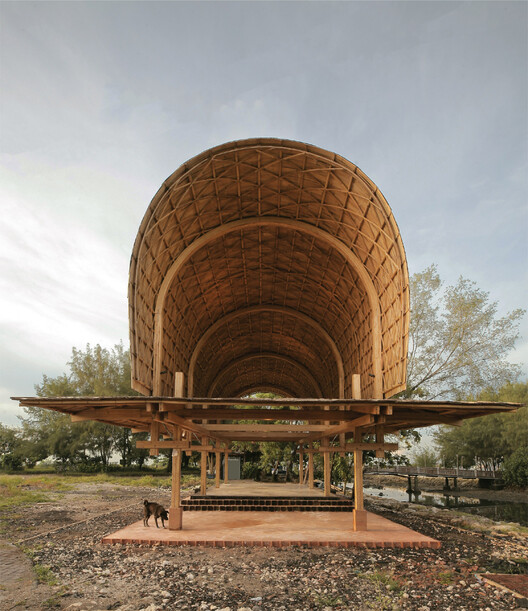
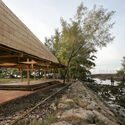
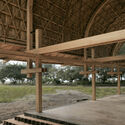
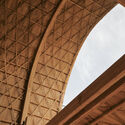
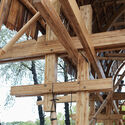
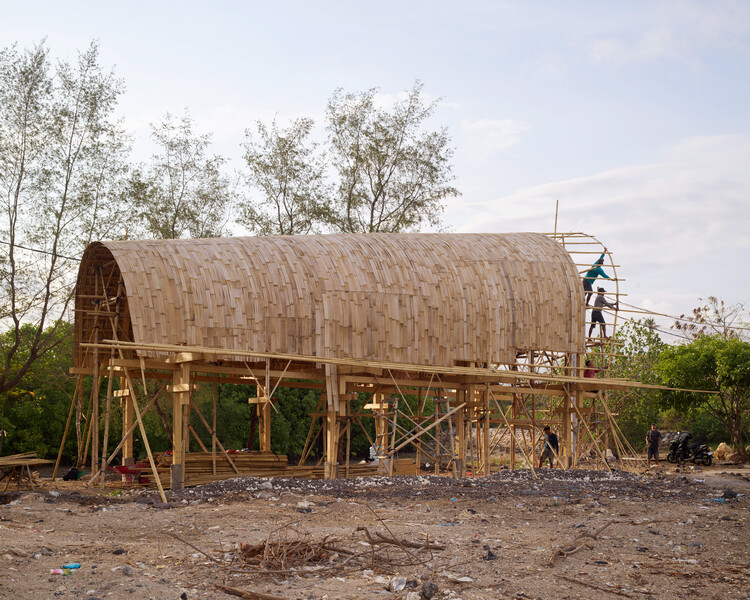
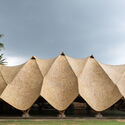
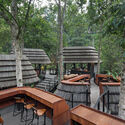
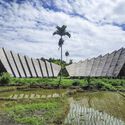
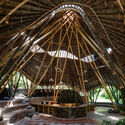
Bauhaus Earth is a Berlin-based non-profit organization working toward a systemic transformation of the built environment. Its mission includes transitioning to bio- and geo-based materials, reusing existing buildings, and restoring ecosystems. Together with the Bamboo Village Trust, a philanthropic financial vehicle, and Kota Kita, a participatory urban design organization, Bauhaus Earth has developed BaleBio, a bamboo pavilion designed by Cave Urban and rising above Mertasari Beach in Denpasar, Bali. The pavilion transforms a disused car park into an open community meeting space, offering a counterpoint to the city's tourism-driven coastal development. Designed as a regenerative building, BaleBio stores carbon instead of emitting it, challenging the extractive construction model that is replacing traditional wood and bamboo craftsmanship with concrete structures across the island.
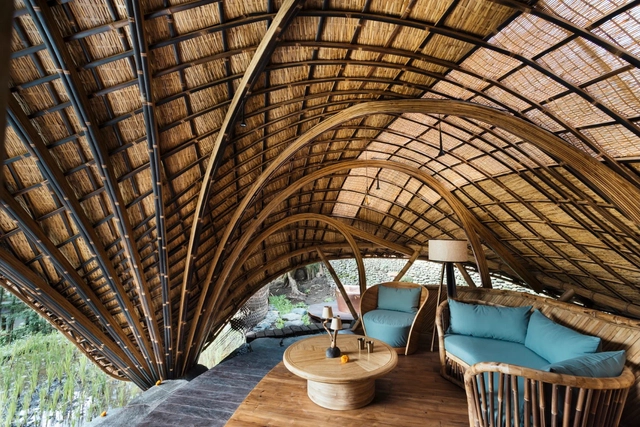
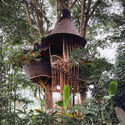
Over the years, through projects such as the Green School and homes at the Green Village, bamboo has become an increasingly popular material in Bali, Indonesia. While design firms in Bali such as IBUKU have most often worked with bamboo in its round-pole form, advancements and testing in recent years are looking to increase the use of bamboo split beams in the realm of construction.
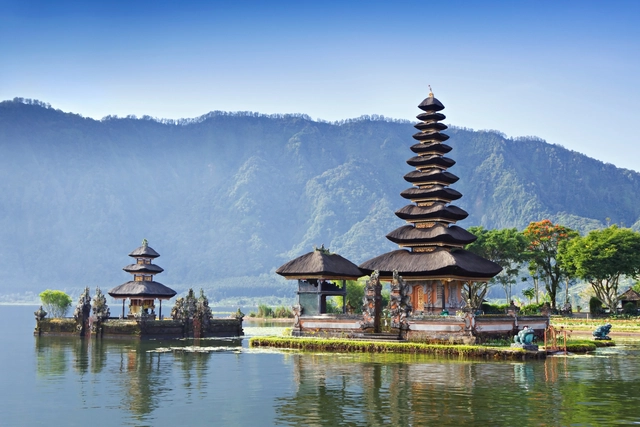
Bali might most commonly be associated with its beaches and leisure sector. Rightfully so, since the Indonesian province received more than 2.9 tourists this year alone. Along with the temporary visitors, Bali also houses some longer-term inhabitants and digital nomads, which contributed to its fast population increase. This has naturally affected its urban density and its need for additional accommodation and services, offering opportunities for some creative architecture and materials exploration.
This often appears through the many bamboo-built projects, with the island being the stage for some of the oldest and most intricate bamboo vernacular construction. This knowledge can be transmitted to willing architects and professionals from all around the globe who seek to understand how this versatile material can be applied in their own countries. Many renowned global and local practices, such as IBUKU, and Bamboo U, have championed this ecologically aware architecture through their projects, which are always focused on nature preservation and the revival/ optimization of traditional building techniques.
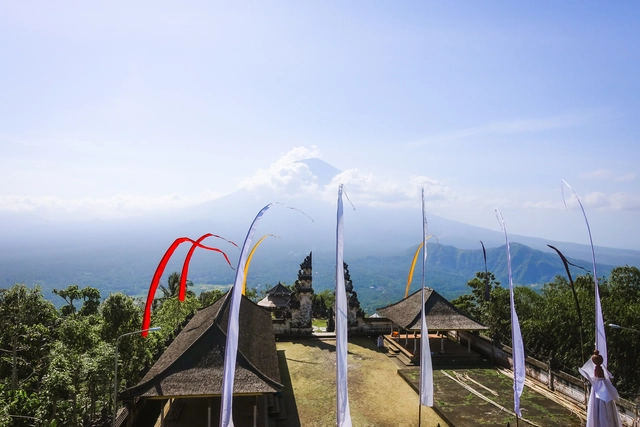
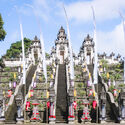
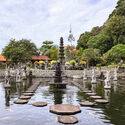
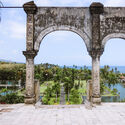
Bali, often called the "Island of the Gods," is known for its unique harmony between the microcosm of human life and the macrocosm of the natural environment. This delicate balance is deeply embedded in its traditional architecture, which reflects a synergy between cultural, religious, and environmental elements. Home to approximately four million people, Bali is Indonesia's only Hindu-majority province. While 1.7% of Indonesia's total population practices Hinduism, 87% of Bali's residents follow the faith. Over centuries, Balinese architecture has evolved through influences from the ancient Bali Aga culture, the Majapahit Kingdom, Dutch colonization, migration, and the rise of global tourism. Visitors are captivated not only by its temples and natural beauty but also by its evolving architectural styles, which strive to preserve the island's cultural essence.