Tsuyoshi Tane is a Japanese architect born in 1979 in Tokyo and based in Paris, where he founded ATTA – Atelier Tsuyoshi Tane Architects in 2006. Working across cultural, institutional, and landscape-related projects, Tane has developed an architectural approach that positions memory as a fundamental design driver. In his interview with Louisiana Channel, filmed in his Paris studio, Tane reflects on architecture as a discipline of observation and thought, arguing that meaningful design emerges from carefully reading the traces embedded within a site. For him, architecture is not produced on a blank slate but begins with an inquiry into what already exists, physically, culturally, and emotionally, beneath the surface of a place.
"A Place Remembers What Has Happened:" Tsuyoshi Tane on Memory as a Design Driver in Louisiana Channel Interview


https://www.archdaily.com/1038454/a-place-remembers-what-has-happened-tsuyoshi-tane-on-memory-as-a-design-driver-in-louisiana-channel-interviewReyyan Dogan
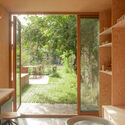
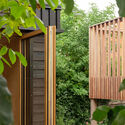
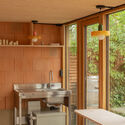
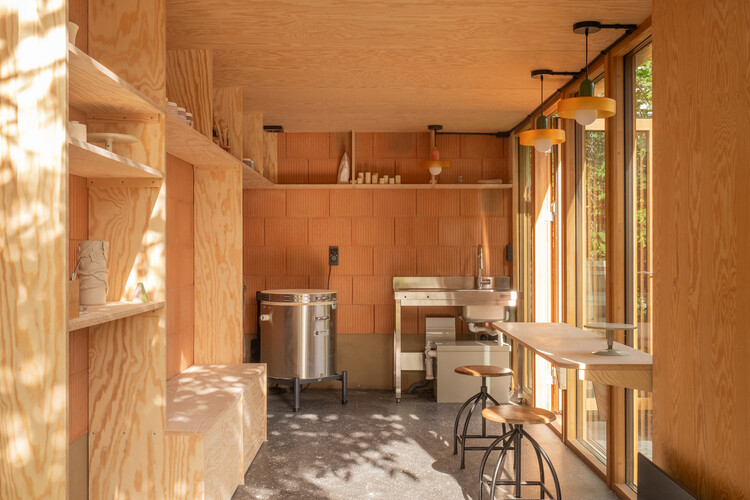
Ceramics Workshop in Copenhagen / Jesper Kusk Arkitekter

-
Architects: Jesper Kusk Arkitekter
- Area: 13 m²
- Year: 2026
-
Manufacturers: Dana Vinduer, Egernsund Wienerberger
https://www.archdaily.com/1186614/ceramics-workshop-in-copenhagen-jesper-kusk-arkitekterNina Vuga
“Cities Are Mental Weapons”: Utopian Hours 2026 Returns to Turin with Sir Peter Cook and a Program on City-Making

The second part of the Utopian Hours 2026 international city-making festival will be held in Turin on October 16 and 17. After a first chapter in Rotterdam, the festival is marking its tenth anniversary edition by returning to its hometown in Italy. The event's lineup and cultural program are designed to explore how cities can respond creatively to the social, environmental, and political challenges of the 21st century. The Utopian Hours festival has been organized since 2017 by Stratosferica, a nonprofit cultural association dedicated to producing and sharing urban knowledge through content on the evolution of cities, urban communication strategies, events, community building and placemaking.





https://www.archdaily.com/1186668/cities-are-mental-weapons-utopian-hours-2026-returns-to-turin-with-sir-peter-cook-and-a-program-on-city-makingAntonia Piñeiro
Port Melbourne Secondary College / Billard Leece Partnership

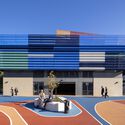



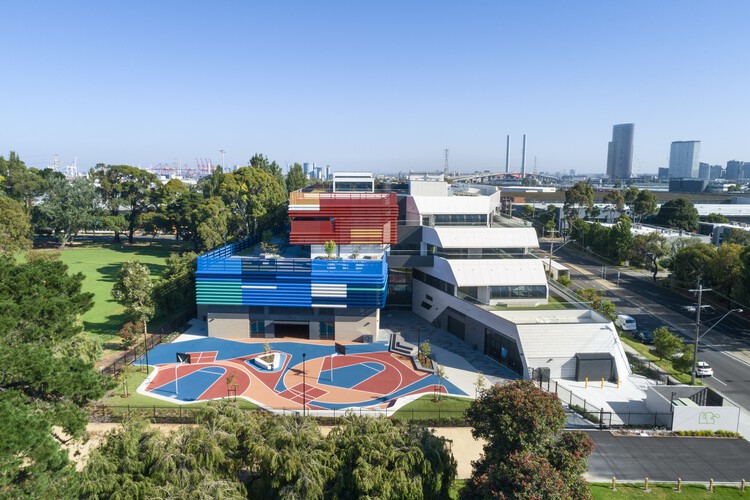
-
Architects: Billard Leece Partnership
- Year: 2022
https://www.archdaily.com/1186451/port-melbourne-secondary-college-billard-leece-partnershipNana Dokua
Minoudar House / harandi & harandi architects

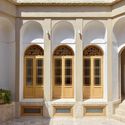

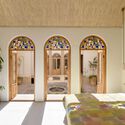
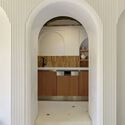
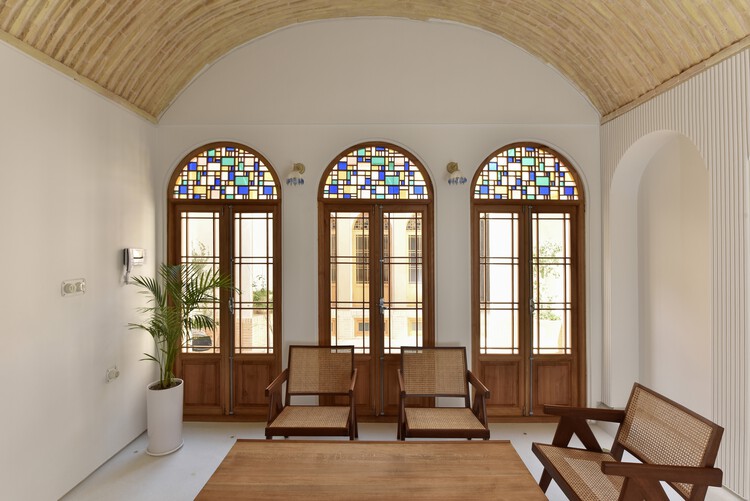
-
Architects: harandi & harandi architects
- Area: 145 m²
- Year: 2021
-
Manufacturers: Arman Safavi, Dimehspiral, Jotun Paint, Neshiman
https://www.archdaily.com/1186478/minoudar-house-harandi-and-harandi-architectsPratik Mour
Integrating Solar Protection as an Envelope Strategy
| Sponsored Content
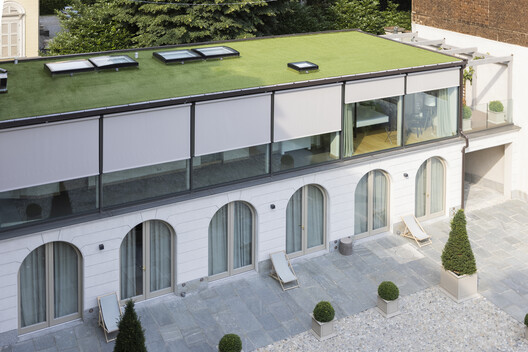
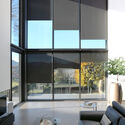
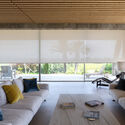
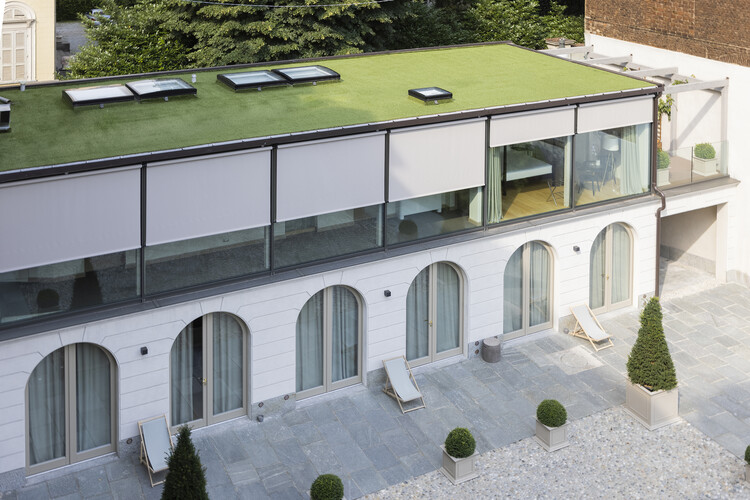
Heat waves are becoming more and more frequent worldwide, prompting architects to reconsider how building envelopes are conceived and designed. The focus is no longer solely on limiting heat loss during the colder months, but also on controlling how much heat enters buildings during periods of intense solar radiation. By understanding solar shading as a design decision rather than a decorative or interior-conditioning element, it becomes part of passive energy-efficiency strategies that can contribute to thermal and visual comfort while reducing cooling demand.

https://www.archdaily.com/1185894/integrating-solar-protection-as-an-envelope-strategyAgustina Iñiguez
Yanqing Li Commercial Renovation / Mix Architecture

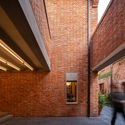
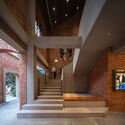
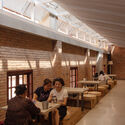
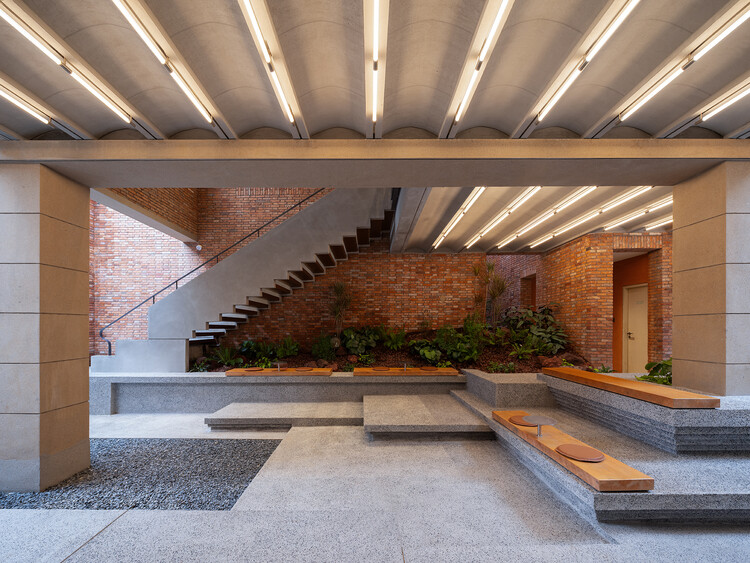
https://www.archdaily.com/1186545/yanqing-li-commercial-renovation-mix-architecture韩爽 - HAN Shuang
ITA - Italian Trade Agency Dakar / MOST Monti Studio





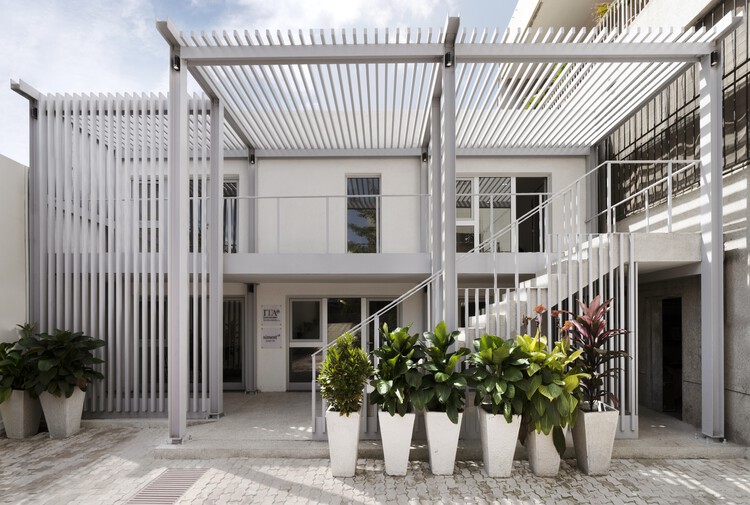
-
Architects: MOST Monti Studio
- Area: 150 m²
- Year: 2025
https://www.archdaily.com/1186426/ita-italian-trade-agency-dakar-most-monti-studioPratik Mour
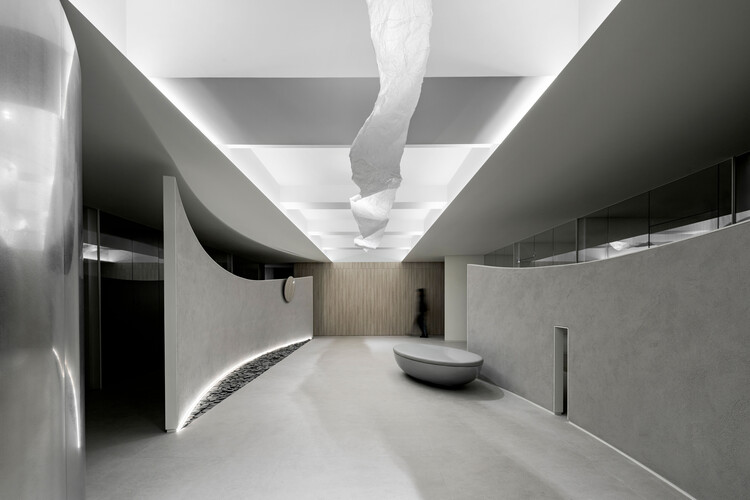
Wise Consultation Office / RVMN





https://www.archdaily.com/1186225/wise-consultation-office-rvmnPratik Mour
Pinewood Houses / NOMO STUDIO


-
Architects: NOMO STUDIO
- Area: 200 m²
- Year: 2026
https://www.archdaily.com/1186486/pinewood-houses-nomo-studioCristina Popescu
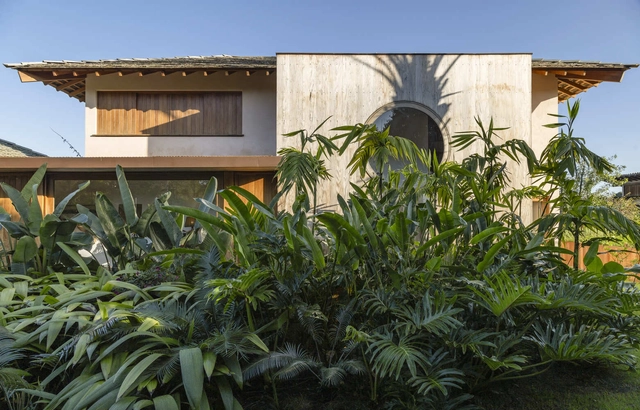



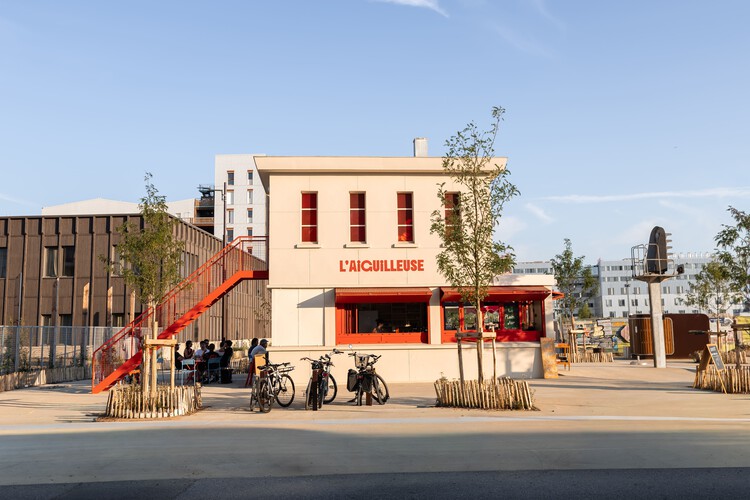
L'AIGUILLEUSE - Renovation of a former railway signal box into a kiosk-bar / Studio Téré




-
Architects: Studio Téré
- Area: 36 m²
- Year: 2026
https://www.archdaily.com/1186469/laiguilleuse-renovation-of-a-former-railway-signal-box-into-a-kiosk-bar-studio-tereNana Dokua
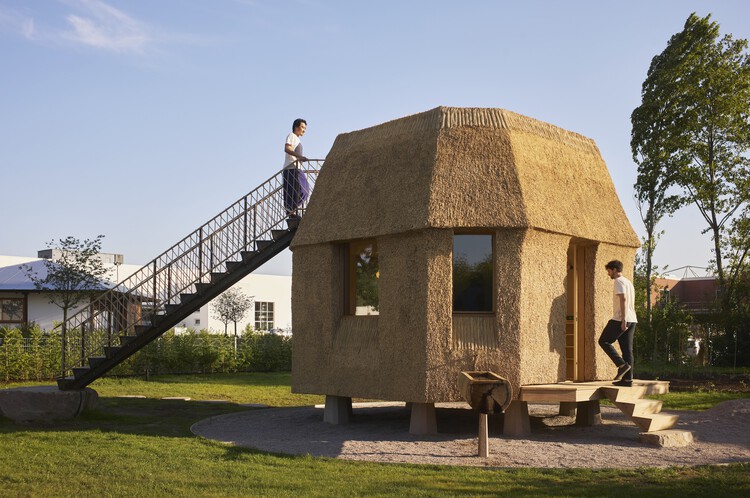
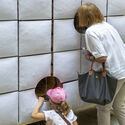
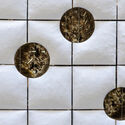
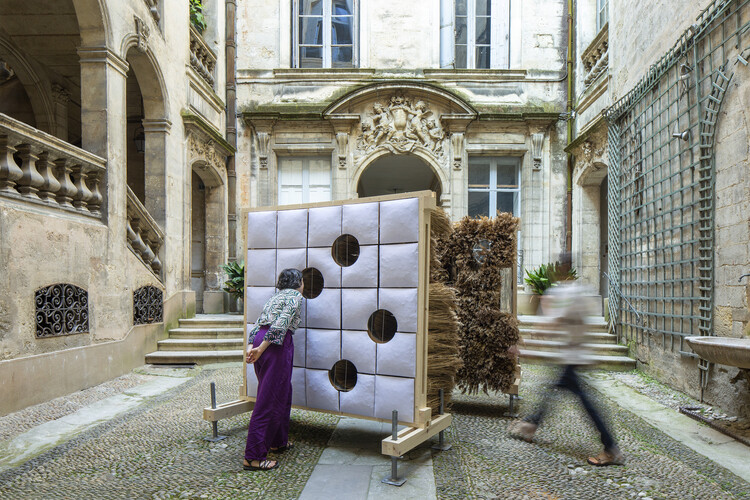
Chaume Sublimé / COAT


-
Architects: COAT | conditions atmosphériques d'espaces
- Area: 10 m²
- Year: 2025
https://www.archdaily.com/1186468/chaume-sublime-coatNina Vuga
Home Herengracht / Studio Modijefsky




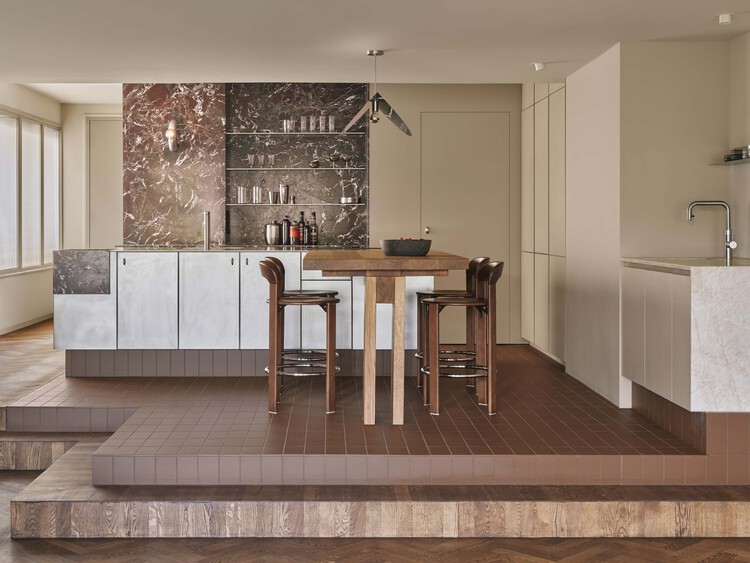
-
Architects: Studio Modijefsky
- Area: 196 m²
- Year: 2026
-
Manufacturers: Acier Studio, Astro Lighting, D line – Bjarke Ingels Group, Gergiev Kiril, HEAKO, +4
https://www.archdaily.com/1186299/home-herengracht-studio-modijefskyNina Vuga
RESONANCE - Tallinn Architecture Biennale Installation / Aru Ma- Architects

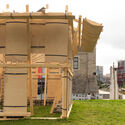

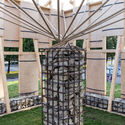
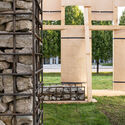
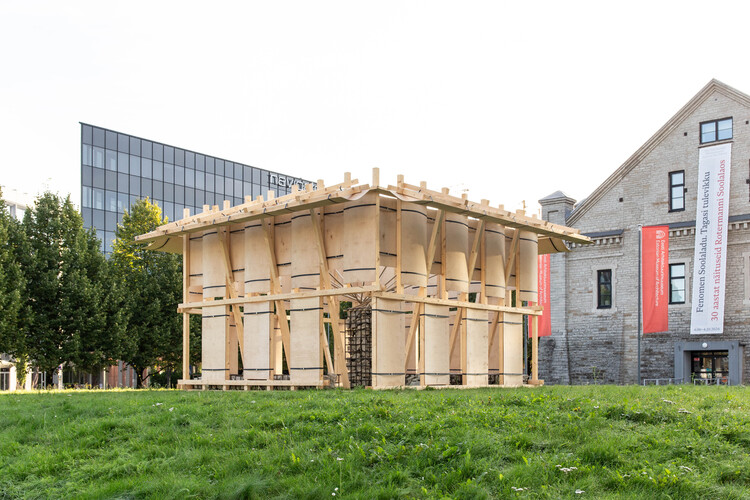
-
Architects: Aru Ma- Architects
- Area: 59 m²
- Year: 2026
-
Manufacturers: Espak (Screws) , Estplay (Plywood), Raitwood (Timber Structure), Reval Stone (Estonian limestone), Timmet AS (Steel Bar)
https://www.archdaily.com/1186616/resonance-tallinn-architecture-biennale-installation-aru-ma-architects韩爽 - HAN Shuang
Mahachai Residence / Patara Architects




-
Architects: Patara Architects
- Area: 180 m²
- Year: 2025
-
Manufacturers: Studio Mueja
https://www.archdaily.com/1186228/mahachai-residence-patara-architectsPratik Mour
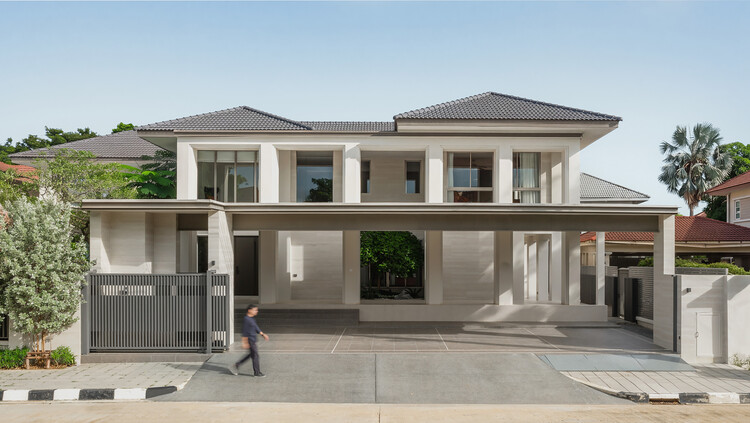
Prukpirom House Renovation (PPR House) / S+S Architects

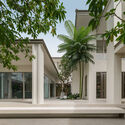


-
Architects: S+S Architects
- Area: 831 m²
- Year: 2026
-
Manufacturers: Tostem
https://www.archdaily.com/1186235/prukpirom-house-renovation-ppr-house-s-plus-s-architectsPratik Mour
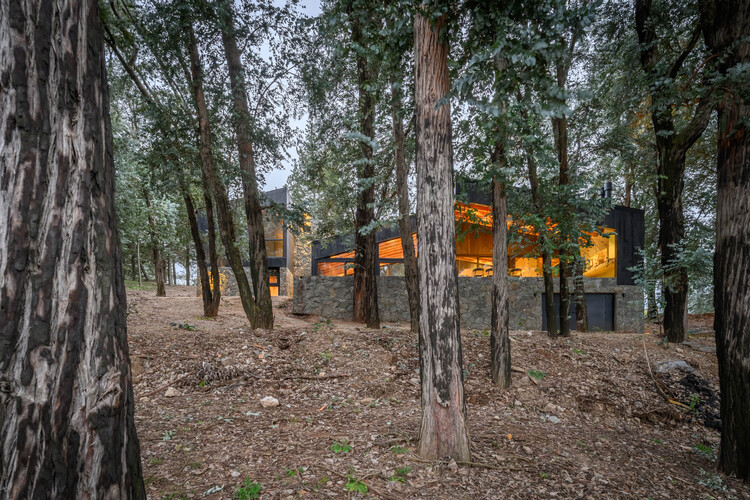
La Negrita House / Estudio Palacios

-
Architects: Estudio Palacios
- Area: 1520 m²
- Year: 2026
https://www.archdaily.com/1186656/la-negrita-house-estudio-palaciosValentina Díaz