-
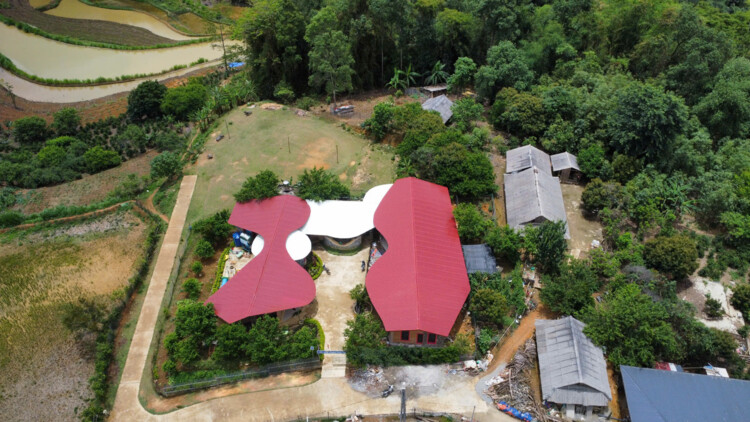
Architects: 1+1>2 Architects
- Area: 1328 m²
- Year: 2025



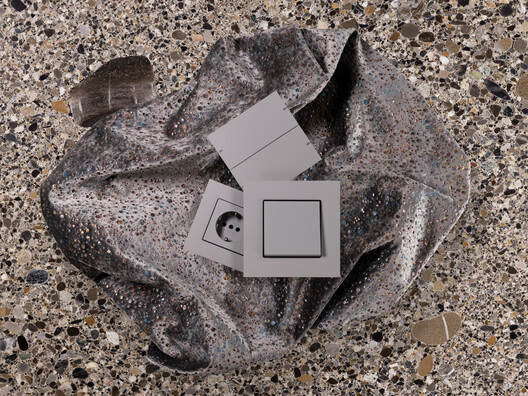
Across recent architectural discourse, interior design has been centered on how spaces shape psychological and atmospheric experience, and on what gives interior environments their emotional resonance. Attention has shifted toward small details rather than relying primarily on form or structure. Light, for instance, is not only a technical requirement but also an architectural material in its own right. It can structure space, animate surfaces, define textures, and shape atmosphere while influencing well-being. At the same time, the characteristics between minimalism and maximalism shape how atmospheres are perceived, prompting reflection on how approaches to simplicity or exuberance might influence mood. Rather than existing as opposing aesthetics, these tendencies explore how interiors interact with mental states, reflect personal identity, and respond to the subtle shifts in the way people inhabit and experience space.
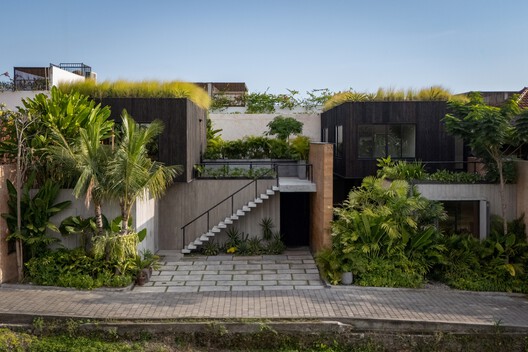
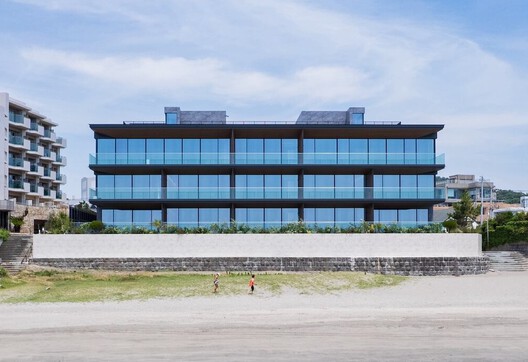

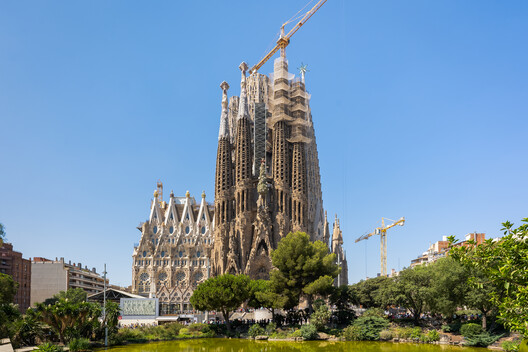
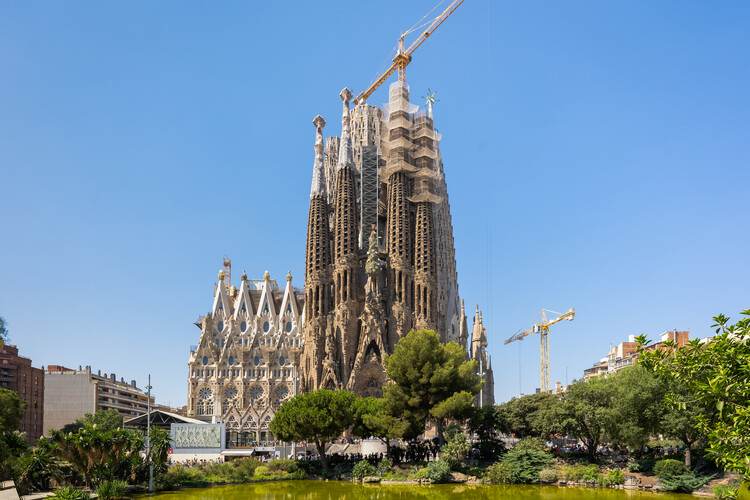
As 2025 concludes, we look ahead to 2026, a year scheduled to deliver a diverse range of significant architectural projects across the world. The year is particularly notable for the completion of new infrastructure and cultural buildings, including long-term projects. Europe will be in the spotlight of the new year with the Milano Cortina 2026 Winter Olympics. This event will feature projects such as the Olympic Village by SOM and the Winter Olympics Arena by David Chipperfield Architects. Also in Milan, BIG is set to complete construction of the City Wave project as part of a new business district in the city. At the same time, after more than 140 years of its establishment, the architects around the world will also be watching for the long-awaited completion of Antoni Gaudí's La Sagrada Familia in Barcelona, announced for 2026.







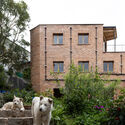

![KIAORA / [STRANG] - Exterior Photography, Houses](https://snoopy.archdaily.com/images/archdaily/media/images/693b/3d36/0943/f05c/06f6/e6b5/slideshow/kiaora-strang_31.jpg?1765490011&format=webp&width=640&height=580)
![KIAORA / [STRANG] - Houses](https://images.adsttc.com/media/images/693b/3d38/4ec7/390a/c236/4fc3/thumb_jpg/kiaora-strang_24.jpg?1765490009 "© Kristam Burello")
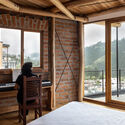
![KIAORA / [STRANG] - Interior Photography, Houses, Table, Lighting, Chair](https://images.adsttc.com/media/images/693b/3d1d/4ec7/390a/c236/4fb4/thumb_jpg/kiaora-strang_4.jpg?1765489965 "© Jeanne Cantro")
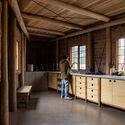
![KIAORA / [STRANG] - Interior Photography, Houses, Kitchen, Countertop, Lighting, Table, Chair](https://images.adsttc.com/media/images/693b/3d26/4ec7/390a/c236/4fbc/thumb_jpg/kiaora-strang_14.jpg?1765489990 "© Kristam Burello")
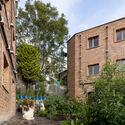
![KIAORA / [STRANG] - Interior Photography, Houses, Garden](https://images.adsttc.com/media/images/693b/3d1e/0943/f046/1d85/d292/thumb_jpg/kiaora-strang_10.jpg?1765489989 "© Jeanne Cantro")
![KIAORA / [STRANG] - More Images](https://images.adsttc.com/media/images/693b/3d36/0943/f05c/06f6/e6b5/newsletter/kiaora-strang_31.jpg?1765490011)