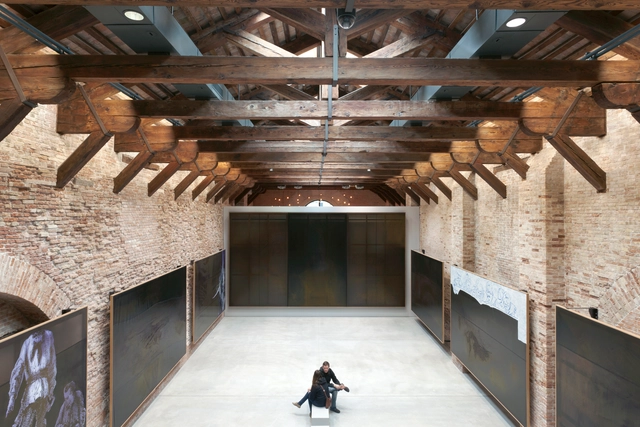
The European Cultural Centre for the Exhibition “Time-Space-Existence” in context of the 16th Venice Architecture Biennale is organizing its first conference under the title of: “ Shaping the City : A Forum for Sustainable Cities and Communities”. It includes all participating architectural schools and universities from across the globe in TSE 2018 along with other international institutions and architecture studios.
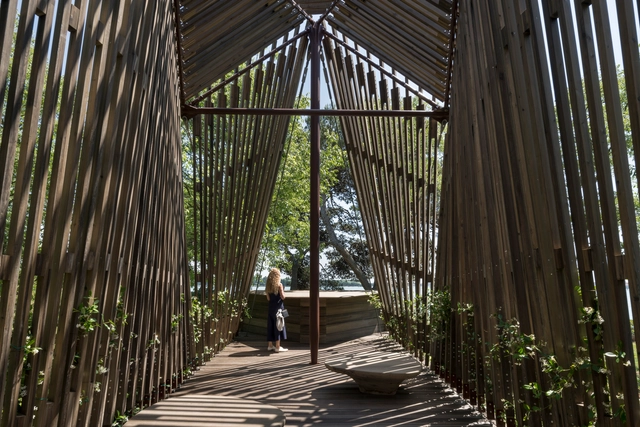
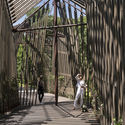
Vatican City participated in the Venice Architecture Biennale for the first time this year, inviting the public to explore a sequence of unique chapels designed by renowned architects including Norman Foster and Eduardo Souto de Moura. Located in the woods that cover the island of San Giorgio Maggiore, the chapels offer interpretations of Gunnar Asplund’s 1920 chapel at Woodland Cemetery in Stockholm, a seminal example of modernist memorial architecture set in a similarly natural wooded context.
A new video produced by Spirit of Space offers a brief virtual tour of the structures that make up the Holy See’s pavilion, lingering on each just long enough to show different views and angles. As members of the public circulate through the chapels in each shot, the scenes give an impression of how each chapel guides circulation.
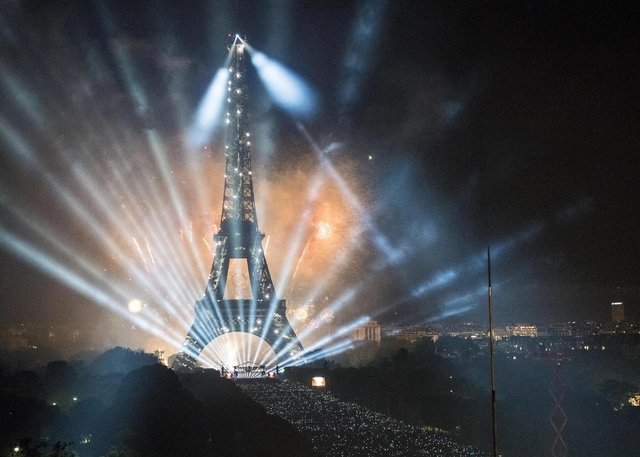
Thanks to their loud, brash, and nocturnal nature, rock concerts are often held in dark bars and nightclubs designed to withstand the abuse of rowdy fans and guitar-smashing rockers. But as musicians earn a following, they eventually graduate from beer-soaked basements to prestigious theaters, outdoor amphitheaters, arenas, and stadiums. For performers and music fans alike, playing or attending a show in a space like Carnegie Hall, the Royal Albert Hall, Madison Square Garden or Colorado’s Red Rocks Amphitheater can be a momentous, once-in-a-lifetime opportunity that ties together the sublime power that great music and architecture can both evoke. As rare as these opportunities are, an exclusive group of iconic musicians have managed to reach an even higher level of prestige by organizing one-off performances amid humanity’s most treasured historical sites—from the Acropolis and ancient Mayan cities to the Colosseum and the Eiffel Tower.
While these special concerts have given fans the chance to experience music history firsthand, many have also been mired in scandal as local officials and residents have raised concerns about potential damage to the sites or inappropriate commercial misuse of treasured cultural landmarks. Despite these legitimate and often justified concerns, these nine iconic sites have hosted some of the most ambitious concerts in the history of popular music:
Solutions from the past can often provide practical answers for the problems of the future; as the London-based design and research firm, Space Popular demonstrate with their "Timber Hearth" concept. It is a building system that uses prefabrication to help DIY home-builders construct their own dwellings without needing to rely on professional or specialized labor. Presented as part of the ongoing 2018 Venice Biennale exhibition “Plots Prints Projections,” the concept takes inspiration from the ancient "hearth" tradition to explain how a system designed around a factory-built core can create new opportunities for the future of home construction.
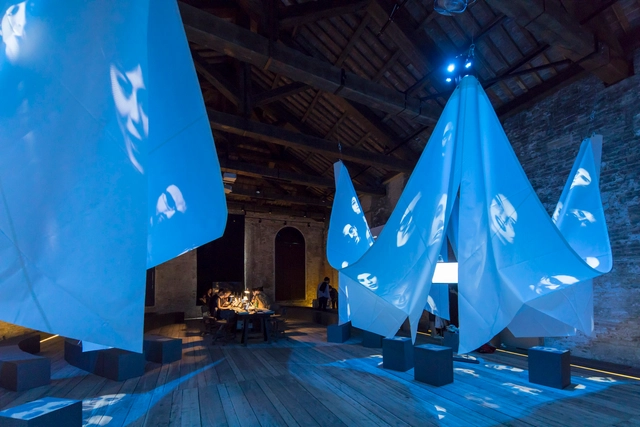
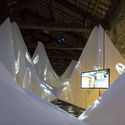
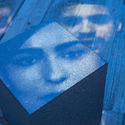
Kerem Piker of the firm Kerem Piker Mimarlık curated this year’s Pavilion of Turkey entitled Vardiya (the Shift), together with associate curators Cansu Cürgen, Yelta Köm, Nizam Onur Sönmez, Yağız Söylev and Erdem Tüzün. Coordinated by the Istanbul Foundation for Culture and Arts (İKSV) and installed at Sale d’Armi, Arsenale, the pavilion functions as a space for gathering, conversation and sharing ideas, with a series of video installations projected on draped fabric screens as well as a lecture and meeting space designed to host the 122 architecture students invited from around the world to participate in workshops, discussions and keynote lectures in the space.
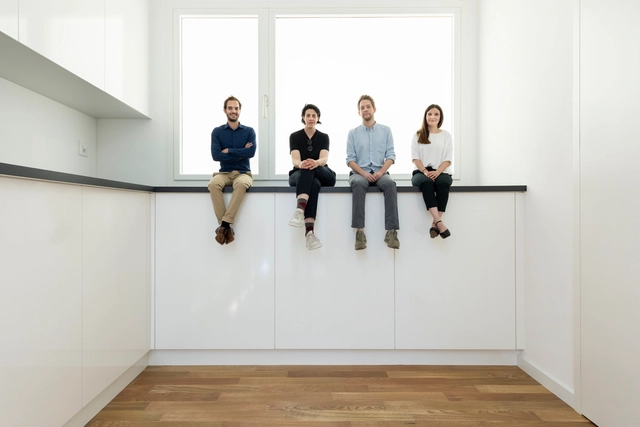
Honored by this year’s jury as the winner of the Golden Lion for best national participation, the Swiss Pavilion actively defies conventional representation while exploring a specific point of contact between architecture and society: the house tour.
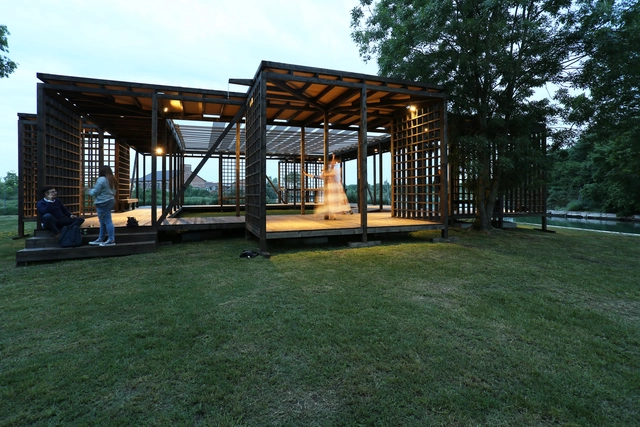
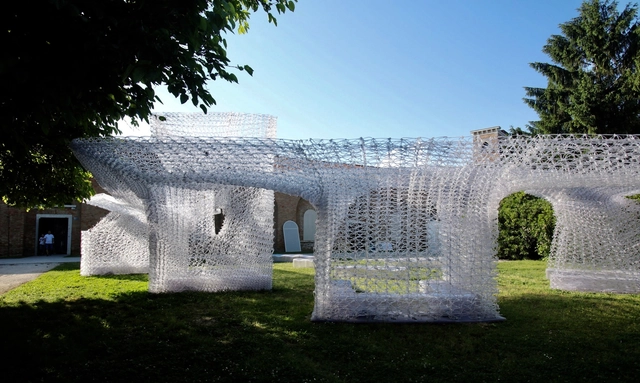
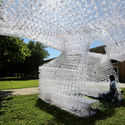
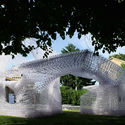
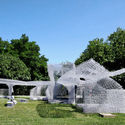
The Chinese Pavilion at the 2018 Venice Architecture Biennale, themed "Building a Future Countryside", is endeavored to explore new technology and ideas to make better of China's rural areas. A digitally-fabricated outdoor pavilion "Cloud Village" has been set up in addition to the national exhibition at the Venetian Arsenale. The Cloud Village has a twisting form which creates a sequence of open and semi-enclosed spaces under its roof. It seeks to convey an abstraction of the everyday life in Chinese countryside where boundaries of private and public realms are not always defined.
The Cloud Village is structurally made possible by the robotic printing technology developed by Philip F. Yuan and his team. Read below for a detailed account of the project from the architects.
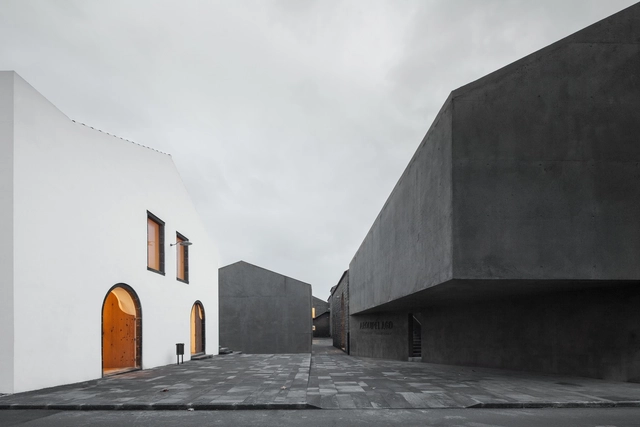
As part of our 2018 Venice Architecture Biennale coverage we present Public Without Rhetoric the proposal for the Portuguese Pavilion. Below, curators Nuno Brandão Costa and Sérgio Mah describe their contribution in their own words.
Public Without Rhetoric is the project selected to represent Portugal at the 16th International Architecture Exhibition of La Biennale di Venezia. The curators Nuno Brandão Costa and Sérgio Mah propose a tour of the “Public Building” of Portuguese origin through 12 works created at a time when Western Europe is confronted with its limits and possibilities and as architecture manifests its nonconformist nature in reinforcing its role in political and social intervention.
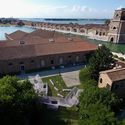
At the meeting point of the Grand Canal and the Giudecca Canal in Venice is a triangular plot of land, the Punta Della Dogana. On the site sits a long, low-slung 17th-century structure punctuated at its tip by a squat tower topped with an ornamental green and gold weather vane representing fortune. This former customs house of Venice, the Dogana da Mar, was purchased in 2007 by François Pinault with the intention of converting the structure into an art museum, a task he entrusted to Tadao Ando.
While the Japanese architect may not have been the obvious choice to work with a historic Italian building, Ando's solution combined a total respect for the existing building with the sharp minimalism for which he is known. Stripping back centuries of additions, the building was largely restored to its original structure. At the heart of the building's deep plan, a pure concrete volume hints at the architect of the restoration, serving to organize the spaces around it. In 2013, the building was photographed by Luca Girardini on the occasion of the exhibition "Elogio del dubbio."
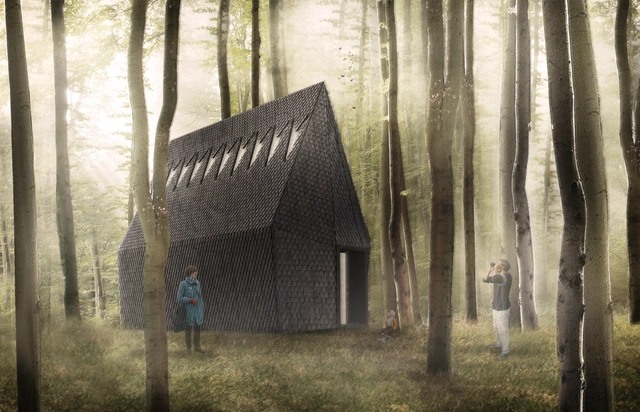
The Vatican has released details of the Holy See Pavilion for the 2018 Venice Biennale, marking the Vatican’s first ever entry to the architectural exhibition. Situated on the Island of San Giorgio Maggiore, the Holy See Pavilion will lead visitors on a journey through ten chapels designed by ten architects.
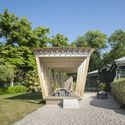
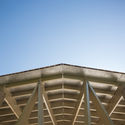
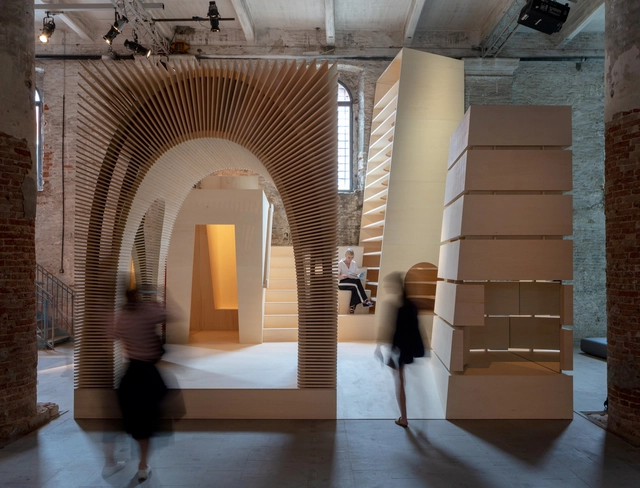
The beginning of the journey will be marked by the Asplund Chapel, designed by MAP Studio and built by ALPI, drawing inspiration from the “Woodland Chapel” built in 1920 by Gunnar Asplund at the Woodland Cemetery in Stockholm.
https://www.archdaily.com/891366/the-vatican-releases-details-of-first-ever-venice-biennale-entryNiall Patrick Walsh
As part of our 2018 Venice Architecture Biennale coverage we present the proposal for the Greek Pavilion. Below, the participants describe their contribution in their own words.
Xristina Argyros and Ryan Neiheiser have been selected to curate the exhibition of the Greek Pavilion in the 16th International Architecture Exhibition – La Biennale di Venezia - under the general theme “Freespace,” commissioned by Yvonne Farrell and Shelley McNamara. Entitled “The School of Athens,” the project will examine the architecture of the academic commons - from Plato’s Academy to contemporary university designs. The selection was made by The Greek Ministry of Environment and Energy and the Secretary-General of Spatial Planning and Urban Design, Eirini Klampatsea.
https://www.archdaily.com/890480/greek-pavilion-at-the-2018-venice-biennale-to-explore-utopian-visions-of-learningAD Editorial Team










_Jan_Bitter.jpg?1529500229&format=webp&width=640&height=580)
_Jan_Bitter.jpg?1529499856 "© Jan Bitter")
_Jan_Bitter.jpg?1529500587 "© Jan Bitter")
_Jan_Bitter.jpg?1529499982 "© Jan Bitter")
_Jan_Bitter.jpg?1529500229)