Shelter International Architectural Design Competition for Students 2018
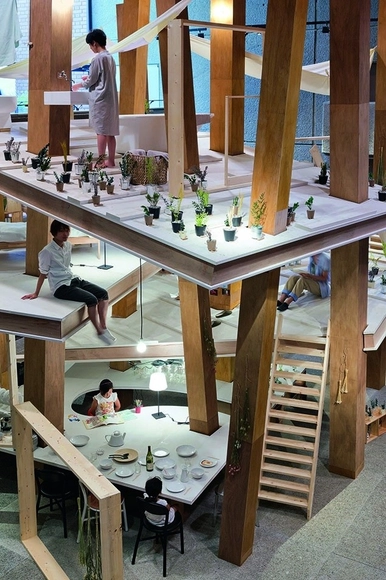
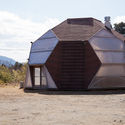
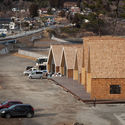
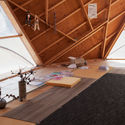
●Theme:What is “Home-for-All?” After the Great East Japan Earthquake in 2011, the “Home-for-All” project consisted of 16 homes built across towns in Sanriku. After the Kumamoto earthquake that occurred in 2016, a total of 93 “Home-for-All” were built within the region’s temporary housing site.
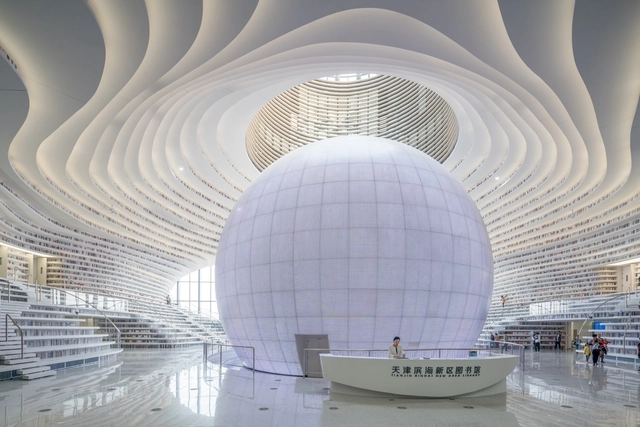
At first, books were kept in chests but as they became published in bulk they moved into the cupboard. The doors came off and the bookcase began to evolve. Today, bookcases can be integral architectural elements that shape space and, in some cases, even light. In celebration of International Day of the Book on April 23rd, ArchDaily compiled this round-up of architecturally, innovative bookcases.
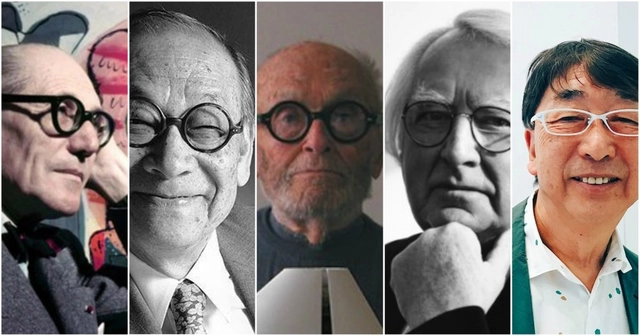
Eyeglasses: the quintessential accessory of the architect. They are mini pieces of architecture you can wear, and an outward expression of your inner persona. Whether they be square, round, or wire-frame, black, white, tortoiseshell, or bright neon tones, they represent our visionary ideals. As such, many of the most iconic spectacles have an interesting history behind them; so here are the stories behind seven of the most recognizable eyeglasses in the architecture world.
In his latest video, filmmaker Vincent Hecht takes us inside Toyo Ito's Tama Art University Library. The project is notable for its effortless geometry, with the entire building comprising a series of simple concrete arches which, when combined, create a complex "emergent grid" which allowed for great flexibility in the building's plan. Hecht's video shows how this geometry works in practice, as the elements of the library snake through the building's light, open interior.
https://www.archdaily.com/875133/the-complex-yet-simple-geometry-of-toyo-itos-tama-art-university-libraryAD Editorial Team
This article is part of our 'Innovative Materials' series where we ask architects about the creative process behind choosing the materials they use in their work.
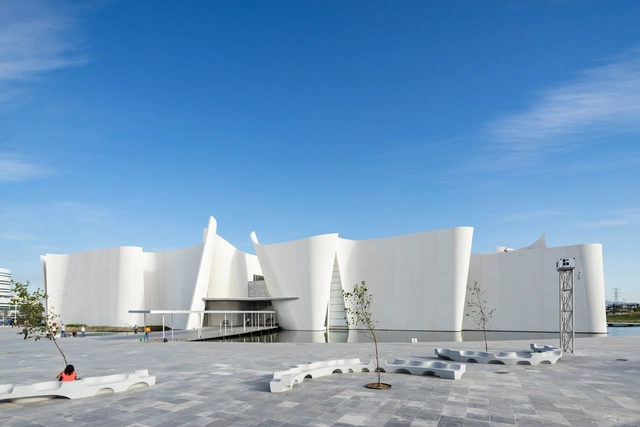
The Museo Internacional del Barroco (International Baroque Museum) by Toyo Ito is located 7km from Puebla, Mexico. The place is noted for its easy access, not only for cars, but also for being connected to a network of bike paths and public transport. In this interview we spoke with Alejandro Bribiesca Ortega and Miriam Carrada.
https://www.archdaily.com/805535/how-architects-realized-the-curving-twisted-slanted-walls-in-toyo-itos-mexican-museumArchDaily Team
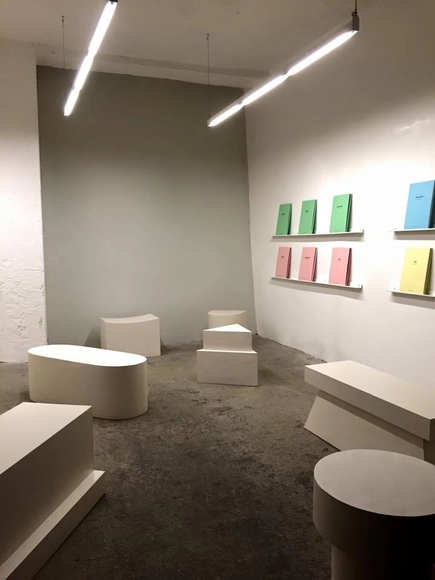
The encounter between CAMPO and Le FRAC Centre-Val de Loire of Orleans produced MISUNDERSTANDINGS, a project which, addressing one of the most important archives of architectural experiments worldwide, opens a reflection on the operative value of museums and collections for the contemporary discourse and practice of architecture.
A 10-year project in the making, the gargantuan cultural beacon is made of biomorphically curved concrete walls that wind together like a knot of arteries, creating an otherworldly experience for arts patrons. It’s every bit the landmark project you’d expect from 2013’s Pritzker Prize Laureate, but its rapidly approaching completion triggered a vital question: Where to go from here?
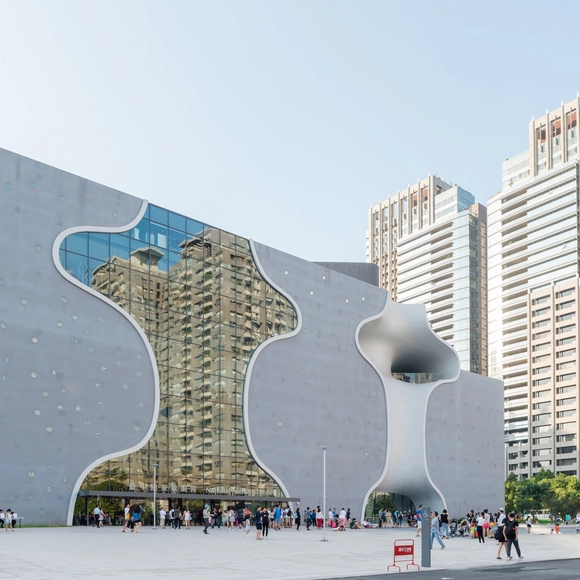
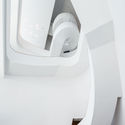
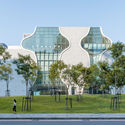
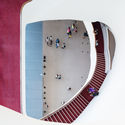
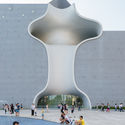
Designed in 2006, and under construction since 2009, Toyo Ito & Associates, Architects much anticipated National Taichung Theater has finally officially opened. The design is notable for its cavernous, curved and folded interior forms, which produce a dramatic and complex section that is neatly resolved into a rectilinear exterior form. Taiwan-based photographer Lucas K Doolan visited the new Opera House to study its impressive internal spaces and its presence in the surrounding urban environment.
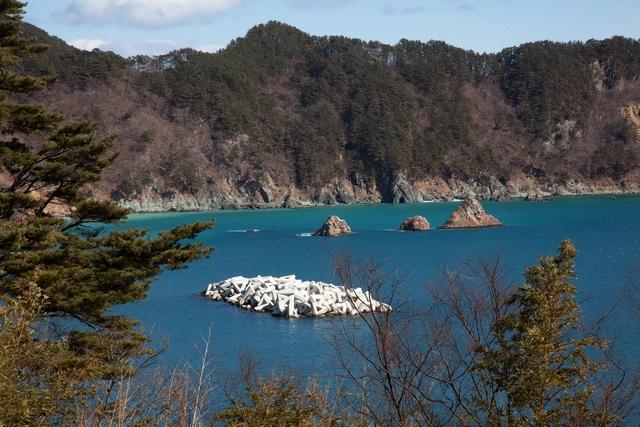
In this article, written by Christian Dimmer and illustrated with photographs by Max Creasy, the post-earthquake and tsunami coastal architectural landscape of the Japanese Prefectures of Aomori, Iwate and Miyagi are presented and studied.
Few disasters were as complex and their implications as hard to grasp as the compound calamity of earthquake, tsunami, nuclear meltdown that hit the North-East of Japan on March 11, 2011. While over 500 kilometers of coastline were devastated, the disaster unfolded in each of the hundreds of towns affected differently depending on local topographies, urban morphologies, existing landscape formations, collective memory of past disasters and preparedness, and the social ties within the communities.
The latest video in French architect and filmmaker Vincent Hecht’sJapanese Collection series features the Gifu Media Cosmos by Toyo Ito. The library/gallery features an undulating wooden ceiling and multiple large, suspended translucent funnels that define areas for different activities. A series of intermittent openings in the roof allows natural light into the space.
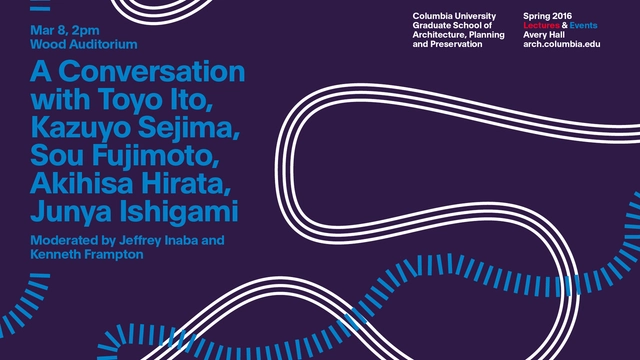
Columbia University Graduate School of Architecture, Planning and Preservation (GSAPP) hosts a conversation among five of the most influential contemporary Japanese architects: Toyo Ito, Kazuyo Sejima, Sou Fujimoto, Akihisa Hirata and Junya Ishigami. Moderated by Columbia GSAPP professors Jeffrey Inaba and Kenneth Frampton, the conversation aims to explore the relationships and creative exchanges among this prominent group of architects and designers.
A new exhibition, opening later this month in London, aims to examine the varying ways that cities and communities have been re-imagined in the aftermath of natural, or man-made, disasters. Including work by Yasmeen Lari, ELEMENTAL, OMA, Shigeru Ban, NLÉ, Toyo Ito, Metabolism (Kenzo Tange and Kurokawa Kisho) and Sir Christopher Wren, who redesigned London in the aftermath of the Great Fire of 1666, the exhibition will primarily explore contemporary responses to earthquakes and tsunamis. Posing questions about the fragility of architecture, our relationship to nature, and the power of architects to instigate change, it will ask whether we are facing a paradigm shift in the way that cities and communities recover from destruction.
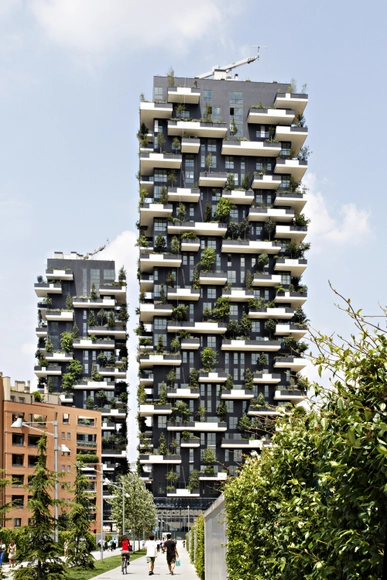
The Council on Tall Buildings and Urban Habitat (CTBUH) has shortlisted four buildings for the annual "Best Tall Building Awards." Considered to be the four best skyscrapers of the year, the buildings have been named from each of the four competing regions in the world - Americas; Asia and Australia; Europe; the Middle East and Africa - from nominees representing 33 countries. One of the buildings will be crowned the world's best at a ceremony this November.
In this installment from the Berlage Institute, Toyo Ito opens a discussion on his traveling exhibition Blurring Architecture, the first iteration of which took place in Aachen.Explaining that architecture is often thought of as a very solid element, Ito meditates on the concept of distortion and shifts in contemporary ideas of architecture. Rather than considering architecture as static, he argues for an "ambiguous boundary" that is "not about form" but rather about the "conception of architecture." Considering the effects of the economy and politics on architecture, Ito pushes deep into philosophical notions of what architecture is and does, and how inquiry shapes the physical form of designs.
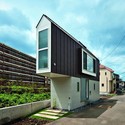
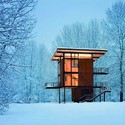
Taschen’s latest volume draws together the architectural underdogs that, despite their minute, whimsical forms, are setting bold new trends for design.
When economies falter and construction halts, what happens to architecture? Rather than indulgent, personal projects, the need for small and perfectly formed spaces is becoming an economic necessity, pushing designers to go further with less. In their new volume Small: Architecture Now!, Taschen have drawn together the teahouses, cabins, saunas and dollhouses that set the trends for the small, sensitive and sustainable, with designers ranging from Pritzker Laureate Shigeru Ban to emerging young practices.
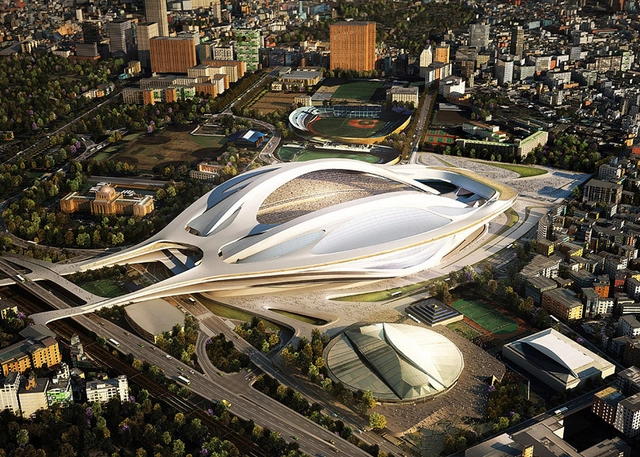
Though it seemed a compromise was met last October, when Japan’s minister of education, Hakubun Shimomura announced plans to reduce the cost and scale of the Zaha Hadid-designed Tokyo Olympic Stadium, the debate rages on.
Pritzker laureates Toyo Ito and Fumihiko Maki have launched an online petition to “defend the ginko tree-lined landscape of blue sky and Jingu Outer Gardens” from the construction of Hadid’s “oversized” stadium.
The petition (now with more than 13,000 signatures) urges the Japan Sports Council, who hand selected Hadid’s winning design alongside Tadao Ando, to reconsider upgrading the existing Meiji Jingo Gaien Stadium and the gardens surrounding it. This solution, they believe, is a more affordable and sustainable alternative that would prevent the relocation of nearby residents.
Take a tour though Zaha Hadid’s 2020 Olympic Stadium and share your thoughts about the design (and petition), after the break...
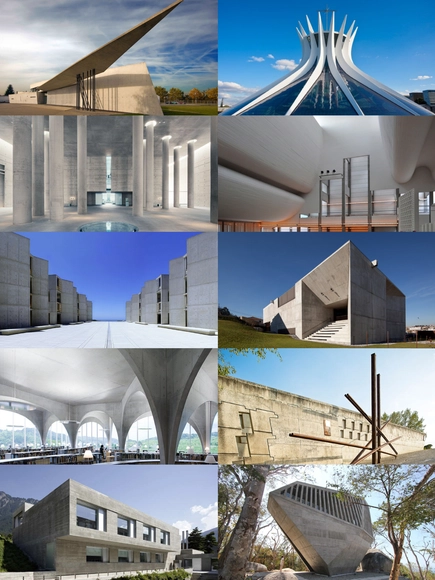
To celebrate the launch of ArchDaily Materials, our new product catalog, we've rounded up 10 awesome projects from around the world that were inspired by one material: concrete. Check out the projects after the break...
The list of architects that have collaborated with Zhang Xin’s development company, SOHO China, reads like the roster of an architectural dream team (which includes Zaha Hadid, Yung Ho Chang, Bjarke Ingels, Kengo Kuma, Kazuyo Sejima, Herzog & de Meuron, Thom Mayne, David Adjaye, Toyo Ito and others). So it’s no surprise that the self-made billionaire lectured to a packed house at Harvard University’s Graduate School of Design last Thursday. Xin spoke about her commitment to and love of design, explaining that her company’s mission is to bring a variety of architectural languages to China. And though SOHO’s projects are certainly experimental, Xin contends that her developer mindset actually helps meliorate the architect’s propensity to take the experiment too far—all without sacrificing the impressive and iconic forms of SOHO’s building portfolio.
WatchZhang Xin link her practice in real estate to larger global issues and catch a glimpse of two Zaha Hadid-designs currently under construction: Wangjing SOHO and Sky SOHO.








_MOMA.jpg?1451989017&format=webp&width=640&height=580)