1. ArchDaily
  2. Semillas

Semillas: The Latest Architecture and News

The European Cultural Centre Announces the Winners of the ECC Awards 2025 in Venice

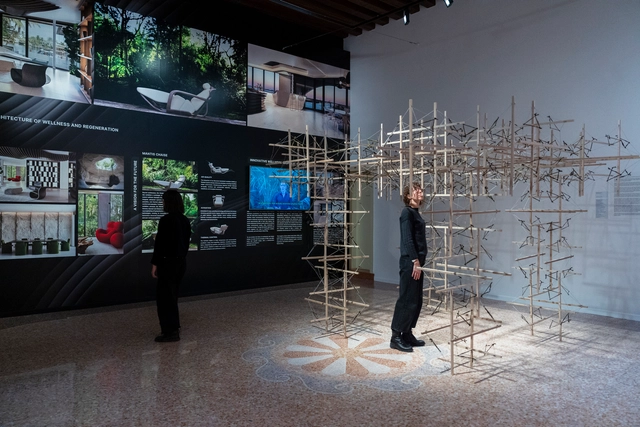
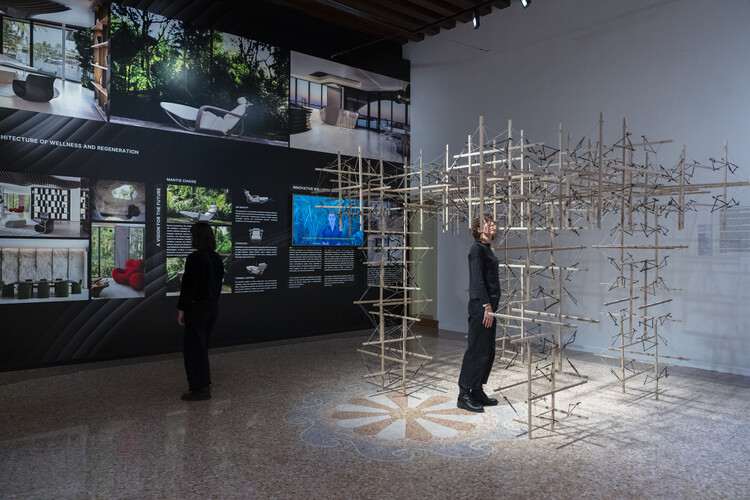
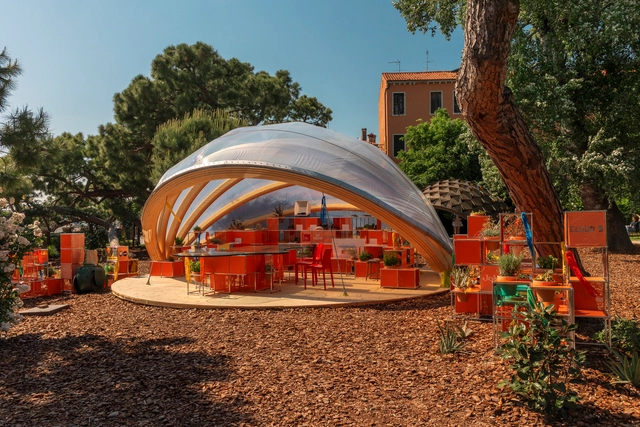
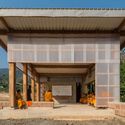
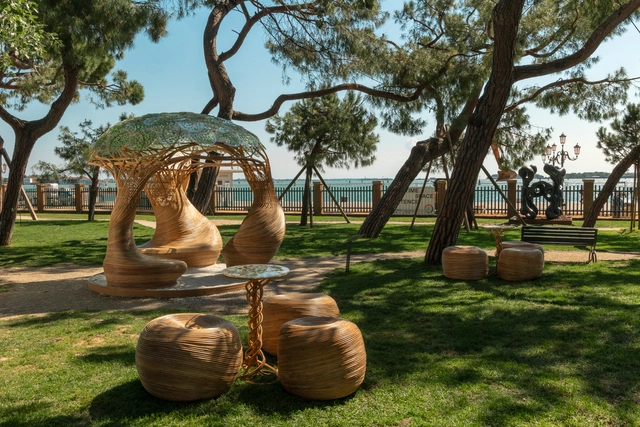
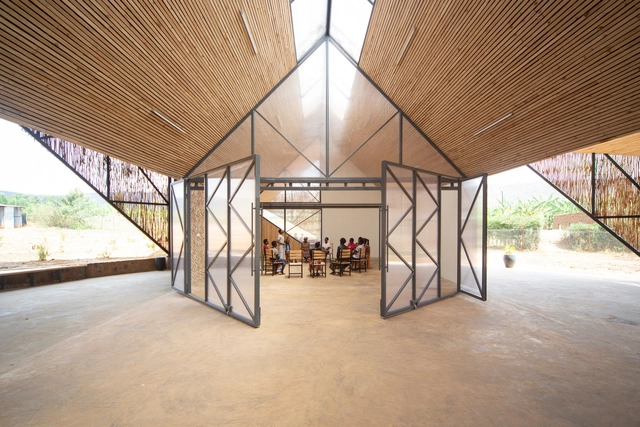
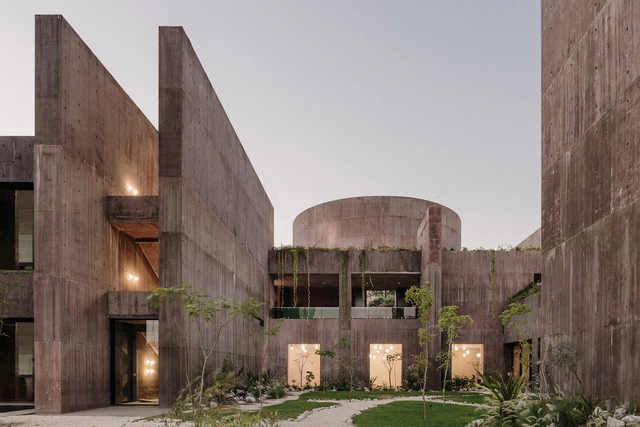
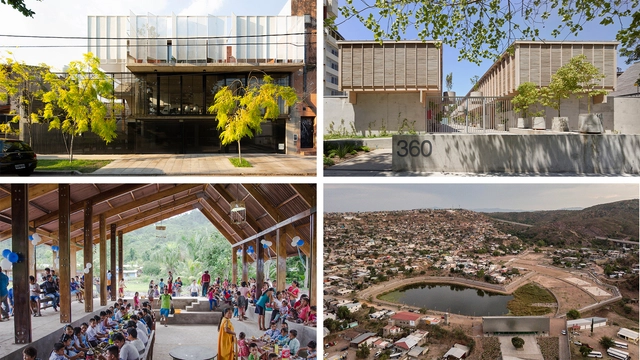
The European Cultural Centre (ECC) has announced the winners of the ECC Awards 2025, selected from participants of the seventh edition of Time Space Existence and unveiled during the exhibition's Closing Day on 23 November 2025 in Venice. Bringing together 207 practices from more than 52 countries, this year's edition highlighted a broad spectrum of architectural and design approaches responding to the themes of Repair, Regenerate, and Reuse. The awards recognise four projects that stood out for their originality, execution, narrative clarity, and forward-looking engagement with questions of sustainability, community, and the future of the built environment.

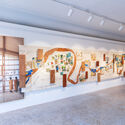
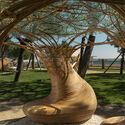
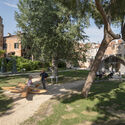
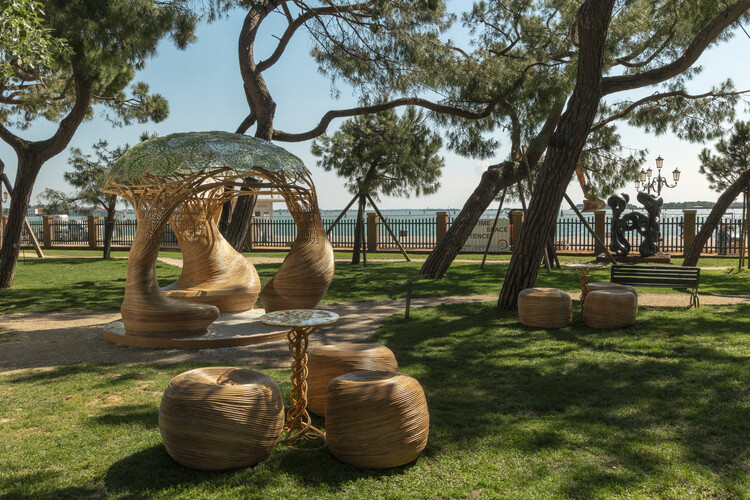
The European Cultural Centre Announces the Winners of the ECC Awards 2025 in Venice - Image 1 of 4The European Cultural Centre Announces the Winners of the ECC Awards 2025 in Venice - Image 2 of 4The European Cultural Centre Announces the Winners of the ECC Awards 2025 in Venice - Image 3 of 4The European Cultural Centre Announces the Winners of the ECC Awards 2025 in Venice - Image 4 of 4The European Cultural Centre Announces the Winners of the ECC Awards 2025 in Venice - More Images+ 2

The European Cultural Centre Announces 21 Shortlisted Projects for the 2025 ECC Awards

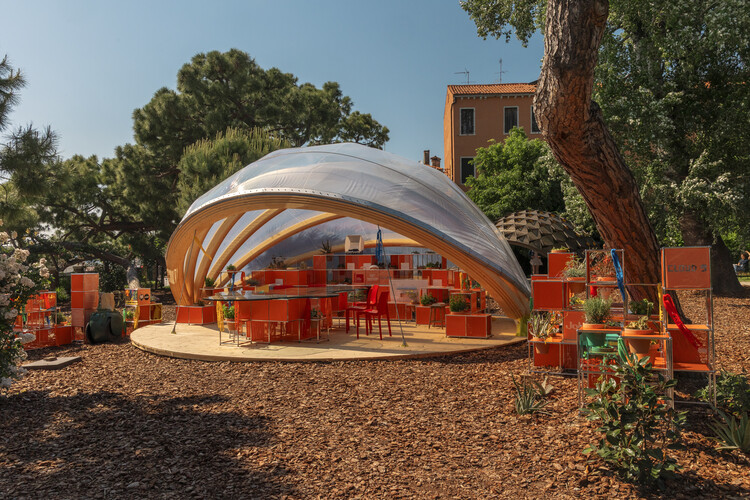
The European Cultural Centre Italy has organized the ECC Awards since 2010 to recognize artists, architects, designers, and academics in their respective fields. The Awards highlight projects featured in the Time Space Existence exhibition, which runs in parallel with the Venice Architecture Biennale and showcases tangible approaches to building more sustainably, aiming to position architecture as a force for environmental and social repair. The seventh edition of Time Space Existence is a group exhibition spanning three Venetian venues: Palazzo Bembo, Palazzo Mora, and the Marinaressa Gardens. This year, the exhibition focuses on the themes of Repair, Regenerate, and Reuse, emphasizing the essential role of architects and designers as agents of positive change in shaping sustainable, inclusive, and regenerative ways of living.

The European Cultural Centre Announces 21 Shortlisted Projects for the 2025 ECC Awards - Imagen 1 de 4The European Cultural Centre Announces 21 Shortlisted Projects for the 2025 ECC Awards - Imagen 2 de 4The European Cultural Centre Announces 21 Shortlisted Projects for the 2025 ECC Awards - Imagen 3 de 4The European Cultural Centre Announces 21 Shortlisted Projects for the 2025 ECC Awards - Imagen 4 de 4The European Cultural Centre Announces 21 Shortlisted Projects for the 2025 ECC Awards - More Images+ 22

Building Outdoor Learning Spaces: 5 Community Projects by Semillas in Peru

Subscriber Access | 

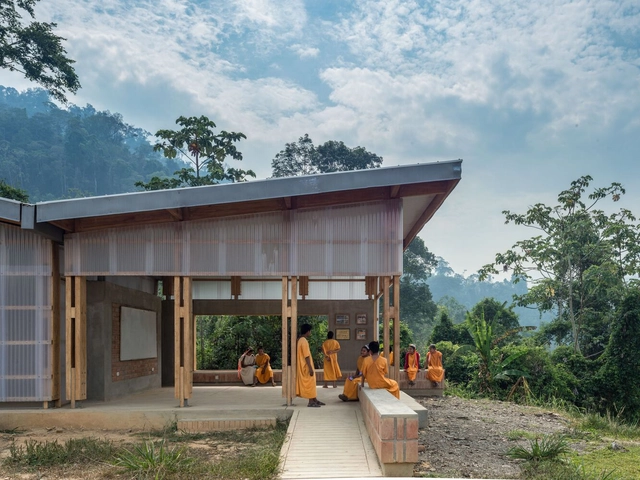
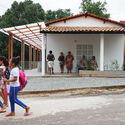
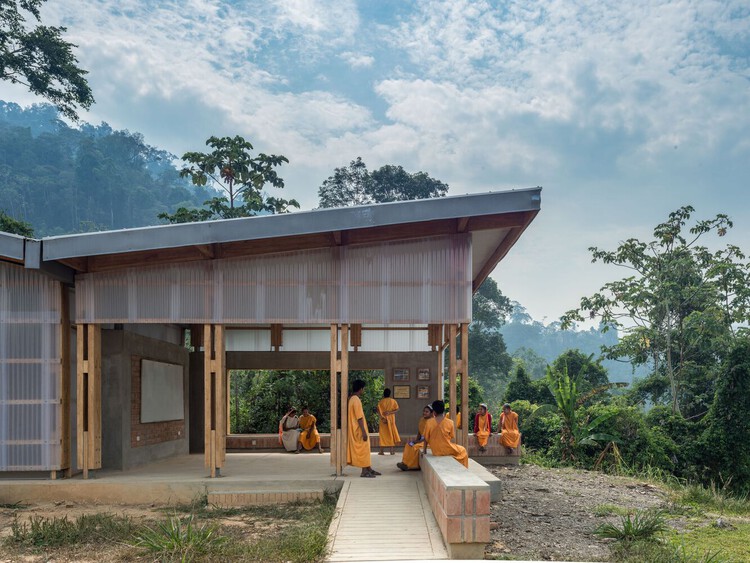
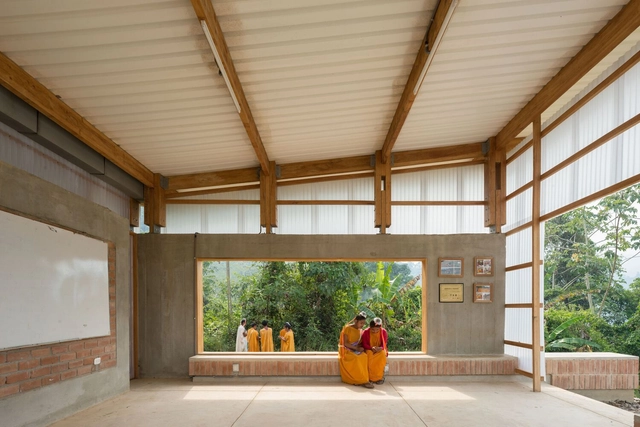
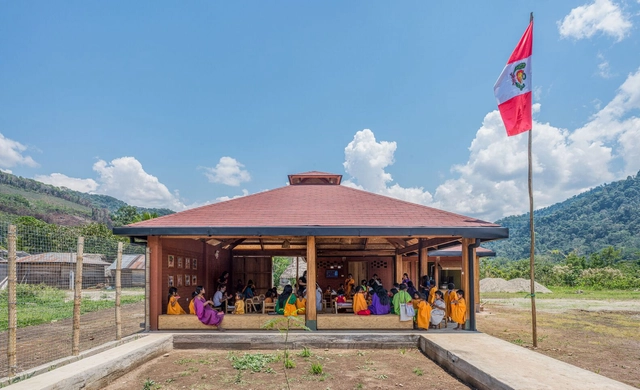
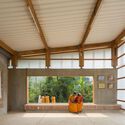
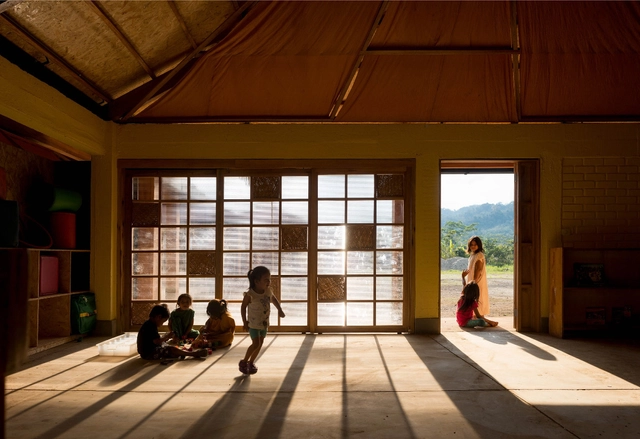
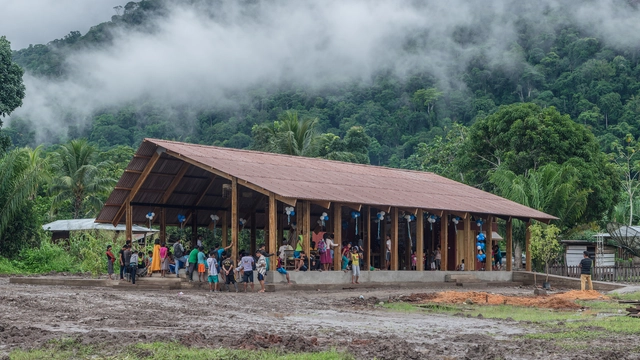
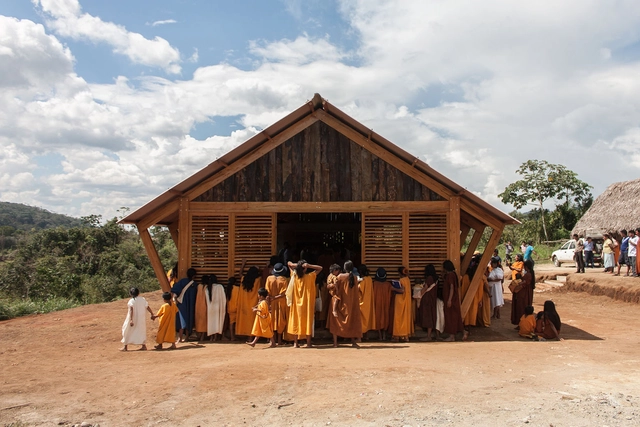
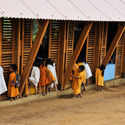
How is it possible to open educational spaces to the outdoors, and what are the appropriate conditions for their development? What bioclimatic strategies can be implemented to contribute to environmental comfort and the cultural preservation of communities? By conceiving outdoor learning spaces and blurring the boundaries between indoors and outdoors, the educational infrastructures projected by the Semillas association in the Peruvian jungle invite reflection on the opportunities for gathering, meeting, and community participation among students, families, and local residents. Linked to the site's uses and customs, this conception of space represents a way of living where the implementation of bioclimatic strategies, along with the use of local materials and construction techniques, come together to create an architecture connected to its environment and history.

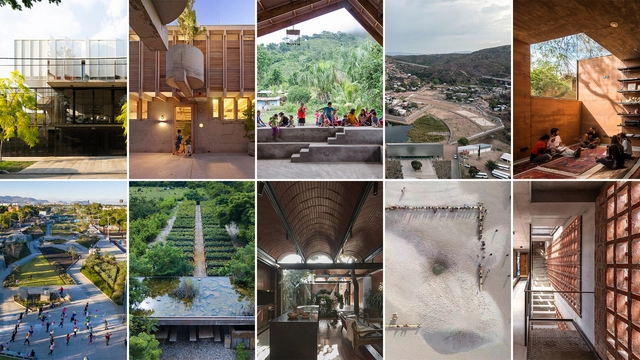
Building Outdoor Learning Spaces: 5 Community Projects by Semillas in Peru - Image 1 of 4Building Outdoor Learning Spaces: 5 Community Projects by Semillas in Peru - Image 2 of 4Building Outdoor Learning Spaces: 5 Community Projects by Semillas in Peru - Image 3 of 4Building Outdoor Learning Spaces: 5 Community Projects by Semillas in Peru - Image 4 of 4Building Outdoor Learning Spaces: 5 Community Projects by Semillas in Peru - More Images+ 7

Marta Maccaglia Receives the DIVIA Award: Diversity in Architecture 2023

The Diversity in Architecture Prize (DIVIA) was awarded to Italian architect Marta Maccaglia, founder of Semillas, for her commitment to educational construction in Peru. This international recognition of 20,000 euros aims to promote the visibility of women in the architecture industry. Among the five finalists of this edition were Tosin Oshinowo (Nigeria), May al-Ibrashy (Egypt), Noella Nibakuze (Rwanda), and Katherine Clarke and Liza Fior (United Kingdom).

"Projects Cannot be Carried Out Without First Feeling and Understanding the Place": Marta Maccaglia of Asociación Semillas

Subscriber Access | 

Talking to architect Marta Maccaglia about her work is not just talking about architecture. Each of her projects derives from a participatory way of working, based on the approach and deep understanding of its users in their social and local context, their needs, the territory and the available resources, resulting in works that acquire a meaning beyond that of the function itself.

The Mies Crown Hall Prize Announces Finalists for 2022 MCHAP Award for Emerging Practice

The Mies Crown Hall Americas Prize (MCHAP) has announced four finalist projects designed by emerging practices in the Americas for the 2022 MCHAP.emerge, the fourth cycle of the award.

Selected among a set of 50 projects by emerging practices, the four finalists' architects will present their work next September 21, 2022 at Mies van der Rohe’s S.R. Crown Hall at the Illinois Institute of Technology in Chicago, before the official announcement to be held at the end of the evening. Moreover, the 2022 MCHAP primary prize winner will be announced in April 2023.

In Times of Need: Architects Stepping Up in Humanitarian Crisis

Subscriber Access | 

Hard times bring people together. In recent years we have seen how collective work can be a driving force to help those affected by natural or man-made disasters. After a disaster or displacement, a safe physical environment is often essential. Therefore, the need for coordination becomes a key factor in assisting people in times of need.

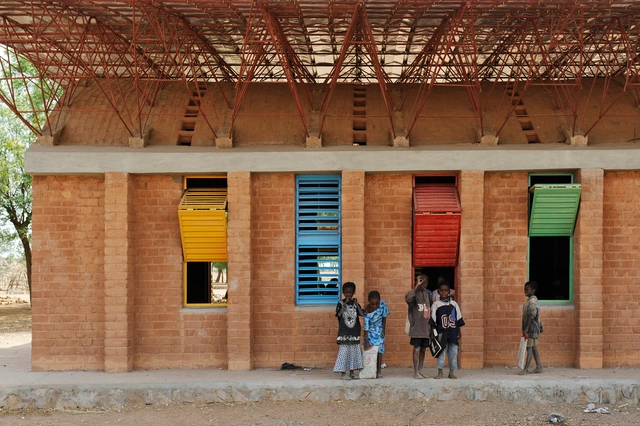
Architects, as "Shelter Specialists", play an important role in creating safe and adequate environments, whether it is individual housing, public buildings, schools, or emergency tent camps. But as architect Diébédo Francis Kéré says, "When you have nothing and you want to convince your community to believe in an idea, it may happen that everybody starts working with you, but you need to keep fighting to convince them."

In Times of Need: Architects Stepping Up in Humanitarian Crisis - Image 1 of 4In Times of Need: Architects Stepping Up in Humanitarian Crisis - Image 2 of 4In Times of Need: Architects Stepping Up in Humanitarian Crisis - Image 3 of 4In Times of Need: Architects Stepping Up in Humanitarian Crisis - Image 4 of 4In Times of Need: Architects Stepping Up in Humanitarian Crisis - More Images+ 25

Mazaronkiari Multifunctional Classroom / Semillas + Paulo Vale Afonso

Mazaronkiari Multifunctional Classroom / Semillas + Paulo Vale Afonso - Interior Photography, Dining Hall, Door, FacadeMazaronkiari Multifunctional Classroom / Semillas + Paulo Vale Afonso - Dining HallMazaronkiari Multifunctional Classroom / Semillas + Paulo Vale Afonso - Interior Photography, Dining Hall, Beam, Table, ChairMazaronkiari Multifunctional Classroom / Semillas + Paulo Vale Afonso - Interior Photography, Dining HallMazaronkiari Multifunctional Classroom / Semillas + Paulo Vale Afonso - More Images+ 14

Satipo, Peru