.jpg?1569479277)
Residential Architecture: The Latest Architecture and News
Pitanga House / Estúdio BRA Arquitetura
.jpg?1569478641 "© Federico Cairoli")
.jpg?1569478391 "© Federico Cairoli")
.jpg?1569478603 "© Federico Cairoli")
.jpg?1569478319 "© Federico Cairoli")

https://www.archdaily.com/925525/pitanga-house-estudio-braAndreas Luco
A Beach House on the Aegean Sea and a Hybrid Housing Development in Norway: 12 Unbuilt Projects Submitted to ArchDaily
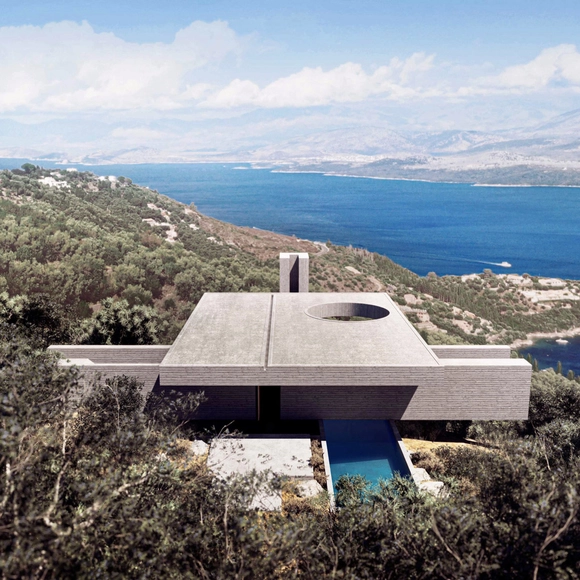
Focusing on the different typologies of houses, this week’s curated selection of Best Unbuilt Architecture highlights conceptual projects submitted by the ArchDaily Community. From urban developments to tiny homes, this article explores the topic of residential architecture and presents approaches from all over the world.
Featuring a cabin amidst the verdant forested region of northern Iran, a development in Georgia that offers an 80% recreational space to 20% housing ratio, and a project in Paris that re-questions our urban reality, and rethinks traditional forms of housing, this roundup tackles a multitude of scales. In addition, it underlines a collection of beach houses in Greece, Italy, Argentina, and Latvia each responding to a different landscape and topography. Other ideas underlined include the renovation of existing developments in Moscow, a residential-led transformation of a former factory in Manchester, and a family of blocks grouped around an elevated communal garden in the Netherlands.


https://www.archdaily.com/959028/a-beach-house-on-the-aegean-sea-and-a-hybrid-housing-development-in-norway-12-unbuilt-projects-submitted-to-archdailyChristele Harrouk
Marc Thorpe Designs House of Four Gardens along Savannah River Tributary
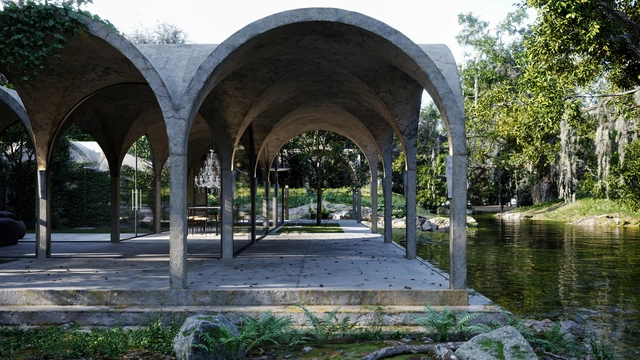
Marc Thorpe Design has unveiled a new home concept along a tributary of the Savannah River in the United States. Sited in the deep south, the "House of Four Gardens" was designed between live oaks and perennial ferns. Access to nature was a central concept throughout the entire home, and each space is defined by the geometry of the structure in plan.




https://www.archdaily.com/958903/marc-thorpe-designs-house-of-four-gardens-along-savannah-river-tributaryEric Baldwin
What Happens When Building Codes Rule Design?
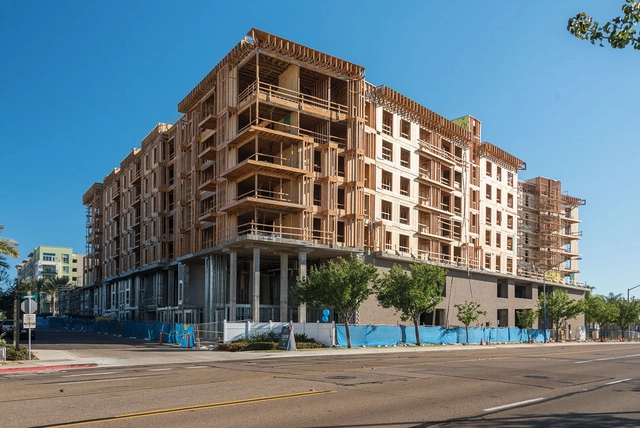
In an ideal world, architects would have free reign to design whatever they imagined. But the reality of the profession is that it comes with strings attached, and our visions are limited by clients, budgets, and perhaps the most dominating force, building codes. These codes have restricted and reshaped architecture so much, that it has forged a new type of building- the “stick frame over podium”, or “five over two” design. The result is a very distinct aesthetic of buildings and a notable monotony that has nearly redefined mid-rise residential architecture across the country.
https://www.archdaily.com/958809/what-happens-when-building-codes-rule-designKaley Overstreet
Arthaus, KPF’s First Residential Tower in Philadelphia, Tops Out

Arthaus, Kohn Pedersen Fox Associates' first residential tower in Philadelphia has just topped out. The 47-story development with 108 residences, slated for occupancy in early 2022, is located along the famed Avenue of the Arts directly across the street from the Kimmel Center for the Performing Arts.





https://www.archdaily.com/957411/arthaus-kpfs-first-residential-tower-in-philadelphia-tops-outChristele Harrouk
"We Can Be Catalysts for Change": Designer Fauzia Khanani on Pioneering New Prototypes for the Future
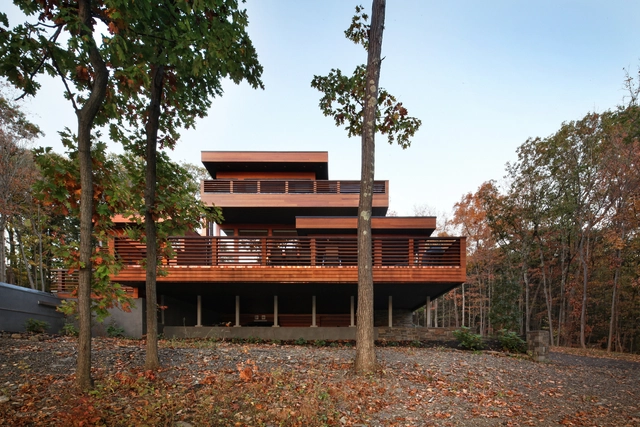
Fauzia Khanani is no stranger to challenging the status quo. Working on a range of projects around the globe, from New York and Zurich to Budapest and Geneva, she continues to rethink the process of design across the built environment. Her firm, Studio For, is pioneering new prototypes for the future of work in a post pandemic era. At the same time, she's working on a number of pro-bono conceptual community-driven projects.



https://www.archdaily.com/957008/we-can-be-catalysts-for-change-architect-fauzia-khanani-on-pioneering-new-prototypes-for-the-futureEric Baldwin
Living in Dakar, A Study of Senegalese Housing & Future Development

Launched by the Goethe Institut, Habiter Dakar (Living in Dakar) is a virtual exhibition tackling Housing in the Senegalese capital. The study was led by Nzinga Mboup and Caroline Geffriaud, both Architects based in Dakar. They noticed that the current housing offer in the city was particularly far off the needs of its inhabitants, whether on the cultural, societal or environmental level.
The architects analyzed the progression through which the Senegalese capital's Urban Landscape and Housing development had passed, starting from the traditional compound living type to today’s international housing models which seem to be disconnected from the daily reality of most of the city’s inhabitants. The study is concentrated on Housing which is an essential part of the formation and evolution of Dakar and suggests important theoretical and concrete reflections for the future development of the African metropolis.


https://www.archdaily.com/955865/living-in-dakar-a-study-of-senegalese-housing-and-future-developmentHana Abdel
Forja House / Pablo Pita Arquitectos
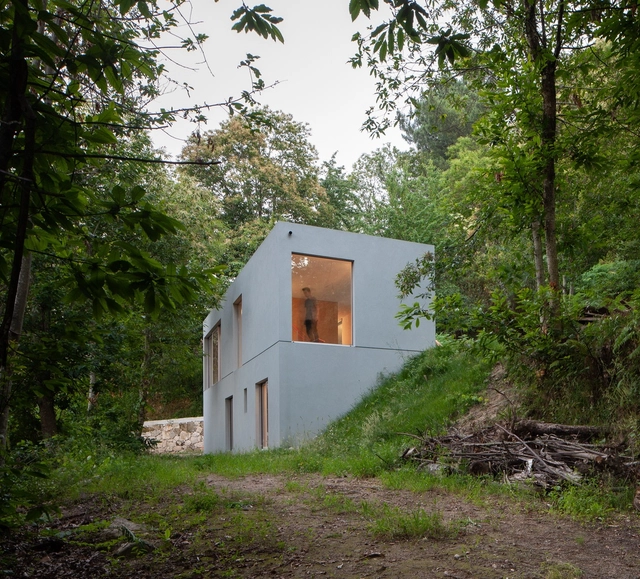

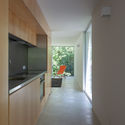
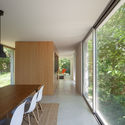
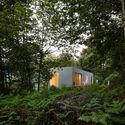

-
Architects: Pablo Pita Arquitectos
- Year: 2018
-
Professionals: Gatec, João Moreira & Filhos
https://www.archdaily.com/955741/forja-house-pablo-pita-arquitectosPilar Caballero
Tree House / Studio Guilherme Torres
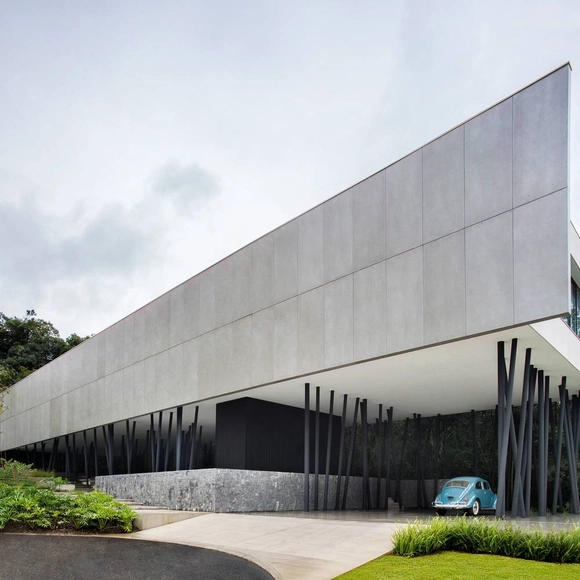


-
Architects: Studio Guilherme Torres
- Area: 1165 m²
- Year: 2018
https://www.archdaily.com/955523/tree-house-studio-guilherme-torresAndreas Luco
David Chipperfield Reveals Plans to Restore Belgium's Iconic former Grand Hotel in Nieuwpoort
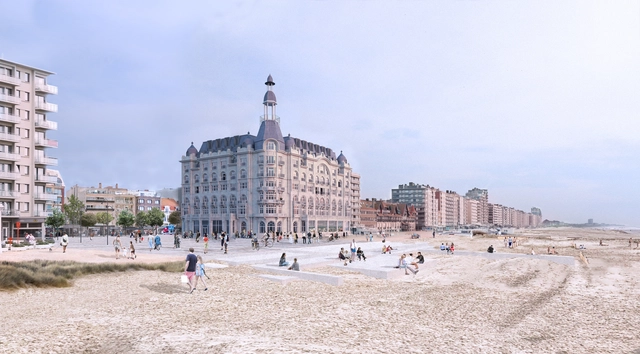
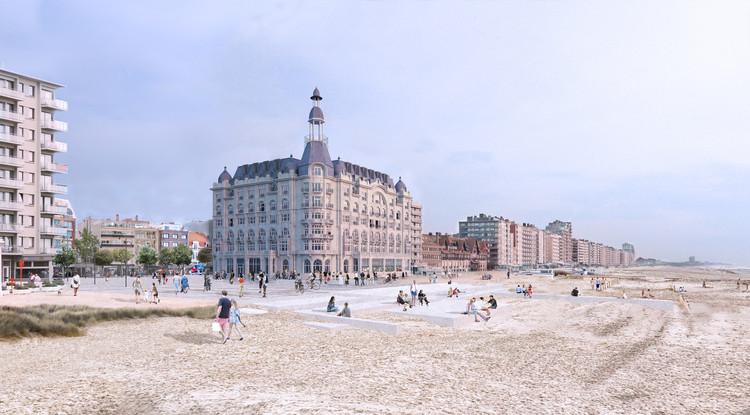
David Chipperfield Architects has unveiled his restoration plans for the Grand Hotel in Nieuwpoort, Belgium. Started in 2019, the project converts the structure into a residential building, while seeking to reinstate its landmark status. Becoming “The Grand residential building”, the architecture will also take on an extension that underlines a “sensitive understanding of heritage value and entails reinterpretation and invention as well as restoration”.




https://www.archdaily.com/955330/david-chipperfield-reveals-plans-to-restore-belgiums-iconic-former-grand-hotel-in-nieuwpoortChristele Harrouk
Brazilian Interiors With Exposed Structures
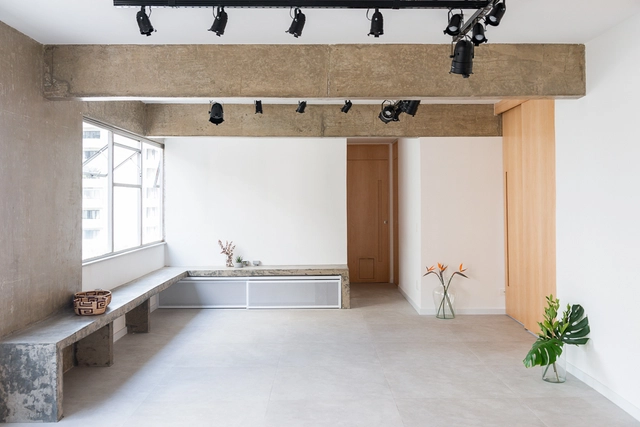
Many architects tend to prefer using materials and architectural elements in their natural or raw state. It is common to remove ceilings and finishings, especially in renovation projects, to expose a building's structure. This process of reclaiming the natural materials of construction - without incorporating elements to cover the framework, pipes, tubes, and cables - transforms these spaces into places that have nothing to hide.





https://www.archdaily.com/955037/brazilian-interiors-with-exposed-structuresSusanna Moreira
Sir Richard Rogers' First Residential Project in New York City Nears Completion
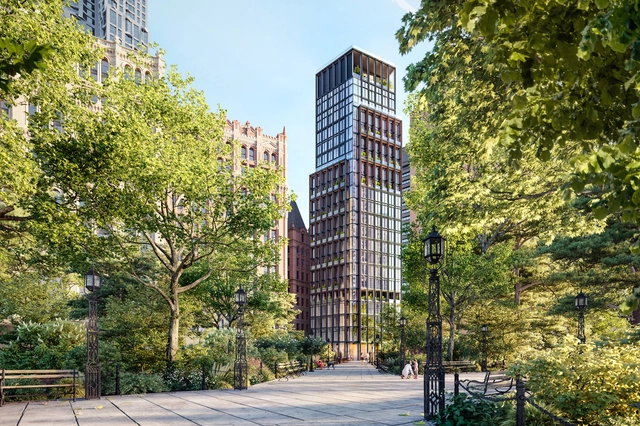
Rogers Stirk Harbour + Partners have unveiled images of their latest venture, No. 33 Park Row in New York City. Located across the street from City Hall Park in Downtown Manhattan, the project, nearing completion and set to officially launch in the spring of 2021, is the city’s first residential project designed by Sir Richard Rogers and Graham Stirk of Rogers Stirk Harbour + Partners.





https://www.archdaily.com/954932/sir-richard-rogers-first-residential-project-in-new-york-city-nears-completionChristele Harrouk
Residential Building Zug Schleife / Valerio Olgiati
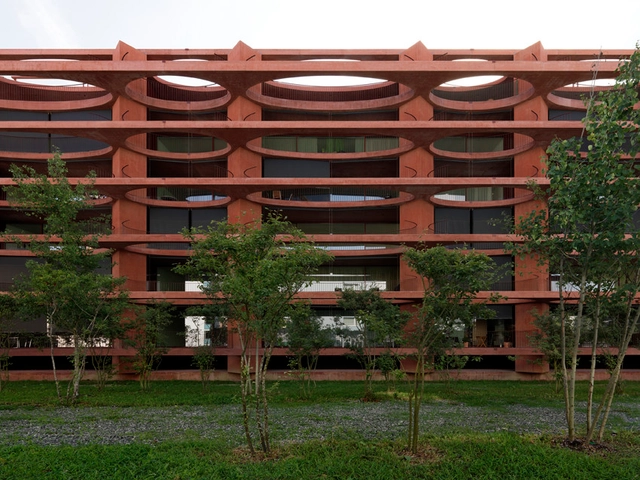


-
Architects: Valerio Olgiati
- Area: 13100 m²
- Year: 2012
-
Professionals: Conzett Bronzini Gartmann AG
https://www.archdaily.com/468287/residential-building-zug-schleife-valerio-olgiatiCristian Aguilar
Alto de Vila 365 House / Terra Arquitectos



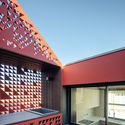
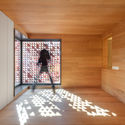

-
Architects: Terra Arquitectos
- Area: 245 m²
- Year: 2020
-
Manufacturers: Konceitus, MICROCRETE, Porcelanosa Grupo, Roca, Water Evolution
https://www.archdaily.com/954563/alto-de-vila-365-house-terra-arquitectosValeria Silva
House in Alentejo / BICA Arquitectos
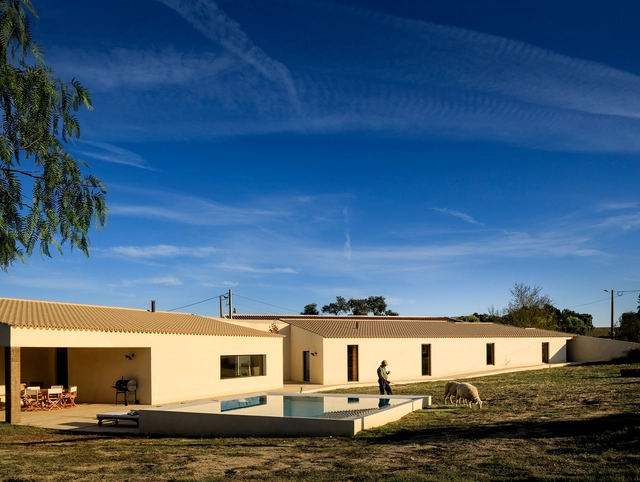
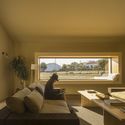

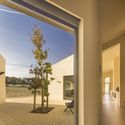
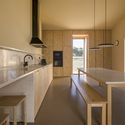

https://www.archdaily.com/954534/house-in-alentejo-bica-arquitectosAndreas Luco
Brazilian Houses: 21 Homes Under 100m²

Every architect has certainly already had the experience of designing a house throughout his or her career (or at least in university). Yet, developing a residential project with limited space, either due to physical restrictions of the land or a small budget, can be an interesting challenge while attempting to optimize the space, satisfy the architectural brief and provide maximum comfort to the future residents. With this in mind, we have gathered 21 Brazilian houses under 100 square meters along with their floor plans. Check out below:
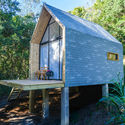
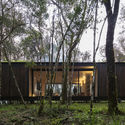

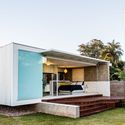
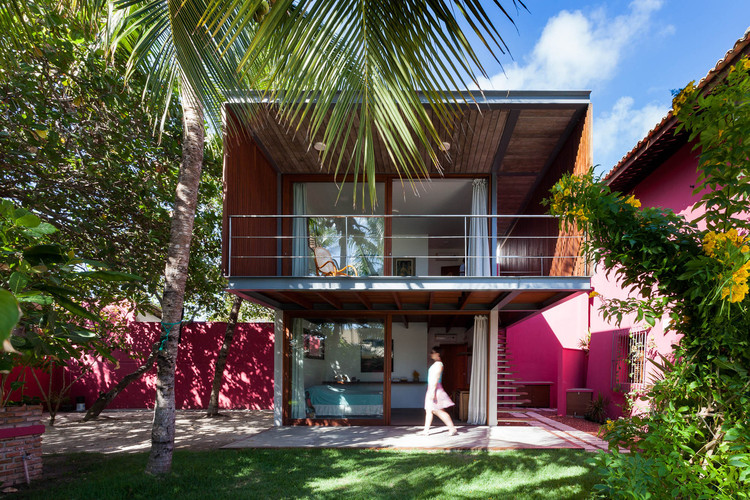
https://www.archdaily.com/954547/brazilian-houses-21-homes-under-100m2Matheus Pereira
Zaha Hadid Architects Designs Student Residence Development at the Hong Kong University of Science and Technology

ZHA and L&O have unveiled a new design for the Student Residence Development at the Hong Kong University of Science and Technology, one of the leading research institutions in Asia and around the world. Created after an urgent demand for new residential facilities and halls within the campus, the project is scheduled for completion in 2023.





https://www.archdaily.com/954470/zaha-hadid-architects-designs-student-residence-development-at-the-hong-kong-university-of-science-and-technologyChristele Harrouk
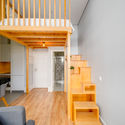
Apartamentos Braga Urban Studios / ARPO
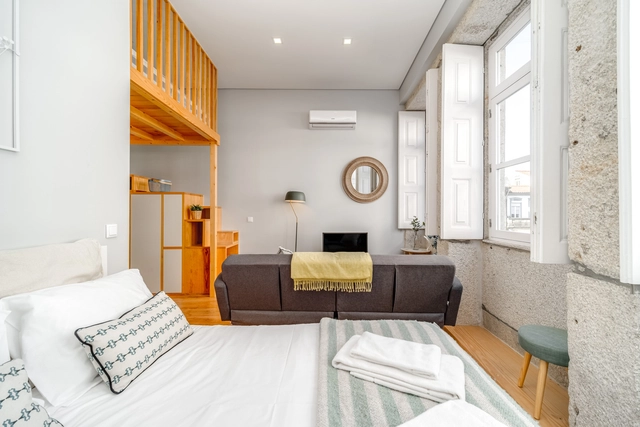




https://www.archdaily.com/953710/apartamentos-braga-urban-studios-arpoValeria Silva