1. ArchDaily
  2. Passive Cooling

Passive Cooling: The Latest Architecture and News

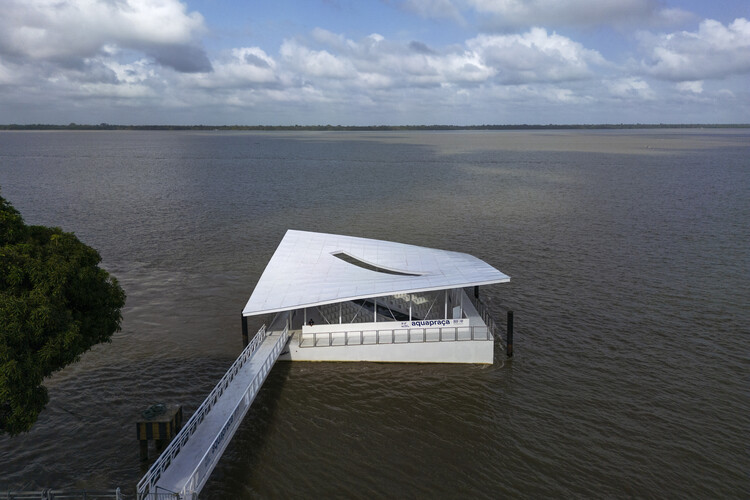
COP30 Outcomes for the Built Environment: From Sustainable Cooling to Climate Adaptation Commitments

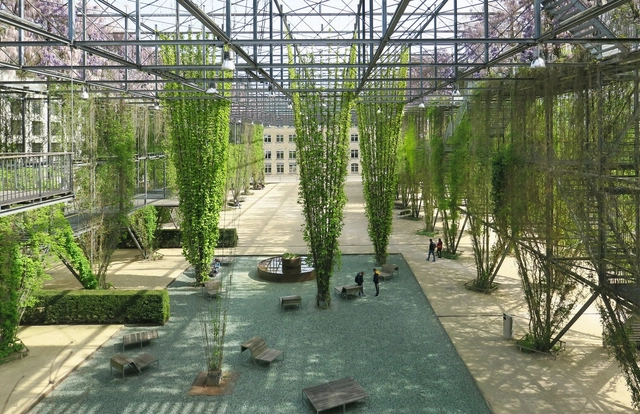
On November 21, 2025, the closing day of the 30th edition of the Conference of the Parties (COP) took place, the yearly gathering of United Nations member states to negotiate international climate agreements and assess global progress toward emissions reduction. This year, the event was held in Belém, Brazil, a port city of fewer than 1.5 million people, widely known as a gateway to Brazil's lower Amazon region. First convened in 1992, UN Climate Change Conferences (or COPs) are an international multilateral decision-making forum on climate change involving 198 "Parties" (197 countries, nearly all of them, depending on definitions of country, and the European Union). Their purpose is to assess global efforts toward the central Paris Agreement aim of limiting global warming to as close as possible to 1.5 °C above pre-industrial levels. The event brings together leaders and negotiators from member states, business figures, young people, climate scientists, Indigenous Peoples, and civil society around issues considered essential to that climate goal. This year, COP30 was marked by strong criticism of its ties to the fossil fuel industry, descriptions of agreements as fragile and insubstantial, and the struggle to move climate finance "from pledge to lifeline."

COP30 Outcomes for the Built Environment: From Sustainable Cooling to Climate Adaptation Commitments - Imagen 1 de 4COP30 Outcomes for the Built Environment: From Sustainable Cooling to Climate Adaptation Commitments - Imagen 2 de 4COP30 Outcomes for the Built Environment: From Sustainable Cooling to Climate Adaptation Commitments - Imagen 3 de 4COP30 Outcomes for the Built Environment: From Sustainable Cooling to Climate Adaptation Commitments - Imagen 4 de 4COP30 Outcomes for the Built Environment: From Sustainable Cooling to Climate Adaptation Commitments - More Images+ 12

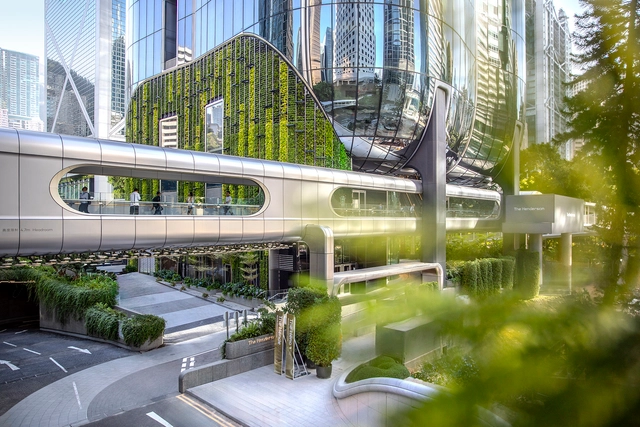
Hong Kong's Queensway Reimagined: Sara Klomps on the Genesis and Ambition of The Henderson by Zaha Hadid Architects

Subscriber Access | 

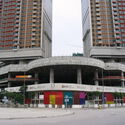
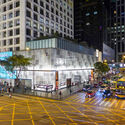
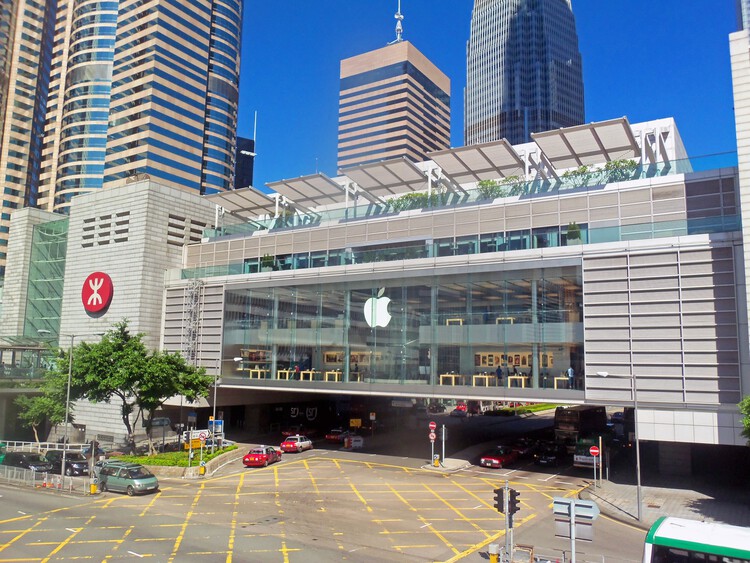
Architectural landmarks often cluster together. In Tokyo, the iconic Omotesando is a well-known stretch where global "starchitects" built flagship luxury retail spaces in the 2000s. Hong Kong has a lesser-known but equally powerful architectural agglomeration along Queensway—though historically more corporate and less publicly engaging. Beginning in the 1980s, this corridor became home to a series of landmark buildings by some of the world's most prominent architects: Norman Foster's HSBC Headquarters, I.M. Pei's Bank of China Tower, Paul Rudolph's Lippo Centre, and the nearby Murray Building by Ron Phillips—now revitalized as a hotel by Foster + Partners. The area is further enriched later on by Heatherwick Studio's renovation of Pacific Place and Tod Williams Billie Tsien Architects' Asia Society Hong Kong Center.

Hong Kong's Queensway Reimagined: Sara Klomps on the Genesis and Ambition of The Henderson by Zaha Hadid Architects - Image 1 of 4Hong Kong's Queensway Reimagined: Sara Klomps on the Genesis and Ambition of The Henderson by Zaha Hadid Architects - Image 2 of 4Hong Kong's Queensway Reimagined: Sara Klomps on the Genesis and Ambition of The Henderson by Zaha Hadid Architects - Image 3 of 4Hong Kong's Queensway Reimagined: Sara Klomps on the Genesis and Ambition of The Henderson by Zaha Hadid Architects - Image 4 of 4Hong Kong's Queensway Reimagined: Sara Klomps on the Genesis and Ambition of The Henderson by Zaha Hadid Architects - More Images+ 7

Bahrain’s 2025 Venice Biennale Pavilion Addresses the Global Issue of Extreme Heat

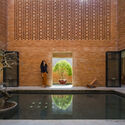
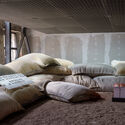
The Kingdom of Bahrain's national pavilion at the 19th International Architecture Exhibition of La Biennale di Venezia was awarded this year's Golden Lion for Best National Participation. Titled Heatwave, the exhibition was curated by architect Andrea Faraguna and located in the historic Artiglierie of the Arsenale. Through a site-specific installation, Heatwave reimagines the design of public space by exploring passive cooling strategies rooted in Bahrain's climatic realities and cultural context. The project's aim, to offer a speculative yet grounded architectural response to the environmental urgency shaping urban life today, was recognized by the Biennale's international jury, which praised its "viable proposals for extreme heat conditions."

Bahrain’s 2025 Venice Biennale Pavilion Addresses the Global Issue of Extreme Heat - Image 1 of 4Bahrain’s 2025 Venice Biennale Pavilion Addresses the Global Issue of Extreme Heat - Image 2 of 4Bahrain’s 2025 Venice Biennale Pavilion Addresses the Global Issue of Extreme Heat - Image 3 of 4Bahrain’s 2025 Venice Biennale Pavilion Addresses the Global Issue of Extreme Heat - Image 4 of 4Bahrain’s 2025 Venice Biennale Pavilion Addresses the Global Issue of Extreme Heat - More Images+ 6

Revisiting Skyscraper Design: The Benefits of Responsive Facades and Passive Designs

Subscriber Access | 

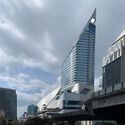
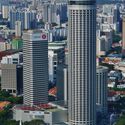
Our contemporary society has been witnessing a surge in skyscraper construction in urban centers worldwide for various reasons—including engineering advancements, increased urban density, space constraints, and, arguably, a competitive drive for building the tallest structures. The allure of all-glass facades and the pursuit of curtain walls with larger panes of continuous glass have often come at the cost of functionality.

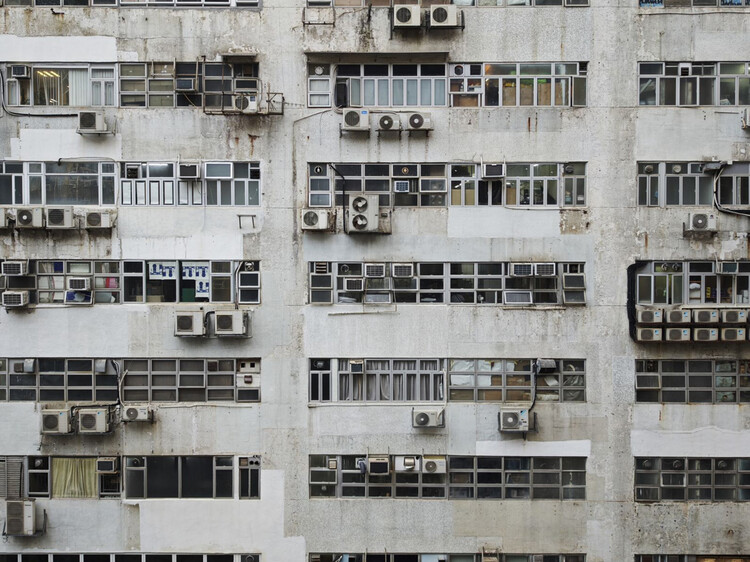
In these towers, operable windows are sacrificed for aesthetics and expansive views, with a central core layout that maximizes 360-degree views while creating architectural "solar heat-gain monsters." Without natural or cross ventilation, these glass skyscrapers trap significant heat from solar radiation within habitable spaces, relying almost exclusively on mechanical HVAC systems to cool these spaces. This raises the question: is passive ventilation strategy becoming obsolete in high-rise design, or can operable systems be integrated effectively into our high-tech towers?

Revisiting Skyscraper Design: The Benefits of Responsive Facades and Passive Designs - Image 1 of 4Revisiting Skyscraper Design: The Benefits of Responsive Facades and Passive Designs - Image 2 of 4Revisiting Skyscraper Design: The Benefits of Responsive Facades and Passive Designs - Image 3 of 4Revisiting Skyscraper Design: The Benefits of Responsive Facades and Passive Designs - Image 4 of 4Revisiting Skyscraper Design: The Benefits of Responsive Facades and Passive Designs - More Images+ 24

Zaha Hadid Architects Reveals Design for New Scientific Research Centre in Tashkent, Uzbekistan

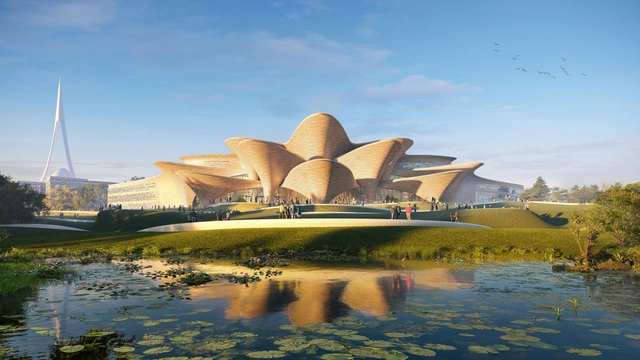
Zaha Hadid Architects (ZHA) has been announced as the architect of the Alisher Navoi International Scientific Research Centre, an expansive cultural and educational facility taking shape in New Tashkent, Uzbekistan. The center is set to incorporate the Navoi State Museum of Literature, along with a 400-seat auditorium and an International Research Center and residential school dedicated to training 200 students in the Uzbek language, literature, and music.

Zaha Hadid Architects Reveals Design for New Scientific Research Centre in Tashkent, Uzbekistan - Image 1 of 4Zaha Hadid Architects Reveals Design for New Scientific Research Centre in Tashkent, Uzbekistan - Image 2 of 4Zaha Hadid Architects Reveals Design for New Scientific Research Centre in Tashkent, Uzbekistan - Image 3 of 4Zaha Hadid Architects Reveals Design for New Scientific Research Centre in Tashkent, Uzbekistan - Image 4 of 4Zaha Hadid Architects Reveals Design for New Scientific Research Centre in Tashkent, Uzbekistan - More Images+ 8

Reimagining The Mashrabiya: Functionality and Symbolism in Contemporary Architecture

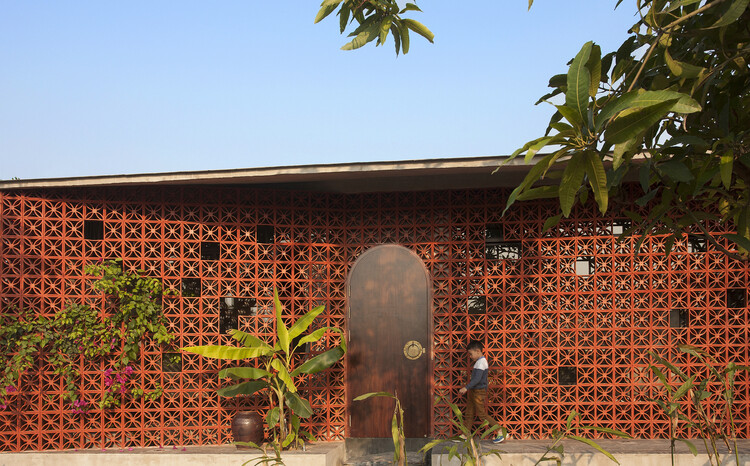
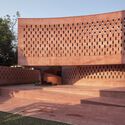
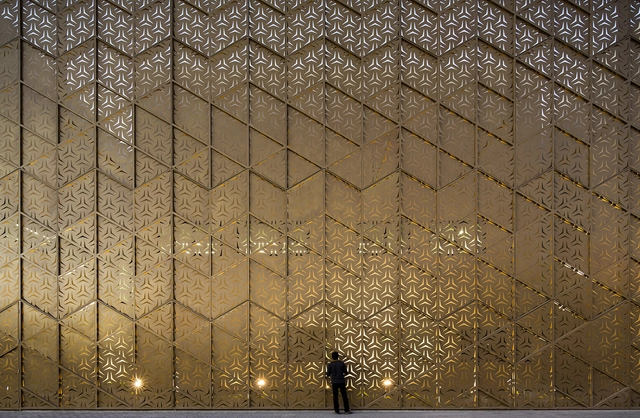
For centuries, arid environments have solved the problem of light, privacy, and heat through a statement architectural feature of Islamic and Arab architecture, the mashrabiya. Crafted from geometric patterns traditionally made from short lengths of turned wood, the mashrabiya features lattice-like patterns that form large areas. Traditionally, it was used to catch wind and offer passive cooling in the dry Middle Eastern desert heat. Frequently used on the side street of a built structure, water jars, and basins were placed inside it to activate evaporative cooling. The cool air from the street would pass through the wooden screen, providing air movement for the occupants.

Similar to the Indian jali, the vernacular language also offers a playful experience with daylight while still maintaining a certain degree of privacy. Traced back to Ottoman origins, the perforated screens protected occupants’ from the sun while simultaneously letting daylight through in calculated doses. Although the mashrabiya was a statement in arab and Islamic architecture languages, it wasn’t until 1987 that the archetypal element began appearing with a revised contemporary application.

Reimagining The Mashrabiya: Functionality and Symbolism in Contemporary Architecture  - Image 1 of 4Reimagining The Mashrabiya: Functionality and Symbolism in Contemporary Architecture  - Image 2 of 4Reimagining The Mashrabiya: Functionality and Symbolism in Contemporary Architecture  - Image 3 of 4Reimagining The Mashrabiya: Functionality and Symbolism in Contemporary Architecture  - Image 4 of 4Reimagining The Mashrabiya: Functionality and Symbolism in Contemporary Architecture  - More Images+ 7