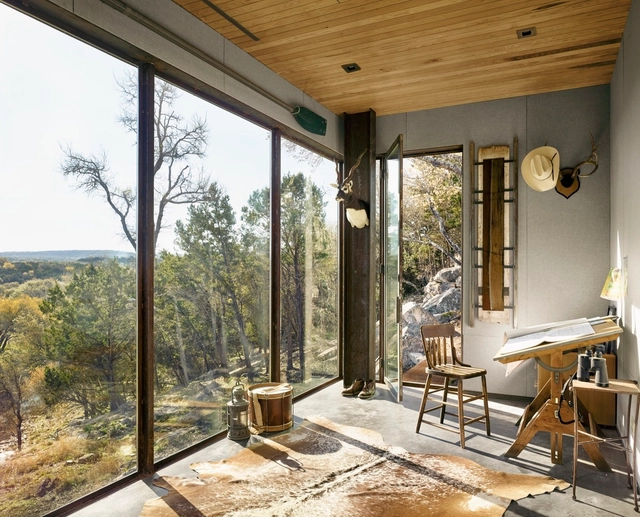
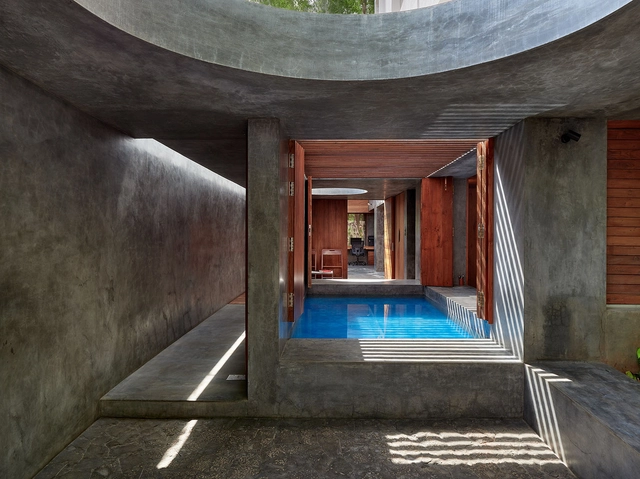
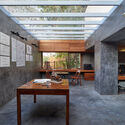
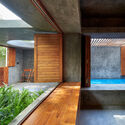
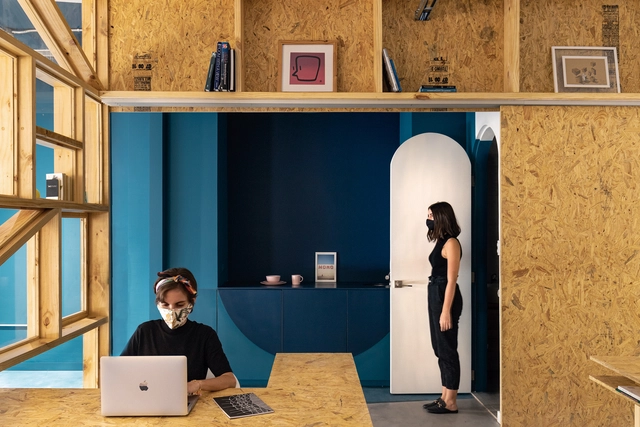
It's not uncommon to see housing complexes integrate commercial spaces at the ground level, but the challenge of mediating between the private and public realm on a smaller scale, especially with the rise of the home office, has forced architects to explore all aspects of the structure, from the topography it sits on, to the direction of light and wind, to the design and organization the domestic space. This interior focus explores different design solutions that show how architects and interior designers transformed their projects from a living space into a mixed-use typology, taking into account privacy, flexibility, functionality, and predefined spatial requirements.
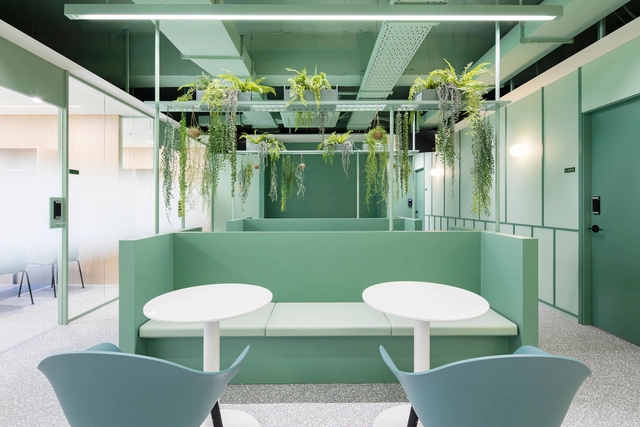
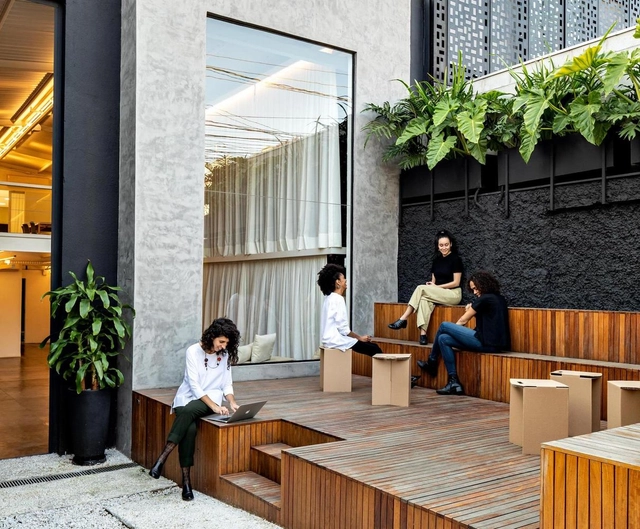
Offices have evolved tremendously in recent years. They are becoming more and more like a domestic space, incorporating new color palettes, flexible furnishings, warm textures, and even greenery as part of the design. In the latter case, it is not simply an aesthetic addition, but the greenery is integrated in such a way that it completely transforms and enhances the work experience of the people inside. How can plants become protagonists of the workspace? Let's review 7 cases that creatively integrate them in favor of the well-being of users.
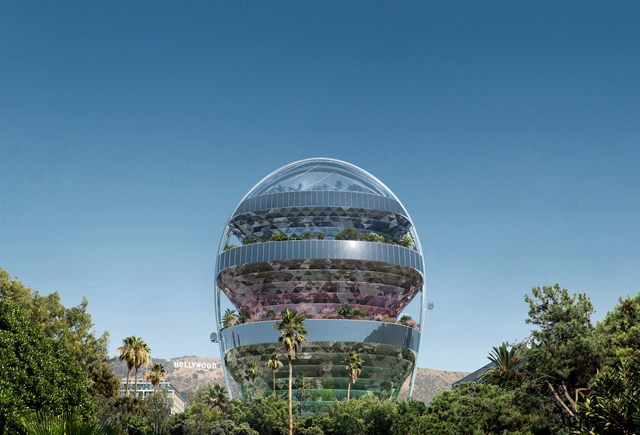
MAD Architects has announced "The Star", a new landmark that will foster culture, creativity, and inspiration in Los Angeles, California. Nestled in the heart of Hollywood, the Star's reflective architecture nods the neighborhood's glamorous characteristics and embeds nature within its structure with natural lighting, greenery, and workplaces that cater to the employees' mental and physical wellbeing.
The Coronavirus pandemic demanded new needs and significant changes in our lives: in relationships, at work, in consumption habits, in increasing inequality. Indeed, the theme of workspaces came up in a historical moment when people saw their own freedoms limited for the first time in the postmodern era.
Most people were forced to work from home, and since the beginning of quarantine, reflection on the future of workspaces has become inevitable. Some interesting data show that the Coronavirus only boosted a practice that had been consolidating for years in some countries. According to the Global Workplace Analytics e FlexJobs, between 2005 and 2015, the number of professionals in the United States who do at least 50% of their work from home or elsewhere outside their offices grew by 115%, and today that number reaches 4.7 million, 3.4% of the strength of the job.
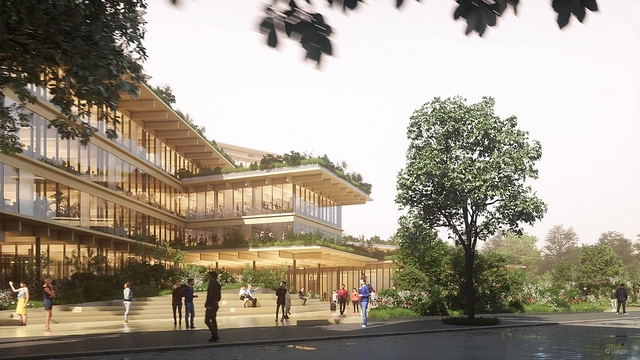
Construction has begun on “Welcome, feeling at work”, a biophilic office of the future in Milan, Italy. Designed by Kengo Kuma & Associates and commissioned by Europa Risorse, this venture seeks to create a workspace centered on employee health and wellbeing, integrated within its local environment. Imagined to be one of the most sustainable office development to date, the project is scheduled for 2024.
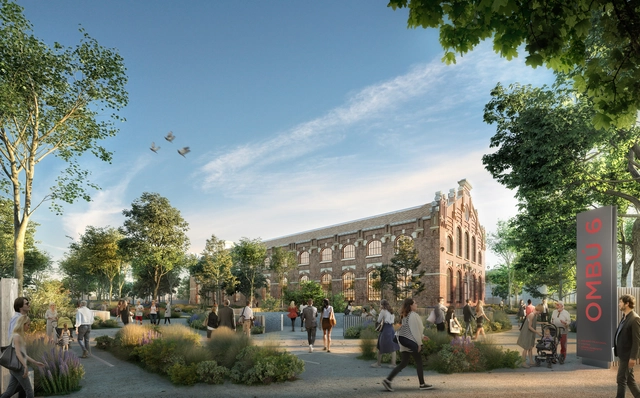
General view of the revitalised industrial building sitting in a landscaped garden. Image Courtesy of Foster + Partners
Foster + Partners is leading massive refurbishment works on a historic building in Madrid. The renovation project that will put in place an office building for Acciona, seeks to revitalize an abandoned old industrial building built in 1905, generating over 10,000 square-meters of new spaces.
Extreme weather and conditions call for contextual architectural approaches. From sandy deserts to cold, icy climates, how we build is intimately tied to location. Drawing from diverse project sites around the world, architects and designers create proposals that construct and organize new ways to live, work and play. These unbuilt projects rethink traditional forms while addressing a wide range of landscape conditions.
This week’s curated selection of the Best Unbuilt Architecture focuses on diverse typologies in hot and cold climates around the world. Drawn from an array of firms and local contexts, they represent proposals submitted by the ArchDaily Community. They explore everything from generative design through a desert shelter in Siwa and a cave dwelling in China to a coastal development in Spain and a series of igloo habitats for penguins in Antarctica.
2020 has fundamentally changed our spatial routines and the current health crisis brought about a significant amount of speculation regarding how our daily lives will unfold onward. With the year coming to an end, we look at how the pandemic accelerated some architecture trends that were already underway, and how it brought into question other well-established ideas.
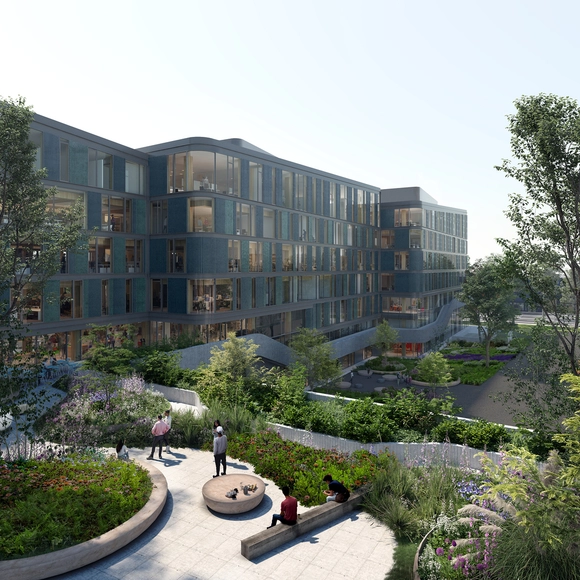
Construction has begun on MVRDV’s six-story sustainable office and laboratory complex. Located in the heart of Amsterdam Science Park, in the eastern part of the city, the project, designed for the Matrix Innovation Center, “will be virtually energy neutral and uses demountable construction techniques”.
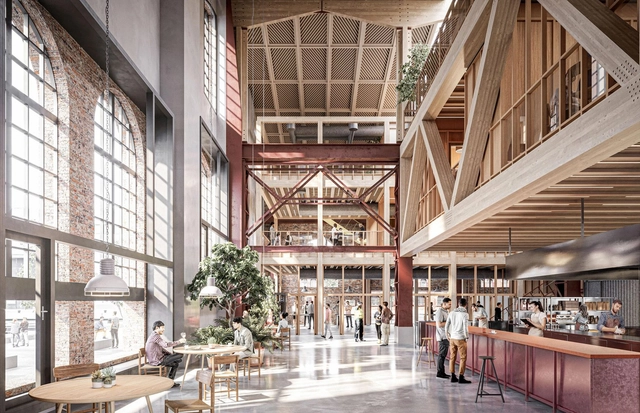
Kjellander Sjoberg has revealed plans to transform the historical building Gjuteriet into an innovative, open public meeting place. Located in the Varvstaden district, a new sustainable neighborhood in Malmö, Sweden, the project will become a contemporary and versatile work environment. Fitting 300 workspaces across 4,600 sq. m., the building also includes meeting rooms, open lounges, conference rooms, a conservatory, studios, exhibition spaces, a test kitchen, and wellness facilities.
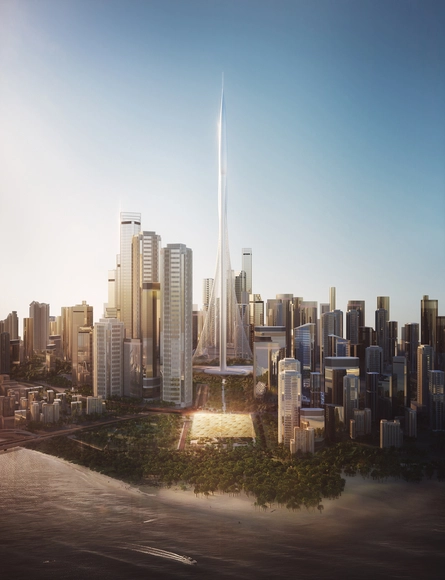
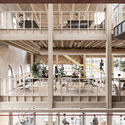
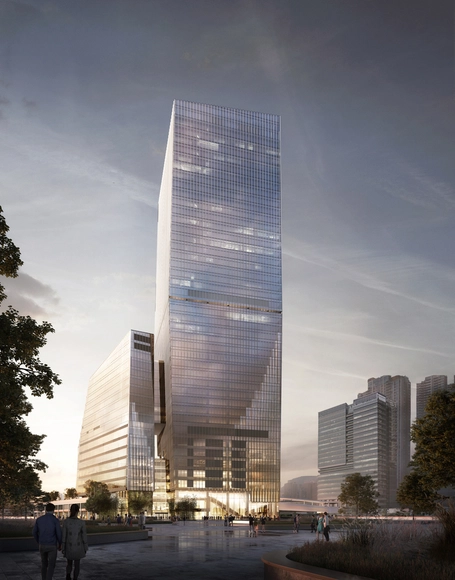
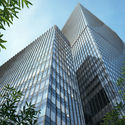
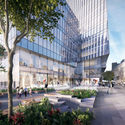
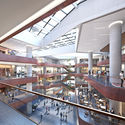
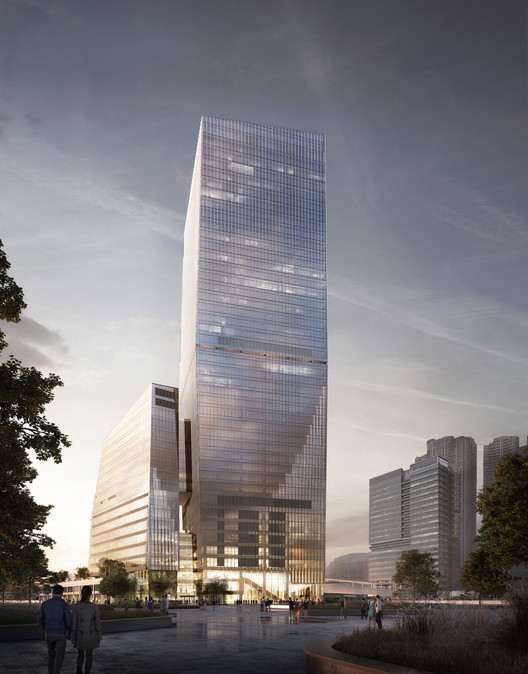
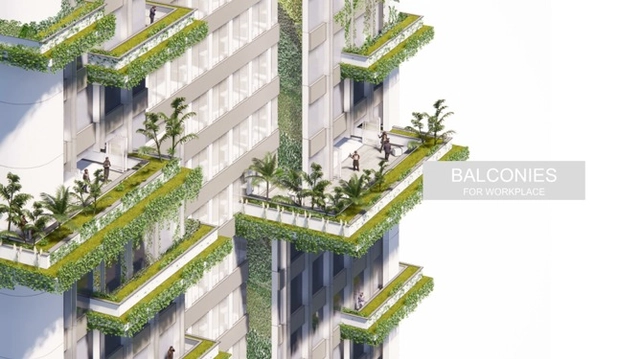
Snøhetta has revealed its first built project in Hong Kong, Airside, a 176,000 square meters mixed-use building. Located in the center of the former Kai Tak airport, the project commissioned by Nan Fung Group comprises a 200-meter tower merged seamlessly with its base.
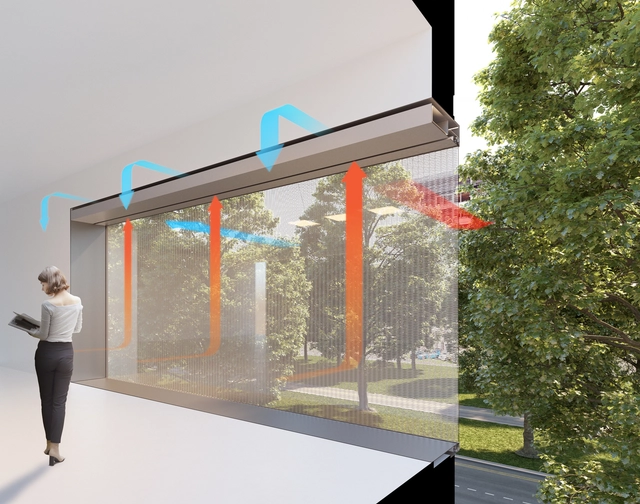
CRA-Carlo Ratti Associati has created a pilot project for Sella Group’s Open Innovation Center in Turin, Italy, addressing post-pandemic challenges. The new workplace design features automated desk sanitizing, collaborative digital platforms, and smart windows to ensure health, safety, and sociability.
Ronald Lu & Partners has created in collaboration with BEHAVE, a blueprint for future-ready offices that meet the new needs of the post-pandemic workforce. Reimagining tomorrow’s office and embracing a new working style, the partnership generated “Mindplace”, an office concept that will “improve work efficiency, focus on sustainability and cater to the holistic needs of employees”.
Team V Architectuur, an architecture office based in Amsterdam, is designing the new Dutch timber hybrid head office for DPG Media at the Amstel Business Park in the Netherlands. In collaboration with DELVA Landscape Architecture/ Urbanism for the landscape and outdoor space, the project will generate a 46.000 square meter of healthy and sustainable working environment.
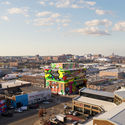
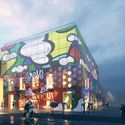
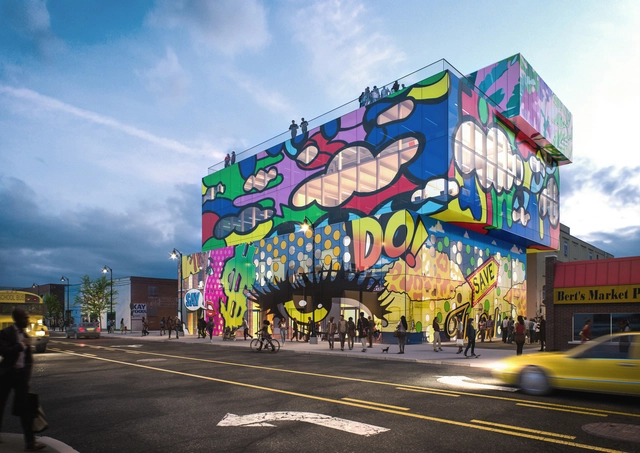
MVRDV was commissioned the design of Glass Mural, a new 3,716-square-meter office and retail building with a custom glass façade that integrates colorful murals by artists DENIAL and Sheefy McFly. Located in Detroit’s Eastern Market neighborhood, the project will be MVRDV’s third mixed-use project in the United States and first in the Midwest.


















.jpg?1612411982 "Courtesy of Sajjad Navidi")


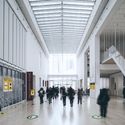
_Del_Rio_Bani.jpg?1608748851 "Superblock of Sant Antoni. Image © Del Rio Bani")
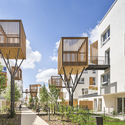

.jpg?1606909402&format=webp&width=640&height=580)
.jpg?1606909307 "Courtesy of MVRDV")
.jpg?1606909282 "Courtesy of MVRDV")
.jpg?1606909168 "Courtesy of MVRDV")
.jpg?1606909250 "Courtesy of MVRDV")
.jpg?1606909402)


.jpg?1601537708 "© MVRDV")
.jpg?1601537440 "© MVRDV")