As major cultural events, institutional transformations, and new architectural commissions unfold across different geographies, this week's discourse highlights how architecture operates at the intersection of public life, creativity, and long-term adaptation. With Milan Design Week 2026 foregrounding process, experimentation, and citywide participation, the projects and initiatives emerging this week point to a broader shift toward openness, accessibility, and experiential engagement across disciplines and urban contexts. Ongoing investments in cultural infrastructure, from new museums to large-scale renovations and competition-winning proposals, further underscore how institutions continue to recalibrate their spatial and social roles in response to evolving environmental, technological, and cultural demands.
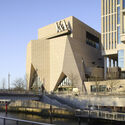
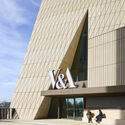
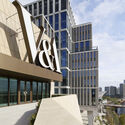
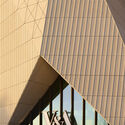
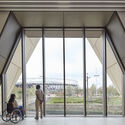
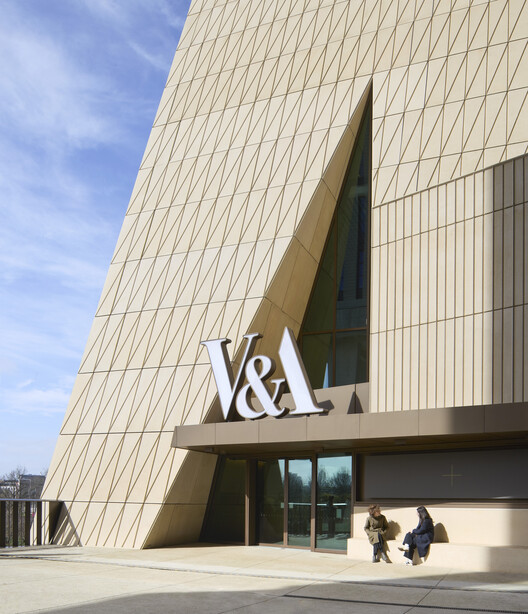
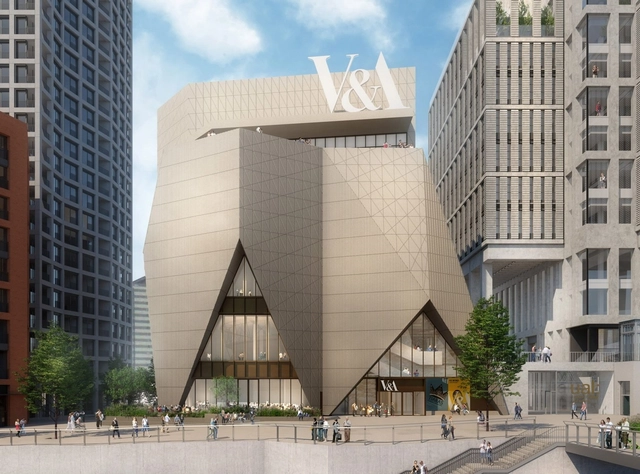
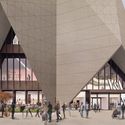
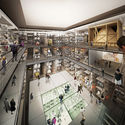
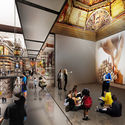
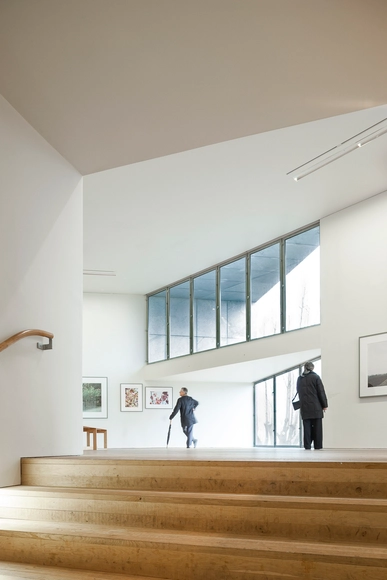
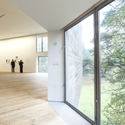
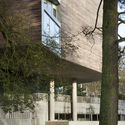
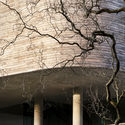
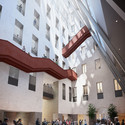
V&A East Museum, designed by architects O'Donnell + Tuomey, will open to the public on 18 April 2026. Assigned to the firm in 2015, the new building is located in the Queen Elizabeth Olympic Park, near its recently opened sister facility, the V&A East Storehouse, designed by Diller Scofidio + Renfro. Located in East London, the UK's newest cultural quarter supported by the Mayor of London, the two-building complex aims to "spotlight the many ways global artists, designers, and makers use creativity to shape the world." Dedicated to creative opportunity and its power to bring change, the museum's five public levels contain two permanent galleries, a 900 sqm temporary exhibition gallery, a top-floor project and event space, learning facilities, and a café.
Videos
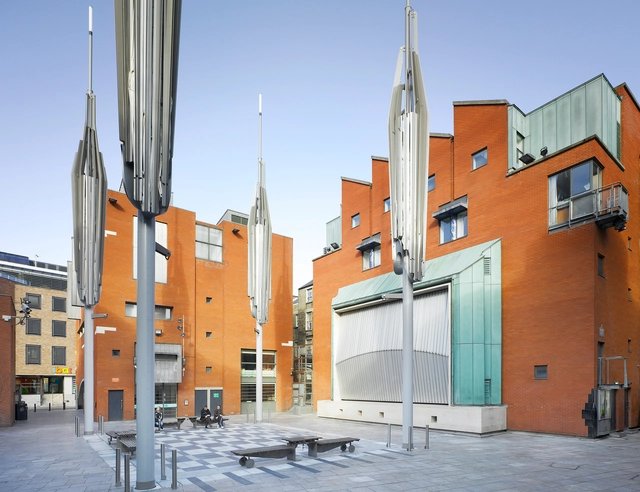
Meeting House Square, Temple Bar. Image Courtesy of Sean Harrington Architects
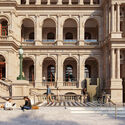
The veteran Irish architecture critic Shane O'Toole once remarked that when traveling in Europe in the 1970s, "The universal comment was is there modern architecture in Ireland? Now, in less than 50 years, we've gone to a Pritzker Prize and two RIBA Royal Gold Medallists in five years." He attributes this change in perception to a design competition that launched the careers of several of Ireland's award-winning architects of today. This was the Temple Bar Framework Plan competition of 1991 in the center of Dublin, the capital of Ireland, which was won by a group of architects still in their 30s, running under the name of Group 91.
fala - House with Three Gestures. Image Courtesy of fala
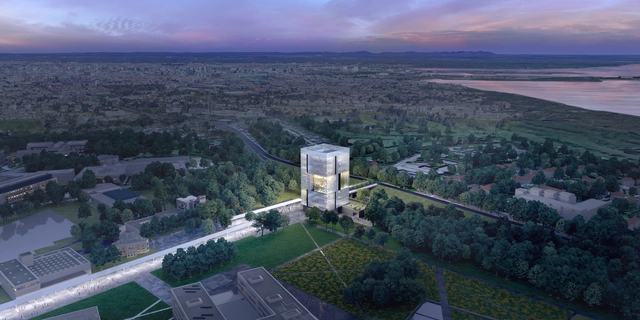
This week’s curated selection of Best Unbuilt Architecture highlights projects submitted by established firms. From a museum dedicated to Jewish history to a high-speed railway hub and a university student center, the following selection showcases a variety of concepts, design approaches, and programs developed by global architecture offices.
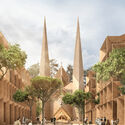
Featuring firms like KPF, Aedas, Fala Atelier, ADP Architecten, and Peter Pichler Architects, this week's selection of unbuilt projects explore architectural and urban interventions at different scales and at varying stages of their development. Whether conceptual works or ongoing, planned for execution, and even under construction, each project aims to offer an appropriate response to the spatial, functional, social, and environmental needs of its context.
For this year's Women in Architecture Awards, The Architectural Review and the Architects’ Journal have selected Sheila O’Donnell as Architect of the Year and Xu Tiantian to win the Moira Gemill Prize for Emerging Architecture in the 2019 Women in Architecture awards. The Architect of the Year award recognizes excellence in design specifically in the context of a recently completed project and the Moira Gemmill Prize for Emerging Architecture is awarded to women designers under the age of 45 who show design excellence indicative of a bright future.
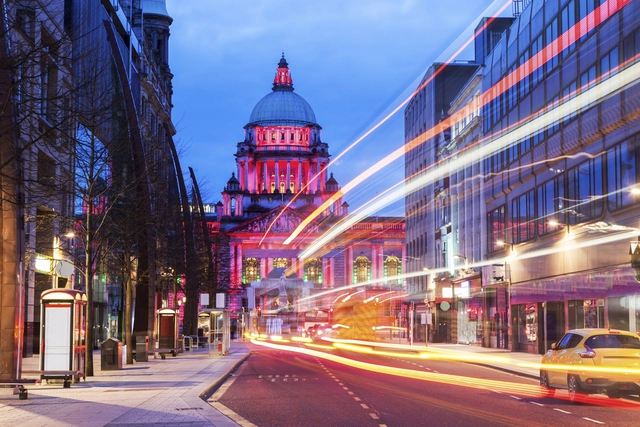
The urban landscape of Belfast, transitioning between industry, culture, arts, commerce, and education, makes the city a worthy destination for architects and designers. Influenced by Irish and British vernacular styles, shaped by the demands of shipbuilding, linen, security, and now post-conflict confidence, the city remains somewhat of a blank canvas for creatives to experiment, reflect, and dream.
V&A East Museum. Image Courtesy of O'Donnell + Tuomey
London's V&A has revealed new images and information about V&A East, a museum by O'Donnell + Tuomey and research center by Diller Scofidio + Renfro. Sited within London's Queen Elizabeth Olympic Park, the projects will be built at the Here East complex and Stratford Waterfront. The V&A have stated that the museum will include two galleries to showcase the collections, while the research center aims to be a new model for collection storage and public display.
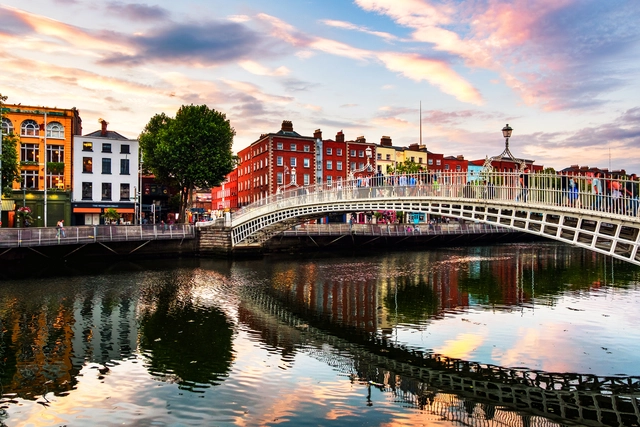
Dublin is one of the world’s most beloved cities. The Irish capital welcomes over 5.6 million tourists every year from around the world, seeking out the city’s red brick rows, cobblestone streets, and lush green parklands.
Dublin has good reason for being on any architect’s travel list. Modest Georgian tenements, sensitively altered by local architects, stand alongside major civil and public works by some of the world’s most renowned international firms, while warm art nouveau and art deco cafes sit alongside the sleek, modern headquarters of the world’s largest tech firms.
https://www.archdaily.com/904358/an-architectural-guide-to-dublin-30-things-to-see-and-do-in-irelands-capitalNiall Patrick Walsh
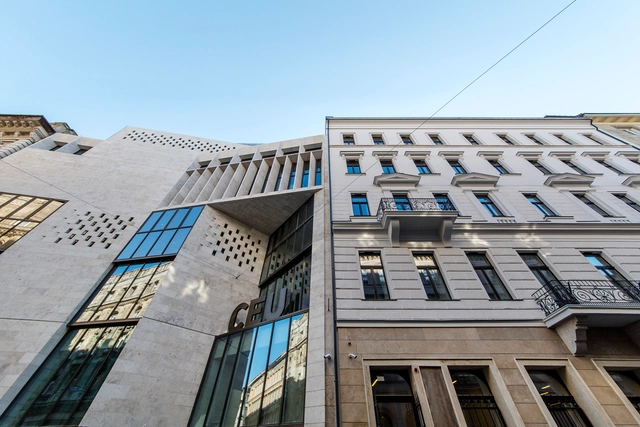
As reported by CNN, university officials have spoken publically about plans to leave Budapest, with the university’s board recently approving the opening of a satellite campus in Vienna in 2019. The decision would cast doubt over the second construction phase of the O’Donnell + Tuomey vision.
https://www.archdaily.com/904739/fate-of-odonnell-plus-tuomeys-riba-international-prize-contender-uncertain-after-political-crackdownNiall Patrick Walsh
Try as we might to inure ourselves to the opinions of others, recognition is a powerful thing. It brings with it a captive (and expectant) audience, not just of admirers but of kingmakers - or, cynically, those who see an opportunity to capitalize. For architects, this can be both a blessing and a curse. Many practices start with the motivation to pursue an idea or concept; as recognition becomes diluted to labels it becomes harder to understand what was distinguishing in the first place. This week saw the announcements of a numerous significant awards - and an interview with a practice determined to shake off the labels that come with recognition. Read on for this week’s review.
https://www.archdaily.com/902136/this-week-in-architecture-being-recognizedKatherine Allen
The Royal Institute of British Architects (RIBA) has announced the shortlist of four finalist projects in the running for the 2018 RIBA International Prize. A biennial award open to any qualified architect in the world, the International Prize seeks to name the world’s “most inspirational and significant” building. Criteria for consideration include the demonstration of “design excellence, architectural ambition, and [delivery of] meaningful social impact.”
Open House London 2018 has officially released the list of over 800 buildings open to the public this September. Now in its 27th edition, the weekend-long festival offers free guided tours and open doors to buildings and architecture across the city. This year, a range of exciting architecture will be featured, including the new US Embassy by KieranTimberlake, Maggie's Barts by Steven Holl Architects, and Bloomberg European Headquarters by Foster + Partners, the world's most sustainable office building. Find out our list of the top 10 must-see buildings to discover at this year's Open House.
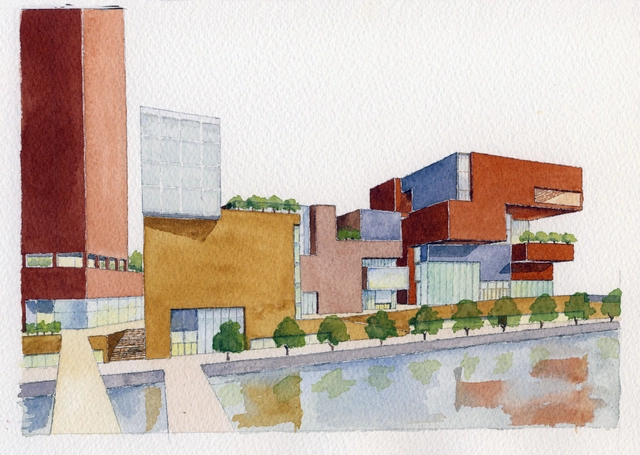
The project will include two major changes to UCD’s Belfield campus, located about 5 km from Dublin’s city center: a major update to the campus’ entry precinct along Stillorgan Road, as well as a new 8,000 square meter Centre for Creative Design, which will house UCD’s design studios.
Diller Scofidio + Renfro has won an international competition for the design of a new V&A collection and research center to be located in the Queen Elizabeth Olympic Park in East London.
“The annals say: when the monks of Clonmacnoise / Were all at prayers inside the oratory / A ship appeared above them in the air. / The anchor dragged along behind so deep / It hooked itself into the altar rails.”[1]
These words by Irish poet Seamus Heaney have had a profound impact on the work of architects Sheila O’Donnell and John Tuomey, who cited the poem as one of their inspirations for the Glucksman Gallery – an exhibition space commissioned by the University of Cork in the early millennium. Named for its patron Lewis Glucksman (a Wall Street trader and philanthropist), the Glucksman Gallery was completed in 2005 and nominated for the Stirling Prize that same year. Thanks to its outstanding site-specific design, the building has since become one of the most celebrated works of contemporary Irish architecture.
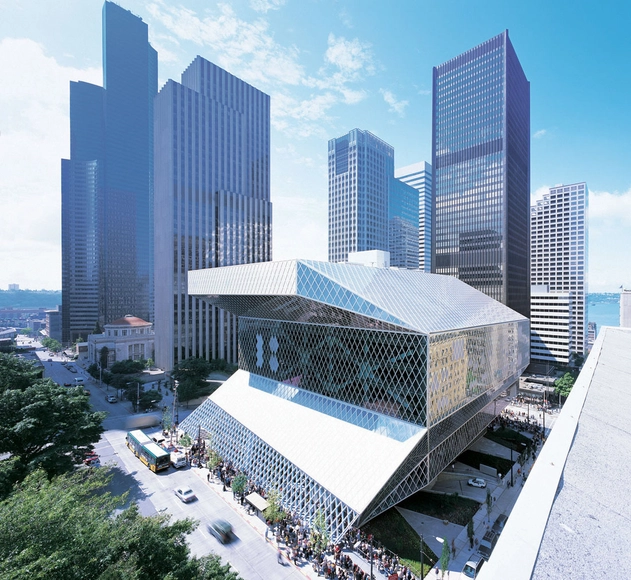
Bjarke Ingels worked on the Seattle Central Library during his time at OMA. Image Courtesy OMA
The world of architecture is small. So small in fact, that Rem Koolhaas has been credited with the creation of over forty practices worldwide, led by the likes of Zaha Hadid and Bjarke Ingels. Dubbed “Baby Rems” by Metropolis Magazine, this Koolhaas effect is hardly an isolated pattern, with manifestations far beyond the walls of OMA. The phenomenon has dominated the world of architecture, assisted by the prevalence and increasing necessity of internships for burgeoning architects.
In a recent article for Curbed, Patrick Sisson dug into the storied history of internships to uncover some unexpected connections between the world's most prolific architects. With the help of Sisson's list, we've compiled a record of the humble beginnings of the household names of architecture. Where did Frank Gehry get his start? Find out after the break.
Videos
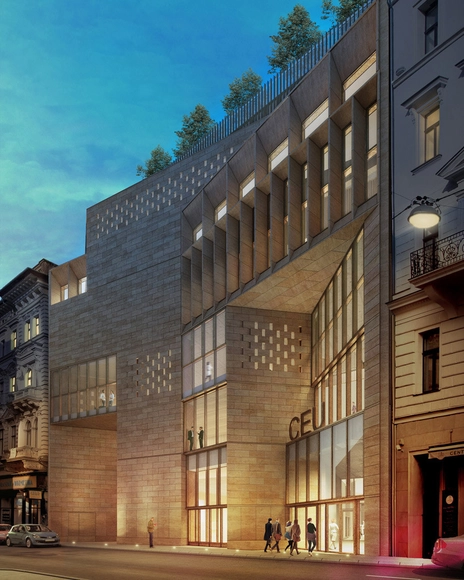
View from street. Image Courtesy of O'Donnell + Tuomey / Central European University
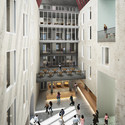
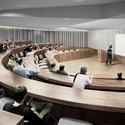
Work has begun on O'Donnell + Tuomey's first project in Hungary. The new collection of buildings and restoration projects for the Central European University in Budapest sits within existing courtyards in a dense area of the city. Bringing a total of 35,000m² of new space to the inner-city campus, the project consists of a new library spread across five floors, an auditorium, multiple public spaces, teaching and learning facilities, study rooms, and a café.