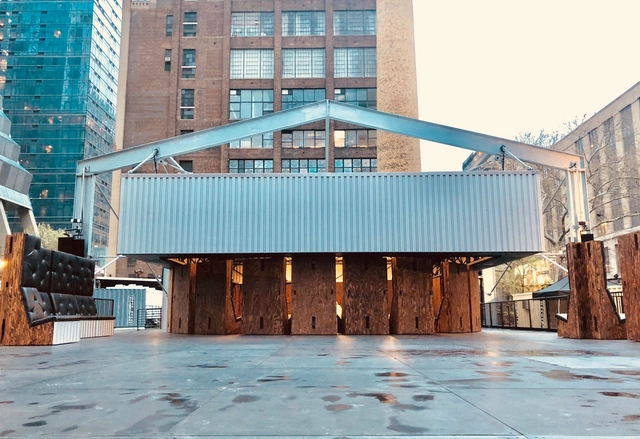
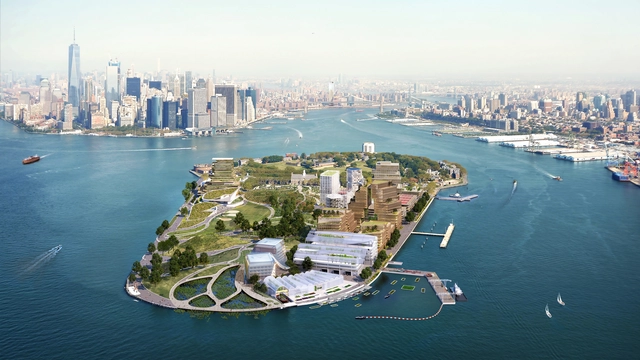
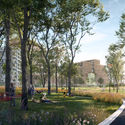
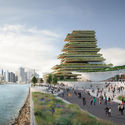
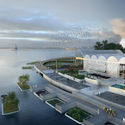
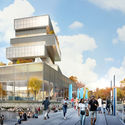
Focusing on research, education, and public engagement, the Trust for Governors Island unveiled plans to develop a climate solutions center, designed by WXY Architecture + Urban Design. Inspired by the unique environment of the island, the project will generate a public living laboratory, cementing NYC’s position as a leader in climate change action.
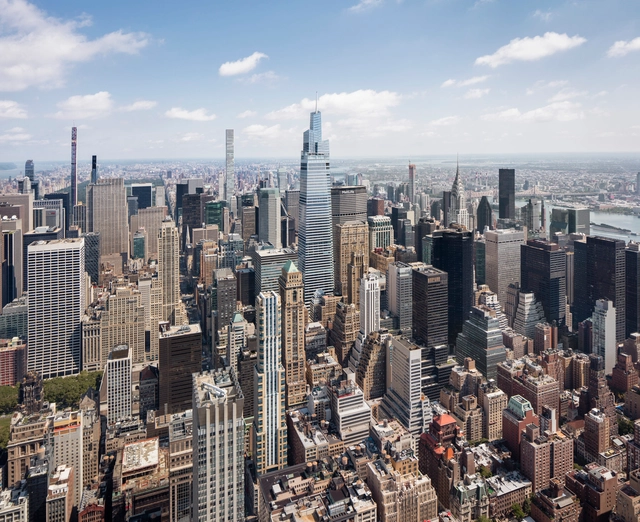
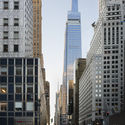
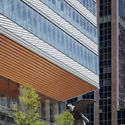
Kohn Pedersen Fox Associates (KPF) completed One Vanderbilt, the tallest office tower in Midtown Manhattan. Part of New York City’s East Midtown Rezoning, the highrise explores the future of the central business district, “with public realm benefits, carefully crafted materiality, and a tapered form that establishes a striking skyline presence”.
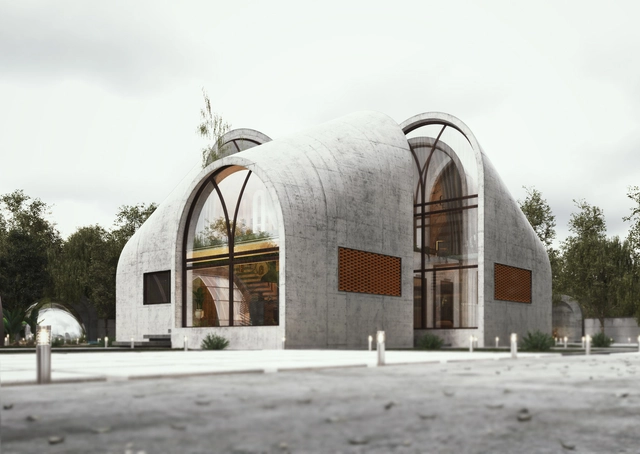
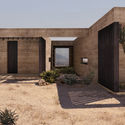
ARC House. Image Courtesy of M.E architecture studio
Houses and Villas are the most researched topics on ArchDaily. Putting together a curated selection of conceptual interventions, this week’s Best Unbuilt Architecture focuses on the residential sector. From all over the world, this group presents proposals submitted by our readers.
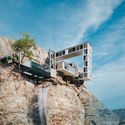
This article highlights a floating terraces project from India, a lodge in Ethiopia, a seasonal home for an Iranian family in Germany, and a residential compound in Saudi Arabia. Beach houses in Greece, Croatia, and the U.S. are also featured, showcasing different approaches for the same program. Moreover, more futuristic interventions include the Mountain House on the rocky cliffs of British Columbia, and the blue house, an aquarium-like type of home.
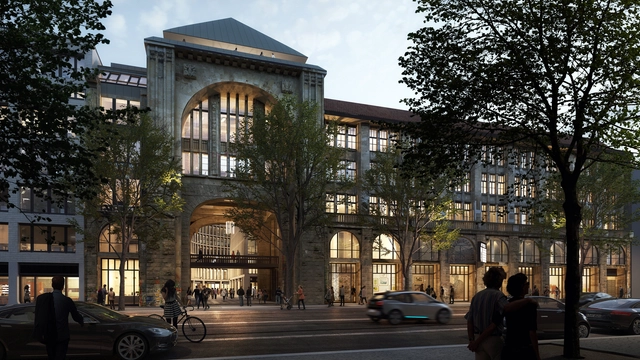
With museums in Stockholm, New York, and Tallinn, Fotografiska has announced plans to launch its fourth space in Berlin. Expected in 2022 in the Kunsthaus Tacheles to be renovated by Herzog & de Meuron, the contemporary Swedish photography museum will cover over 59,000 square feet.
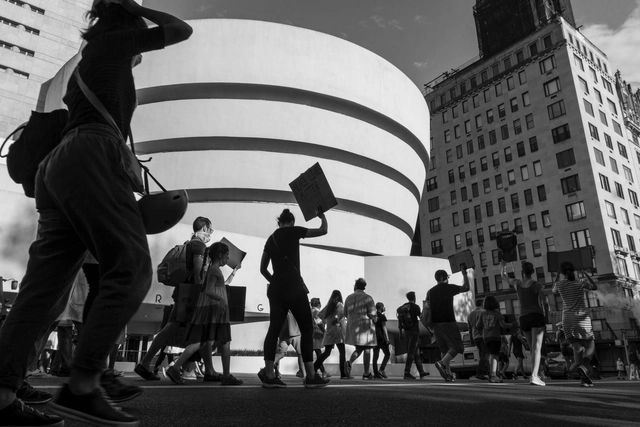
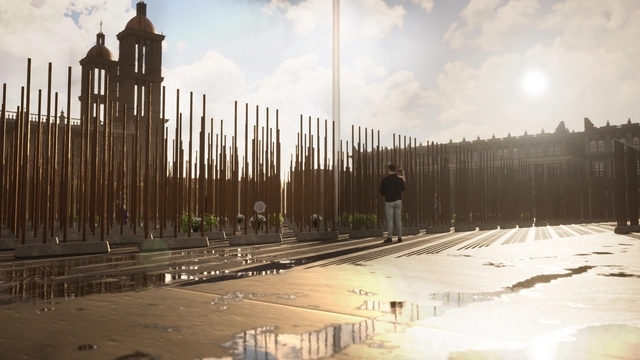
Rojkind Arquitectos has revealed a "mourning claim" memorial proposal for coronavirus victims. The design project led by Michel Rojkind, Arturo Ortíz Struck, and Diego Díaz Lezama has initially envisioned the memorial both in New York City's Times Square and Mexico City's Zocalo.
"We are claiming the act of mourning. We can at least take care of that, of building symbols where we can place the testimony of our life and the lives of others," stated the authors.
https://www.archdaily.com/946451/rojkind-arquitectos-proposes-a-mourning-claim-memorial-for-coronavirus-victimsArchDaily Team
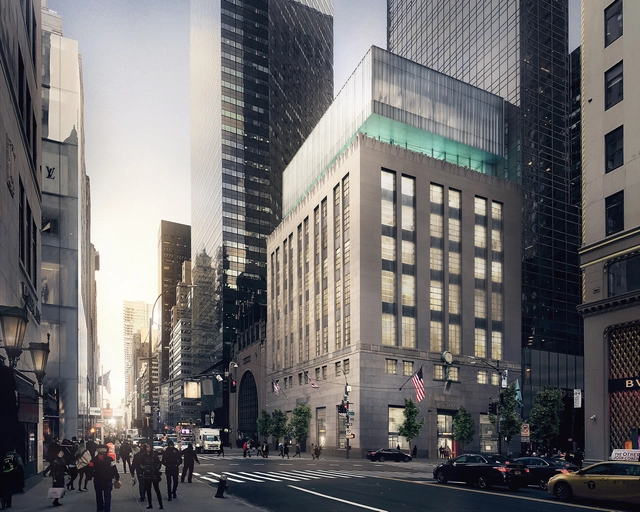
OMA / Shohei Shigematsu has revealed images of the new iconic Tiffany & Co. Fifth Avenue Flagship Store. In progress and scheduled for the spring of 2022, the intervention “reimagines the retail experience while preserving the historic identity of the original building”.
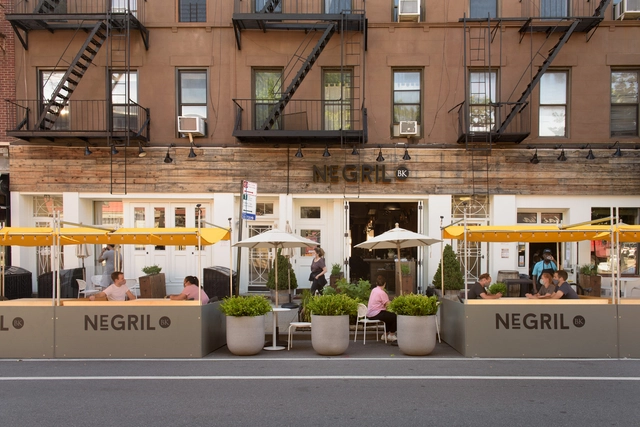
Outdoor dining has proven to be something of a lifeline for restaurants not only in New York but around the country, as indoor dining remains far out of reach at this point in the novel coronavirus crisis. Faced with restrictive mandates, however, architects, planners, and restaurateurs across the U.S. have been forced to come up with creative ways to keep patrons uninfected while assembling aesthetically pleasing outdoor dining areas.
It’s hard to imagine New York City without the packed subway cars, long lines, and overwhelming tourist crowds that felt essential to daily life. Once the fear of the COVID-19 pandemic has waned, the city, like others around the world, will become clouded and fundamentally altered even after economic prosperity has been restored. In what feels like a revolving door discussion, except now perhaps asked with a sense of urgency, what do we want cities to be like in the years to come?
Our cities, vulnerable by nature and design, have generated the biggest challenge that humankind has to face. With the vast majority of the population expected to settle in urban agglomerations, rapid urbanization is going to raise the issue of adaptability with future social, environmental, technological and economic transformations.
In fact, the main problematic of the decade questions how our cities will cope with fast-changing factors. It also looks into the main aspects to consider in order to ensure long-term growth. In this article, we highlight major points that help future-proof our cities and create a livable, inclusive and competitive fabric that adapts to any unexpected future transformation.
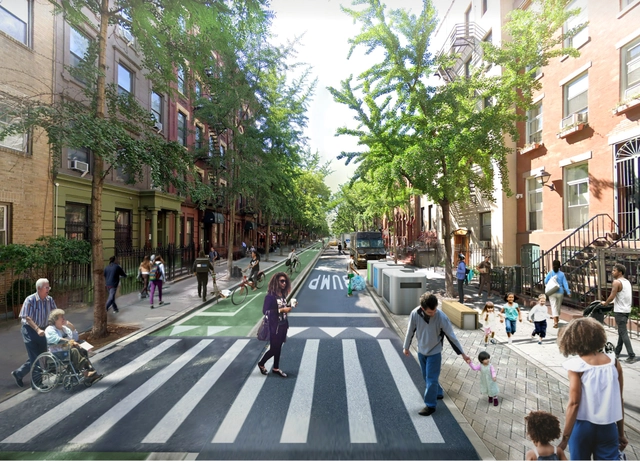
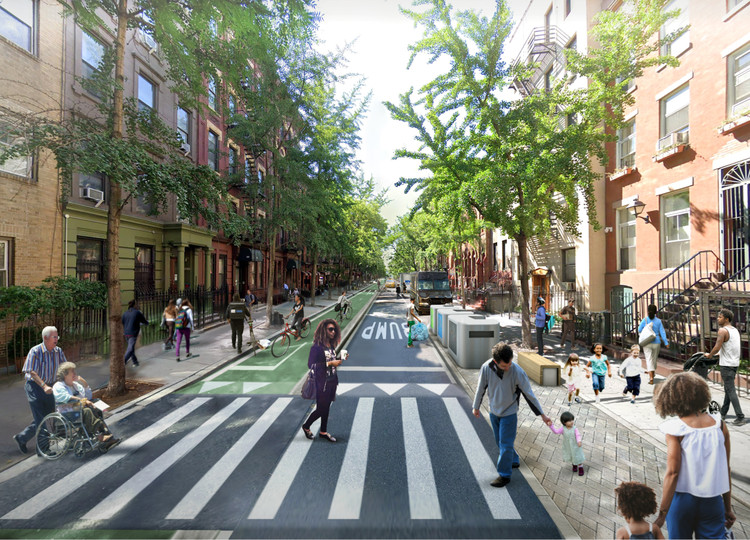
PAU or Practice for Architecture and Urbanism revealed images for a proposal that imagines New York City without cars. The visionary N.Y.C. (“Not Your Car”) project unlocks the potential of the city’s streets, reopens the public space to people and bans private vehicles.
NYC Green Relief & Recovery Fund has selected 62 grant recipients to support funding in parks and open spaces across New York City. The effort was made to support a coalition of national, family, and community foundations. As the first round of funding, the grants range from $5,000 to $120,000 to support essential maintenance, stewardship, public programming, and management of parks and open spaces across the five boroughs.
North Design Union Headquarters. Image Courtesy of SPIM Studio
Highlighting proposals presented in international competitions, this week’s selection of Best Unbuilt Architecture combines various functions, diverse conceptual approaches, and innovative ideas. Submitted by our readers, these projects include an awarded pavilion in Vietnam, a cantilevered-bridge proposal in New York, and a sustainable botanical center in Poland, amongst others from all over the globe.
With a lot of projects coming in from China, we have compiled in this roundup, a design for a children’s hospital and education building, as well as a national science center encompassing research buildings, laboratories, exhibition spaces, commercial use, and public facilities. On another hand, for the first time, a virtual project is featured, celebrating the LGBTQ community with a vessel of a layered and labyrinthine system of baths, showers, and pools.







.jpg?1598034412 "© Rojkind Arquitectos")
.jpg?1598034341 "© Rojkind Arquitectos")
.jpg?1598034569 "© Rojkind Arquitectos")