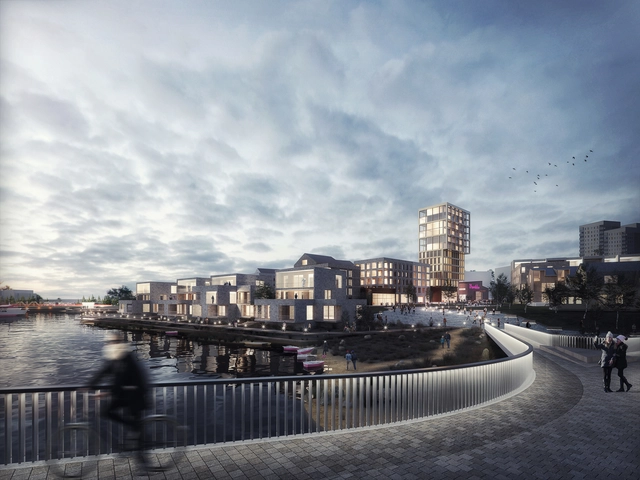
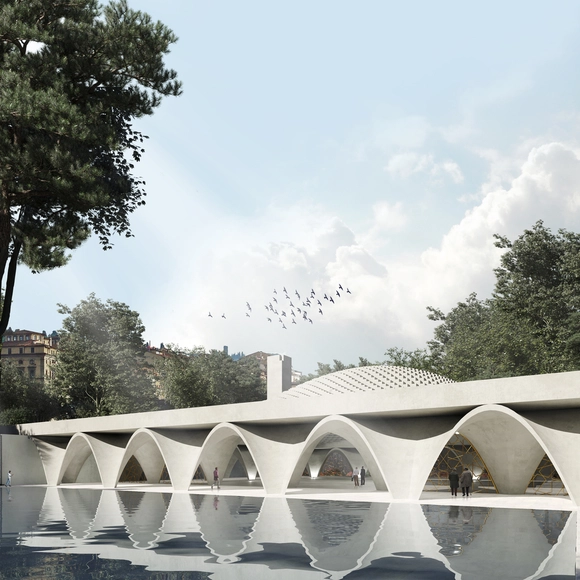
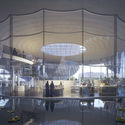
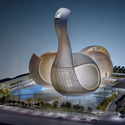
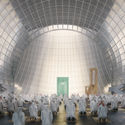
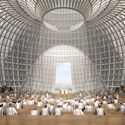
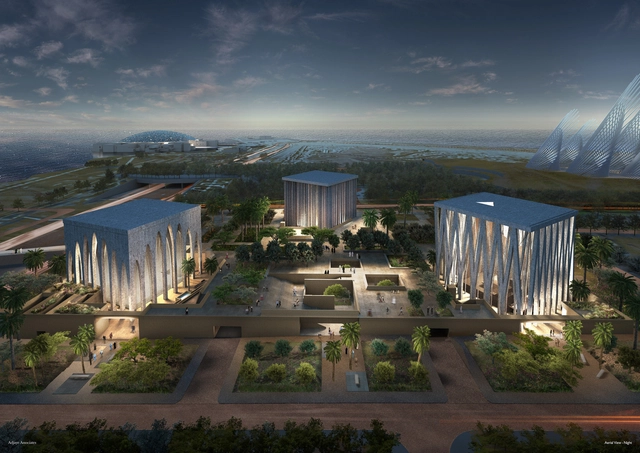
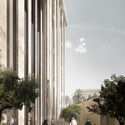
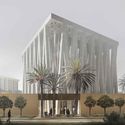
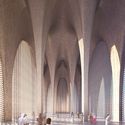
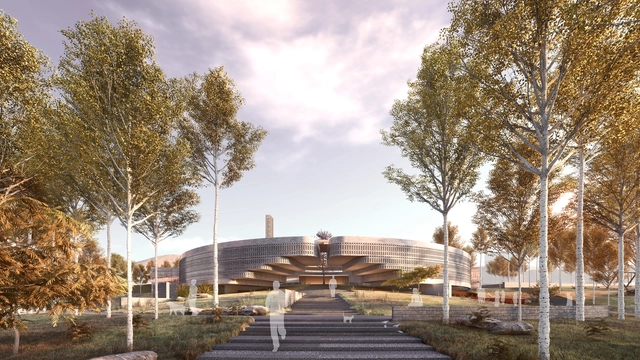
Abrahamic Family House, overview. Image Courtesy of Adjaye Associates
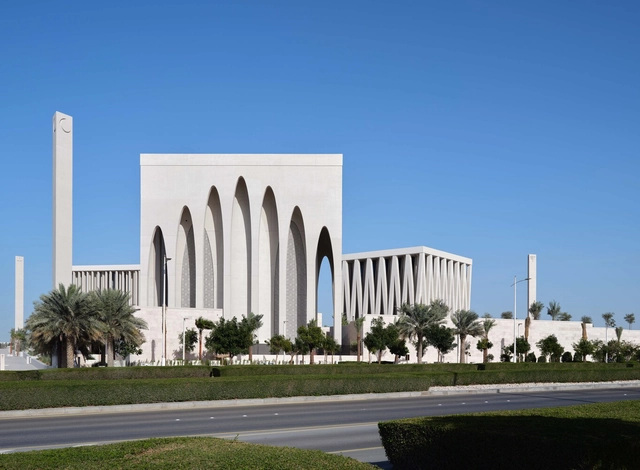
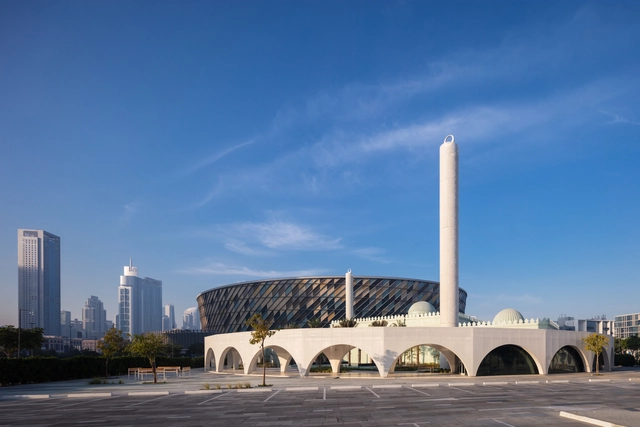
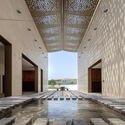
Designed by Adjaye Associates, the Abrahamic Family House is a landmark project located in the Saadiyat Cultural District in Abu Dhabi, the capital of the United Arab Emirates. The center encompasses three separate houses of worship: a mosque, a church, and a synagogue, along with spaces for gathering and dialogue. First announced in 2019 following an international competition, the interfaith complex was officially inaugurated and opened to worshippers on 16th February 2023. Access to the forum and guided tours will be available to visitors from 1 March 2023.
Organized by the Abdullatif Alfozan Award for Mosque Architecture and the College of Architecture at Kuwait University, the 3rd International Conference on Mosque Architecture was held in Kuwait on 14-16 November 2022. Under the theme of “Mosque: a cross cultural building,” 101 architects participated in this year’s edition, showcasing their state-of-the-art designs and how they reimagined religious buildings in a more contemporary context, taking into account the importance of community, privacy, its religious significance, and the environment.
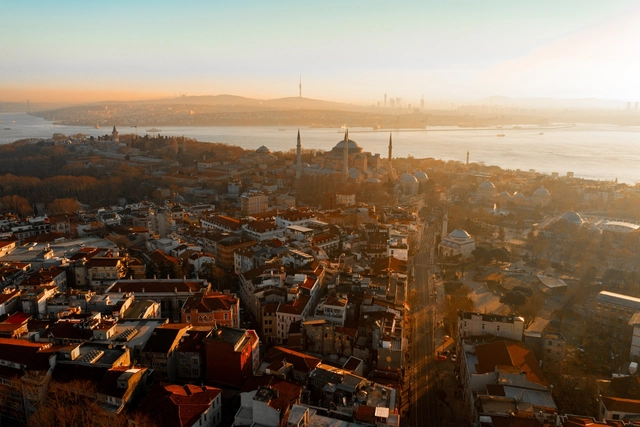
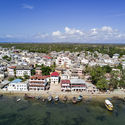
Byzantium, Constantinople and now Istanbul, the many names this city has had over the centuries are proof of the central role it has played throughout history. Founded by Greek settlers in the 7th century, the city served as an imperial capital for a cumulated period of over 1600 years. During the Roman/Byzantine, it played a crucial role in the advancement of Christianity before its transformation into an Islamic center and becoming the sear of the Ottoman Caliphate. Today, Istanbul is a vibrant city with a rich cultural scene and multiple historical layers to be discovered.
Straddling the Bosphorus strait, the city lies in both Europe and Asia, integrating architectural masterpieces that reflect the meeting of European and Asian cultures over the centuries. As the largest city in Turkey with a population of over 15 million residents, Istanbul also serves as the country’s economic, cultural, and historic center. Istanbul is the 15th largest city and the eighth most visited city in the world. The city is also home to several UNESCO World Heritage Sites.
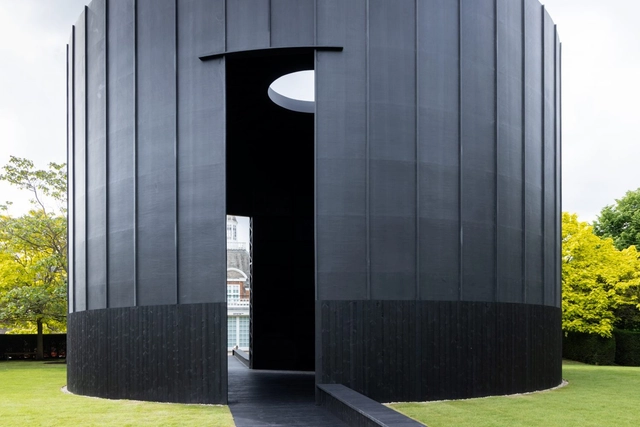
A few weeks ago, this year’s edition of the Serpentine Pavilion opened to the public. Designed by Chicago-based artist Theaster Gates, it’s an evocative project, its cylindrical form referencing American beehive kilns, English bottle kilns, and Musgum adobe homes found in Cameroon.
What the pavilion is named tells the viewer a lot more about its intentions as a spatial experience. Titled Black Chapel, it houses a spacious room with wraparound benches, and an oculus above that allows daylight to filter into the space. It’s a fairly minimal interior – designed as a site for contemplation and reflection. This minimal quality of Gates’ Serpentine Pavilion raises particularly interesting questions. How artists and architects opt for a “less is more” approach when designing meditative spaces, but also how these introspective spaces have been equally enhanced by ornamentation.
Cavatina Concert Hall by Cavatina. Image Courtesy of Cavatina
The diversity of civic spaces in cities and rural areas have continuously showcased how strongly they explore human connections regardless of program, construction technique, scale, and geography. Ranging from educational facilities and museums, to art centers, libraries, religious halls, and memorials, these projects have enriched urban fabrics with cultural programs that have provided members of the community with places to learn, entertain, create, and unwind.
This week’s curated selection of Best Unbuilt Architecture highlights cultural projects submitted by the ArchDaily community from across the world. From a water management system that targets the natural crises in Egypt to a structurally intertwined memorial in the United States, this round up of unbuilt projects showcases how architects responded to the contextual and spatial needs of their projects through innovative and local solutions. The article also includes projects from Italy, China, Uruguay, Poland, Iran, Hungary, Russia, and the United Kingdom.
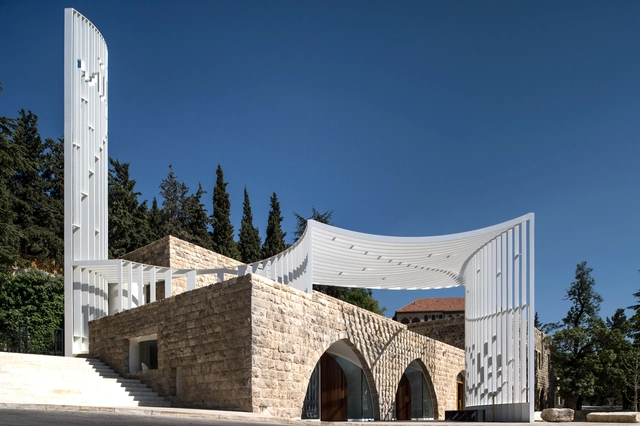
Amir Shakib Arslan Mosque / L.E.FT Architects. Image Courtesy of Abdullatif Alfozan Award for Mosque Architecture
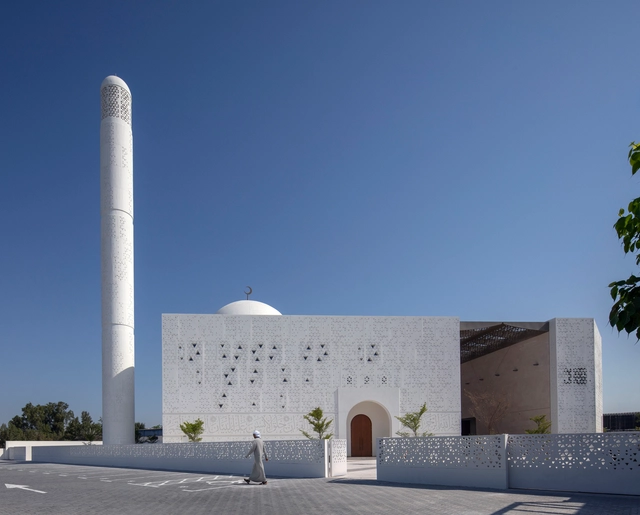
The Abdullatif Alfozan Award for Mosque Architecture has honored seven awarded mosques in its third cycle under the theme "Mosque architecture in the twenty-first century", evaluating their unique architectural concepts as well its connectivity with local communities.
https://www.archdaily.com/974298/projects-in-saudi-arabia-lebanon-and-indonesia-among-the-winners-of-the-iii-abdullatif-alfozan-award-for-mosque-architectureArchDaily Team
The African continent has been - throughout history – a key player in the ever-evolving story of human migration. Cultures and customs have been shared, adapted, and re-imagined as a result of this movement of populaces, and architectural styles are no exception. In a way, the varied architecture present in Africa is a lens one can look at to understand the intricacies of migration. Present on the continent are ancient indigenous and building typologies born out of the organic assimilation of cultures. Also present are remnants of colonial architecture, a legacy not of voluntary migration, but of forced colonial imposition.
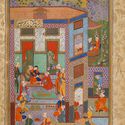
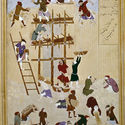
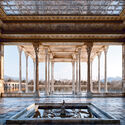
From the 14th to the 16th century, Iran had witnessed growth and affluence under the Timurid and Safavid dynasties. During this period, many mosques, palaces and pavilions were commissioned and contributed to sites of veneration and pilgrimage. However not many of these key architectural realms survived and few historical texts exist to relay the intricacies of the architecture of that time.
What remained were some dispersed manuscripts from the Shahnameh and other renowned illustrated stories or poems that represented the moral values and aesthetics of that period. Inadvertently these initial renders became the main representation of a unique and fantastic Islamic architecture.
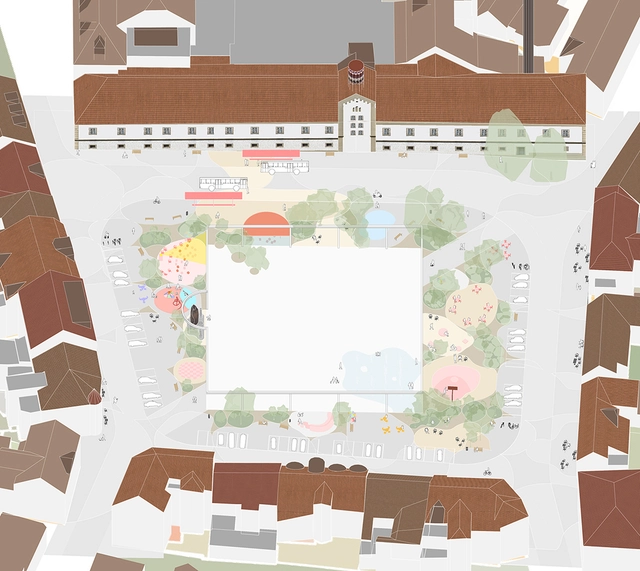
Zbraslav Square . Image Courtesy of Architects for Urbanity
Recognizing the importance of international contests in pushing forward inventive concepts and design, ArchDaily has put together a curated selection of Best Unbuilt Architecture featuring competition entries from around the globe. Submitted by our readers, these projects include winning proposals, honorable mentions, and recognized admissions.
In this week’s article, urban interventions take the lead with multiple square designs and infrastructural elements. On the cultural level, projects underlined include Museums in Iran and Norway, a National Concert hall in Lithuania, and a Mosque in Turkey. For the civic category, the functions highlighted comprise a new city hall for a South Korean district and an Indian community development center for at-risk women. Finally, other programs involve a rural school in Haiti, a tourist center in China, and a housing complex in Prague.
Islamic architecture has been perhaps one of the most culturally significant typologies throughout history. Not only do the buildings themselves serve as centers for community and social services, but their designs reflect Muslim beliefs and morals, and reveal the rich history of nations in the Middle East.
Focusing on competition entries, this week’s curated selection of the best-unbuilt architecture from our readers' submissions, highlights projects from across the globe, presented part of international contests. Some are winners, some are not but all of the featured schemes have an intriguing conceptual approach, and a different story to tell.
Tackling diverse programming, the entries include an urban public housing proposal in South Korea, the Dianju Village Library in China and a new Future-Oriented Neighborhood in Finland combining urban and sustainable living. Moreover, the article showcases rare and unconventional functions like a hospital for psychiatry & neurological diseases in Turkey and an intervention on a famed Oscar Niemeyer site.
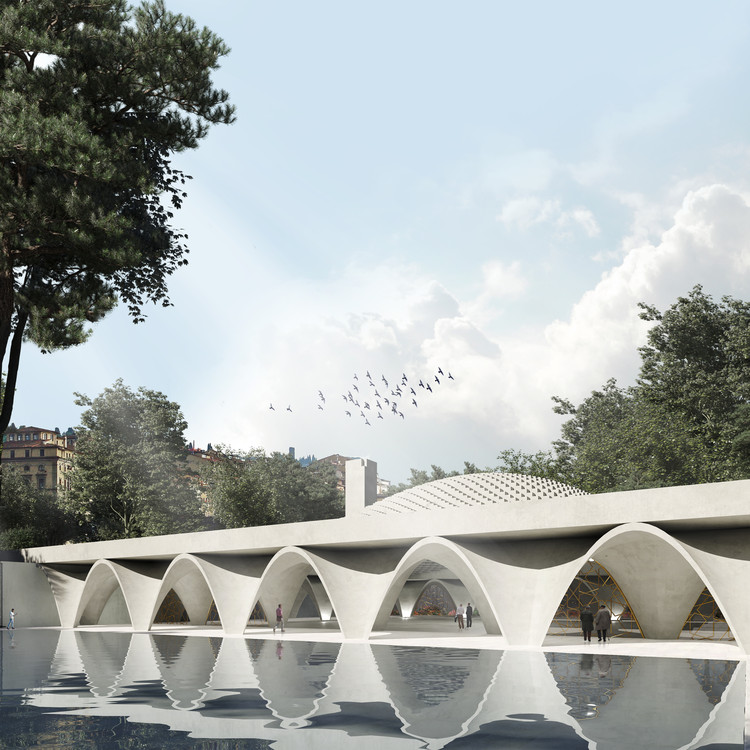
Courtesy of Wafai Architecture and Fragomeli+partners
Wafai Architecture and Fragomeli+partners, two architecture practices based in Torino, Italy have imagined an Islamic cultural center in the Piedmont area. The project features a mosque and a center for cultural and social activities, a space that promotes constructive dialogues.
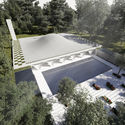
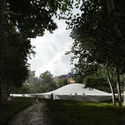
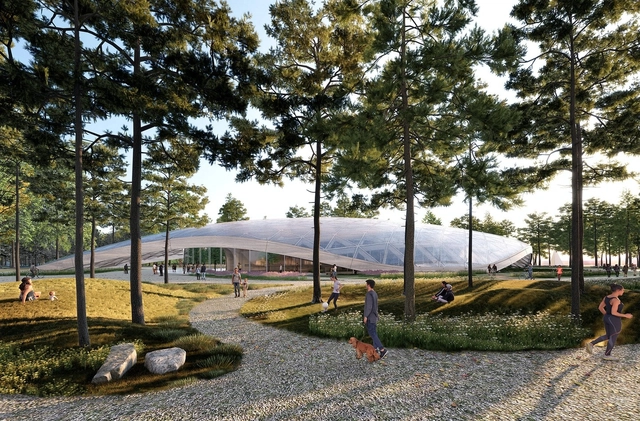
Safdie Architects’ entry for the Abrahamic Family House competition located in the Saadiyat Island Cultural District, in Abu Dhabi, brings together a mosque, a synagogue, and a church within a shared public park.
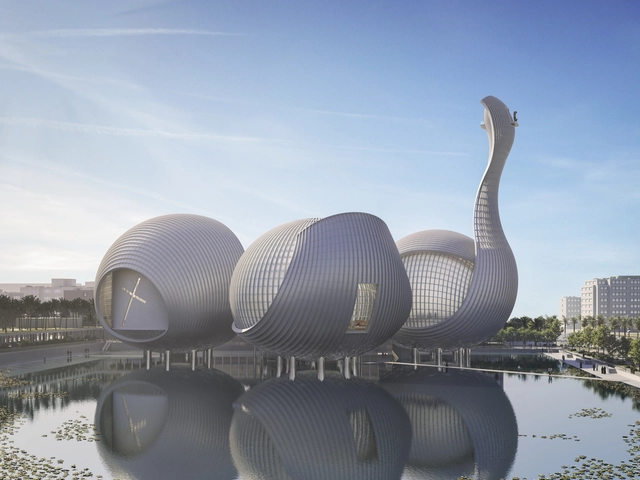
Adjaye Associates have been selected as the winners of The Abrahamic Family House competition, in Abu Dhabi. The landmark project, on Saadiyat Island, is a space where 3 religions will come together with the implementation of a mosque, a synagogue, and a church.
In all religions, prayer halls and religious buildings aim to separate the visitor from the chaos of daily life and provide serenity and peace, even for the brief moment in time when visitors are performing their prayers. In the Turkish city of Şanlıurfa, BeOffice Architects designed a circular, unbound mosque with a focus on nature, tranquility, and accessibility.












_-_West_Elevation.jpg?1641304390 "So Close , So Far Cultural Center by Shahab Shariat. Image Courtesy of Shahab Shariat")












_as_Seen_From_East_World_Monuments_Fund_Collection.jpg?1599137151 "Minaret. East View in 1930s. Image © World Monuments Fund Collection")