


-
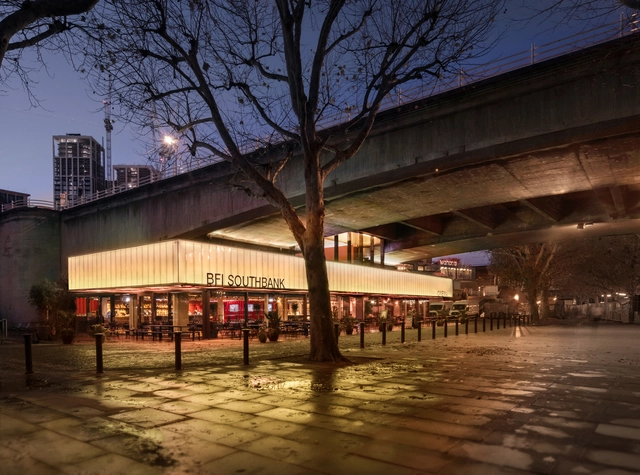
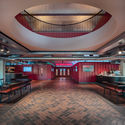
Architects: Neiheiser Argyros
- Area: 1400 m²
- Year: 2019
-
Manufacturers: Camira, Nora, Opendesk, Sagal, The Cork Flooring Co
-
Professionals: The Lighting Asylum, Construction & Shopfitting Ltd


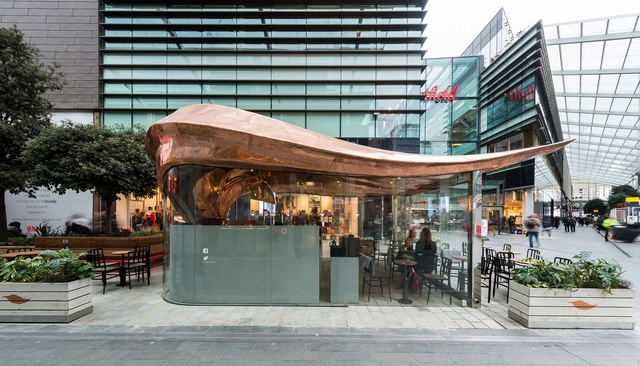
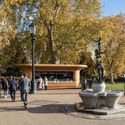
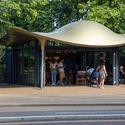
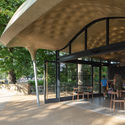
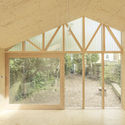
London/Malta-based Mizzi Studio, led by founder Jonathan Mizzi, are at the forefront of the growing trend of micro-architecture. As exemplified by their recent commission for the design of nine kiosks across London’s Royal Parks, the firm has a passion for the fusion of craft and technology, and in particular, the large, invisible forces of economy, sustainability, and psychology that converge on such small spaces and structures.

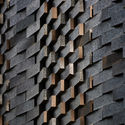
Rarely does one see brutalist architecture in the city of London. Primarily, these buildings were perceived as rebellious and grotesque, only to become the "go-to" style for commercial and governmental buildings after the Second World War. Nowadays, with the real estate market demands and dominance of contemporary architecture, these monumental grey structures are gradually fading away.
Santiago-based architect and photographer Grégoire Dorthe developed the passion of photography during his military service, when he realized that through his images, he is able to freeze moments and preserve what will be lost with time. In his photographic series titled "Brutal London", the Swiss photographer captures the raw forms and graphic qualities of the city's brutalist architecture, before these buildings meet their end.
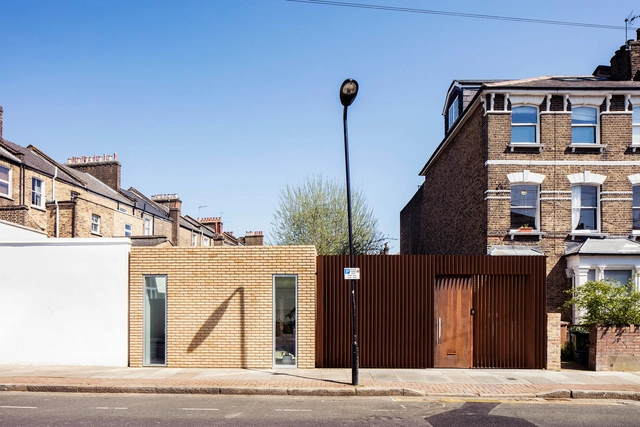
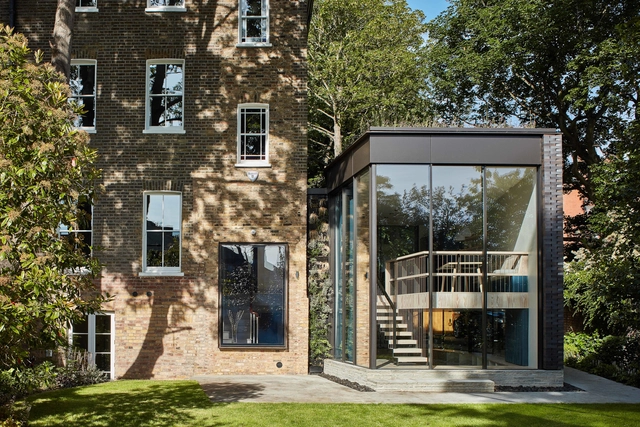

With a very bold and pioneering move, the UK for the first time is prioritizing cyclists and pedestrians. The city is making pressures on skyscrapers by issuing new rules on the design of the high-rises in order to prevent the creation of wind tunnels.
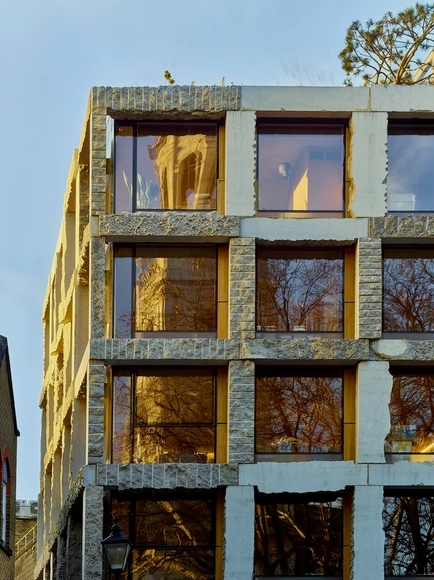
After a 2-year trial, GROUPWORK and Amin Taha Architects won the motion against demolishing the 15 Clerkenwell Close building.
The architects behind the RIBA award-winning project have been in an ongoing battle with local planning authorities over attempts of demolishing the 7-storey building in the city of Clerkenwell, UK. Taha has also received an enforcement notice last year, claiming that "the structure does not reflect the building that was granted planning permission and conservation area consent in 2013".
However, a planning inspector overturned the council’s demolition request, granting the architects planning permission regardless of the differences between what was proposed and what is developed.
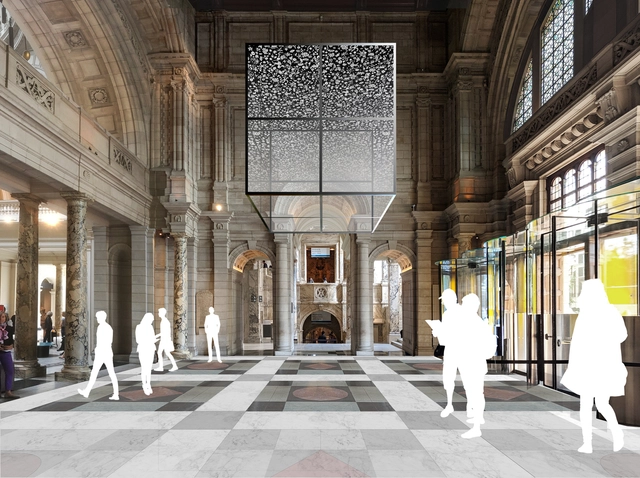
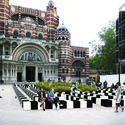
The 2019 London Design Festival opens next month with highlights including projects at the V&A by Sam Jacob and Kengo Kuma. Running from September 14th to the 22nd, the festival will include large-scale installations by Paul Cocksedge, Martino Gamper, PATTERNITY, Dan Tobin Smith and Camille Walala. Returning for its 17th year, the festival will celebrate design across London.
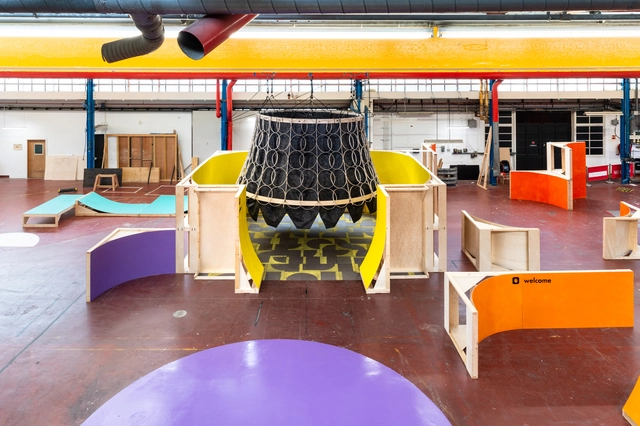
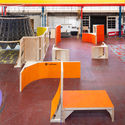
Over 100 local primary school children have designed and built London's first Mega Maker Lab in a former fire-engine-fixing hall. Sited in South London, the project is made to be a hub of activity instigated by the Institute of Imagination (iOi) and architectural educationalists, MATT+FIONA with designers Jestico + Whiles. The children came up with the idea that the design should encapsulates a journey to spark imagination in young makers.

In east London, on the bank of the Lea River, Thomas Randall-Page imagines a project that reboots an under-used and forgotten area through the construction of a rotating bridge. The manually rolling system will allow boats to pass, and will also act as a pedestrian bridge and grant full public access to the Lea River Park.
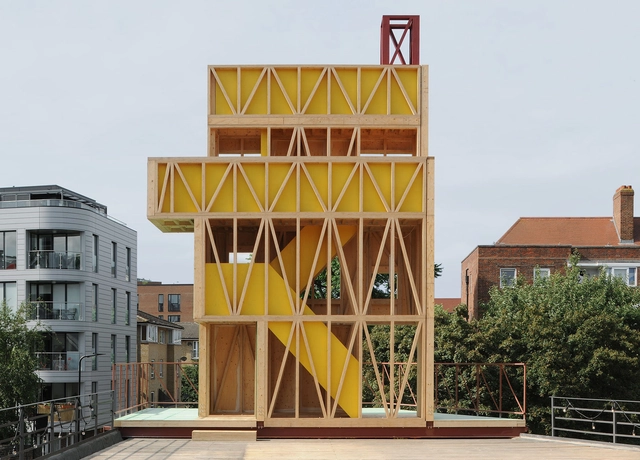
The third Antepavilion is set to open this week in east London — designed by young architecture firm Maich Swift Architects, the canalside wooden rooftop theater built in Haggerston, London, is inspired by Monsieur Hulot in Jacques Tati’s 1958 film "Mon Oncle". "Potemkin theatre" was chosen from almost 200 entries in an open competition launched by the Architecture Foundation and Shiva Ltd.
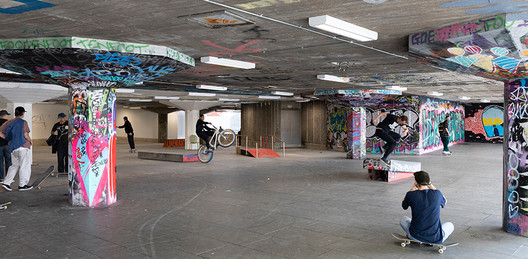
The Southbank Centre's famous Undercroft was a global destination for skateboarders, though it was threatened by closure and decay.

On the morning of Saturday, July 20, a wall of temporary construction fencing on the south bank of the River Thames was torn down, unveiling a 4,300-square-foot landscape of virgin concrete flooring. The space slopes in sections, culminating in L-shaped barriers and a white plywood wall, which, by the end of the 20th century, was covered in triumphant graffiti. This is the Undercroft, the open-ended subterranean space of the Brutalist Southbank Centre. It’s also the oldest, and among the most famous, consistently skateboarded space in the world.