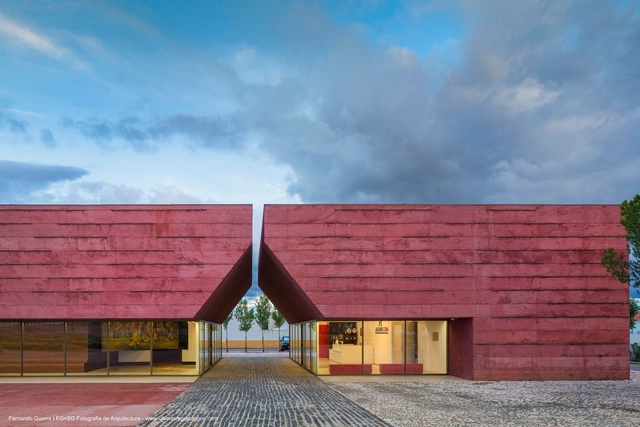
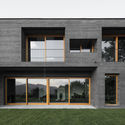
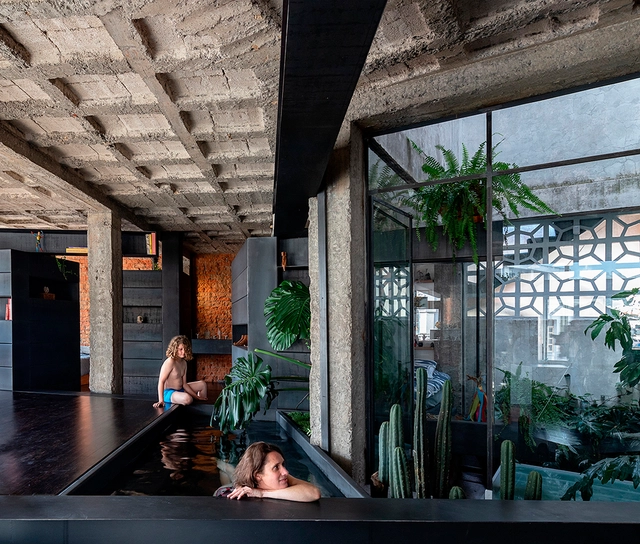
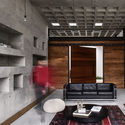
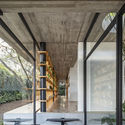
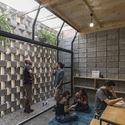
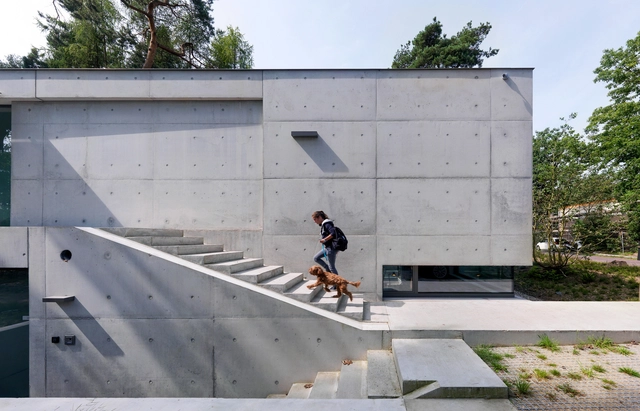
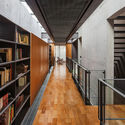
When we think of concrete, the color gray generally comes to mind. The traditional mixture of concrete, which comprises cement, gravel, sand, and water may vary in color depending on elements and admixtures but naturally varies from light to dark gray. However, compounds that add pigment to the mixture are becoming increasingly prevalent and popular, as they infuse the concrete with hues more stable than paint. These shades result from the addition of oxides: yellow, red and their derivations (eg. brown) are obtained with the addition of iron oxide; chromium and cobalt oxide create the greens and blues, respectively. For black concrete, it is common to use black iron oxide and carbon oxide combined with pozzolanic cement.
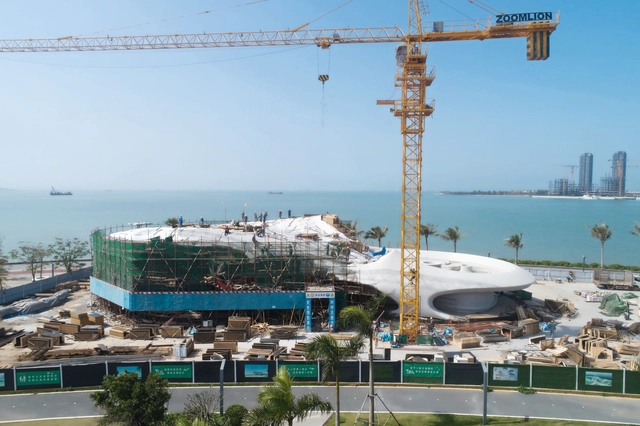
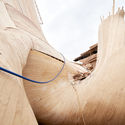
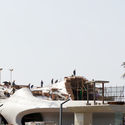
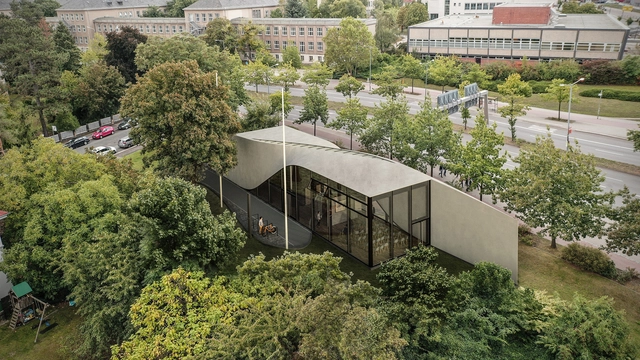
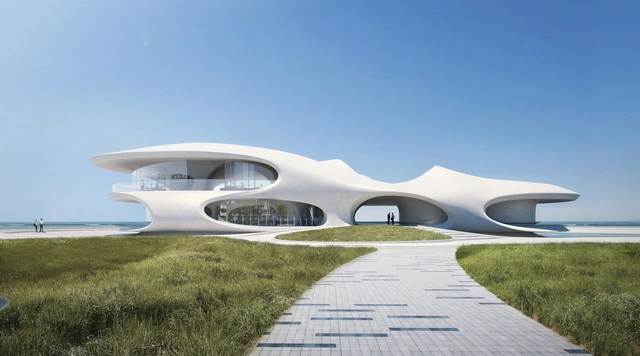
MAD Architects has unveiled that the Wormhole Library, had topped-out in the city of Haikou, China at the end of January 2021. The curved multi-functional structure, cast of white concrete, is scheduled to be completed and operational in the Spring of 2021. Once ready, the project will allow visitors to read, enjoy the sea views and attend open-air performances.
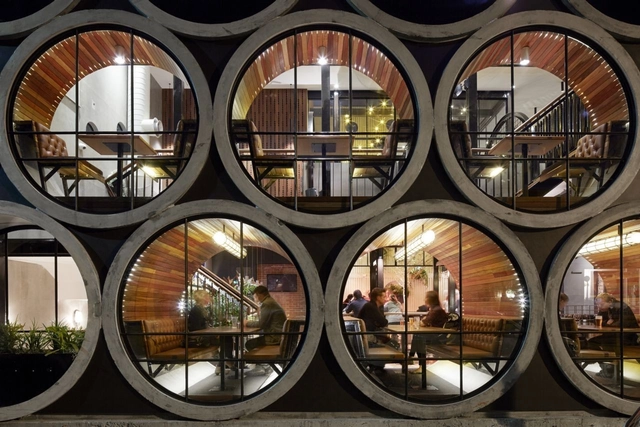
Urban infrastructures provide comfort to inhabitants and mitigate the risks of disasters such as flooding. Underground systems specifically conceal urban infrastructures from public view and are configured as real mazes under the streets. The distribution of drinking water, urban drainage, sewage, and even electrical wiring and fiber optics in some cases, pass under our feet without us noticing. To this end, the industry developed precast concrete parts for about 100 years that provided construction speed, adequate resistance to force, and durability against time. Concrete pipes with circular sections, in many diverse diameters, are perhaps the most used conduits and are ubiquitous around the world. But there are also those who use these apparently functional elements in creative architectural contexts as well.
Videos
Slab House Proposal / Skeleton. Image Cortesía de reBENT
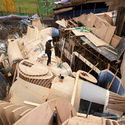
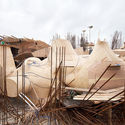
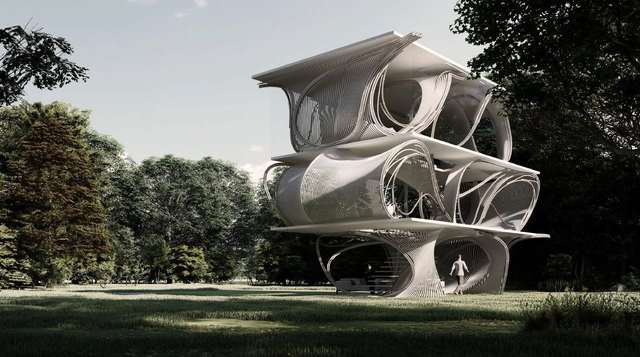
The reBENT project, developed by the Research Group 9 of the March 2019-20 Program of the Bartlett School of Architecture (UCL), explores the interactive relationship between augmented reality (AR) and manual construction processes using PVC pipes –highly resistant and cheap– as a base research material. In addition to taking advantage of its active bending properties to interact with AR, this material provides a fast and affordable system for the creation of complex concrete structures made by weaving together a series of bent PVC pipes and reinforcing bars, which are then used as formwork for glass fiber reinforced concrete (GFRC).
So far, the exploration of this hybrid approach –neither purely analog nor purely automated– has led to the design of prototypes, architectural elements, and habitable structures. In addition, the team developed an augmented reality platform for Microsoft Hololens in order to guide the construction and customization process through holograms.
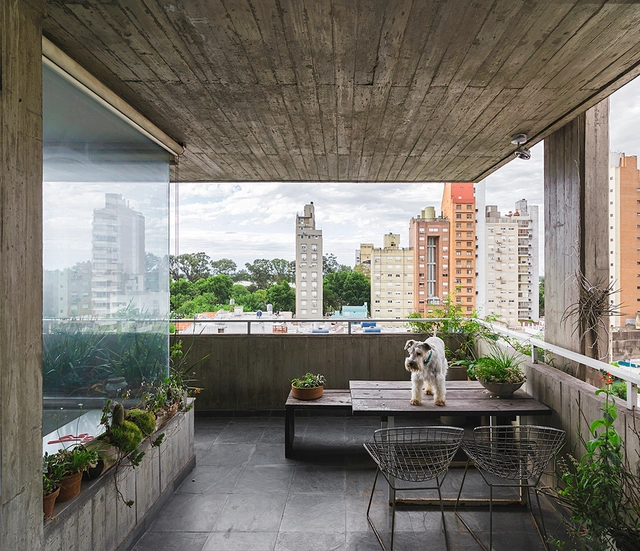
It's safe to say that concrete is one of the most utilized construction materials in large-scale architectural projects. In Argentina, the use of concrete to construct high-rise apartment buildings offers a variety of advantages, especially when it comes to durability and the time it takes to build. This has made it the go-to material for many architects.
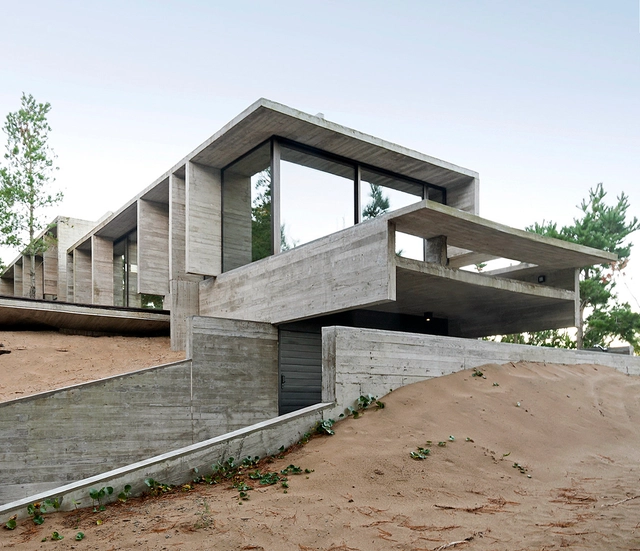
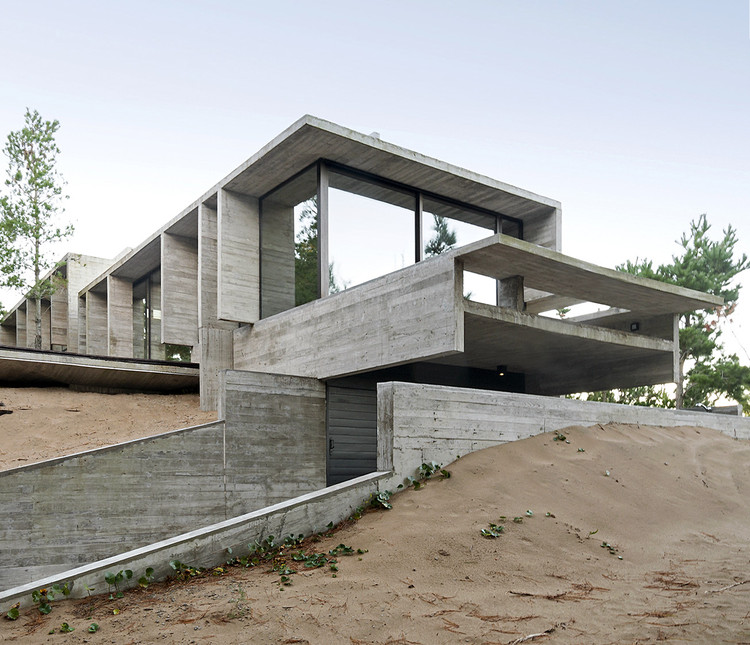
Thanks to its aesthetic qualities and malleability, concrete is the darling of the world's builders and architects. In Argentina in particular, concrete's durability and adaptability to a range of climatic conditions makes it one of the most sought after construction materials, demonstrated by, not only the country's countless museums, hotels, hospitals, but by its residential and smaller-scale buildings as well.
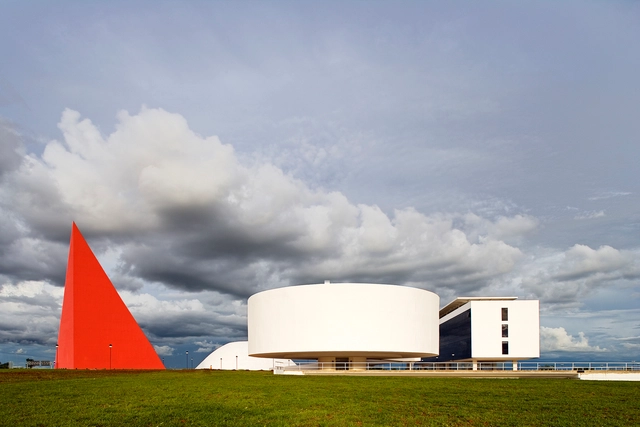
The Cultural Center was designed by architect Oscar Niemeyer and named after him. It is located in the city of Goiânia in the state of Goiás, Brazil, and was built on a 26 thousand square meter flat land called Esplanada da Cultura, a square dedicated to concerts and events, paying homage to former President Juscelino Kubitschek. The complex consists of four geometrically pure buildings: a rectangle that holds a public library, a cylinder where the Museum of Contemporary Art (MAC) is located, a dome that shelters the Music Palace, and a 36-meter-high pyramid that houses the Human Rights Monument.
https://www.archdaily.com/943227/ad-classics-oscar-niemeyer-cultural-center-oscar-niemeyerHenrique Bezerra de Araújo, Thiago Pitaluga Rezende e Guaraciaba Rosa de Oliveira
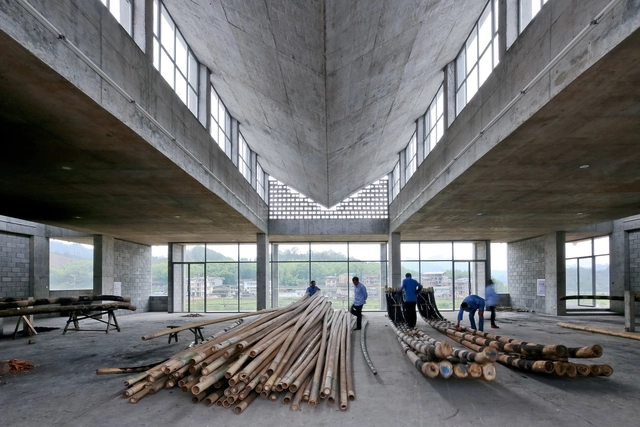
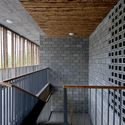
While concrete is without a doubt the world's go-to building material thanks to its durability, malleability, and ability to withstand a wide range of climates, it is also the principal source of CO2 emissions within the realm of construction. To combat this and reduce their creations' carbon footprint, many architects have begun experimenting and innovating in a bid to optimize concrete's technical qualities while diminishing its impact on the environment. Among these efforts, there are several projects that have explored the possibility of replacing traditional frameworks with more sustainable materials like bamboo, a resource that grows in abundance throughout many regions of the world and, along with having minimal environmental impact, renders high quality textured detailing on a variety of architectural surfaces.
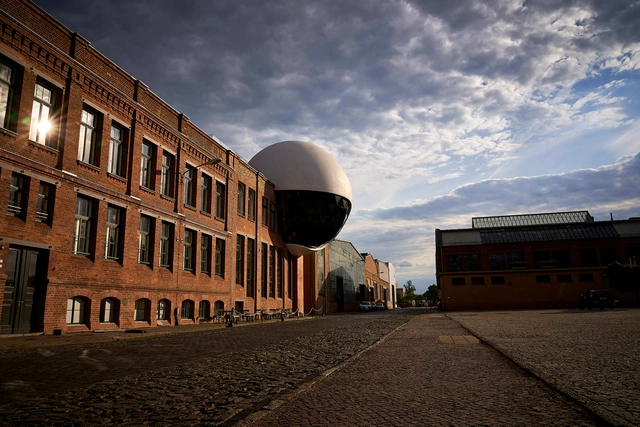
Oscar Niemeyer’s latest work generated a spherical extension for the Kirow plant’s canteen in Leipzig, Germany. The architect was first approached by the factory’s owner in 2011, and following Niemeyer’s death in 2012, his sketches were further developed by assistant Jair Valera, and executed by Harald Kern Architects.
Carbon textile-reinforced concrete is a composite of high-performance materials that is corrosion-resistant, thin, light, resource-friendly and environmentally friendly. It provides a basis for long-term endurance in construction, both in new buildings and in renovation or repair. Longevity and economic viability are two essential factors at which the construction industry, as well as research, politics and environmental associations, have demonstrated a keen interest.
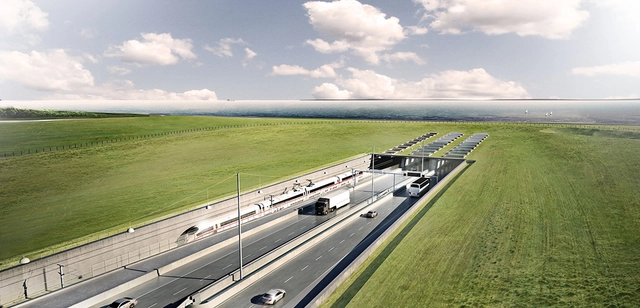
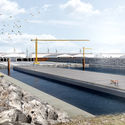
The world’s longest immersed road and rail tunnel design, the Fehmarnbelt link gets a go-ahead. The 18 km infrastructure, the longest of its kind, connecting Denmark’s Lolland Falster region with Germany’s Schleswig Holstein region across the Baltic Sea will shorten the journey between both countries to just 10 minutes by car and seven minutes by train.
In the dome of the Pantheon in Rome, several construction techniques were used to allow such a bold construction to stand. One concerns the composition of the concrete (in this case, non-reinforced concrete) with different densities throughout the structure. Closer to the top, lighter stones were used in the mixture, reducing the dome's weight retaining the solidity of the base. Another technique was the inclusion of “coffers”, which are nothing more than subtractions in the concrete, reducing the weight of the dome while maintaining a cross section sufficiently robust to support its own weight. Built almost 1,900 years ago, this building still surprises us with the genius of the solutions. Using a quantity of materials just high enough to fulfill its primary function, and creating intelligent structures as a result, is just one of the lessons that this building provides.
MAD Architects has just released its design for the Wormhole Library, a curved structure that serves as a multi-functional building, allowing visitors to read, enjoy the sea views and attend open-air performances. Located on the coast in Haikou, Hainan Province in China, the “wormhole” pavilion is now under construction and is expected to be completed in 2021.
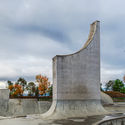
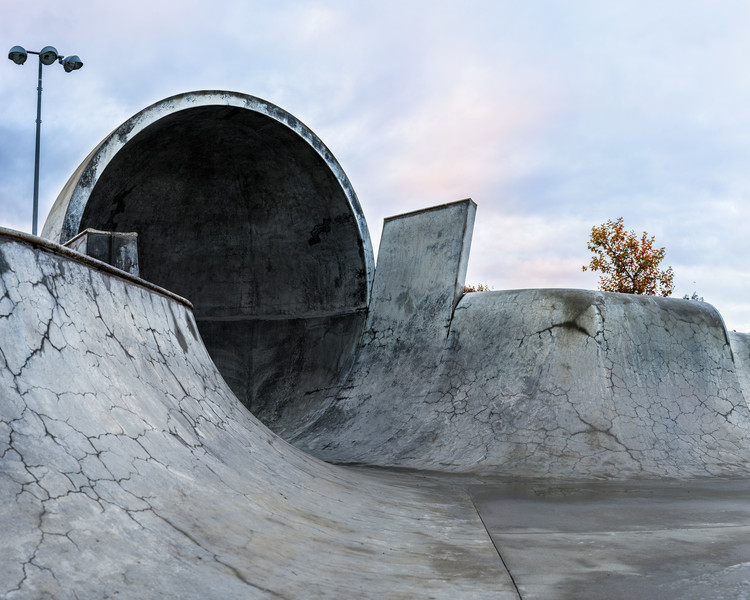
Skating took root as a sport in California during the 1960s and 70s, a time when extreme activities like surfing found their niche among the United States populace. Beginning as an urban adaptation of surfing, skateboarding became the pastime of choice for adolescents and, by the 1980s, acquired a worldwide following. Soon, city-scapes across the globe began transforming as spaces were created for people to engage in this uniquely urban sport.
With its wide range of applications and cosmetic properties, concrete is having a moment in the world of architecture. Today, thanks to the ever-moving stream of innovation in concrete production and application, optimal results are now the norm rather than the exception. For architects and builders alike, concrete is an opportunity to explore and experiment with tones and textures, ensuring that there is something for every design and project.
Peter Zumthor, in one of his most emblematic works, gives concrete an almost sacred dimension. The work in question is the small Bruder Klaus Field Chapel, located in a small village in Germany, a construction that is both robust and sensitive. Built with white cement, which was mixed with stones and sand from the region, the chapel is composed of 24 layers of concrete that were poured day after day by local labor, and compressed in an unusual way. The building's flat and smooth exterior contrasts with its interior, which was initially made of inclined wooden logs forming a triangular void. To remove these internal forms, the logs were set on fire in a controlled process, reducing them to ash and creating a carbonized interior that varied between black and gray and retained the texture of the negatives of the logs. The result is a masterpiece of architecture, a space for reflection and transformation, in which the same material appears in diametrically opposing ways.