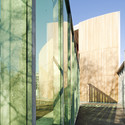
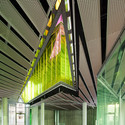
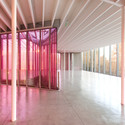
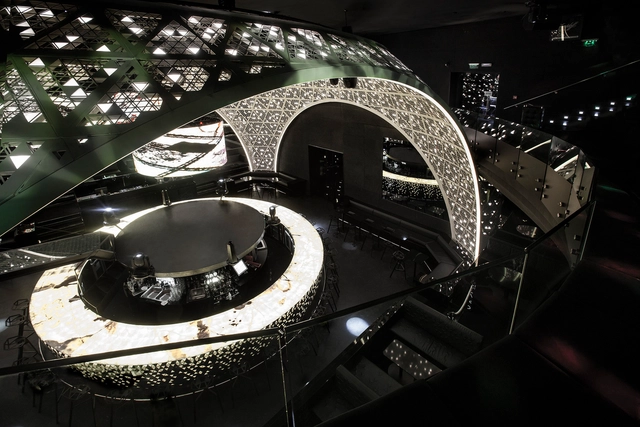
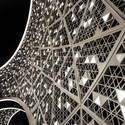
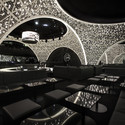
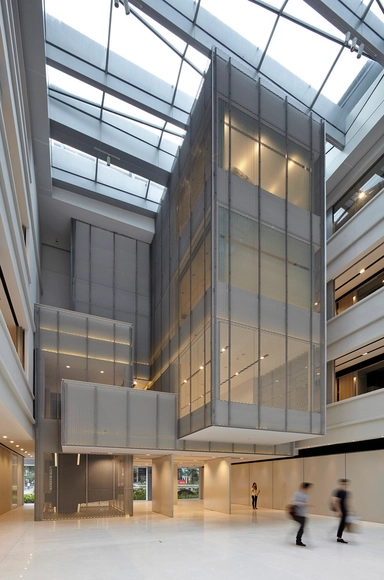
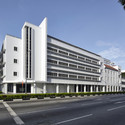
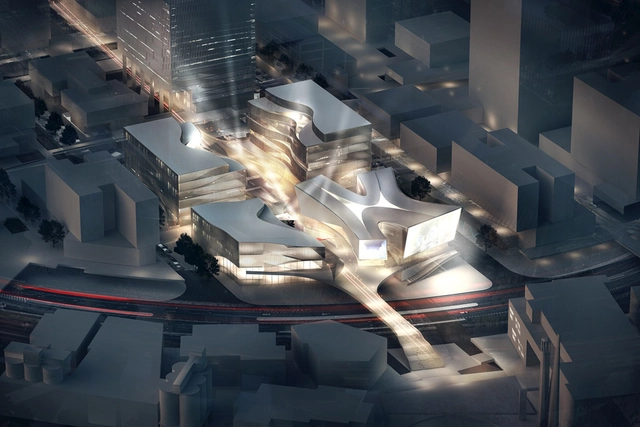
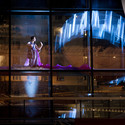
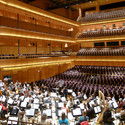
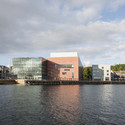
SANE architecture, an experimental studio based in Paris, have recently been recognised in the MIPIM Architectural Review Future Project Awards 2014for the Taichung City Cultural Centre. The practice, who focus on "researching the Sane and the Insane in architecture", were tasked with imagining an architecture and an urban space unique to Taiwan's climate and the culture of Taichung, a cultural library and municipal arts museum that "synergizes" art, education and recreation.
Recently awarded first place in an invited competition, Tham & Videgård's (T&V) design for a new addition to the Krabbesholm Højskole School of Art & Design in Skive, Denmark, uses a combination of thick brick walls and barrel arched roofs to establish a strong connection to the character and spatial qualities of the existing buildings - the Four Boxes Gallery by Japanese Atelier Bow‐Wow, and a collection of new studio buildings by New York‐based MOS Architects.
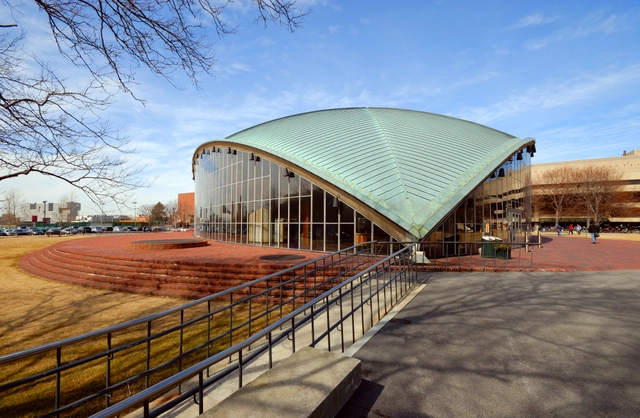
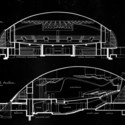
Kresge Auditorium, designed by Finnish American architect Eero Saarinen, was an experiment in architectural form and construction befitting the Massachusetts Institute of Technology’s focus on technology and innovation. This feat of sculptural engineering serves as a meeting house and is part of the cultural, social, and spiritual core of MIT’s campus. Kresge Auditorium is one of Saarinen’s numerous daring, egalitarian designs that captured the optimistic zeitgeist of Post-war America.
Grätzel façade. Image Courtesy of SwissTech Convention Center and Northern District
Richter Dahl Rocha & Associés' "ultramodern" SwissTech Convention Center opened its doors today. Housing a 3,000-seat modular amphitheater which can be converted from conference auditorium, to exhibition hall, to banquet room in only fifteen minutes, the convention center is the first large-scale convention hall to use EPFL's dye-sensitized solar cells (also known as Grätzel Cells).
This latest addition to the campus's northern quarter already contains a collection of commercial stores and over 500 housing units. Its construction puts the finishing touch too what has been described as a "living campus where students can now stay on campus both night and day."
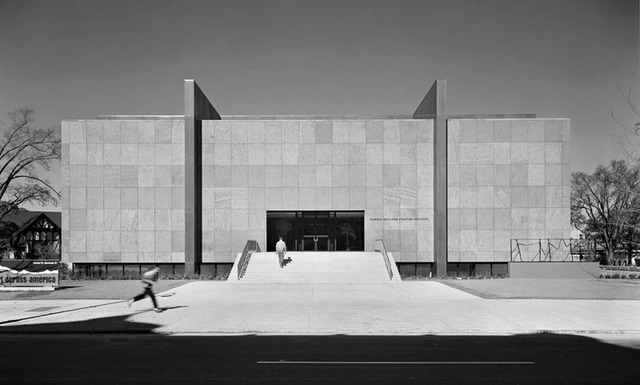
The Munson-Williams-Proctor Arts Institute is a Modern masterpiece and revolutionary precedent of American museum design. Located in Utica, New York, it was the first of many influential cultural facilities designed by Philip Johnson. Also known as the Museum of Art, the structure represents a stylistic turning point in Johnson’s career, marking the end of his loyalty to the International Style and the beginning of his experimentation with Neo-Classicism.
Danish practice 3XN Architectswill begin construction this year on an IMAX theater, retail and creative office complex for the massive DreamCenter entertainment district on Shanghai’s West Bund. Stressing the importance of the “red carpet” experience, 3XN will incorporate a “Shanghai version of the Spanish steps” which will be used for film premieres, festivals and other cultural events.
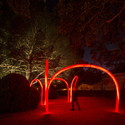
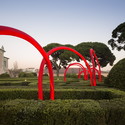
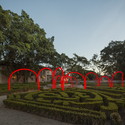
Text description provided by the architects. If you made it to South By Southwest (SXSW) in Austin this year there is a good chance you were drawn to this 11-foot, steel vaulting structure known as Caret 6. Designed by OTA+ principle Kory Bieg and his 2013 design-build studio from the University of Texas’ (UT) Austin School of Architecture, the CNC-fabricated structure was originally conceived to exhibit the prototypes and winning project from the TEX-FAB's 2013 SKIN Competition before being reassembled as part of the Next Stage and Renegade Craft Fair at the annual interactive, music, and film festival.
Grounded by a central catenary vault, the diamond-celled structure supports two cantilevering arms and a third cascading vault that forms a base for showcasing exhibition content. More information from the design team, after the break...
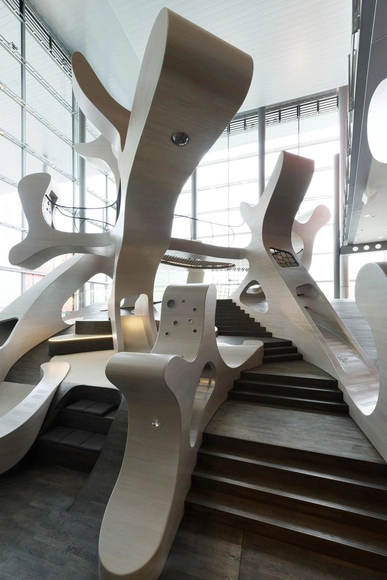
An expansion to their permanent Level Green exhibition at Volkswagen Autostadt visitor’s center in Wolfsburg, J. MAYER H. has completed a “playful learning landscape” of inhabitable solid wood sculptures that allow children to explore various aspects of sustainability. From the “issue of mobility” to cooking courses, the “MobiVersum” is designed to challenge children’s motor skills and imagination.
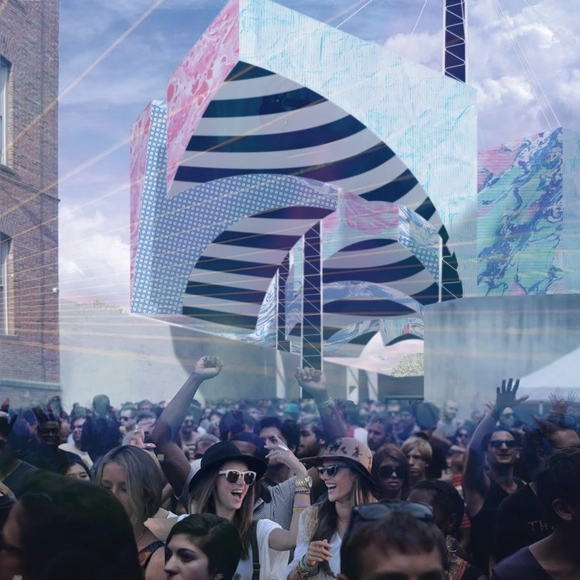
Wouldn't it be nice to save a little cold for when it’s hot (and maybe a little warmth for when it’s cold)? This was the premise of LAMAS’s MoMA PS1 runner-up proposal, Underberg. Underberg is an urban iceberg. Though it isn't a native New Yorker, it has adapted to its new home in New York City and its crevasses take on the form of the avenues and streets of the gridiron.
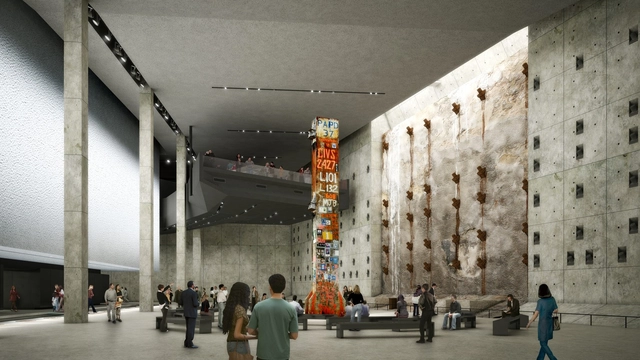
With completion in sight (May 2014), Davis Brody Bondhas released detailed information on the design of the subterranean 9/11 Memorial Museum in Manhattan. Located beneath the sculptural voids that form the 9/11 Memorial, the new museum has transformed a fixed set of geometric constraints into an emotional journey that gently descends visitors 70 feet below the ground level to the original foundations of the World Trade Center towers.
Placing fifth in the international competition to design the Austrian Pavilion for the 2015 Milan Expo, Paolo Venturella’s concept is designed as an extruded version of the Austrian mountain house that connects two major programs: an exhibition space and “big green-house.” To the north, the elevated exhibition space is shielded by a fabric sheathing which diminishes as it moves towards the greenhouse, south, where visitors are presented with a fresh vegetable garden, bar and restaurant that serves traditional cuisine.



.jpg?1396611916&format=webp&width=640&height=580)