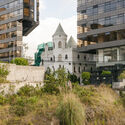
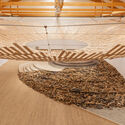
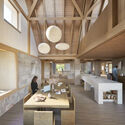
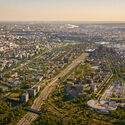
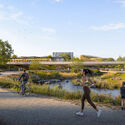
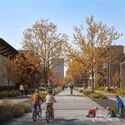
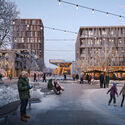
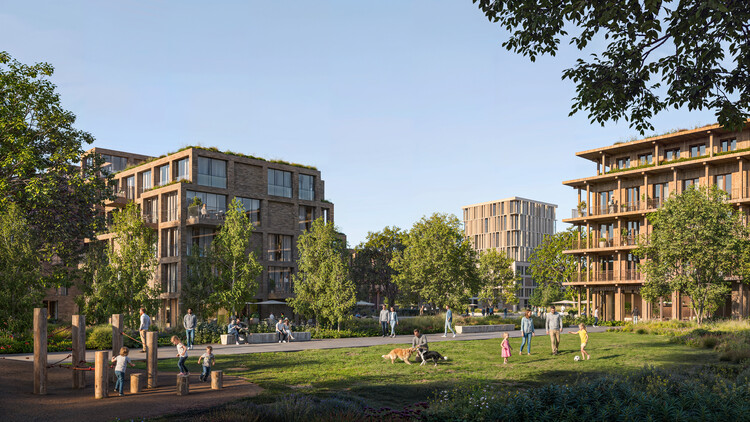
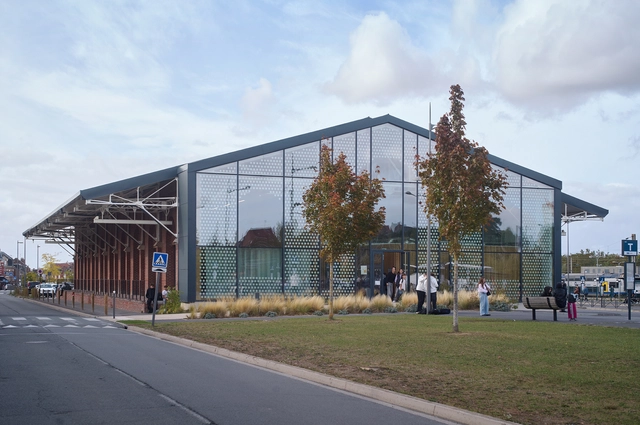
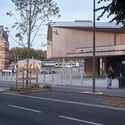
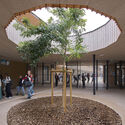
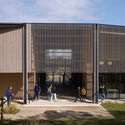
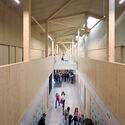
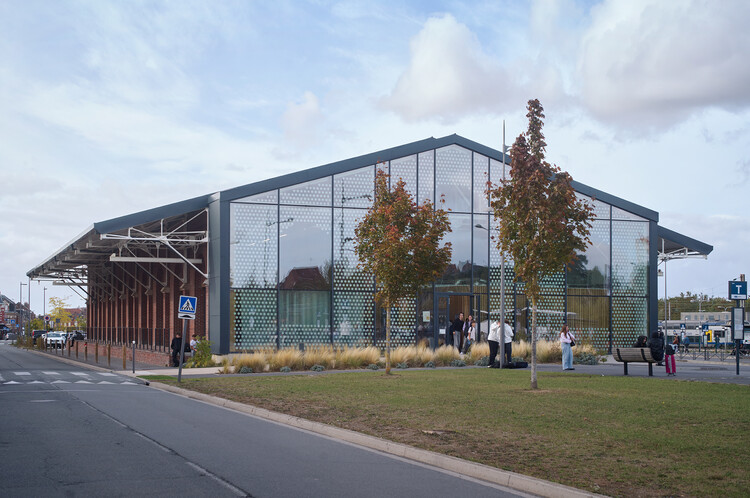
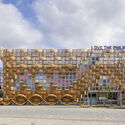
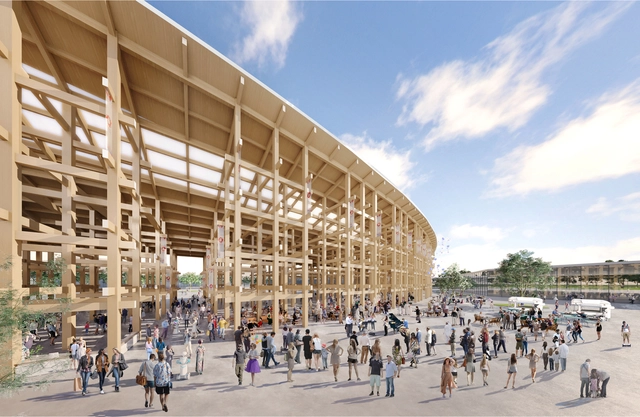
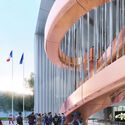
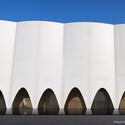
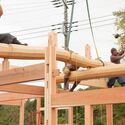
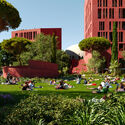
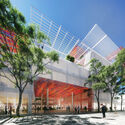
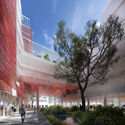
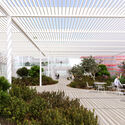
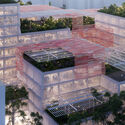
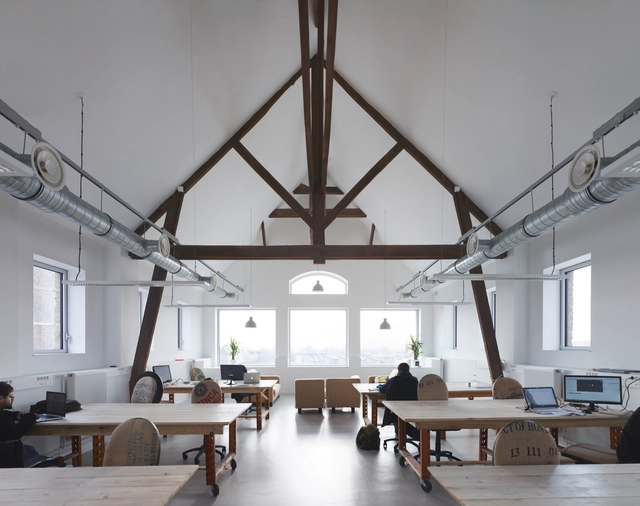
Coldefy, in collaboration with Relief Architecture, has completed the Robert Badinter Secondary School, the first timber-framed school in northern France. Designed to accommodate 650 students, the project is situated on a former railyard adjacent to the city's train station and within walking distance of the town center. The new school forms part of a wider urban renewal strategy aiming to consolidate transportation links and introduce new civic amenities to the area.
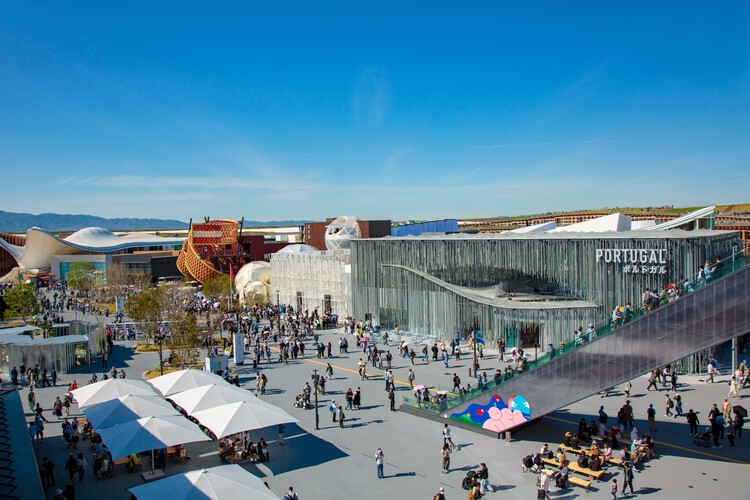
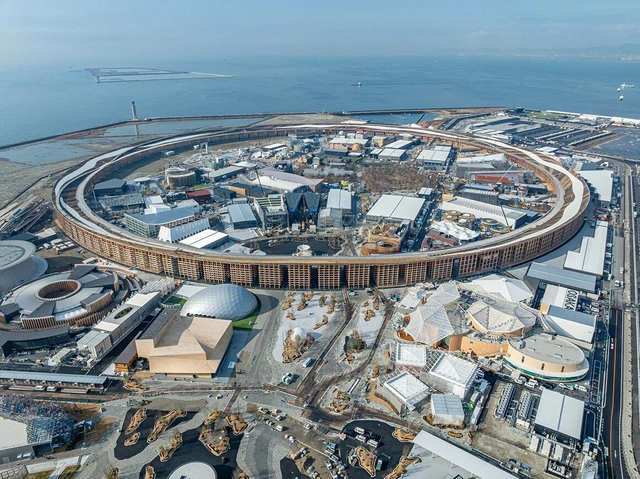
As Expo 2025 Osaka passes the midpoint of its six-month duration on July 13, the international exposition continues to serve as a global platform for architectural experimentation, cultural exchange, and technological innovation. Officially opened on April 13 on the reclaimed island of Yumeshima, the event is organized under the theme "Designing Future Society for Our Lives," and has already welcomed more than 13 million visitors as of late July. Conceived as a space for collaboration across disciplines and borders, the Expo brings together more than 150 national, thematic, and corporate pavilions.
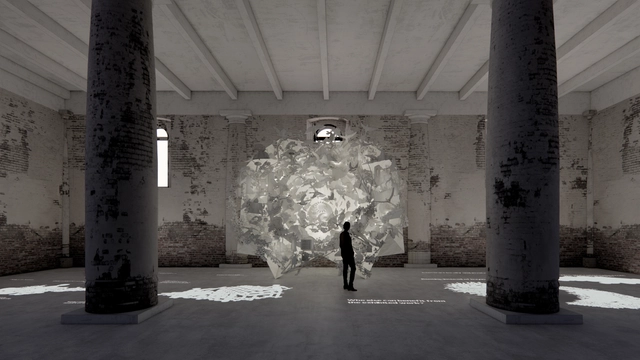
The Biennale promises to be a dynamic platform uniting over 750 participants from diverse backgrounds, including architects, engineers, mathematicians, climate scientists, and artists. Such a broad coalition of over 280 projects underlines the Exhibition's focus on inclusivity and interdisciplinary collaboration, an essential aspect for adaptation. The selection process proposed a bottom-up, open call approach through the Space for Ideas initiative, which ran between May and June 2024. It encouraged participation from global teams, from Pritzker Prize winners and Nobel laureates to emerging architects and scientists.
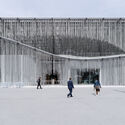
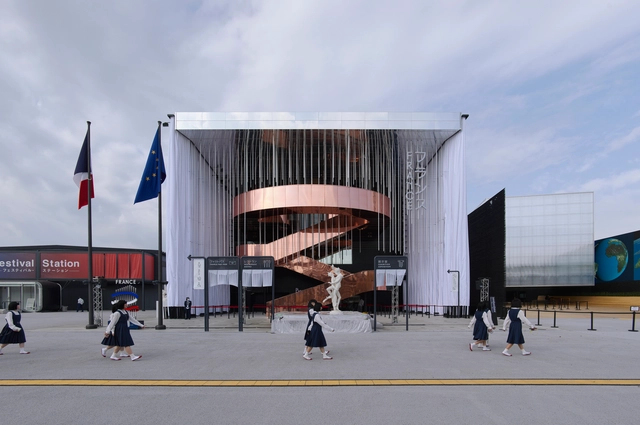
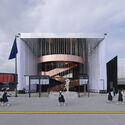
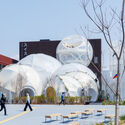
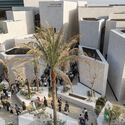
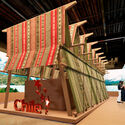
French architecture studio Coldefy and Italian architecture practice CRA-Carlo Ratti Associati have completed the 'Theatre of Life,' the project selected as France's national pavilion at Expo Osaka 2025, and welcomes visitors until 13 October. The pavilion welcomes both natural and artificial habitats, aiming to illustrate how design can connect human and non-human worlds while showcasing France's contribution to culture and the natural environment. In the exhibition, the visitors are invited to explore France's multiple ecosystems and rediscover a connection to nature.
Expo 2025 Osaka has officially opened on April 13, 2025, at Yumeshima, Osaka. Under the overarching theme "Designing Future Society for Our Lives," the Expo set out to explore three pivotal subthemes: Saving Lives, Empowering Lives, and Connecting Lives. These themes aim to unite architectural and design enthusiasts by demonstrating how cutting-edge technology and innovative solutions can address global challenges, foster dialogue inspire collective action.
College of Europe's Tirana Campus . Image Courtesy of MIR, Designed by Oppenheim Architects
Tirana, the capital of Albania, is undergoing a remarkable transformation fueled by an ambitious vision for the future outlined in the Tirana 2030 (TR030) Master Plan. This plan, devised by renowned Italian architect Stefano Boeri, aims to reshape the city into a sustainable, green, and inclusive urban hub, with a focus on increasing density while enhancing the quality of life for its residents. Central to this vision are projects such as the creation of an "orbital forest" with two million trees, the revitalization of rivers with green corridors, and the redesign of public spaces like Skanderbeg Square, which has become the largest pedestrian area in the Balkans. According to The Guardian, these initiatives aim to reverse the sprawling urban chaos that followed the fall of communism and accommodate a population that has quadrupled since 1992, while prioritizing quality of life and accessibility.
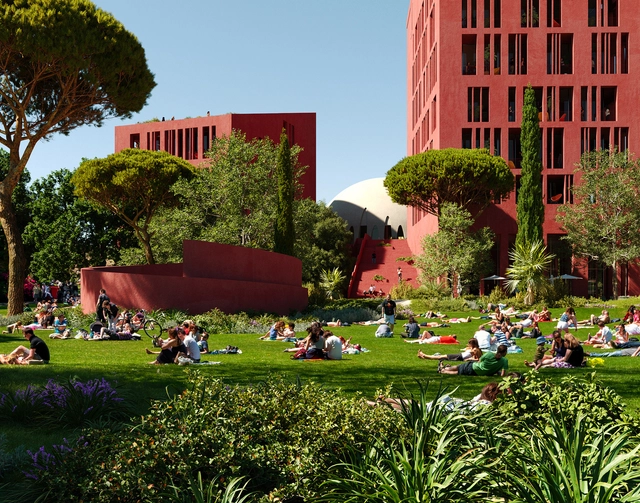
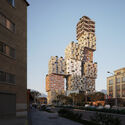
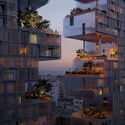
At the heart of Tirana's transformation is a renewed focus on architecture as a tool for connection, combining cultural identity with contemporary design to create spaces that invite public interaction and engagement. Recent projects announced by renowned architects and international firms including Coldefy, OODA, Oppenheim Architecture, and CHYBIK + KRISTOF showcase a common thread of reimagining the rejuvinated city for the public. These designs emphasize social sustainability, cultural references, and accessible public spaces, redefining how residents and visitors experience Tirana's urban fabric. From mixed-use vertical villages and pedestrian-friendly streets to eco-conscious campuses and civic hubs, these new developments collectively highlight the city's ambition to position itself as a progressive model for urban renewal in the Balkans.
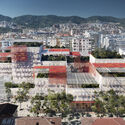
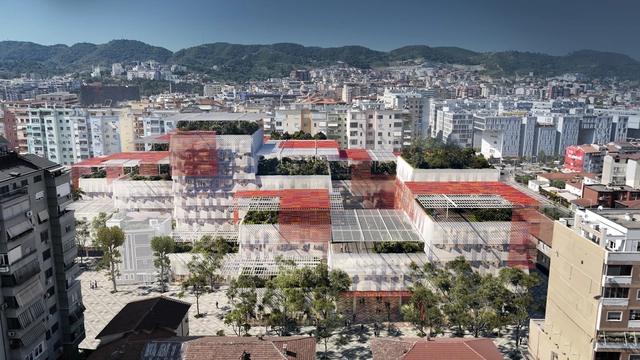
The consortium led by the French architecture firm Coldefy, in partnership with Albanian studio Atelier 4, Sempervirens, and Italian firm AEI Progetti, has just won the international competition to design Albania's new Public Administration Cluster in Tirana. This 31,000-square-meter project will bring together over 20 government institutions under one roof, aiming to improve administrative efficiency while fostering greater public accessibility and engagement.
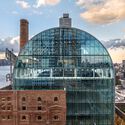
Industrial heritage, once central to urban growth and economic prosperity, is now often neglected and underused. Around the world, various factories, mills, and warehouses sit abandoned, and their distinctive structures fall into disuse. These buildings were typically constructed from materials such as brick, steel, concrete, and large glass windows. Known for their strength and longevity, these materials make the structures ideal candidates for refurbishment, maintaining structural integrity.
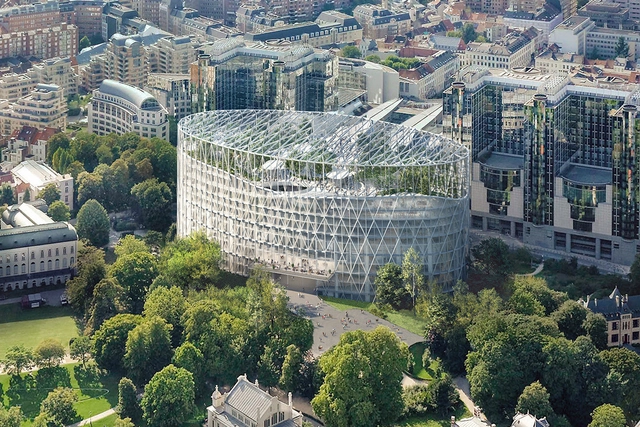
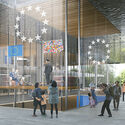
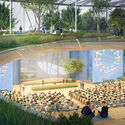
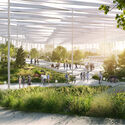
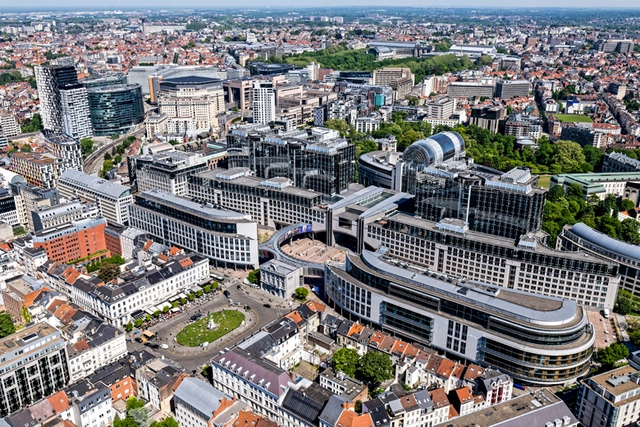
EUROPARC, a pan-European design collective, has been announced as the winners of the international competition to renew the Paul Henri SPAAK Building in Brussels, Belgium. The building housing the Parliament of the European Union has many shortcomings, yet the winners of the competition recognize that demolishing and replacing it might not be a responsible or sustainable solution. The existing building is, therefore, reimagined and adapted better to fit the needs and the identity of the EU. EUROPARC is made up of five architectural studios from five European countries: JDS Architects (DK/BE), Coldefy (FR), CRA-Carlo Ratti Associati (IT), NL Architects (NL), and Ensamble Studio (SP), with the support of engineering companies from UTIL (BE) and Ramboll (DK).
The European design team integrated by architectural firms JDS Architects, Coldefy, Carlo Ratti Associati, NL Architects, and Ensamble Studio has been announced as the winner of the international design competition for the renewal of the Paul-Henri SPAAK Building, the European Parliament plenary building in Brussels, Belgium.
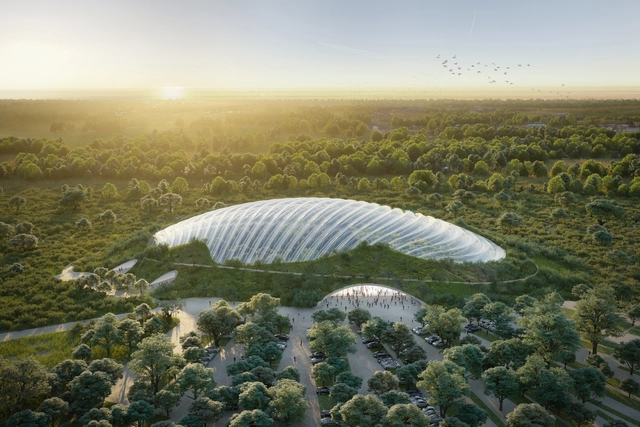
Not-for-profit Zuecca Projects and Coldefy have shared new research for Tropicalia, the largest single-dome greenhouse on the planet, for the 17th International Architecture Exhibition – La Biennale di Venezia. Presenting tropical fauna and flora, the team is also sharing the architectural and engineering specificities of the Tropicalia greenhouse with its unique sustainable air treatment engineering.
French firm Coldefy & Associates has unveiled images of their design proposal for the world’s largest tropical greenhouse under one roof. Situated in Pas-de-Calais, France, “Tropicalia” will cover an area of 215,000 square feet (20,000 square meters) featuring a tropical forest, turtle beach, a pool for Amazonian fish, and a one-kilometer-long walking trail. The biome aims to offer a “harmonious haven” where visitors are immediately immersed in a seemingly natural environment under a single domed roof.
Coldefy & Associés Architectes Urbanistes, in collaboration with ECADI (East China Architectural Design and Research Institute), has been awarded 1st prize in the international competition to design the new Bao’an Public Culture and Arts Center in Shenzhen, China, beating out 69 other entries, including a proposal from Mecanoo.