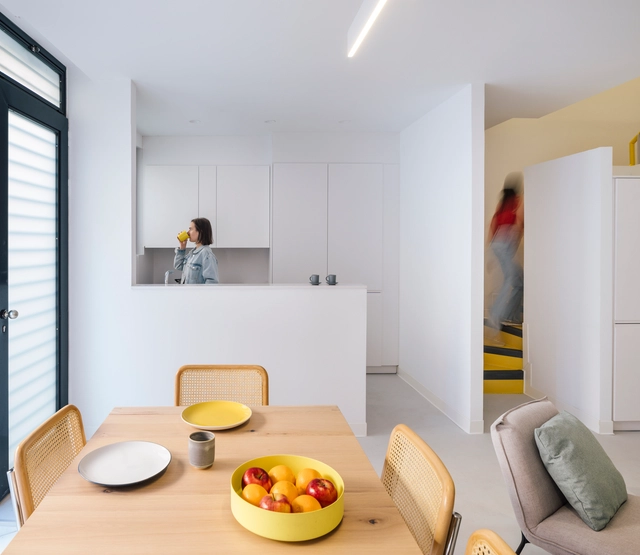
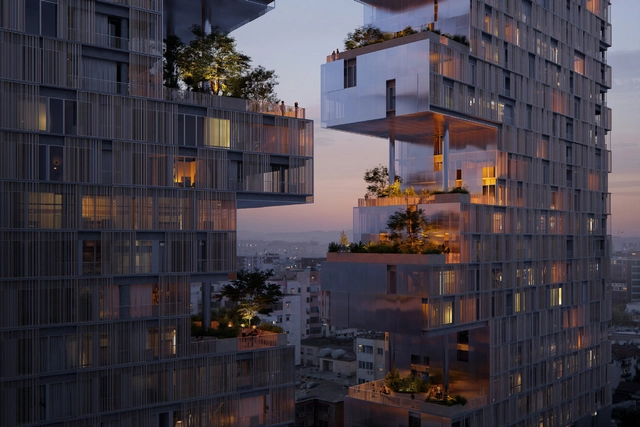
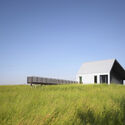
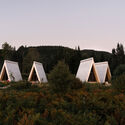
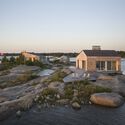
Amid a significant global housing shortage and an increase in urban growth, the residential phenomenon of co-living is expanding, fostering a community-based lifestyle where socialization becomes a fundamental principle. Resources, values, interests, and experiences are shared, creating new ways of living. While co-living buildings also incorporate spaces for individuality, this new form of communal domesticity emerges as a viable alternative suitable for diverse users, not only students or young adults but also older residents, promoting efficient space utilization and intergenerational interaction.
Ammodo Architecture has just revealed the first 23 recipients of its inaugural Ammodo Architecture Awards, an annual recognition dedicated to advancing socially and ecologically conscious architecture worldwide. The awardees, chosen for their exemplary contributions, will receive financial support ranging from €10,000 to €150,000 to further their work and projects across three categories: Social Architecture, Social Engagement, and Local Scale.
Kenzo Tange's 1960 Tokyo Bay Plan reflected the zeitgeist of a society enamored by rapid technological advancement and post-war optimism. Buckminster Fuller's 1959 dome concept over Manhattan was developed on a belief in humanity's ability to shape its environment on an unprecedented scale. All throughout the mid-20th century, utopian urban planning ideas sprouted in various parts of the world, driven by a unique combination of societal factors and psychological motivations.
While these visions were often marked by hope and ambition, they also reflected the broader economic growth and technological innovation of the time—factors that contributed to the bold fantasies of architects and urban designers eager to transform the urban landscape. Many saw an opportunity to redesign cities from the ground up, often bypassing the complexities of existing urban fabrics in favor of futuristic ideals. However, while these visions provoked forward-thinking practices, they often surprised the public and seemed distant or unattainable. How might these concepts have evolved if shaped by today's participatory planning, which prioritizes public engagement and community input?
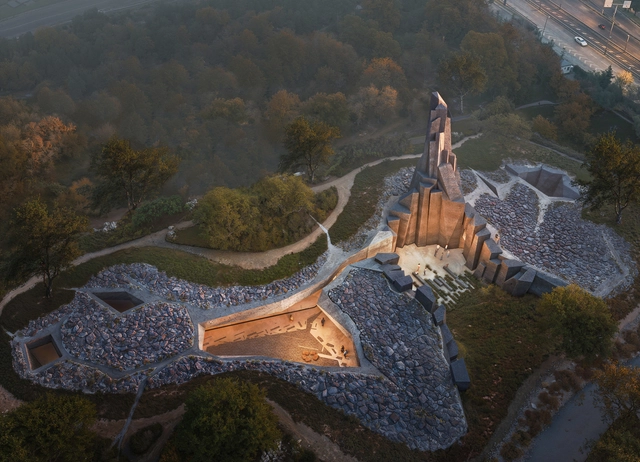
Küçükçekmece Djemevi. Image Courtesy of EAA-Emre Arolat Architecture
EAA-Emre Arolat Architecture has recently released its design for the Küçükçekmece Djemevi, a new concept for a civic space in Istanbul designed to combat social exclusion and provide a comfortable and inviting environment for the Alevi community. The building is comprised of a series of interconnected spaces and structures that generate a complex topography, offering ample recreational areas and a space of identity for the local community. The concept was recognized during the World Architecture Festival 2024, earning them the award of Future Project of the Year in recognition of its social inclusivity and careful adaptation to local traditions and needs.
OODA has just revealed its design for a new mixed-use urban development in central Tirana, Albania. Located in the central district of Tirana on Myslym Street, the Ndarja building, represents a new approach to mixed-use urban development, incorporating residential, hospitality, office, and commercial functions within a single structure. The building comprises two distinct sections positioned along their narrow sides, creating a central square that serves as a gathering spot, contrasting the busy surroundings.
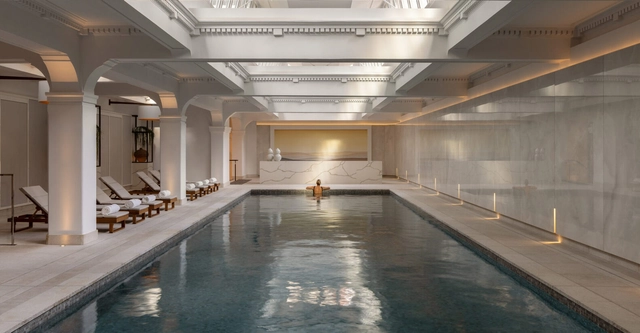
The evolution of new technologies, innovative applications, and a shift towards sustainable solutions are central to contemporary hotel architecture. These developments aim to raise awareness about environmental care while enhancing indoor comfort and well-being. From expansive resorts and tourist complexes to cabins and remote retreats, the design of common areas incorporates essential furniture for effective activities, proper climate control equipments, and wall and floor finishes that align with specific needs.
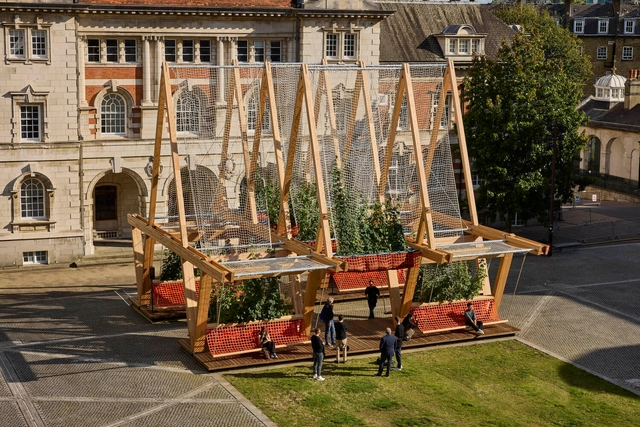
Pavilions offer architects a unique opportunity to experiment, serving as compact spaces that push the boundaries of design and spatial concepts. Free from many conventional functional constraints, these structures allow for artistic expression and the testing of new technologies. Pavilions often act as living laboratories of architecture, positioned in public or cultural contexts. They transform their surroundings into interactive, memorable experiences, providing a stage for architects to showcase their most innovative ideas. In recent years, climate responsiveness has emerged as a crucial focus in pavilion design. By using temporary structures as a testing ground for more sustainable practices, architects can experiment with alternative materials and environmentally conscious approaches that address the climate crisis.
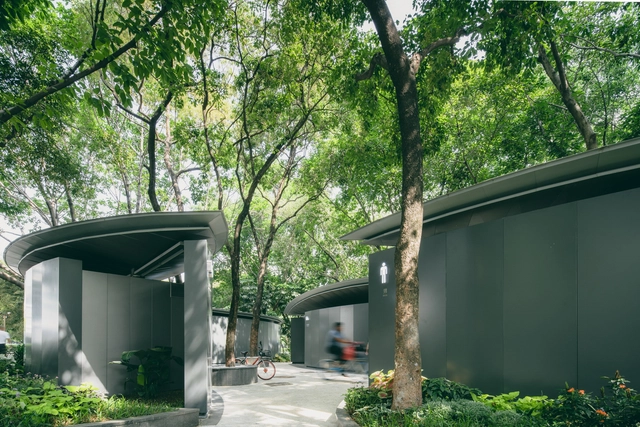
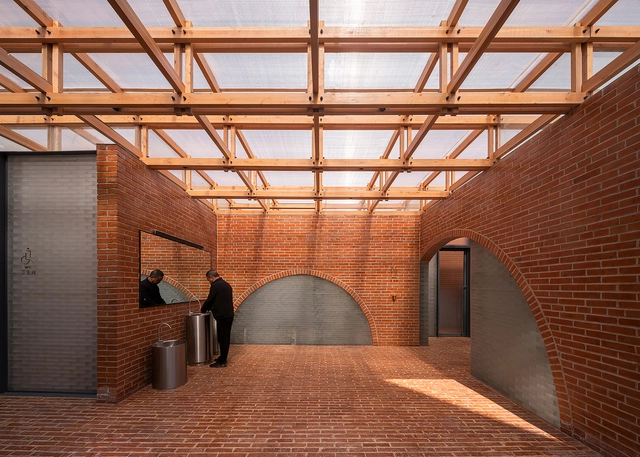
The design of public bathrooms and changing facilities has historically catered to a generalized notion of user needs, often oversimplifying the complexities of gender-specific requirements and falling short of supporting the unique needs of women. These needs extend beyond biological differences—such as the necessity for more stall privacy and differences in height and body posture—to include cultural factors that influence restroom use and expectations over time.
For instance, women's contemporary clothing often lacks adequate pocket space, resulting in the need to carry a handbag, even for simple essentials like phones and wallets. Despite efforts in recent architectural designs to address these disparities, the layered nuances of biological, cultural, and gender identity factors present a multifaceted challenge that defies a one-size-fits-all solution.
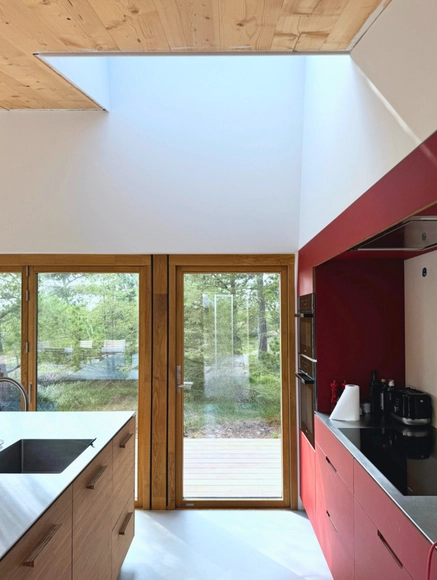
The Summer House in Højby by Jeppe Utzon & Camille Pincemin. Image Courtesy of VELUX
In architecture, it's often the finer details that make the grandest impact. Across the ages, architects have carefully oriented buildings to balance function and aesthetics, with light as their guiding principle. The pursuit of perfect lighting in buildings dates back to medieval times—and the search continues. It turns out that simply allowing light into a space isn't enough; it's the direction and quality of that light that truly elevates the environment.
This year, the VELUX Nordic Architecture Competition—aptly titled "Daylight from Above"—invited architects from Denmark, Sweden, and Norway to explore the nuances of natural light in residential design. The competition urged them to craft spaces where light plays a starring role, sculpting interiors that shift and change with the hours and seasons. The aim? To create homes where light doesn't just brighten a space but elevates the experience of living in it..
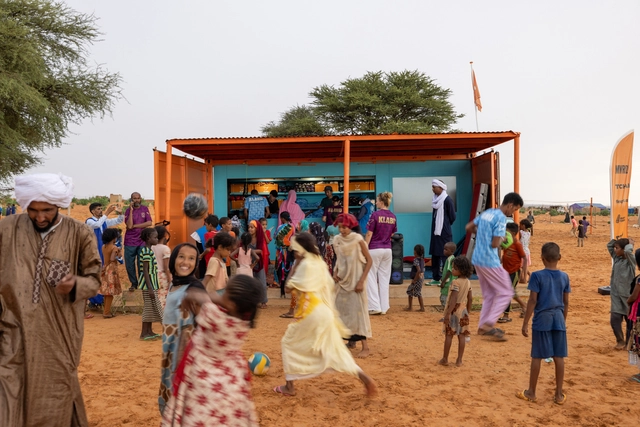
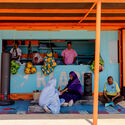
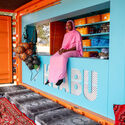
MVRDV has partnered with KLABU, a social enterprise based in Amsterdam, to design a modular, multi-functional clubhouse aimed at supporting refugees. This collaboration, which began in 2022, is founded on the belief that sports can play a pivotal role in helping individuals rebuild their lives, fostering joy, pride, and hope. KLABU's initiative involves constructing clubhouses within refugee camps, settlements, and urban areas, where they serve as community hubs offering access to sports equipment, activities, and connectivity through Wi-Fi and TV broadcasts.
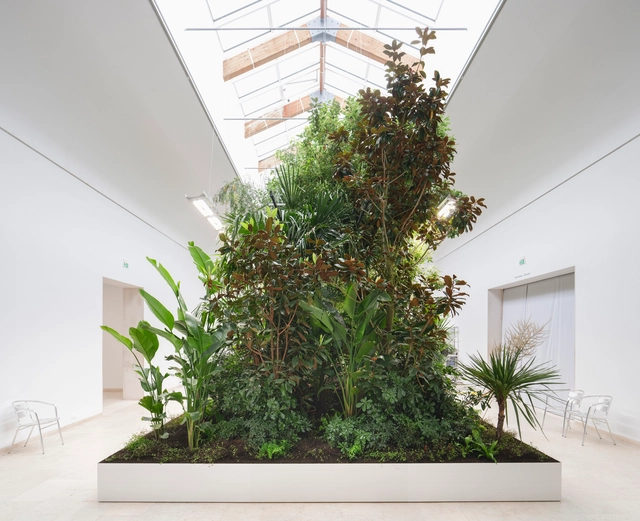
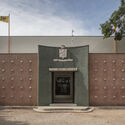
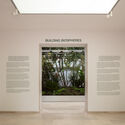
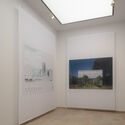
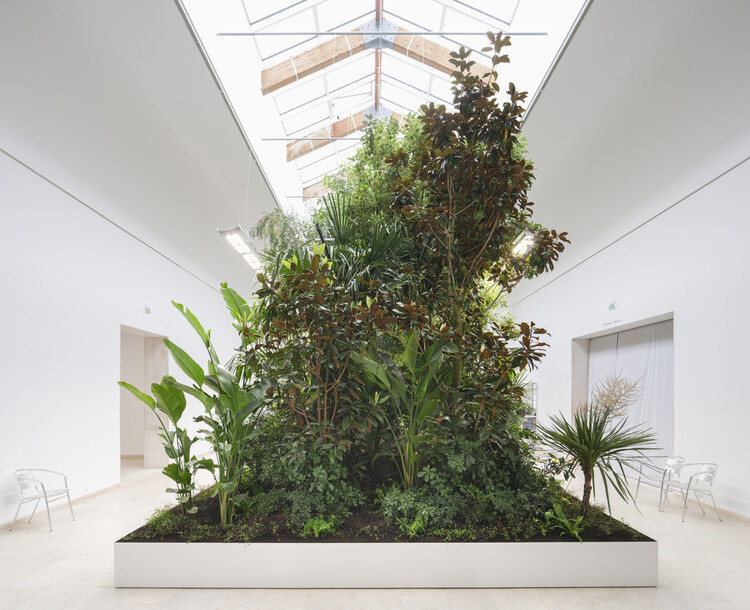
The 19th Biennale Architettura, which opened in Venice on May 10th, 2025, sees the Belgian pavilion transformed by an exhibition titled "Building Biospheres," curated by a team comprising landscape architect Bas Smets and biologist Stefano Mancuso. Initiated by the Flemish government and the Flanders Architecture Institute, this thought-provoking exhibit explores a transformative approach to architecture through the lens of plant intelligence.
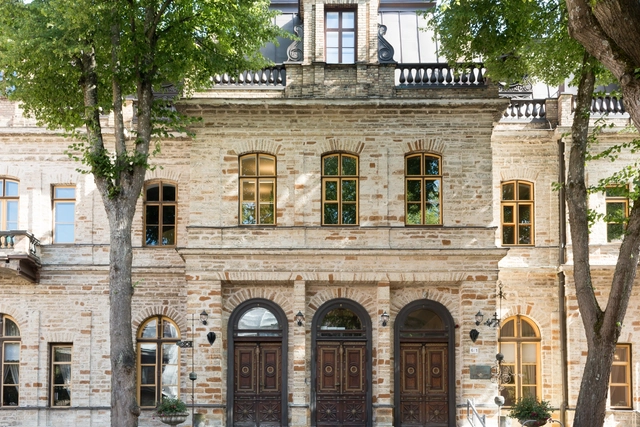
In the heart of Tallinn, where history weaves through cobblestone streets and ancient towers, stands the Ungern-Sternberg Palace — a monument that bridges the opulent past of Estonia's aristocracy with the vibrant world of contemporary academia. Now home to the Estonian Academy of Sciences, this historic building embodies Estonia's enduring dedication to knowledge and cultural preservation. Through Open House Tallinn, which highlights the city's architectural heritage, the palace's significant history, and remarkable architectural details are brought to a wider audience, offering unique insight into Estonia's cultural resilience.
Constructed in the 19th century as a symbol of aristocratic power, the palace has transformed from a private residence into a national hub of intellectual life. Its grand halls, once the scene of lavish gatherings, now foster scientific and academic pursuits, illustrating how heritage architecture can evolve alongside societal change.
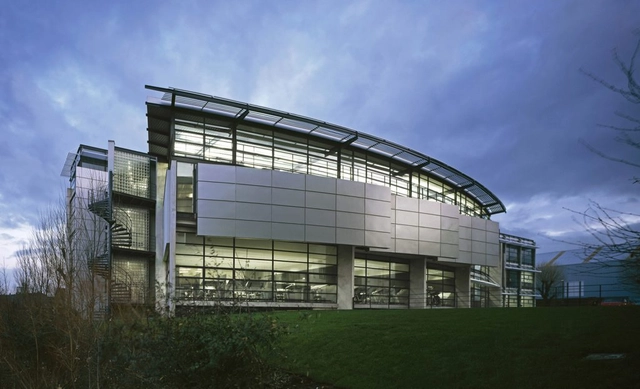
The Centenary Building at the University of Salford, Greater Manchester, was designed by Hodder Associates in 1994-95 to accommodate the Spatial, Graphic, and Industrial Design courses at the University. One year after its inauguration, in 1995, the building was named the winner of the inaugural RIBA Stirling Prize, one of Britain's most prestigious awards. Now, less than 30 years after its completion, the award-winning building is set to be demolished, sparking criticism and debates regarding the attitudes towards recent works of architecture.
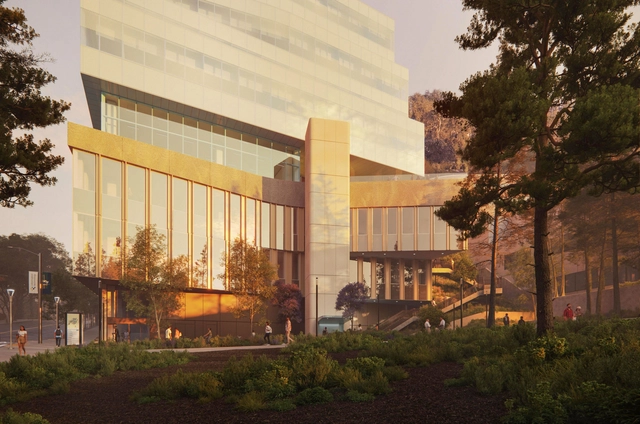
Courtesy of HGA | Barabara and Gerson Bakar Research and Academic Building (BRAB)
Architectural firms Snøhetta and HGA have just began work on the Barbara and Gerson Bakar Research and Academic Building (BRAB) at the University of California, San Francisco (UCSF). This nine-story, 323,000-square-foot facility is set to redefine UCSF's approach to biomedical research and academic collaboration. Designed as a state-of-the-art hub for scientific inquiry, BRAB will offer cutting-edge spaces for translational research, fostering breakthroughs in critical areas such as cancer, diabetes, microbiology, immunology, and cell biology.
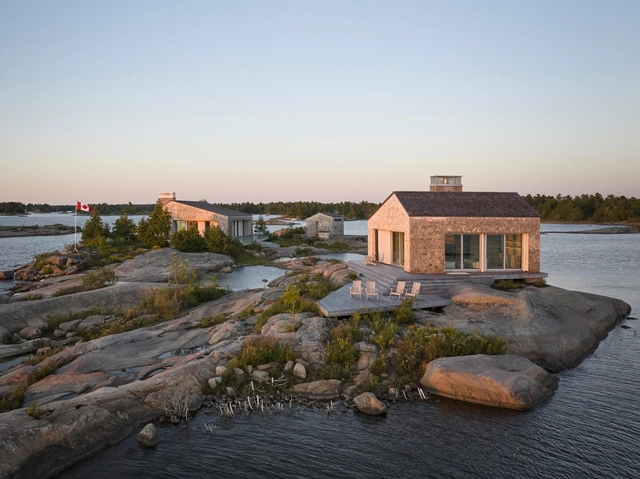
In Canada, the tradition of owning a secondary home in the countryside is a deeply rooted aspect of the national culture. In Ontario and parts of the Maritimes, these nature-surrounded secondary homes are often called "cottages". In British Columbia, Alberta, and Saskatchewan, the term "cabin" is more common, while in Quebec, they are known as "chalets." Regardless of what they are called, these rural retreats offer Canadians an escape from urban life, a place to gather with friends and family, reconnect with nature and enjoy outdoor activities throughout the year.
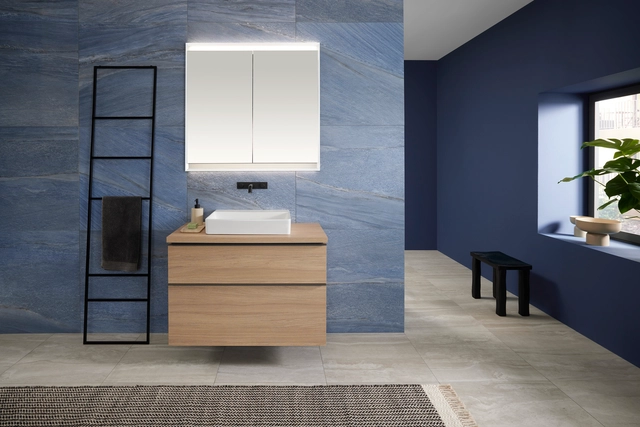
Not all people share the same routines, habits, or customs, yet we all have the same fundamental needs, regardless of age, social class, gender, culture, or religion. Designing bathroom spaces involves considering parameters of accessibility, technology, cleanliness, comfort, and durability, while offering efficient and sustainable solutions that ensure optimal performance. But what does functionality in architecture really mean? How do usage patterns evolve over time? Geberit products showcase various design proposals through their Mix and Match approach that blend furniture, sinks, and other bathroom accessories, all conceived to meet the diverse requirements of their users.