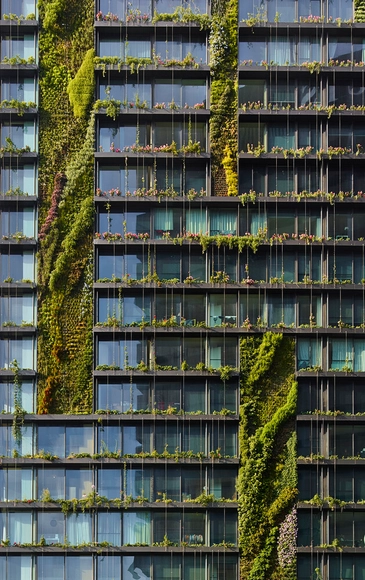
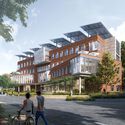
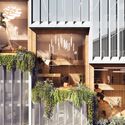
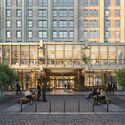
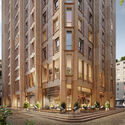
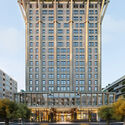
Rising over global cities, the modern skyscraper has long been a symbol of economic growth and environmental decline. For years, they have been reviled by environmentalists for being uncontrolled energy consumers. Malaysian architect Kenneth Yeang acknowledged the skyscraper as a necessityin modern cities and adopted a pragmatic approach to greening the otherwise unsustainable building typology. Yeang’s bioclimatic skyscrapers blend the economics of space with sustainability and improved living standards.
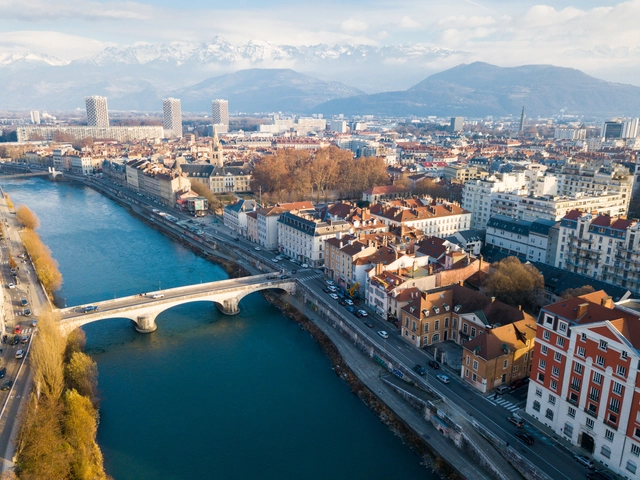
Every year since its establishment in 1970, Earth Day aims to bring into focus not only the increasingly threatening effects of climate change but also highlight the effective measures and adaptation efforts that can improve the quality of our environment. This year’s event comes after a report from the United Nations’ Intergovernmental Panel on Climate Change (IPCC) in March, which presented another warning on the magnitude of changes produced by human-induced global warming and its impact on people and ecosystems. The same report does offer some hopeful prospects as well, showing that adaptation measures can build resilience, but those urgent systemwide transformations are needed to secure a net-zero future. In response to these findings, the 2023 Earth Day is focused on the theme of “Investing in Our Planet,” as an encouragement for governments, institutions, businesses, and civil society to accelerate the change. Read on to discover several citywide initiatives aligned with these objectives of building resilience and a more sustainable future through legislation, civic involvement, and innovative systems.
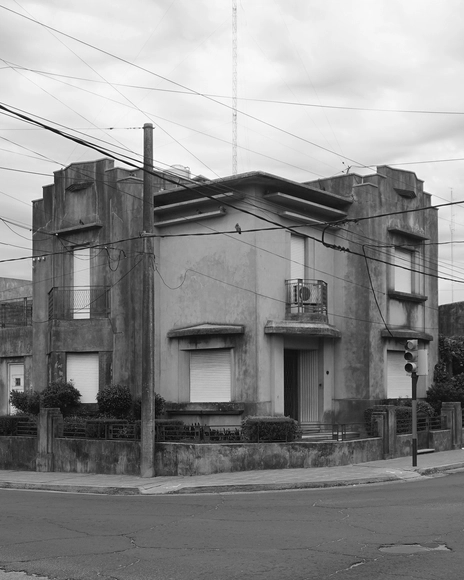
Alejo Martínez, one of the main builders of Argentine modernity, turned the city of Concordia into a reference of the South American modernist movement. His extensive work on houses, such as Casa Péndola Díaz from 1925, Casa Marcone from 1928, or Casa Camaño from 1930, "changed the typology of the 'chorizo' house to compact housing, where straight volumes stand out, staggered from each other, and with terraces".
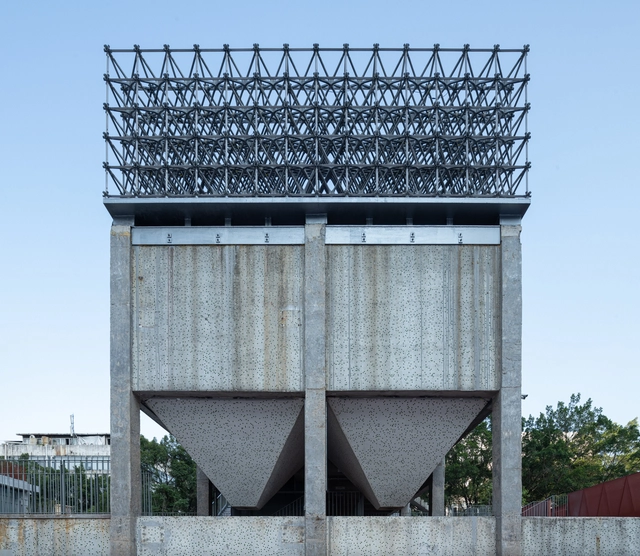
Curated by architecture and urban planning scholar Andong Lu, young architect Zigeng Wang and design curator Aric Chen, the 9th Bi-City Biennale of Urbanism\Architecture (Shenzhen) continues the principle of "the city is the exhibition site, the exhibition is the practice" as the primary exhibition of UABB came to Luohu district for the first time. It was located in GDH City · Jinpi Fang (Kingway Brewery Industrial Heritage) and the exhibition opened in December 2022 and ran until March 2023, with over two hundred events held during the three-month exhibition period.
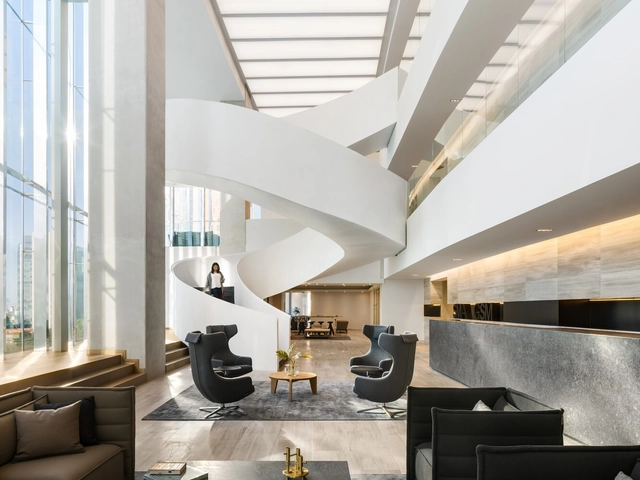
One of the most important elements in architecture are the vertical circulations that are translated into elevators or stairs, and although some offices decide to approach it in a discreet way, some others choose to pay specific attention to it and turn it into a sculptural piece. Helicoidal staircases are some of the favorites when it comes to focusing attention and in our collective conscience we keep some iconic examples, as is the case of the staircase in the O'Gorman House, this piece gave a certain character to the work and it is almost impossible to imagine it without it.
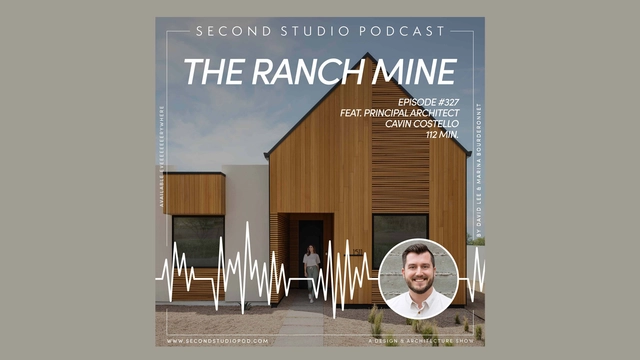
The Second Studio (formerly The Midnight Charette) is an explicit podcast about design, architecture, and the everyday. Hosted by Architects David Lee and Marina Bourderonnet, it features different creative professionals in unscripted conversations that allow for thoughtful takes and personal discussions.
A variety of subjects are covered with honesty and humor: some episodes are interviews, while others are tips for fellow designers, reviews of buildings and other projects, or casual explorations of everyday life and design. The Second Studio is also available on iTunes, Spotify, and YouTube.
This week Cavin Costello, Principal Architect of The Ranch Mine, joins David and Marina of FAME Architecture and Design to discuss his background; architecture school; starting an architecture practice with his wife, Claire Costello, and their working relationship; their approach to finding clients; and more!
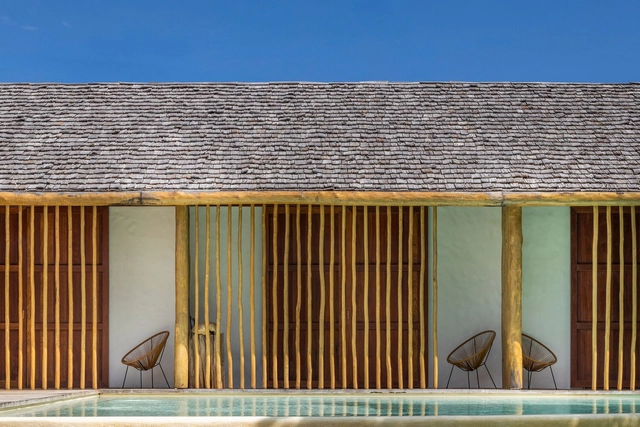
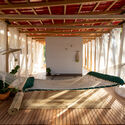
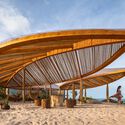
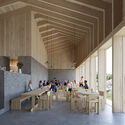
From ancestral constructions to the "concrete of the future", terms abound to describe timber. Present in the history and horizon of world architecture, the material demonstrates a sustainable possibility and is associated with the coziness and warmth that it provides in the spatial atmosphere. In Brazil, it is no different. Several contemporary works explore the qualities and benefits of its use, including structural bias.
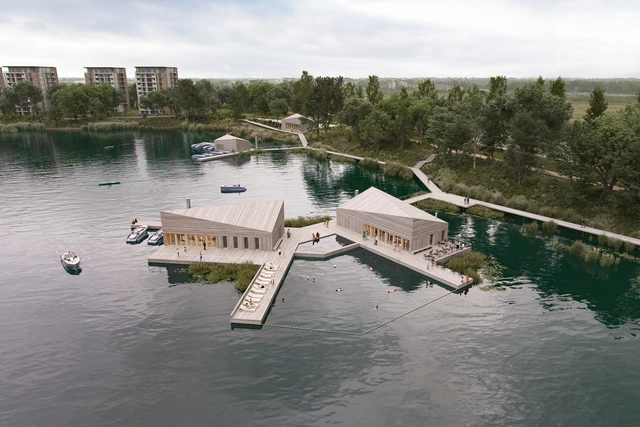
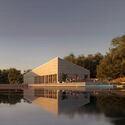
Danish Maritime Architecture Studio MAST, working together with the Municipality of Segrate, plans to transform a former sand quarry into a central park to reconnect the surrounding neighbourhoods and create a new destination for the residents of Milan, Italy. The abandoned quarry has left behind a unique landscape. The off]ice’s proposal includes a series of buildings along the lake’s perimeter linked by a public walkway and a cluster of islands in the centre of the lake. MAST is currently working with the Municipality of Segrate toward realising the project.
Housing is one of the primary aspects of the architecture profession. There are many ways to explore it, from a subordinate program such as a religious cloister to the splendor of a single-family home. Luis Fernández-Galiano is torn between the "waste" of a low-density area in this type of housing and its seductive formal charm. He reminds us that high-density collective housing, such as apartments, makes more sense in an urban context.
For many, schools and kindergartens represent the first contact with public architecture. They, together with every educational facility, serve as the foundation for learning and knowledge dissemination, playing an important role in shaping the formative years of children and young adults. In consequence, these buildings need to respond to the needs of different age groups, while creating functional and flexible spaces for learning, but also for play and unstructured interaction. Light and ventilation needs contribute to the complexity of these architectural programs. However, designing educational facilities presents opportunities for innovation and creative expression, as they are required to adapt continuously to the changing needs of students and faculty while creating a conductive environment for learning.
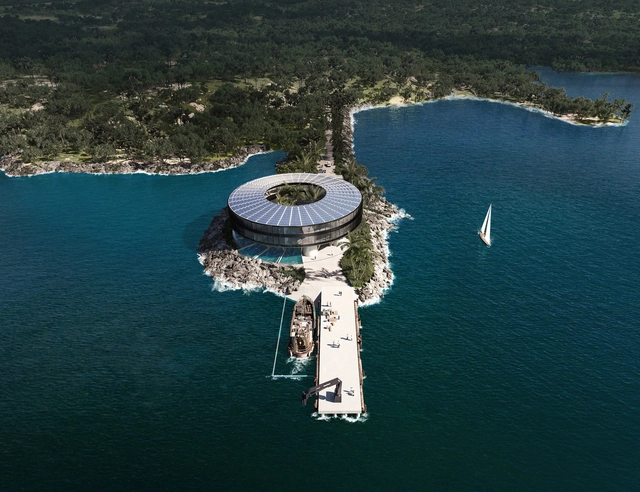
This week’s curated selection of Best Unbuilt Architecture highlights designs submitted by the ArchDaily community dedicated to cultural institutions. From a learning center created to offer the girls in Mozambique an equal opportunity to learn, play and connect, to a naval station redesigned as a research center on the coast of Puerto Rico, this selection features projects created to encourage learning, curiosity, and the exchange of knowledge and expertise. The article includes designs from both established and emerging architectural practices, including Moore Ruble Yudell, C+S ARCHITECTS led by Carlo Cappai and Maria Alessandra Segantini, Hello Wood, and snkh studio.
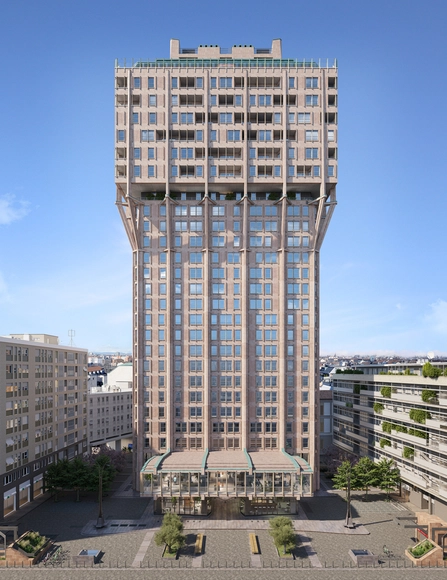
Torre Velasca, the renowned 1950s skyscraper by BBPR in Milan, Italy, is currently undergoing an extensive renovation process led by Asti Architetti and developed by Hines. After completing the work on the facades and with the extensive restoration of the interiors under way, the office has made public the project for the redesign of the Piazza Velasca, the square surrounding the tower. By turning it into a meeting and social gathering place, the architects hope to restore the status of the complex as a symbol of Milan’s architectural heritage. Pedestrian access to the building, and the renovation of previously disused adjacent spaces will open up the area for public access and will restore the original meaning of “piazza,” or square. The project is scheduled for completion by early 2024.
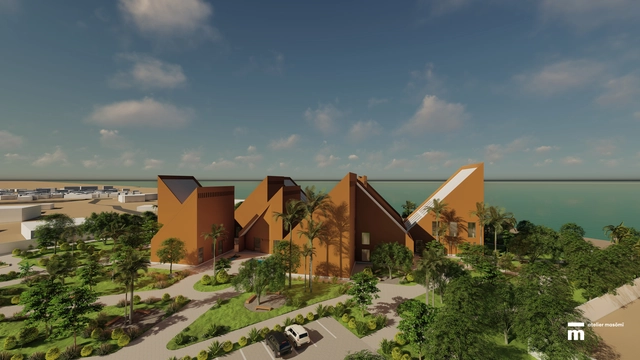
EJS Presidential Center. Image Courtesy of Atelier Masōmī
Atelier Masōmī has just revealed its design for The Ellen Johnson Sirleaf Presidential Center for Women and Development (EJS Center). President Ellen Johnson Sirleaf chose an all-female team to work on the project with lead architect Mariam Issoufou Kamara of Atelier Masōmī, exhibition's architect Sumayya Vally of Counterspace, and the local architect Liberian architect Karen Richards Barnes. The EJS Center, located in Liberia’s capital Monrovia, will provide digital access to former President Ellen Johnson Sirleaf’s personal and professional archives.
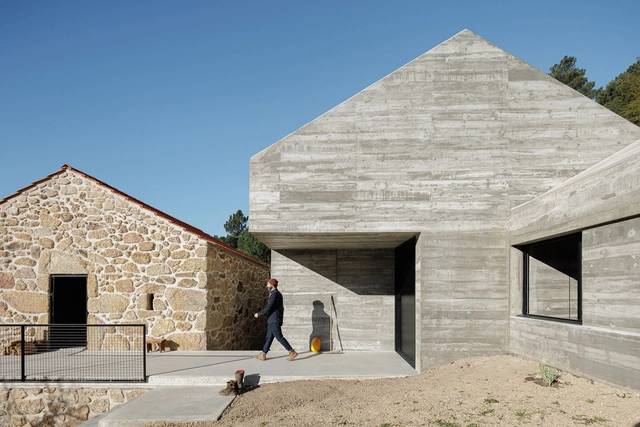
Contemporary architecture in Portugal is a blend of traditional and modern elements that reflect the country's rich cultural and historical heritage. In addition, it reflects global trends and influences in the discipline. From the aesthetics, functionality, and preservation of stone houses to the richness of Portuguese tiles, projects in this small country serve as a reference for many other cultures because of their careful design and precise action.
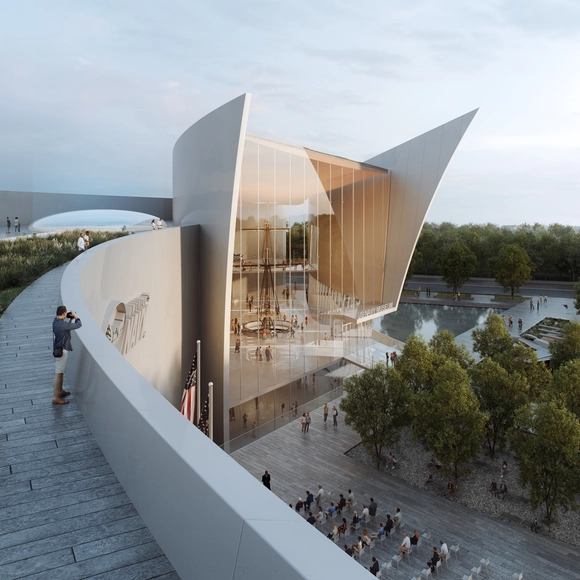
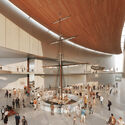
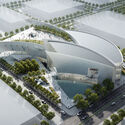
Perkins&Will has been selected as one of the five finalists in the nationwide artistic ideas competition for the design of the new National Museum of the U.S. Navy. The other finalists are DLR Group, Frank Gehry Partners, Quinn Evans, and BIG. Organised by the Naval Heritage History and Command’s (NHHC), the competition’s aim is to create a modern museum for Naval veterans and the public, a new building and ceremonial courtyard to reflect the Navy’s values and legacy. The campus would consist of approximately 270,000 square feet, with 100,000 square feet of gallery space. The Navy’s preferred location for the museum is on a site adjacent to the Washington Navy Yard.
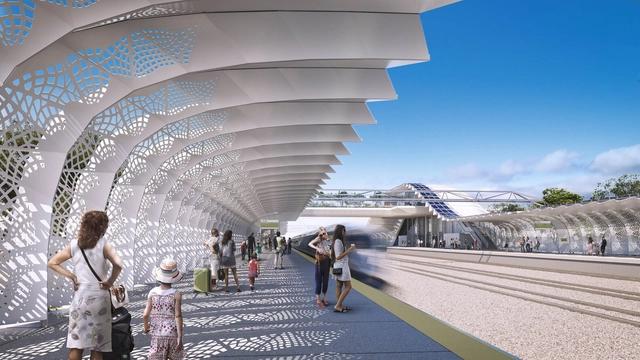
California High Speed Rail. Image Courtesy of Foster + Partners
Foster + Partners and Arup have chosen to work together to design the Merced, Fresno, Kings/Tulare, and Bakersfield stations that will service high-speed train passengers on the first 171-mile leg of California High-Speed train (CA HSR). The Central Valley stations will be the grand entrances to America's first high-speed rail stretch, marking an important step towards providing all Californians with sustainable, carbon-free transportation. Planning, architecture, and engineering for the four new stations, which will serve as design templates for stations planned for the whole 500-mile Los Angeles/Anaheim to San Francisco line, are being done jointly by Foster + Partners and Arup.
The California high-speed rail will connect the state's mega-regions, promote economic growth and a cleaner environment, foster job growth, and conserve agricultural and protected lands. With up to 200 mph speeds, the system can travel from San Francisco to the Los Angeles basin in less than three hours. The Authority is collaborating with regional partners to implement a state-wide rail modernization plan that will spend billions of dollars on local and regional rail lines.
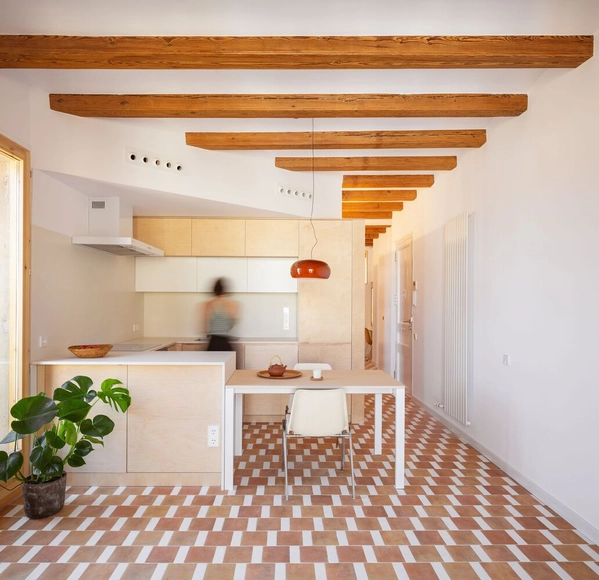
In Spain, the implementation of integrated kitchens in homes has become increasingly common in contemporary architecture. Although there are various configurations and designs that are applied according to the customs and cultures of societies, as we saw in Argentina or Uruguay, the essence of conceiving the kitchen space as a hub of activities and a gathering space among its inhabitants and visitors is a common factor. This has led architects to try to find innovative ways, technologies, or materials that achieve an aesthetic and harmony capable of providing functionality, spaciousness, and flexibility to homes.
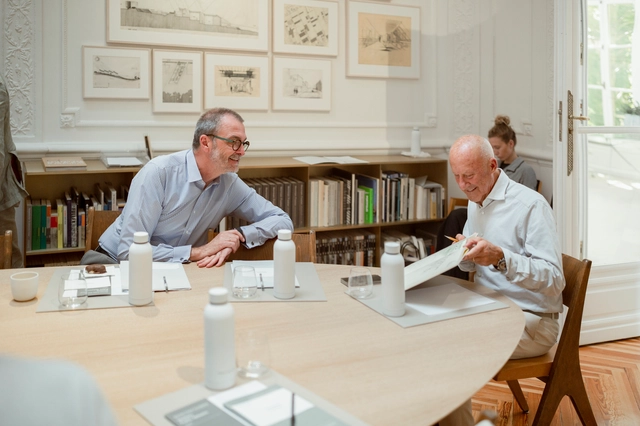
Christophe Levy, Scientific Director at Holcim and Lord Norman Foster. Image Courtesy of Holcim & Norman Foster Foundation
During the 2023 Architectural Biennale in Venice, Holcim and the Norman Foster Foundation will announce the start of their Essential Houses Research Project. Through this collaboration, the Norman Foster Foundation created necessary housing to give displaced communities safety, comfort, and welfare while allowing them to live in temporary settlements for over 20 years. To make sustainable buildings accessible to everyone, Holcim constructed these necessary homes using various green products, such as Elevate Insulation Boards and ECOPact low-carbon concrete.
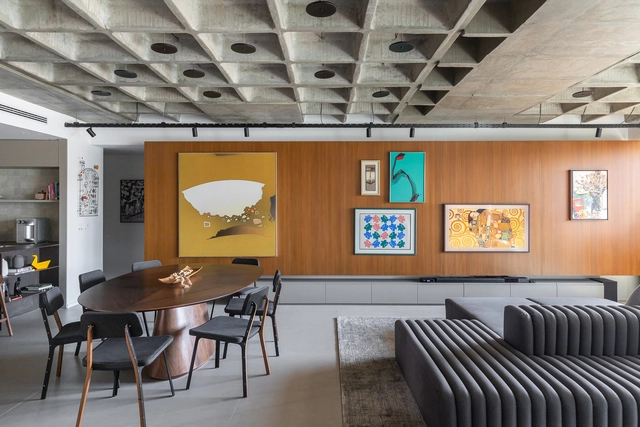
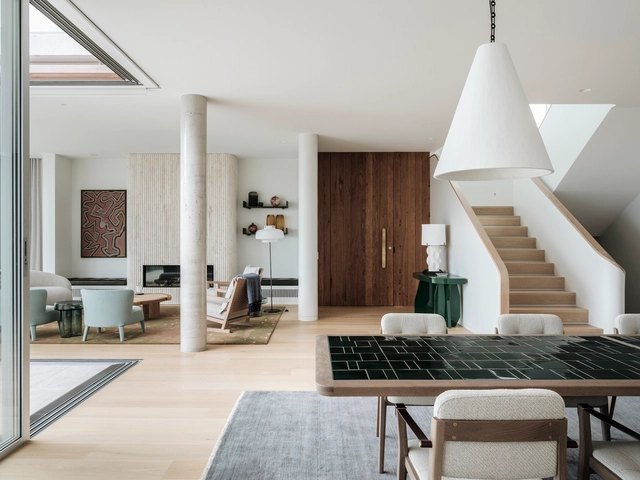
When it comes to forward-thinking interior design, adaptability, and timelessness are two key factors that can guarantee a home will look just as current years from now as it does today. One interior style that makes use of them more than any other is: contemporary. By borrowing elements from several prominent styles and combining them into a harmonic whole, contemporary interiors stay current even as trends move on. But what are the components that remain constant even with this ever-changing fashion? We explore seven evergreen design elements that define contemporary interiors.