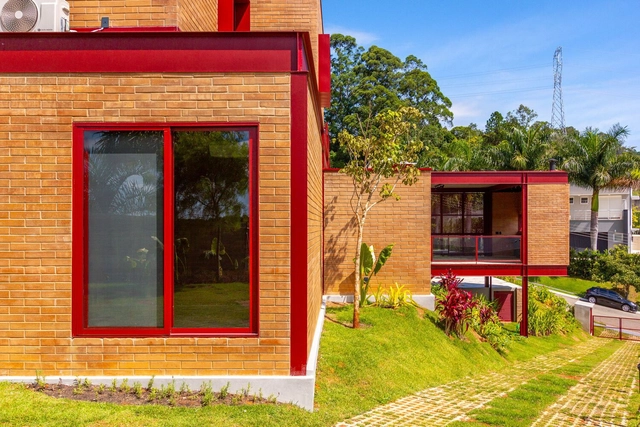
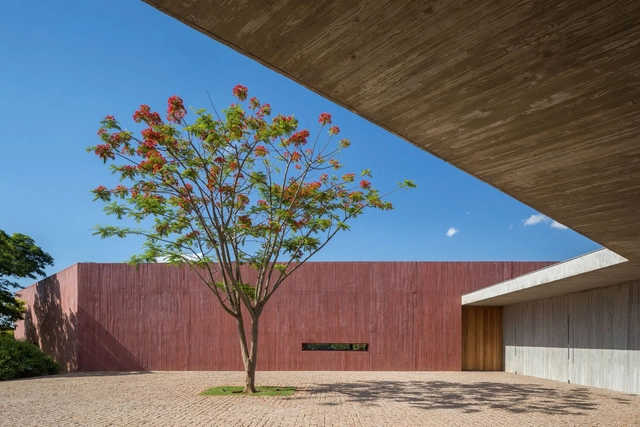
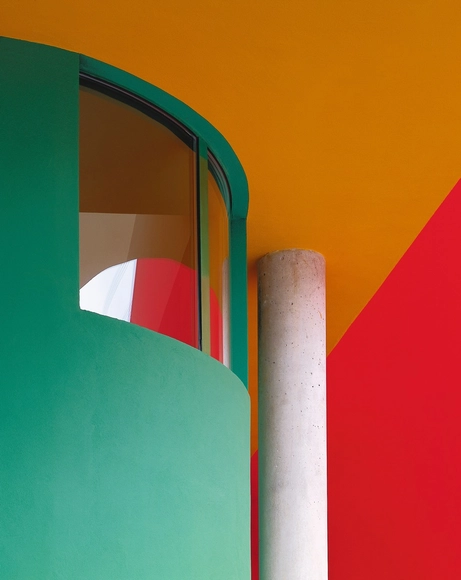
Although the use of color can be employed to hide or disguise a specific characteristic, it can also be used to highlight them. Within the Latin American territory, we can observe that shades of red, green, and blue have predominated in residential architecture, aiming to integrate a language appropriate to the context in which it is implemented.
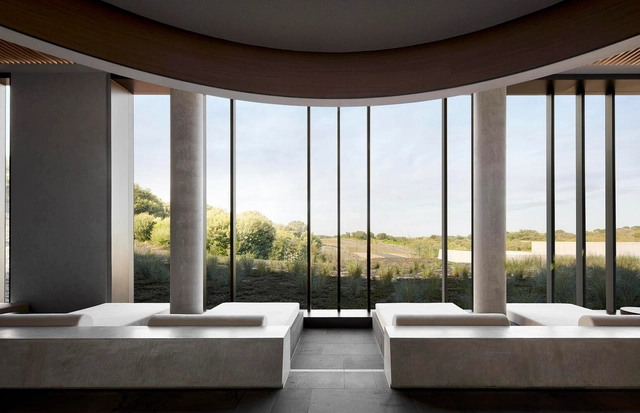
The wellness market is booming, predicted to grow by almost 60% in the five years since the COVID pandemic, with consumers taking greater care of both their physical and mental health. It’s now understood, of course, that wellness – the virtue of feeling good in both body and mind – is more affected by our environment than we used to admit.
Since 2020 we’ve been quickly migrating away from cities, with attitudes on work and living also shifting to include more natural beauty and the hunt for the nirvana of greater wellbeing. These four wellness centers take care to complement the rejuvenating surroundings of the outdoors with healing activities and architecture, helping visitors to feel at peace with themselves and the world around them.
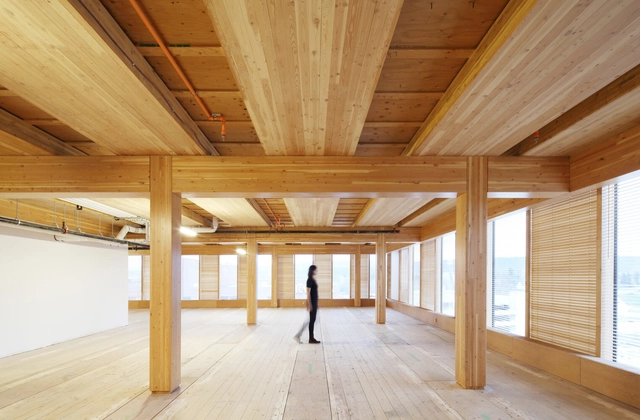
Wood has played a key role in the history of architecture by adding warmth, versatility, and sustainability to buildings. Today, its use is experiencing a renewed interest, driven both by technological advancements brought about by the use of Cross-Laminated Timber (CLT) and by growing environmental awareness.
The following list is an index of articles, news, and projects published on ArchDaily that cover everything you need to know about the use of wood in architecture, from design strategies and the latest trends to its application in construction works and building materials.
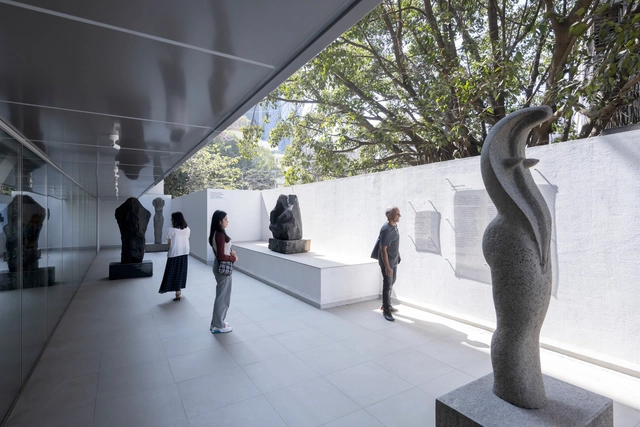
India hosts a multitude of museums, art galleries, public libraries, theaters, and heritage centers. Nevertheless, many of these structures remain abandoned and fossilized like the artifacts they intend to present and protect. The development of cultural infrastructure in India has historically been a government endeavor, often resulting in a state of stagnation. The past two decades have seen a noticeable shift in the country’s cultural landscape. Increased interest from private institutions has paved the way for plenty of cultural projects to be initiated, usually in partnership with city authorities. These contemporary projects aim to celebrate the richness of India’s historical and contemporary culture, becoming prize destinations for the rising middle class.
Burning Man, the annual festival taking place in Nevada’s Black Rock Desert, has opened on August 27th, with thousands of festivalgoers gathering to create the Black Rock City, a ‘temporary metropolis’ complete with numerous installations, artworks, and pavilions that celebrate “community, art, self-expression, and self-reliance.” This year, however, the festival experience has been different, as heavy rains inundated the desert and festival site, creating thick, ankle-deep mud. The roads to and from the festival have been closed as large vehicles risk remaining stuck in the mud. While some people have left the site by walking out, the majority of the 70,000 campers remain stranded, as reported by CNN.
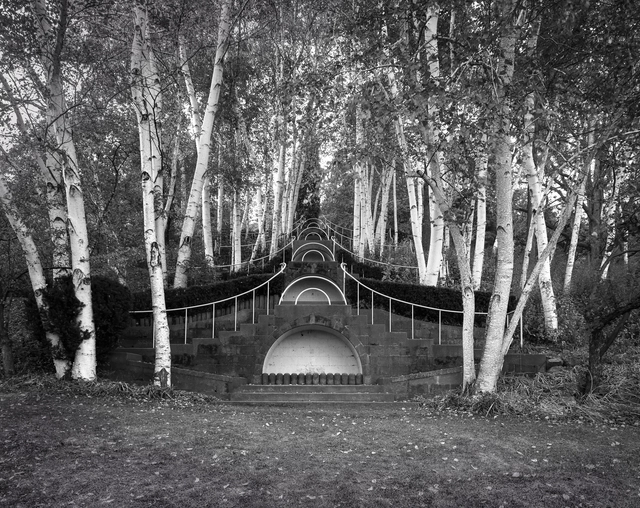
The photographic archive of landscape photographer and architect Alan Ward has been recently gifted to the Cultural Landscape Foundation (TCLF). The collection features 110 Portfolios composed of approximately 2,500 images of parks, estates, memorials, gardens, university campuses, cemeteries, museums, and botanical gardens, taken in 12 different countries, and captured by Alan Ward, a principal at the Boston-based firm Sasaki and a Fellow of the American Society of Landscape Architects.
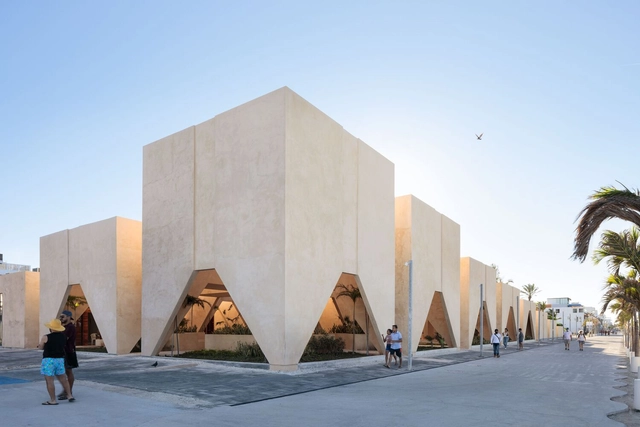
Yucatán is a state located in the southeastern part of Mexico on what is known as the Yucatán Peninsula, bordered by the Gulf of Mexico, Quintana Roo, and Campeche. Within this state, there are 4 magical towns: Izamal, Maní, Sisal, and Valladolid. The architecture of this region is a blend of indigenous, Hispanic, Mexican, French, Italian, and American influences.
Last summer, Spain promoted cleaner transportation by offering free seasonal tickets for suburban and regional trains, which translated into roughly 48 million journeys per month. The initiative hoped to help citizens reduce fuel consumption and reduce the cost of living during the economic uncertainties and rising energy prices. In the summer of 2022, a 30% discount for municipal public transport was announced, with local governments in places like Catalonia topping up to a 60% discount. The program ran between the 1st of September and the 31st of December of last year.
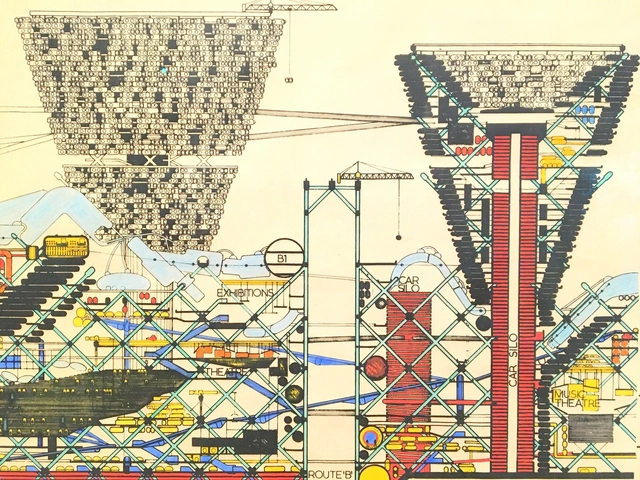
The concept of a city can be viewed as a constantly evolving system where both architects and users contribute to its design and redesign. While its framework may start with planners or designers, the character of the urban fabric is ultimately shaped by the societies and generations that inhabit it. The question of "city authorship" often arises in the context of masterplan design. Can architects and urban planners determine the extent to which a city will evolve through its initial design? The answer is no. User authorship then acknowledges that city planning should not be approached like building design, where designers attempt to predict every aspect of shape, pattern, behavior, and culture. Instead, it recognizes the role that people play in shaping the urban fabric through their personal taste in architecture, the development of neighborhood personality, and ongoing redesign that contributes to the story and spirit of a place. These factors should be considered in the initial design by engaging ideas related to future expansion, adaptable infrastructure, and empowering citizens to contribute to the city's architecture, thus making the city design democratic. This article explores conceptual radical cities where designers embrace the ideas of user authorship and the constant evolution of ephemeral architecture.
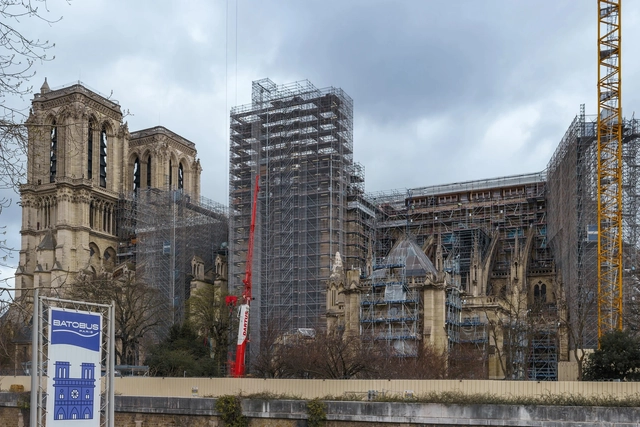
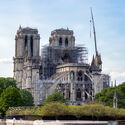
Scaffolding continues to surround the cathedral on March 24, 2023.. Image via Shutterstock | O.Kemppainen
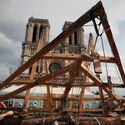
On April 15, 2019, a devastating fire occurred at the infamous Notre Dame Cathedral in Paris, France. The fire caused significant damage to the historic structure, which is a landmark in the city and a symbol of French Gothic architecture. The cathedral has been undergoing restoration works and is on course to reopen to the public in 2024. Throughout the process of restoration, its interior cleaning methodologies were debated, its carpentry was entirely replaced by medieval-skilled timber craftsmen, and the completion date for the cathedral is still on track for December 2024.
The use of pigmented concrete in Latin American architecture is growing - and influencing contemporary architectural expression. This can be seen in recent built works ranging from the INES Innovation Center designed by Pezo von Ellrichshausen in Chile to the Teotitlán del Valle Community Cultural Center by PRODUCTORA in Mexico.
Iwona Blazwick has been appointed as the Curator of the 18th Istanbul Biennial, organized by the Istanbul Foundation for Culture and Art (iKSV). The Biennial will occur in 2024, from 14 September until 17 November. The Istanbul Biennial is the most comprehensive international exhibition organized in Türkiye and the region, playing an essential role in promoting contemporary artists and artist collectives.
Iwona Blazwich OBE is a curator, writer, and art historian. She held the position of Director at the Whitechapel Gallery in London from 2001 to 2022 and previously worked with many renowned institutions in her practice. Currently, she is the curator for the Royal Commission’s Arts AlUla initiative in Saudi Arabia. Furthermore, Blazwhich’s career as an independent curator ranges from exhibitions and public art projects across Europe, the United States, Japan, and China.
Tourist facilities are a significant architectural program as they not only provide essential amenities for travelers but also encapsulate the cultural essence of a destination. Resorts and hotels experiment with ideas of comfort and leisure, restaurants bring visitors into the local culinary culture, while wineries merge craftsmanship, tradition, and modernity. Visitor centers are another facility often provided for travelers, serving as gateways to exploring the city. Besides their flexible program, these architectural interventions most often strive to relate and harmonize with the local context to enrich the narrative of the space and create a memorable experience for every visitor.
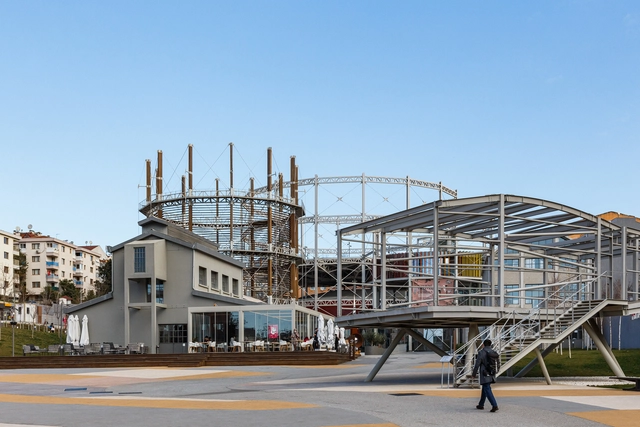
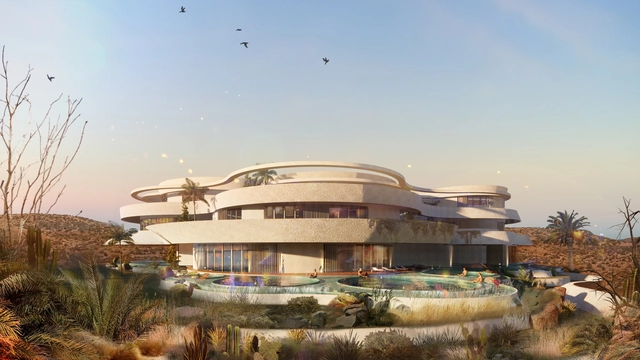
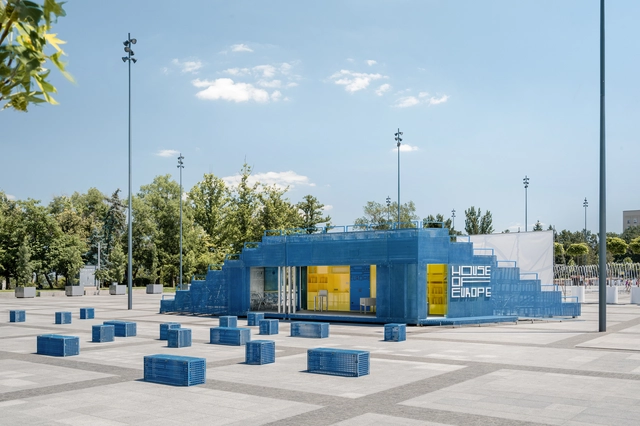
This week's curated selection of Best Unbuilt Architecture highlights projects submitted by the ArchDaily community that showcase various amenities dedicated to tourists, from wine cellars, specialty restaurants, and visitor centers to isolated camping sites in the mountains or lavish spa hotels in the arid areas of the Middle East. Featuring projects from emerging and established architectural offices such as Melike Altınışık Architects, Lockhart Krause Architects, MUA, and OMBI Innovation Lab the selection includes a wide range of programs and scales, showcasing designs that rethink conventional tourist facilities while establishing a connection with their surroundings and cultural context.
Amidst the current wave of architectural globalization, the art of crafting designs attuned to specific contexts is fading. This concern is especially significant in countries in crisis, such as Ukraine, where the built environment's history is being eroded by war. In these conditions, the contribution of local architects with an innate grasp of the country's cultural nuances becomes imperative. Leading the charge in the rebuilding of Ukraine is prototype, a pioneering practice that challenges architectural conventions to push the country towards a promising future.
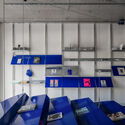
Recognizing their forward-looking vision, ArchDaily has featured prototype as part of the 2023 New Practices, a global annual survey. prototype's outlook on the future of architecture aligns with responsible design that addresses the environmental impact of construction and marries contextual and specific considerations for each project. Their recent accomplishments include the bookstore Readellion, and Ukrainian-Danish Youth House, epitomizing prototype's recurring design principles of mobility, adaptability, dynamic levels, and change of scenarios.
Videos
Sto distribution centre in Hamburg, Germany. Designed by Michael Wilford & Associates, 1994-1995. Photographed by Richard Bryant, image courtesy of Sto
Contrary to popular belief, Roman buildings were not as monochrome as previously thought. Recent discoveries indicate that statues and structures were, in fact, richly adorned with bright colors and exuberant decorations, following the tradition established by their Greek predecessors. This may be surprising, but it shows the presence of color in architecture much earlier than imagined. Color has always played a significant role in shaping the perception and experience of a space, and was prominent in the works of seminal architects such as Le Corbusier and Luis Barragán, for example. Another master of the use of color was Michael Wilford, who, together with his former partner James Stirling gained international recognition with notable public buildings, art centers, museums, and libraries located worldwide. The volumes present in Wilford's architecture are often remembered for their careful use of color, which highlights certain elements and adds other dimensions to the structures.
Charlotte Mecklenburg Library. Image Courtesy of Snohetta
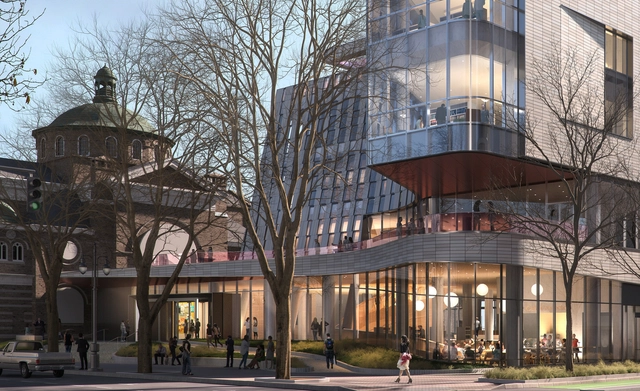
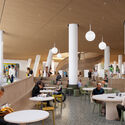
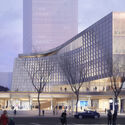
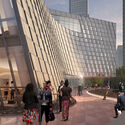
Construction has just begun on Snøhetta’sCharlotte Mecklenburg Library in North Carolina,USA. The new project is designed to become a significant destination in Uptown Charlotte. Last week, the main library organized a commemoration to celebrate the beginning of the demolition phase on site in anticipation of the upcoming construction. It is set to open in the spring of 2026.
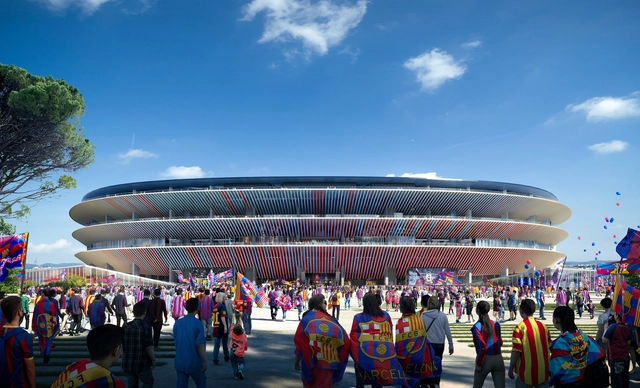
The Museum of Architecture and Design, Chicago Athenaeum, and the European Center for Architecture, Art, Design, and Urban Studies have just revealed the winning projects in their 2023 edition of the International Architecture Awards (IAA). Among these recognitions, the design by IDOM, Nikken Sekkei, and b720 for the Nou Camp Nou stands out.
Circles, as a fundamental geometric shape, possess a captivating and harmonious quality that has been seamlessly integrated into architecture and design across various eras and styles. From subtle accents to bold focal points, the use of circles in interior design transcends mere ornamentation, often symbolizing continuity, connection, and a soothing visual rhythm. With their endless and unbroken curves, they offer a sense of unity, movement, and balance that can transform spaces into inviting and aesthetically pleasing environments – an effect especially useful for interior design. In this article, we take a look at 27 projects from our ArchDaily database that illustrate circular forms in interiors across the globe.